
What Are the Best Practices for Maintaining PPR Pipe Packaging Equipment?
Maintaining PPR pipe packaging equipment is crucial for ensuring smooth production and longevity. Proper maintenance minimizes downtime, enhances efficiency, and safeguards your investment. This article outlines essential practices to keep your PPR pipe packaging machinery in optimal condition.
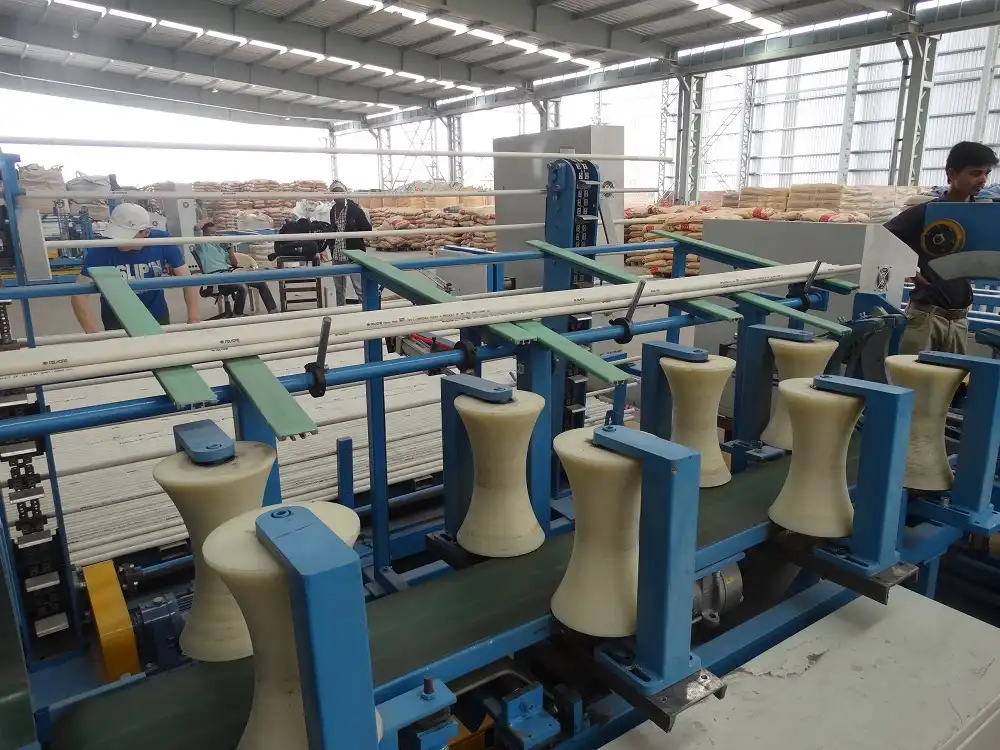
The best practices for maintaining PPR pipe packaging equipment include regular cleaning and inspection, consistent lubrication of moving parts, precise calibration of settings, and comprehensive operator training. Implementing a preventative maintenance schedule, keeping detailed records, and promptly addressing any issues are also vital for optimal performance and extended equipment lifespan.
To delve deeper into these essential maintenance strategies, continue reading to discover detailed insights and actionable steps for maximizing the efficiency and lifespan of your PPR pipe packaging equipment.
1. Regular Cleaning and Inspection
Regular cleaning and inspection are the cornerstones of any effective maintenance program for PPR pipe packaging equipment. Consistent cleaning prevents the buildup of debris that can hinder operation, while routine inspections allow for the early detection of potential problems.
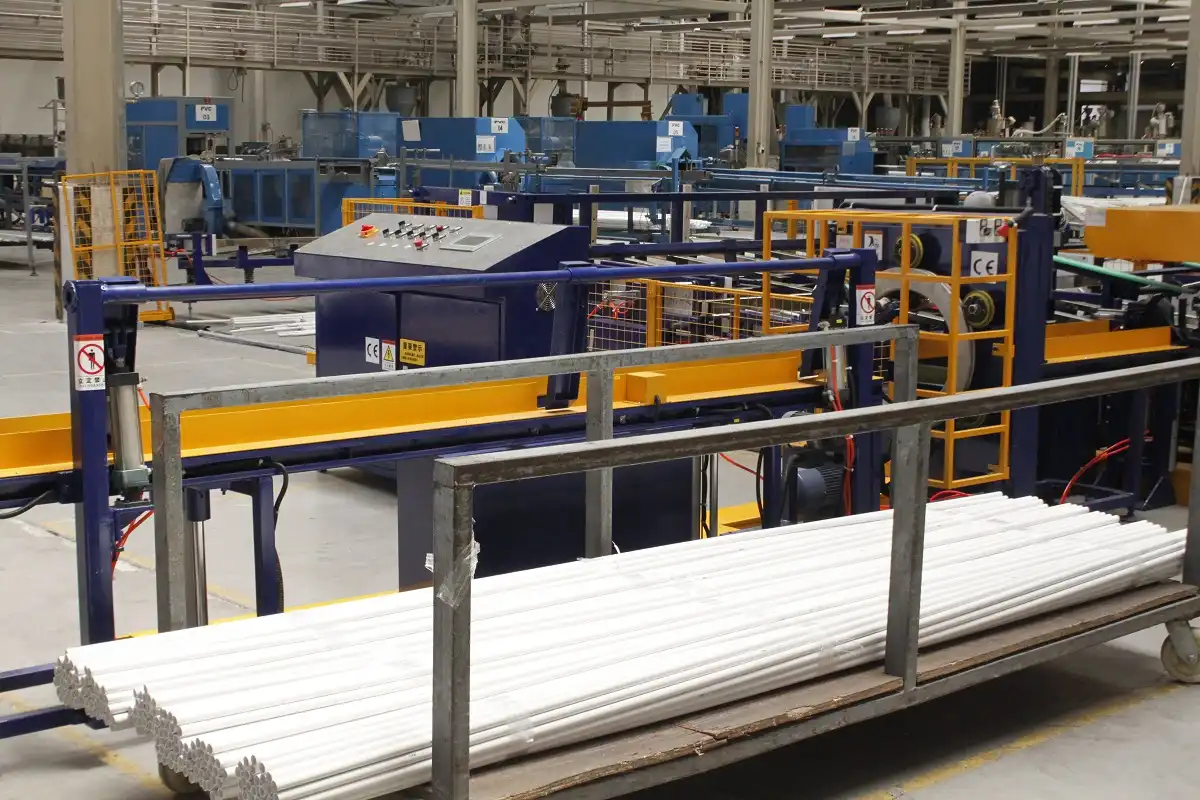
Regular cleaning and inspection are paramount for maintaining PPR pipe packaging equipment. Daily cleaning after each shift removes plastic residue and dust, preventing operational hindrances. Weekly inspections should focus on identifying loose components, wear and tear, and lubrication needs. Monthly checks should include a more thorough examination of critical systems like heating elements and pressure mechanisms, ensuring optimal and consistent performance over time.
Deep Dive into Inspection Frequency and Methods
To ensure thorough maintenance, establish a structured inspection schedule. Different components require varying frequencies of inspection based on their wear rate and criticality to the packaging process. A tiered approach, incorporating daily, weekly, monthly, and annual checks, provides comprehensive coverage.
| Inspection Type | Frequency | Key Checkpoints | Purpose |
|---|---|---|---|
| Daily | End of Shift | – Remove plastic residue and dust from all accessible areas – Check for any loose debris around moving parts |
Prevent buildup of contaminants, ensure smooth operation for next shift |
| Weekly | Weekly | – Inspect belts and chains for tension and wear – Check lubrication levels in grease points – Examine pneumatic and hydraulic lines for leaks or damage |
Identify wear on moving parts, maintain proper lubrication, prevent fluid system failures |
| Monthly | Monthly | – Thoroughly clean heating elements and sealing jaws – Inspect alignment clamps for wear and proper function – Calibrate pressure gauges and sensors |
Maintain critical components, ensure accurate and reliable operation |
| Annually | Annually | – Comprehensive machine overhaul – Deep cleaning and lubrication of all systems – Professional inspection of electrical and control systems |
Extend equipment lifespan, prevent major breakdowns, ensure safety and compliance |
Daily Inspections: These are quick visual checks performed at the end of each shift. Operators should remove plastic shavings, dust, and any spilled materials from accessible areas. Pay close attention to areas around sealing jaws, cutting blades, and conveyor belts where residue buildup is common. A simple brush and vacuum can be effective tools for daily cleaning.
Weekly Inspections: Weekly checks are more detailed and should be performed by maintenance personnel. Focus on moving parts like belts, chains, and bearings. Check belt tension and look for signs of wear or fraying. Lubricate grease points and inspect pneumatic and hydraulic lines for leaks, cracks, or loose fittings. Listen for unusual noises during operation, which can indicate developing problems.
Monthly Inspections: Monthly inspections are more in-depth and require some downtime. This is the time to thoroughly clean heating elements, sealing jaws, and alignment clamps. Inspect heating elements for damage or uneven heating patterns. Ensure alignment clamps are clean, lubricated, and functioning correctly to guarantee proper pipe alignment during packaging. Calibration of pressure gauges, temperature sensors, and weighing scales (if applicable) should be performed monthly to maintain accuracy.
Annual Inspections: Annual inspections are comprehensive overhauls, often best performed by qualified technicians or the equipment manufacturer’s service team. This includes deep cleaning of all systems, thorough lubrication, inspection of electrical panels and wiring, and a detailed assessment of the machine’s overall condition. Annual inspections are crucial for identifying and addressing wear and tear that accumulates over time, preventing major breakdowns and extending the equipment’s lifespan significantly. This proactive approach to maintenance, categorized by frequency, ensures that all aspects of the PPR pipe packaging equipment are regularly checked and maintained, minimizing downtime and maximizing efficiency.
2. Lubrication and Component Care
Proper lubrication and diligent component care are vital for the smooth and efficient operation of PPR pipe packaging equipment. Lubrication minimizes friction, reduces wear and tear on moving parts, and prevents overheating, all of which contribute to extended equipment life and reduced downtime.
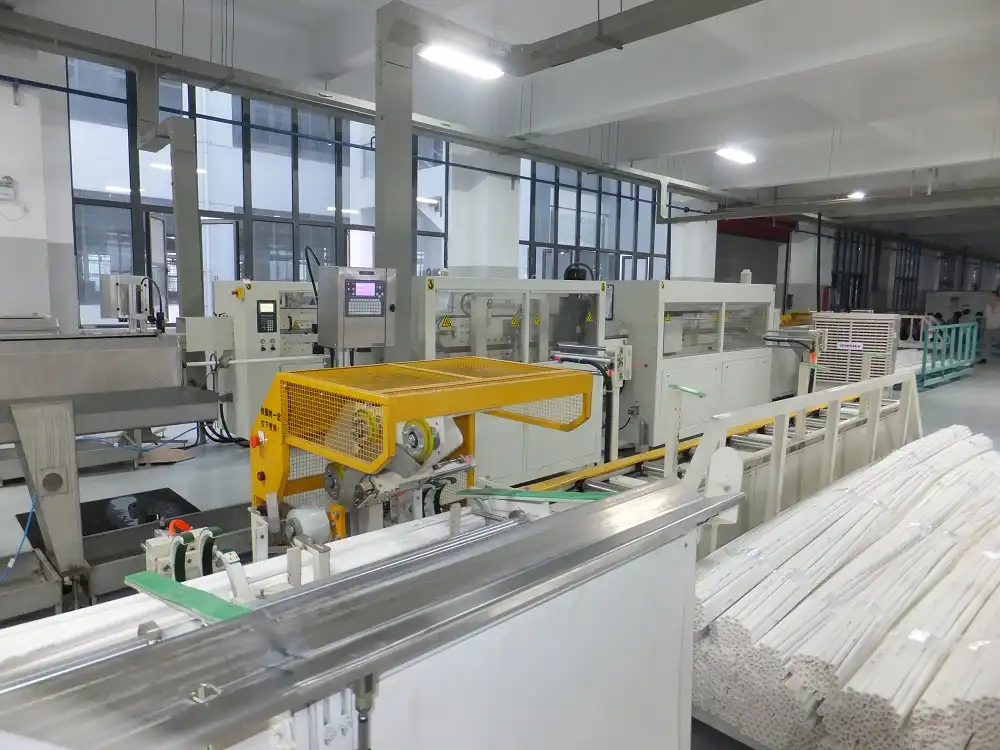
Maintaining optimal lubrication in PPR pipe packaging equipment is essential for smooth operation. Regularly lubricate all moving parts, including bearings, gears, chains, and slides, using manufacturer-recommended lubricants. Component care involves inspecting and replacing worn parts like belts, seals, and heating elements proactively. Proper lubrication and timely component replacement minimize friction, prevent breakdowns, and ensure consistent, efficient packaging processes.
Advanced Lubrication Techniques and Material-Specific Care
Effective lubrication goes beyond simply applying grease. Understanding different types of lubricants and their appropriate applications within PPR pipe packaging machinery is crucial. Furthermore, material-specific care ensures that components are maintained with materials and methods that prolong their lifespan and prevent degradation.
Lubricant Types and Applications:
- Greases: Ideal for bearings, gears, and slow-moving parts. Choose greases with appropriate viscosity and temperature resistance for the operating environment. Lithium-based greases are commonly used for general-purpose applications, offering good water resistance and temperature tolerance. For high-temperature areas near heating elements, consider high-temperature greases.
- Oils: Suitable for chains, slides, and pneumatic cylinders. Use oils with appropriate viscosity to ensure proper film strength and prevent wear. For pneumatic systems, use pneumatic oil designed to prevent corrosion and ensure smooth valve operation.
- Dry Lubricants: In environments where contamination is a concern, dry lubricants like PTFE sprays can be used. These are particularly useful for slides and areas where grease or oil buildup is undesirable.
Lubrication Schedule and Methods:
- Daily Lubrication: Some grease points, especially on high-wear components, might require daily lubrication. Follow the manufacturer’s recommendations for specific points and lubricant quantity.
- Weekly Lubrication: Most grease points should be lubricated weekly. Use a grease gun to apply lubricant until old grease is purged and new grease appears. Avoid over-lubrication, which can attract dirt and debris.
- Monthly Lubrication: Chains and slides typically require monthly oil lubrication. Apply oil evenly along the chain or slide, allowing it to penetrate moving parts.
Material-Specific Component Care:
- Belts: Inspect belts regularly for wear, cracks, and fraying. Replace belts promptly when wear is evident. Use belt dressings sparingly to maintain flexibility and prevent slippage, but avoid over-application, which can attract dust.
- Seals and O-rings: Seals and O-rings in pneumatic and hydraulic systems are critical for preventing leaks. Inspect seals for cracks, hardening, or swelling. Replace seals at recommended intervals or whenever damage is observed. Use seal lubricants compatible with the system fluids to prolong seal life.
- Heating Elements: Heating elements require careful handling. Clean them gently to remove plastic buildup without scratching or damaging the surface. Inspect for signs of warping, cracks, or discoloration, which indicate overheating or failure. Replace heating elements as soon as damage is detected to maintain consistent sealing temperatures.
- Metal Components: Protect metal components from corrosion, especially in humid environments. Apply rust inhibitors or protective coatings to exposed metal surfaces. Regularly inspect for rust and address any corrosion promptly with appropriate cleaning and protective treatments.
By implementing a detailed lubrication schedule, using appropriate lubricants, and practicing material-specific component care, you can significantly reduce wear and tear, minimize downtime, and extend the lifespan of your PPR pipe packaging equipment. Regular attention to these lubrication and component care best practices ensures consistently efficient and reliable packaging operations.
3. Calibration and Adjustment
Precise calibration and adjustment are essential for ensuring the accuracy and consistency of PPR pipe packaging. Packaging equipment relies on various settings—temperature, pressure, speed, and dimensions—that must be correctly calibrated to achieve optimal performance and minimize material waste.
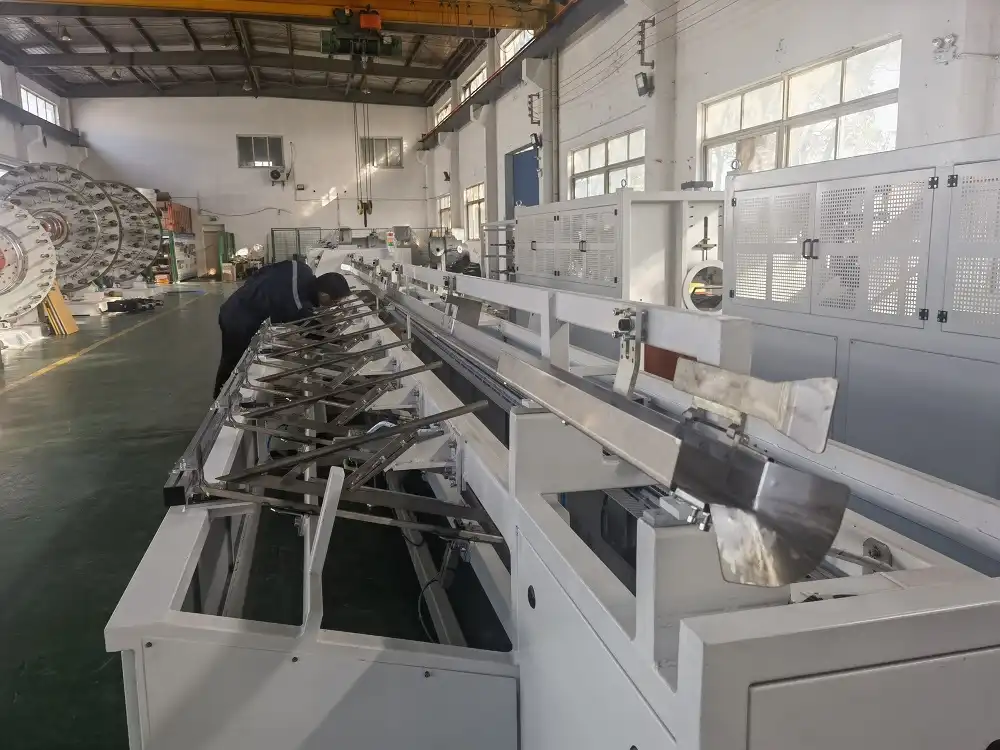
Calibration and adjustment are crucial for the accurate operation of PPR pipe packaging equipment. Regularly calibrate temperature sensors for heating elements, pressure gauges for sealing mechanisms, and dimensional settings for cutting and wrapping stations. Accurate calibration ensures consistent packaging quality, reduces material waste from errors, and maintains the efficiency of the entire packaging line.
The Crucial Role of Calibration in Packaging Efficiency and Precision
Calibration directly impacts packaging efficiency and precision, influencing product quality, material usage, and overall operational costs. Uncalibrated equipment can lead to inconsistencies, errors, and increased waste, highlighting the importance of regular and accurate calibration procedures.
Impact of Calibration on Packaging Quality, Waste, and Efficiency:
| Factor | Calibrated Equipment | Uncalibrated Equipment | Impact |
|---|---|---|---|
| Packaging Accuracy | Consistent and precise dimensions, weight, and sealing | Inconsistent dimensions, weight, and sealing | Higher product quality, reduced rejects, enhanced customer satisfaction |
| Material Waste | Minimized material usage due to accurate settings | Increased material waste due to over-packaging or errors | Lower material costs, improved resource utilization, environmental benefits |
| Operational Efficiency | Optimal throughput and speed with reliable performance | Reduced throughput, frequent adjustments, and downtime | Increased productivity, lower labor costs, improved overall efficiency |
| Energy Consumption | Efficient operation at set parameters | Potential for increased energy use due to inefficiencies | Lower energy costs, reduced environmental footprint |
Calibration Procedures for Key Components:
- Temperature Sensors: Heating elements in sealing and welding stations rely on accurate temperature control. Use a calibrated temperature probe to verify the temperature readings of the machine’s sensors against set values. Adjust sensor calibration settings as needed to match the actual temperature.
- Pressure Gauges: Pneumatic and hydraulic systems often use pressure gauges to control sealing and clamping forces. Calibrate pressure gauges using a calibrated pressure tester. Ensure the gauge readings accurately reflect the applied pressure to guarantee consistent sealing and prevent damage to pipes.
- Dimensional Settings: Cutting stations, wrapping units, and length measuring systems require precise dimensional settings. Use calibrated measuring tools (rulers, calipers, laser distance meters) to verify dimensional settings against the machine’s indicators. Adjust sensors and mechanical stops to ensure accurate cutting lengths and wrapping dimensions.
- Weight Scales (if applicable): For packaging lines that fill bags or boxes by weight, calibrate weight scales using calibrated weights. Ensure the scales provide accurate readings across the operating range to prevent underfilling or overfilling.
Calibration Frequency and Record Keeping:
- Calibration Frequency: The frequency of calibration depends on the equipment usage and manufacturer recommendations. Monthly calibration is generally recommended for critical parameters. Less critical settings may require quarterly or semi-annual calibration. Increased frequency might be necessary for high-precision packaging or demanding operating environments.
- Calibration Records: Maintain detailed records of all calibration activities, including dates, procedures, tools used, readings before and after calibration, and any adjustments made. Calibration records are essential for tracking calibration history, identifying trends, and demonstrating compliance with quality standards.
Regular calibration and adjustment are not just maintenance tasks; they are investments in packaging quality, efficiency, and cost savings. By prioritizing calibration, manufacturers can ensure their PPR pipe packaging equipment operates at peak performance, minimizing waste, maximizing throughput, and consistently delivering high-quality packaged products.
4. Operator Training and Preventative Schedules
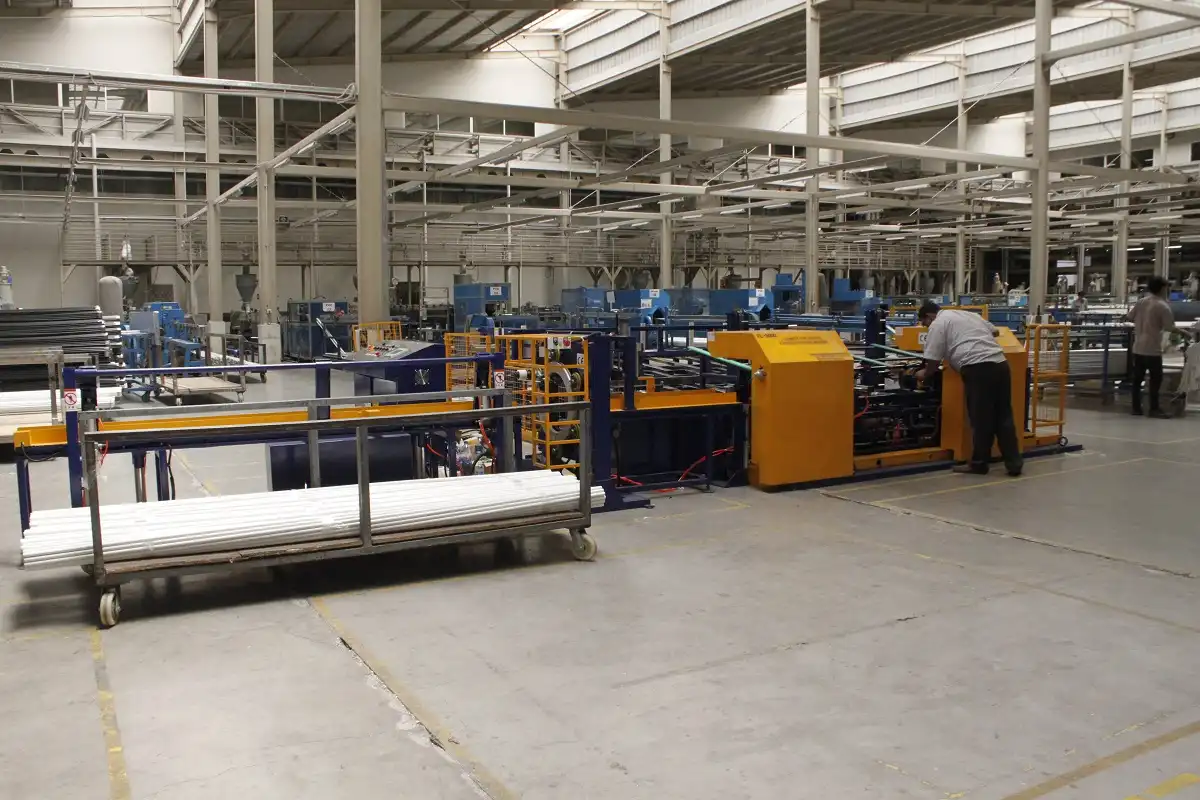
Effective maintenance extends beyond technical procedures to include the human element: well-trained operators and diligently followed preventative maintenance schedules. Operators are the first line of defense in identifying potential issues, and a structured preventative schedule ensures that maintenance tasks are performed systematically and proactively.
Operator training and preventative maintenance schedules are vital for maximizing the uptime and efficiency of PPR pipe packaging equipment. Comprehensive training equips operators to perform daily checks, basic troubleshooting, and proper equipment operation. Preventative maintenance schedules ensure that regular servicing, inspections, and component replacements are carried out proactively, minimizing unexpected breakdowns and extending equipment lifespan.
Operator Training:
- Comprehensive Training Programs: Develop thorough training programs for all operators, covering equipment operation, safety procedures, basic maintenance tasks (cleaning, lubrication points), and troubleshooting common issues.
- Hands-on Training: Include hands-on training sessions where operators practice operating the equipment, performing basic maintenance tasks, and identifying potential problems under the guidance of experienced trainers or maintenance personnel.
- Regular Refreshers: Conduct regular refresher training sessions to reinforce best practices, introduce updates on procedures or equipment modifications, and address any recurring issues or operator questions.
- Empowerment and Ownership: Encourage operators to take ownership of their equipment’s condition. Empower them to report issues promptly and participate actively in routine maintenance tasks.
Preventative Maintenance Schedules:
- Structured Schedules: Create detailed preventative maintenance schedules that outline daily, weekly, monthly, and annual tasks. Assign responsibility for each task to specific personnel and establish clear procedures for execution.
- Task Prioritization: Prioritize maintenance tasks based on equipment criticality and potential impact of failure. Focus on critical components and systems that are most likely to cause downtime if neglected.
- Integration with Operations: Integrate preventative maintenance schedules with production planning to minimize disruption. Schedule maintenance tasks during planned downtime or shift changes whenever possible.
- Dynamic Scheduling: Be prepared to adjust preventative maintenance schedules based on equipment performance, operating hours, and observed wear patterns. Regularly review and refine schedules to optimize their effectiveness.
- Record Keeping: Maintain meticulous records of all preventative maintenance activities, including dates, tasks performed, parts replaced, and personnel involved. These records provide valuable insights into equipment history, maintenance effectiveness, and future planning.
By investing in comprehensive operator training and implementing robust preventative maintenance schedules, businesses can cultivate a proactive maintenance culture. This approach not only minimizes unexpected breakdowns and downtime but also empowers operators to contribute to equipment longevity and operational efficiency, creating a more reliable and productive PPR pipe packaging process.
Conclusion
Maintaining PPR pipe packaging equipment effectively is a multifaceted endeavor that demands consistent attention to detail and a proactive approach. By adhering to best practices in cleaning, inspection, lubrication, calibration, and operator training, businesses can significantly enhance the efficiency, reliability, and longevity of their packaging lines. Implementing preventative maintenance schedules and fostering a culture of proactive equipment care are not merely operational tasks—they are strategic investments that yield substantial returns in reduced downtime, minimized waste, and sustained productivity. Embracing these best practices ensures that your PPR pipe packaging equipment operates at its peak, contributing directly to your operational success and profitability.








