
How to Optimize Steel Wire Rewinding Machine Performance for High-Speed Distribution Centers?
Steel wire rewinding machines are vital in distribution centers. Optimizing their performance ensures smooth operations and timely deliveries. Let’s explore strategies to maximize efficiency and reduce downtime, enhancing the overall distribution process.
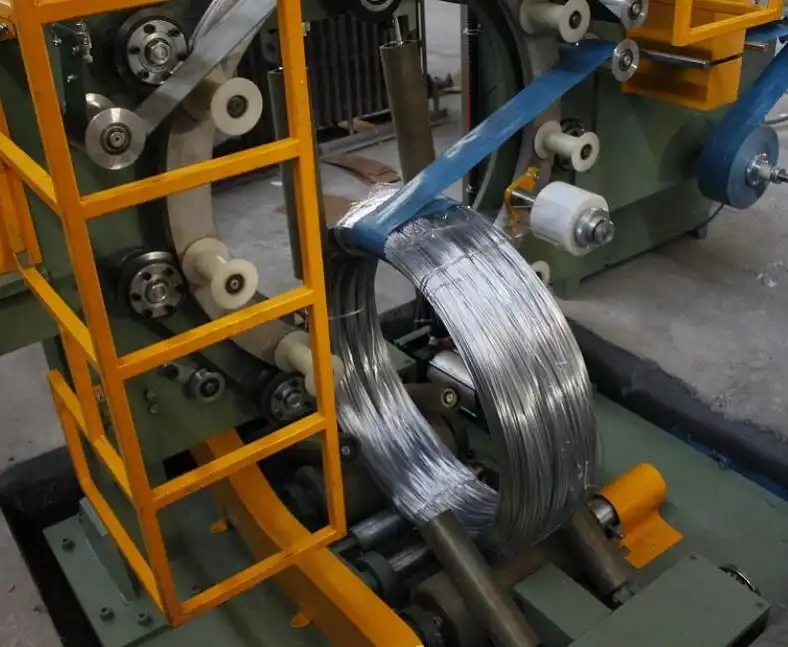
To optimize steel wire rewinding machine performance, focus on speed, precision, and maintenance. Implement automated systems, use high-quality materials, and ensure regular maintenance. Proper operator training and optimized wire tension control are crucial. These adjustments will significantly enhance efficiency and minimize downtime.
To maintain competitiveness in today’s market, it’s crucial to improve efficiency. Let’s delve into specific strategies to fine-tune your rewinding process and achieve optimal results in your distribution center.
Optimizing Rewinding Speed and Precision
To maximize efficiency, it’s essential to focus on rewinding speed and precision. By improving these aspects, distribution centers can process more materials in less time, leading to significant gains in productivity.
To optimize rewinding speed and precision, use advanced control systems to manage wire tension and speed. Implement sensors for real-time adjustments and ensure the machine is calibrated regularly. Automating the process and using high-quality materials can also improve the efficiency improvements..
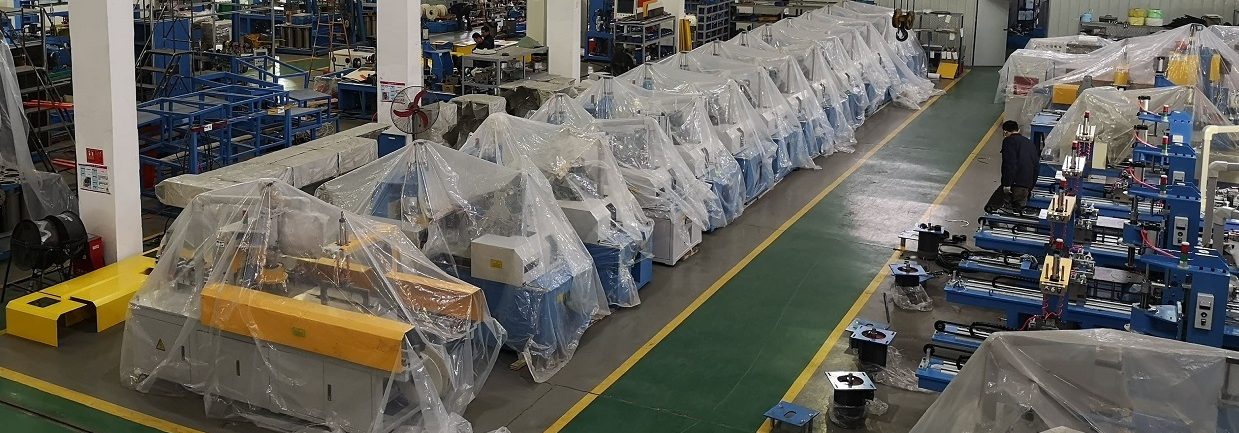
Let’s explore how to critically analyze speed vs precision:
Balancing Speed and Precision: A Critical Analysis
Achieving optimal performance from a steel wire rewinding machine involves a delicate balance between speed and precision. Rushing the rewinding process can lead to errors, while prioritizing precision at the expense of speed can reduce overall throughput. Distribution centers must carefully evaluate their operational needs and fine-tune their approach accordingly.
Understanding the Trade-offs
The first step in optimizing rewinding performance is to understand the trade-offs between speed and precision. Increasing speed often requires sacrificing some level of precision, and vice versa. For example, increasing the rewinding speed may result in uneven winding or increased wire breakage, which can lead to costly downtime and material waste. On the other hand, slowing down the rewinding process to achieve higher precision can reduce the overall throughput of the distribution center.
Data-Driven Decision Making
To make informed decisions about speed and precision, distribution centers should rely on data-driven analysis. This involves collecting and analyzing data on various aspects of the rewinding process, such as rewinding speed, wire tension, error rates, and downtime. By analyzing this data, distribution centers can identify bottlenecks and areas for improvement.
Fine-Tuning the Process
Once the data has been collected and analyzed, distribution centers can begin fine-tuning the rewinding process to achieve the optimal balance between speed and precision. This may involve adjusting machine parameters, such as wire tension, speed settings, and lubrication systems. It may also involve implementing new technologies, such as automated tension control systems and real-time monitoring systems.
Here’s a structured table highlighting optimal strategies for balancing speed and precision:
| Parameter | Detail | Action |
|---|---|---|
| Wire Tension | Optimal Setting | Match tension to wire type and diameter to prevent breaks or deformation. |
| Dynamic Adjustment | Use real-time feedback from sensors to adjust tension based on wire characteristics. | |
| Speed Settings | Material-Specific Speeds | Adjust speed based on wire material hardness and thickness. |
| Ramp-Up/Down | Use gradual acceleration and deceleration to prevent sudden jolts. | |
| Monitoring Systems | Real-Time Monitoring | Implement sensors to monitor tension, speed, and error rates. |
| Lubrication | Lubricant Selection | Choose lubricant compatible with wire material to minimize friction. |
| Automation | Automated Control Systems | Implement systems to automatically adjust tension and speed based on real-time feedback. |
| Operator Training | Comprehensive Training | Ensure operators understand the importance of both speed and precision. |
| Regular Calibration | Scheduled Calibration | Calibrate tension control systems regularly to maintain accuracy. |
| Software Integration | AI-Driven Analytics | Integrate software to analyze production data and optimize schedules. |
| Safety Measures | Emergency Stop Mechanisms | Install systems that can halt the machine immediately in critical situations. |
| Maintenance | Regular Maintenance Checks | Perform routine inspections to prevent wear and tear. |
| Zoned Lighting | Allows Task-Specific Lighting | Allows individual control of different lighting zones within the work area, providing customized lighting levels for specific tasks. |
| Quality Components | High-Quality Replacement Parts | Use high-quality replacement parts that are designed to withstand the demands of continuous operation. |
By carefully considering these parameters, distribution centers can optimize their rewinding processes to achieve the optimal balance between speed and precision. This can lead to significant improvements in efficiency, productivity, and profitability.
Implementing Advanced Control Systems
Improving rewinding machine efficiency improvements requires the implementation of advanced control systems. These systems provide precise control over various machine parameters, ensuring optimal performance and minimizing downtime.
To enhance rewinding operations, integrate automated systems. These systems optimize speed, tension, and lubrication in real-time, minimizing errors and downtime. Predictive maintenance tools further improve performance by identifying potential issues. Proper operator training is essential to maximize the benefits of these advanced systems.
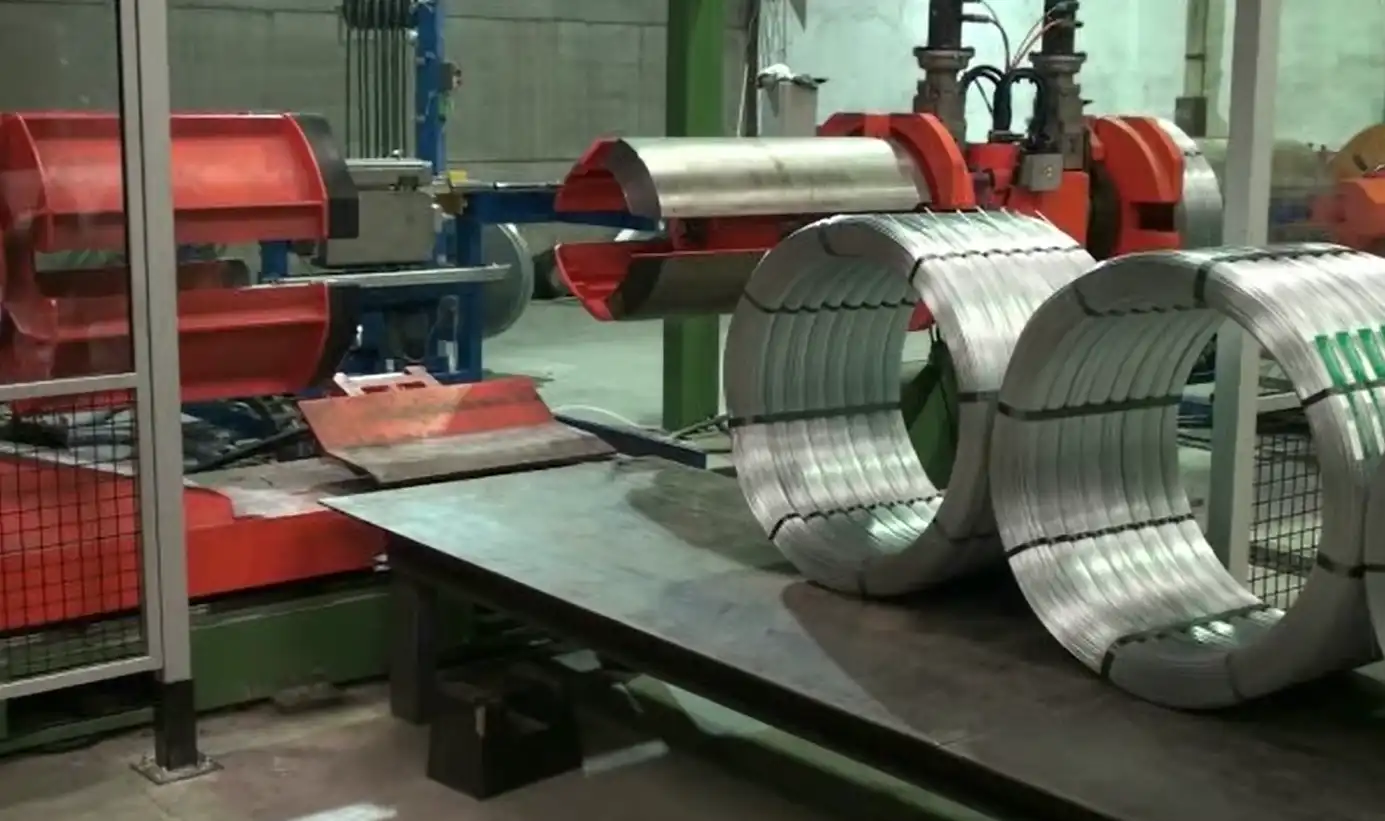
-Let’s explore Automation for Optimized Wire Tension Control:
Harnessing Automation for Optimized Wire Tension Control
Wire tension control is critical in ensuring the quality and efficiency of the rewinding process. Automated systems can monitor and adjust wire tension in real-time, preventing issues such as wire breakage, uneven winding, and material waste. These systems use sensors and actuators to maintain consistent tension, regardless of changes in rewinding speed or wire diameter.
Types of Automation Systems
Several types of automation systems can be used for wire tension control, including:
-
Closed-Loop Feedback Systems: These systems use sensors to measure wire tension and adjust the machine parameters accordingly.
-
Adaptive Control Systems: These systems use algorithms to learn and adapt to changing conditions, such as variations in wire material or environmental factors.
-
Predictive Control Systems: These systems use data analytics to predict potential issues and proactively adjust the machine parameters to prevent them.
Benefits of Automation
The benefits of using automation for wire tension control include:
-
Improved Wire Quality: Automation ensures consistent wire tension, reducing the risk of wire breakage and uneven winding.
-
Reduced Material Waste: Automation minimizes the amount of material wasted due to errors or inconsistencies in the rewinding process.
-
Increased Efficiency: Automation allows for faster rewinding speeds without sacrificing wire quality, leading to increased throughput.
The Role of Sensors and Actuators
Sensors and actuators are critical components of automated wire tension control systems. Sensors measure wire tension and provide feedback to the control system, while actuators adjust machine parameters, such as motor speed or brake pressure, to maintain consistent tension.
The Importance of Regular Calibration
Regular calibration is essential to ensure the accuracy and reliability of automated wire tension control systems. Calibration involves comparing the sensor readings to a known standard and adjusting the system accordingly.
Integration with Existing Systems
Automation offers a comprehensive approach to optimizing wire tension control in steel wire rewinding operations. A meticulous approach to adjusting machine parameters ensures that the machine operates within the optimal range for each material, maximizing its performance.
Consider the following aspects for automation:
-
Consistent Tension: Enhances wire quality
-
Reduced Material Waste: Minimizes inconsistencies
-
Increased Efficiency: Boosts throughput
-
Precise Control: Enables real-time adjustments
-
Sensor Accuracy: Facilitates feedback to the control system
-
Reliable Systems: Guarantees the accuracy of machine settings Automation offers a comprehensive approach to optimizing wire tension control in steel wire rewinding operations. A meticulous approach to adjusting machine parameters ensures that the machine operates within the optimal range for each material, maximizing its performance.
Ensuring Regular Maintenance and Component Quality
Implementing a robust maintenance program and using high-quality components are crucial for sustaining the performance of steel wire rewinding machines. Regular maintenance prevents breakdowns, while quality components extend the lifespan of the machinery.
To ensure the longevity and efficiency of your steel wire rewinding machine, implement a regular maintenance schedule. Inspect wear parts, lubricate moving components, and promptly address issues. Use high-quality replacement parts and ensure proper training for maintenance personnel. Proactive maintenance minimizes downtime.

wire-winding-1
-Let’s explore Preventive Maintenance Strategies:
Preventive Maintenance Strategies for Prolonged Lifespan
Preventive maintenance is a proactive approach that involves performing regular inspections, maintenance tasks, and component replacements to prevent breakdowns and extend the lifespan of the steel wire rewinding machine. This strategy is crucial for maintaining peak performance and minimizing downtime in high-speed distribution centers.
Implementing a Maintenance Schedule
A well-defined maintenance schedule is essential for implementing preventive maintenance. The schedule should include regular inspections of critical components, such as motors, bearings, belts, and wiring. It should also include regular lubrication, cleaning, and adjustment of machine parameters.
Training Maintenance Personnel
Proper training of maintenance personnel is essential for ensuring that maintenance tasks are performed correctly and safely. Training should cover topics such as machine operation, maintenance procedures, troubleshooting, and safety protocols.
The Role of Lubrication
Proper lubrication is critical for minimizing friction and wear on moving components. The lubrication schedule should specify the type of lubricant to use, the frequency of lubrication, and the lubrication points.
Monitoring Machine Performance
Monitoring machine performance can provide valuable insights into the machine’s health and identify potential problems before they lead to breakdowns. This can be done through visual inspections, sensor readings, and data analysis.
Component Quality and Selection
Using high-quality components is essential for ensuring the reliability and longevity of the steel wire rewinding machine. When selecting components, consider factors such as material quality, durability, and compatibility with the machine.
Here’s a structured table illustrating the key components of a proactive maintenance strategy:
| Maintenance Area | Component | Action | Frequency |
|---|---|---|---|
| Wear Parts | Rollers, Guides, Dies | Inspect for wear, replace as needed | Weekly/Monthly |
| Lubrication | Moving Components | Lubricate regularly | Daily/Weekly |
| Electrical System | Wiring, Connectors | Inspect for wear, corrosion | Monthly |
| Pneumatic System | Air Lines, Valves | Check for leaks, damage | Monthly |
| Hydraulic System | Lines, Pumps | Inspect for leaks, fluid level | Monthly |
| Belt | Belts | Monitor | Monthly |
Implementing these strategies will significantly prolong the lifespan of the machines.
Safety Protocols and Training
Safety is paramount when operating steel wire rewinding machines. A safe working environment protects employees and ensures smooth operations.
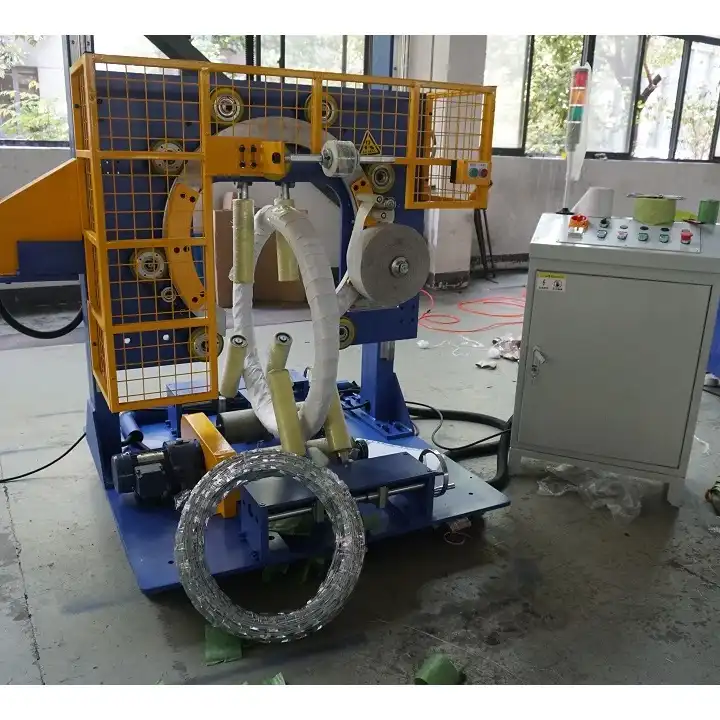
Comprehensive Training: Equipping operators with the knowledge and skills to safely operate the machine. Machine Guarding: Installing physical barriers to prevent contact with moving parts. Emergency Stop Mechanisms: Providing easily accessible emergency stops to halt the machine in critical situations. Regular Safety Audits: Conducting routine checks to ensure all safety measures are functioning correctly. Adherence to Protocols: Following established safety procedures meticulously to minimize risks. By understanding various steel types, manufacturers carefully adjust machine parameters. They implement proactive maintenance and rigorous safety measures. This helps manufacturers achieve substantial gains in efficiency, quality, and overall operational effectiveness.
Conclusion
Optimizing steel wire rewinding machine performance is a multi-faceted endeavor. Prioritizing efficient processes ensures a streamlined process. It reduces downtime and maximizes the lifespan of machinery. Efficiency improvements will lead to quality, and improve operation effectiveness.








