
How to Automate Your Wire Factory: From Production to Packing
Want to transform your wire factory into a paragon of efficiency? Automation, from production to packing, is the key. Streamlining operations not only boosts output but also reduces costs and enhances product quality. Let’s explore how to achieve this transformation.
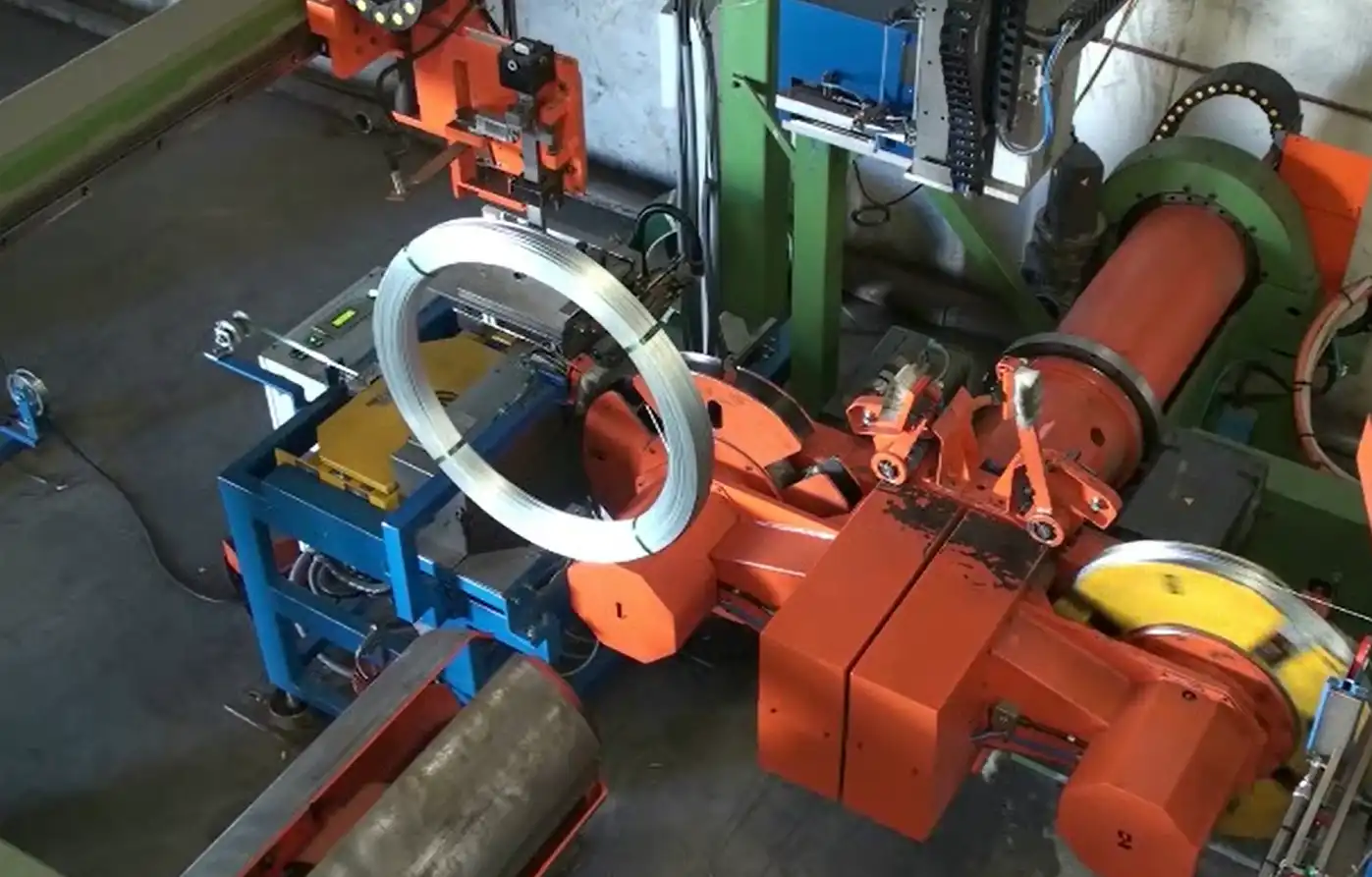
To automate your wire factory, integrate automatic bar loading systems, coil handling systems, and optimization storage. Implement material handling roller conveyors and robotic picking and packing. Automatic tying and tagging, along with storage systems, further streamline the process, reducing manual labor and boosting efficiency from production to packing.
Transitioning to an automated system may seem daunting, but the long-term benefits are undeniable. Let’s delve into the specific areas where automation can make a significant impact and how you can implement these changes effectively.
1. Automating Material Handling and Logistics
Automated material handling revolutionizes how materials move within your wire factory, significantly cutting down on manual labor and improving overall efficiency.
Automated material handling systems use technologies such as automatic bar loading systems, coil handling systems, and optimized storage solutions to minimize manual intervention. This leads to faster material movement, reduced labor costs, and improved safety within the factory.
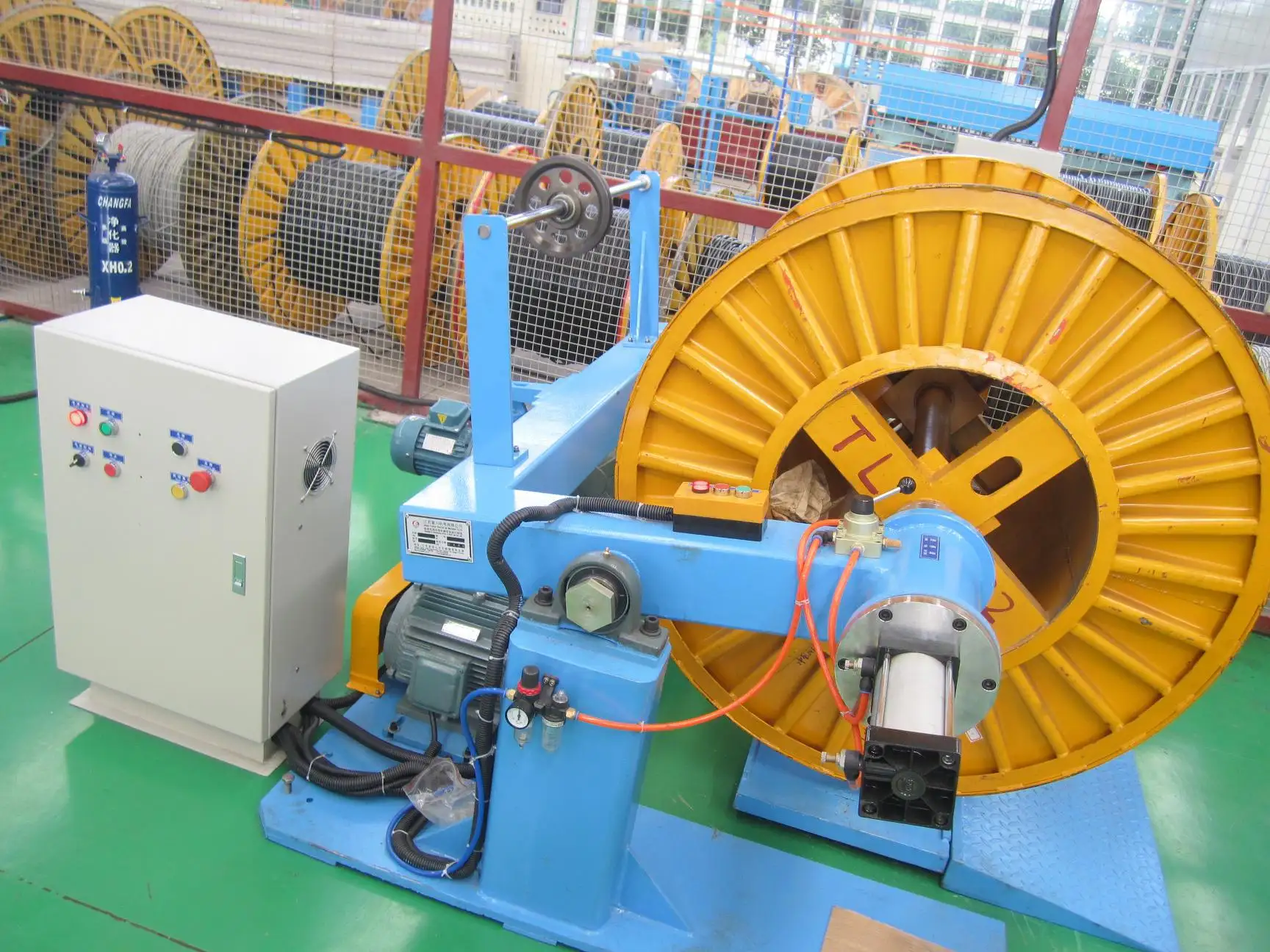
Enhancing Efficiency with Advanced Material Handling Systems
Implementing advanced material handling systems tailored to a wire factory environment involves a strategic approach that considers various factors, including the type of materials handled, the layout of the factory, and the desired level of automation.
Automatic Bar Loading Systems
Automatic bar loading systems ensure a continuous supply of raw materials to the production line. These systems can automatically pick and count bars, ensuring maximum speed and accuracy.
Coil Handling Systems
Coil handling systems use specialized clamps to safely and quickly handle coils, reducing the risk of damage and speeding up the loading process.
Optimization Storage Systems
Optimization storage systems, such as roller and pocket storage, efficiently manage and store materials, reducing space requirements and improving accessibility.
Material Handling Conveyors and Trolleys
Material handling conveyors and trolleys automate the movement of materials between different stages of production, reducing manual labor and improving flow.
To further illustrate the benefits, consider the following comparison of different material handling systems:
| System Type | Automation Level | Key Benefits | Typical Application |
|---|---|---|---|
| Automatic Bar Loading Systems | High | Continuous material supply, maximum speed, counting accuracy | Initial stage of wire production |
| Coil Handling Systems | Medium | Safe and fast coil handling, reduced risk of damage | Loading and unloading coils |
| Optimization Storage Systems | Medium to High | Efficient material management, reduced space requirements, improved accessibility | Intermediate storage and buffer zones |
| Material Handling Conveyors/Trolleys | Medium | Automated material movement, reduced manual labor, improved material flow | Transporting materials between different production stages |
The table above highlights the differences in automation levels, benefits, and applications of different material handling systems, helping you make informed decisions based on your factory’s specific needs.
2. Streamlining Production with Automated Machinery
Automating the core production processes is crucial for enhancing the speed, accuracy, and consistency of wire manufacturing.
Automated machinery such as wire drawing machines, bending machines, and welding robots reduce the need for manual labor and ensure high-quality output. Integrating these systems leads to increased production capacity and reduced error rates.

Diving into Technical Details of Automated Production Machinery
To truly harness the power of automation in a wire factory, understanding the technical details of each machine is essential. This knowledge enables informed decisions regarding integration, maintenance, and optimization, thereby maximizing efficiency and output.
Wire Drawing Machines
Wire drawing machines are pivotal in reducing the diameter of wires, shaping them to meet specific requirements. Modern automated systems come equipped with advanced sensors and control mechanisms.
Bending Machines
Automated bending machines play a crucial role in shaping wires into various forms and angles. These machines feature CNC (Computer Numerical Control) systems that allow for precise bending operations based on pre-programmed parameters.
Welding Robots
In scenarios where wire components need to be joined, welding robots offer exceptional precision and speed. These robots are equipped with sophisticated vision systems.
Here’s a comparison table illustrating the technical specifications and advantages of different automated production machinery:
| Machine Type | Key Technical Features | Advantages | Suitable Applications |
|---|---|---|---|
| Wire Drawing Machine | Automatic diameter adjustment, tension control, real-time monitoring | Consistent wire diameter, reduced material waste, improved wire quality | Mass production of standardized wire diameters |
| Bending Machine | CNC programming, multi-axis control, quick tool change | High precision bending, complex shapes, reduced setup time | Manufacturing of wire components with complex geometries, such as brackets and connectors |
| Welding Robots | Vision systems, multi-axis articulation, adaptive welding parameters | High-speed welding, consistent weld quality, ability to handle intricate welding tasks with minimal error | Joining wire components in automotive, aerospace, and electronics industries |
3. Optimizing Packing with Robotic Systems
Automating the packing process ensures that finished wire products are efficiently and securely packaged for storage and shipping.
Robotic systems for picking, packing, and palletizing minimize manual handling, reducing the risk of damage and speeding up the packing process. These systems can handle various packaging materials and configurations, ensuring flexibility and efficiency.
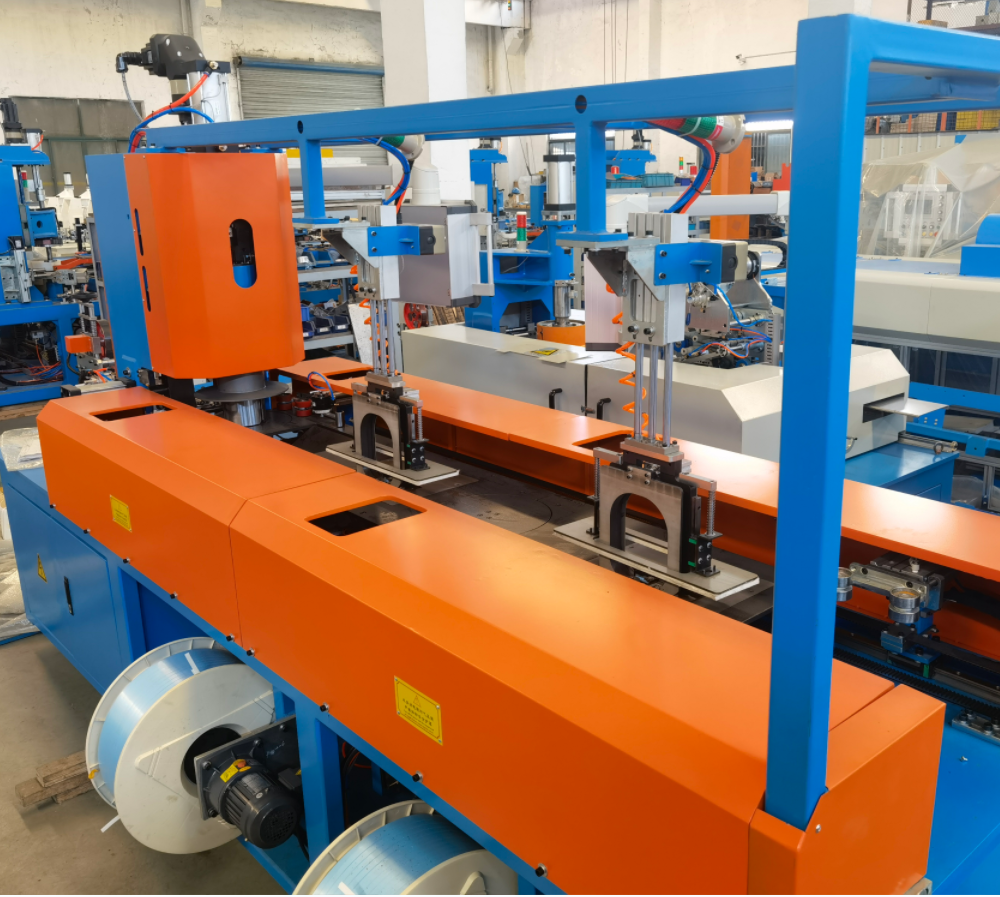
Exploring the Capabilities of Robotic Packing Systems
Anthropomorphic Robots
Anthropomorphic robots mimic human movements, making them ideal for picking and packing tasks. Their flexibility and adaptability allow them to handle a wide range of product sizes and shapes.
Automatic Tying and Tagging Systems
Automatic tying and tagging systems streamline the process of securing and labeling wire bundles. These systems can automatically tie bundles with straps or tape and attach tags with relevant product information.
Automatic Storage Systems
Automatic storage systems optimize the storage of finished products, reducing space requirements and improving accessibility. These systems use automated cranes and conveyors to store and retrieve products as needed.
The following table provides a comparison of different automated packing systems:
| System Type | Key Features | Benefits | Suitable Applications |
|---|---|---|---|
| Anthropomorphic Robots | Flexible movements, adaptable grippers | Versatile handling of different products, reduced manual labor | Packing and palletizing various wire products |
| Automatic Tying/Tagging Systems | Automated tying and tagging, customizable labels | Efficient product identification, streamlined inventory management | Securing and labeling wire bundles |
| Automatic Storage Systems | Automated storage and retrieval, optimized space utilization | Reduced storage space, improved accessibility, faster order fulfillment | Storing finished products for distribution |
4. Implementing an Automatic Wire Packing Line
Inserting image with alt text: Implementing an Automatic Wire Packing Line
An automatic wire packing line integrates various machines and processes to fully automate wire coil packaging, providing efficiency and consistency.
An automatic wire packing line streamlines coil packaging by combining wrapping, strapping, weighing, and stacking functions. PLC-controlled systems ensure easy operation and stable performance, significantly improving work efficiency and reducing labor costs.
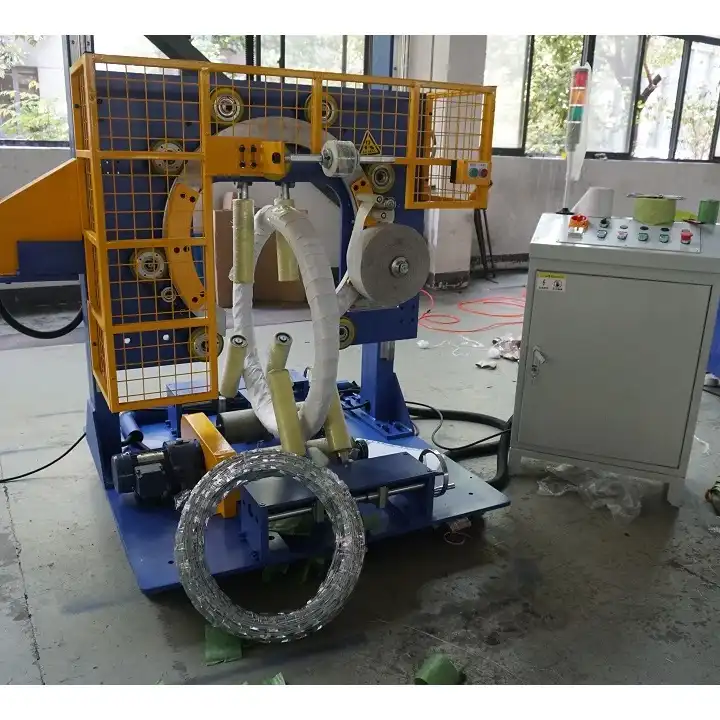
For wire factories to maximize efficiency, an automatic packing line should be designed to meet specific operational needs. Key factors include the types of wire coils produced, the production volume, and the available floor space. By integrating various machines like wrapping machines, strapping machines, and stacking systems, the packing process can be fully automated.
By embracing automation across material handling, production, and packing, wire factories can achieve significant gains in productivity, efficiency, and safety. The transition may require an initial investment, but the long-term benefits are undeniable, positioning your factory for success in a competitive market.








