
What Are the Key Considerations for Steel Wire Rewinding Machine Installation in Confined Spaces?
Installing a steel wire rewinding machine in a confined space presents unique challenges. Careful planning and adherence to safety protocols are crucial for a successful and safe installation. Overlooking key considerations can lead to delays, increased costs, and, most importantly, hazardous working conditions.
What are the key considerations for installing a steel wire rewinding machine in a confined space? Safety is paramount, requiring adherence to OSHA standards. Space constraints dictate pre-assembly strategies and specialized equipment. Ventilation and air quality management are essential. Thorough risk assessments and emergency planning are also critical, alongside meticulous planning and skilled personnel.
Confined spaces amplify the complexity of any task. To safely and effectively install a steel wire rewinding machine, we must consider safety regulations to the most granular details. This article will explore the key factors, providing a comprehensive guide to navigating these challenges.
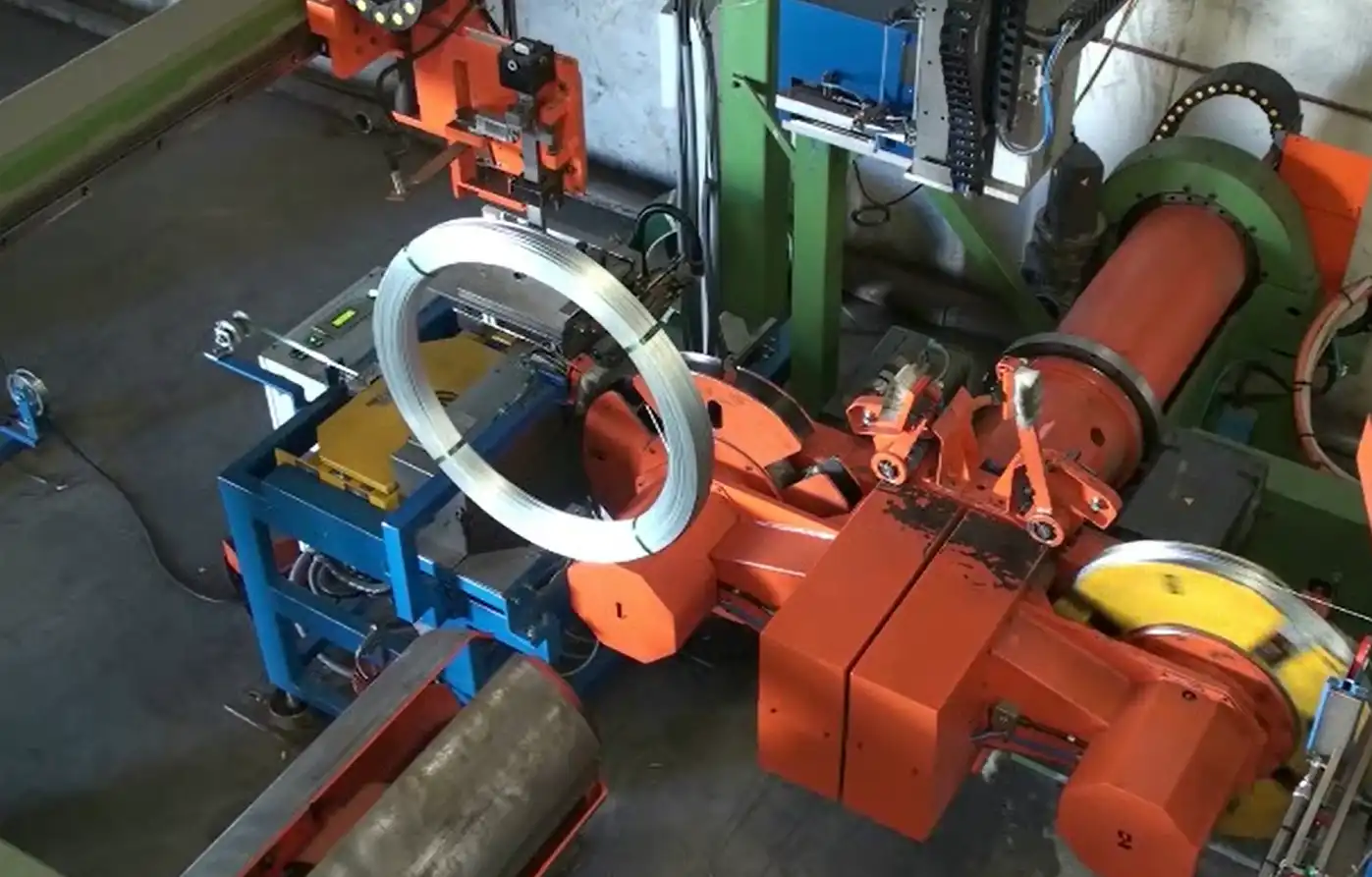
1. Prioritizing Safety in Confined Space Installations
Installing machinery in tight quarters demands an unwavering commitment to safety, exceeding standard protocols. Confined spaces introduce hazards that require specific training, equipment, and procedures to mitigate. A proactive approach to safety is not just a regulatory requirement, it’s a moral imperative.
What are the essential safety precautions for Steel wire rewinding machine installation in confined spaces? Comprehensive hazard assessment is critical. Proper ventilation and air monitoring systems are mandatory. Workers need specialized confined space entry training. Use of appropriate personal protective equipment (PPE) is crucial, as are readily available emergency rescue plans.
Confined Space Entry Procedures
OSHA defines a confined space as having limited or restricted means for entry or exit and is large enough for an employee to enter and perform assigned work, and is not designed for continuous occupancy. Here’s a table outlining critical steps for safe entry:
| Procedure | Description |
|---|---|
| Hazard Assessment | Identify potential hazards: atmospheric (oxygen deficiency, toxic gases), physical (engulfment, entanglement), and any other dangers. |
| Atmospheric Monitoring | Test the atmosphere for oxygen levels, flammable gases, and toxic substances before and during entry. |
| Ventilation | Provide continuous ventilation to ensure safe air quality. |
| Permit System | Implement a permit-required confined space program, detailing entry conditions, authorized entrants, attendants, and supervisors. |
| Attendant | Assign an attendant outside the space to monitor entrants, communicate with them, and initiate rescue if needed. |
| Rescue Plan | Develop and practice a rescue plan, ensuring readily available equipment and trained personnel. |
The Role of Ventilation and Air Quality Monitoring
Maintaining breathable air is essential. A lack of oxygen or the presence of toxic fumes can quickly lead to incapacitation or death.
- Ventilation Systems: Use forced-air ventilation to continuously circulate fresh air into the confined space.
- Air Monitoring Equipment: Deploy calibrated multi-gas meters to monitor oxygen levels, combustible gases, hydrogen sulfide, and carbon monoxide. Alarms should be set to trigger at unsafe levels.
- Respiratory Protection: Provide appropriate respirators (air-purifying or supplied-air) based on the identified atmospheric hazards. Train workers on proper respirator use and maintenance.
Personal Protective Equipment (PPE)
The right PPE is the last line of defense against potential hazards.
- Harnesses and Lifelines: Required for retrieval in case of emergency. Ensure proper fit and attachment points.
- Head Protection: Hard hats are essential to protect against falling objects or low clearances.
- Eye Protection: Safety glasses or goggles should be worn to guard against dust, debris, or chemical splashes.
- Hearing Protection: Use earplugs or earmuffs if noise levels exceed permissible limits.
- Gloves: Select appropriate gloves based on the materials being handled to protect against cuts, abrasions, or chemical exposure.
- Flame-Resistant Clothing: Required if there’s a potential for fire or explosion.
Emergency Planning and Rescue Procedures
A well-defined and practiced rescue plan is critical in case of an emergency.
- Trained Rescue Team: Ensure a trained and equipped rescue team is available on-site or readily accessible.
- Communication Systems: Establish reliable communication between entrants and the attendant outside the confined space.
- Retrieval Systems: Use retrieval systems (harnesses and lifelines) to quickly extract incapacitated workers.
- First Aid and Medical Support: Provide readily available first aid equipment and ensure access to medical support.
By prioritizing safety, we can transform inherently dangerous confined space Steel wire rewinding machine installation into a manageable and secure operation, protecting the well-being of our workforce.
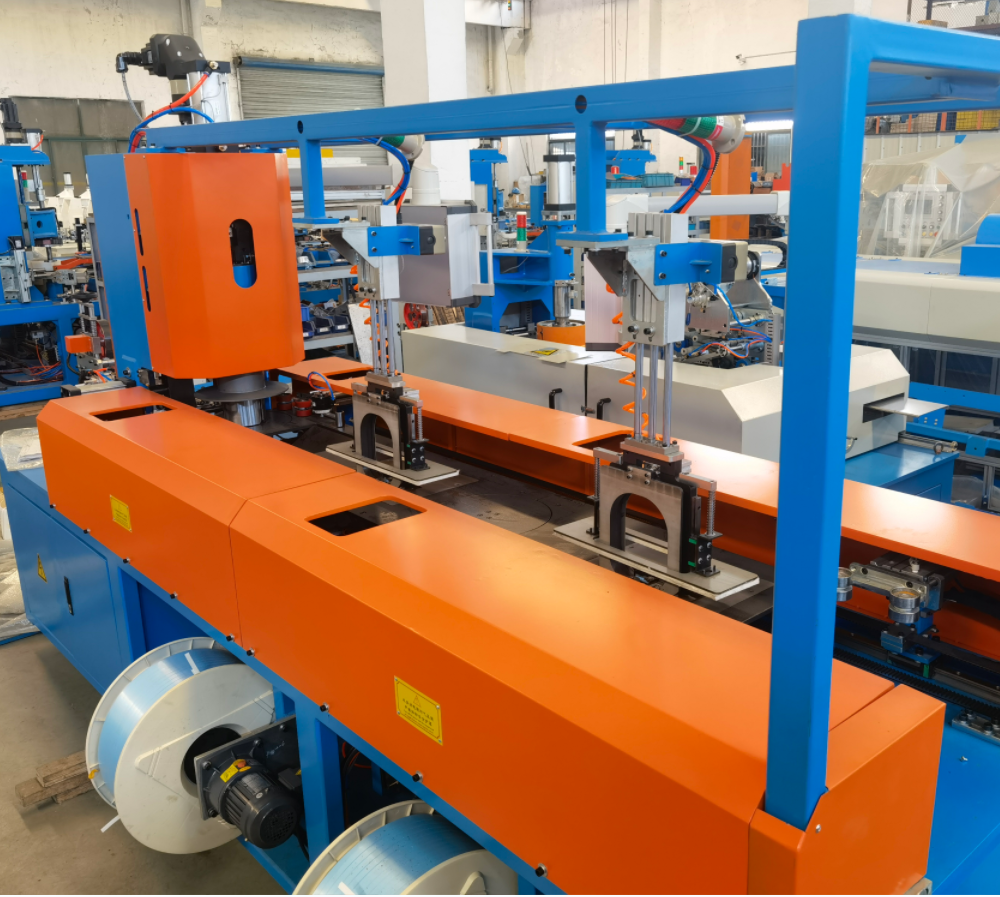
2. Navigating Space Constraints and Equipment Selection
Limited space significantly impacts the planning and execution of the installation. Every aspect, from equipment selection to movement strategies, requires careful consideration. Overlooking space constraints can lead to costly delays, logistical nightmares, and potential safety hazards.
How do space limitations affect the installation of a setup guidelines in a confined environment? It necessitates the use of compact machinery, modular design for easy assembly, and pre-assembly of components where possible. Strategic planning of equipment movement, including specialized lifting and maneuvering tools, is essential.
Compact Machinery and Modular Design
Choosing the right equipment can drastically reduce the challenges posed by confined spaces.
- Compact Rewinding Machines: Opt for machines designed with a smaller footprint without compromising performance.
- Modular Components: Select machines with modular components that can be easily disassembled and reassembled inside the confined space.
- Lightweight Materials: Prioritize equipment made with lightweight materials to ease handling and reduce strain on workers.
| Feature | Benefit |
|---|---|
| Compact Design | Easier maneuverability and placement within tight spaces. |
| Modular Assembly | Allows for breakdown and reassembly, fitting through narrow access points. |
| Lightweight | Reduces strain on workers during manual handling. |
Pre-Assembly Strategies
Maximize efficiency by pre-assembling as much of the machine as possible before bringing it into the confined space.
- Off-Site Assembly: Assemble sub-components or entire sections of the machine in a more spacious location.
- Strategic Sequencing: Plan the assembly sequence to minimize the need for extensive maneuvering within the confined space.
- Clear Labeling: Clearly label all parts and components to streamline the reassembly process.
Specialized Lifting and Maneuvering Equipment
Traditional lifting equipment may not be suitable in confined spaces. Specialized tools are often necessary.
- Electric Chain Hoists: Compact and powerful, ideal for vertical lifting in tight spaces.
- Gantry Cranes: Portable gantry cranes can provide lifting support where overhead structures are limited.
- Skates and Rollers: Use heavy-duty skates or rollers to move components horizontally across confined floors.
- Tirfors (Manual Winches): Provide controlled pulling force for positioning heavy components.
- Rigging Equipment: Slings, shackles, and other rigging hardware must be appropriately sized and rated for the loads being lifted.
By carefully considering space constraints and selecting the right equipment, we can transform a potentially chaotic Steel wire rewinding machine installation into a streamlined and efficient operation.

3. Adhering to Regulatory Compliance and Best Practices
Confined space entry and machine installation are heavily regulated activities. Adhering to these regulations and following industry best practices is crucial for ensuring worker safety and avoiding legal liabilities. Familiarity with these guidelines ensures a safe, compliant, and ultimately successful installation.
What regulatory standards and best practices govern confined spaces installations? OSHA’s 29 CFR 1910.146 is paramount, covering permit-required confined spaces. ANSI standards provide detailed guidelines for safety procedures and equipment. Industry best practices emphasize continuous training, hazard communication, and rigorous adherence to safety protocols.
OSHA Regulations
OSHA’s 29 CFR 1910.146, “Permit-Required Confined Spaces,” outlines specific requirements for entry, monitoring, and rescue procedures. Understanding and adhering to these regulations is non-negotiable.
ANSI Standards
ANSI (American National Standards Institute) develops voluntary consensus standards that provide detailed guidance on various aspects of confined space safety.
| Standard | Description |
|---|---|
| ANSI Z117.1 | Safety Requirements for Confined Spaces, providing comprehensive safety guidelines. |
| ANSI Z359 series | Fall Protection Code, detailing requirements for personal fall arrest systems. |
| ANSI/ASSE Z490.1 | Criteria for Accepted Practices in Safety, Health, and Environmental Training. |
Industry Best Practices
Beyond regulations and standards, adopting industry best practices further enhances safety and efficiency.
Continuous Training
Regular training keeps workers informed about hazards, procedures, and equipment. Training should cover:
- Confined space entry procedures
- Atmospheric monitoring and ventilation
- Use of PPE
- Emergency rescue procedures
- Hazard communication
Hazard Communication
Clearly communicate potential hazards through signage, labeling, and pre-entry briefings.
- Post warning signs at all entrances to the confined space.
- Label all equipment and materials with appropriate hazard warnings.
- Conduct pre-entry briefings to discuss potential hazards, entry procedures, and emergency plans.
| Aspect | Requirement |
|---|---|
| Signage | Post clear warning signs at all entrances to the confined space. |
| Labeling | Label all equipment and materials with appropriate hazard warnings. |
| Pre-Entry Briefing | Discuss potential hazards, entry procedures, and emergency plans before each entry. |
By adhering to regulatory compliance and adopting industry best practices, we can minimize risks, protect workers, and ensure a successful and legally sound [Collection] installation in confined spaces.
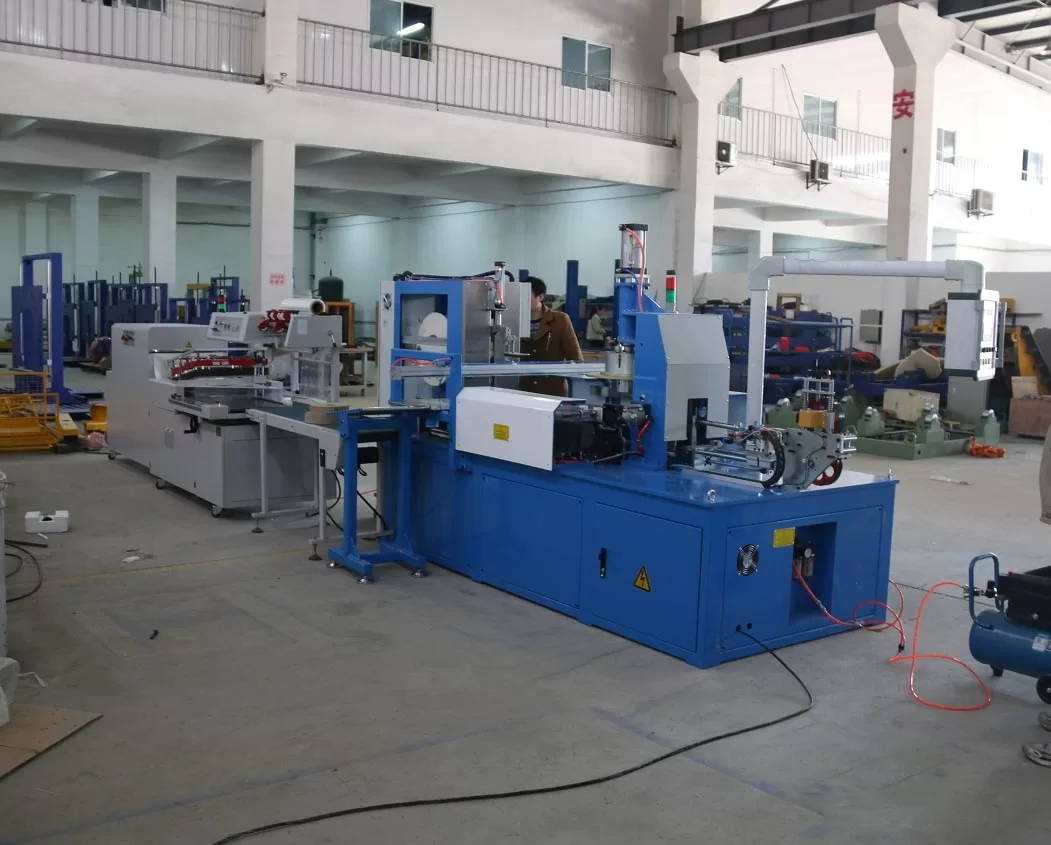
4. The Benefits of Detailed Planning
When it comes to complex projects like installing a Steel wire rewinding machine installation within confined areas, the benefits of detailed planning cannot be overstated. Detailed planning helps in risk mitigation, efficiency enhancement, and compliance assurance, setting the stage for success.

What benefits does meticulous planning offer for machine setup in confined conditions? Meticulous planning streamlines operations, reduces delays, and helps allocate resources efficiently. It identifies risks, facilitating mitigation strategies, ensures safety protocol adherence, and maximizes the likelihood of a successful installation.
Having a plan reduces the chances of mistakes, costly delays, and possible risks by identifying potential hazards and formulating strategies. It also facilitates the deployment of resources effectively, adherence to safety procedures and enhances chances of installation success. Detailed planning is not just helpful, it’s essential.
Conclusion
Installing a steel wire rewinding machine in a confined space demands meticulous planning, strict safety protocols, and adherence to regulatory compliance. By prioritizing safety, navigating space constraints effectively, and following best practices, we can ensure a successful and safe installation. Comprehensive training, risk assessment, and emergency planning are crucial for protecting workers and achieving optimal results.








