
How to Optimize Pipe Bundling Machine Performance for Heavy-Duty Industrial Applications?
Pipe bundling machines are crucial for streamlining material handling in heavy-duty industries. Optimizing their performance can significantly increase productivity and reduce operational costs. This article delves into effective strategies to enhance the efficiency and reliability of these machines for demanding applications.
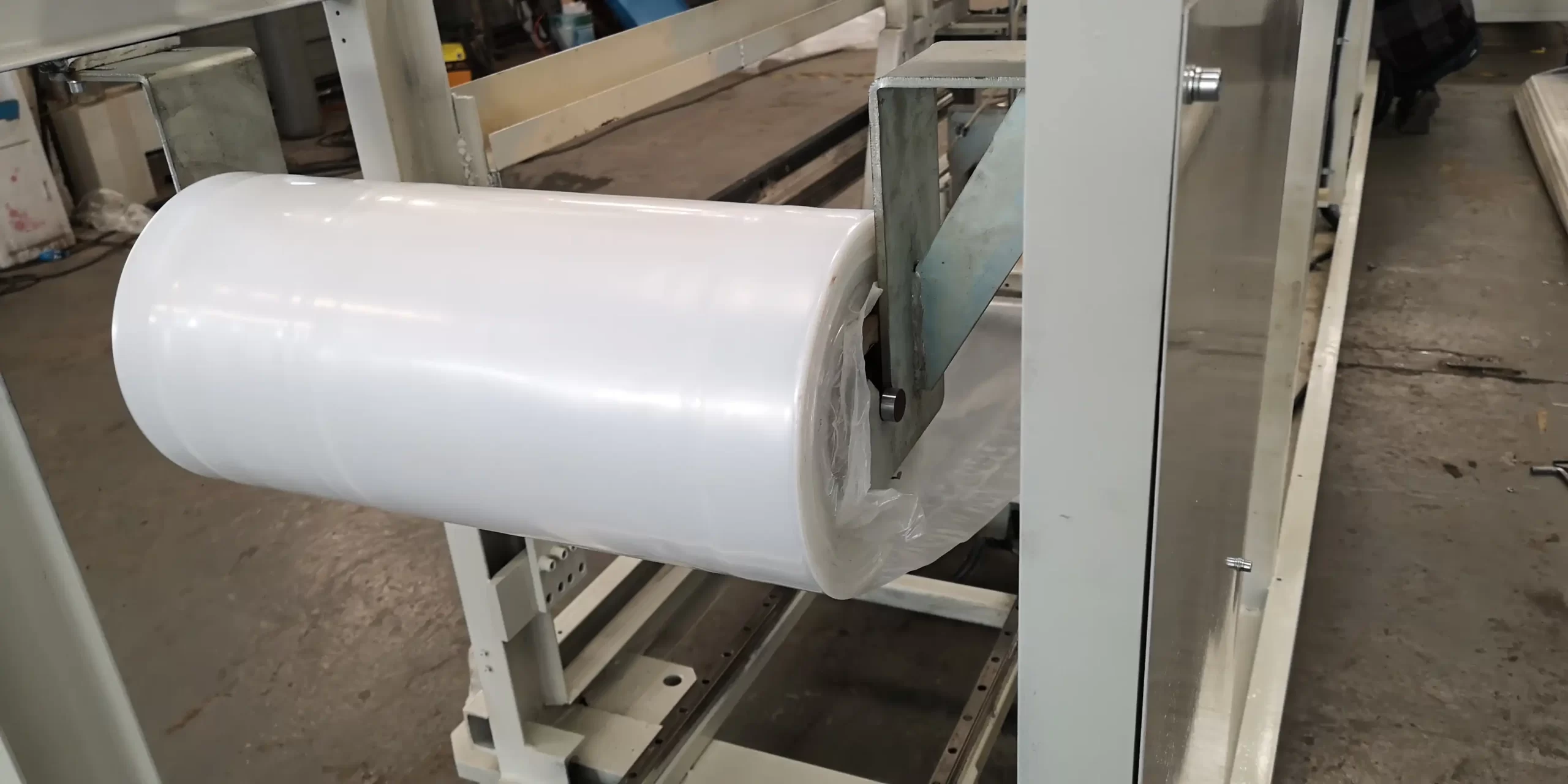
To optimize pipe bundling machine performance, focus on preventive maintenance, use high-quality strapping materials, ensure proper operator training, and integrate automation for enhanced speed and accuracy. Regular inspections and timely replacements of worn parts are also critical for maintaining consistent output and minimizing downtime.
Ready to boost your production line’s efficiency? Dive into the detailed strategies below to maximize your pipe bundling machine’s potential and achieve superior performance in heavy-duty industrial settings.
Optimizing Machine Setup and Configuration
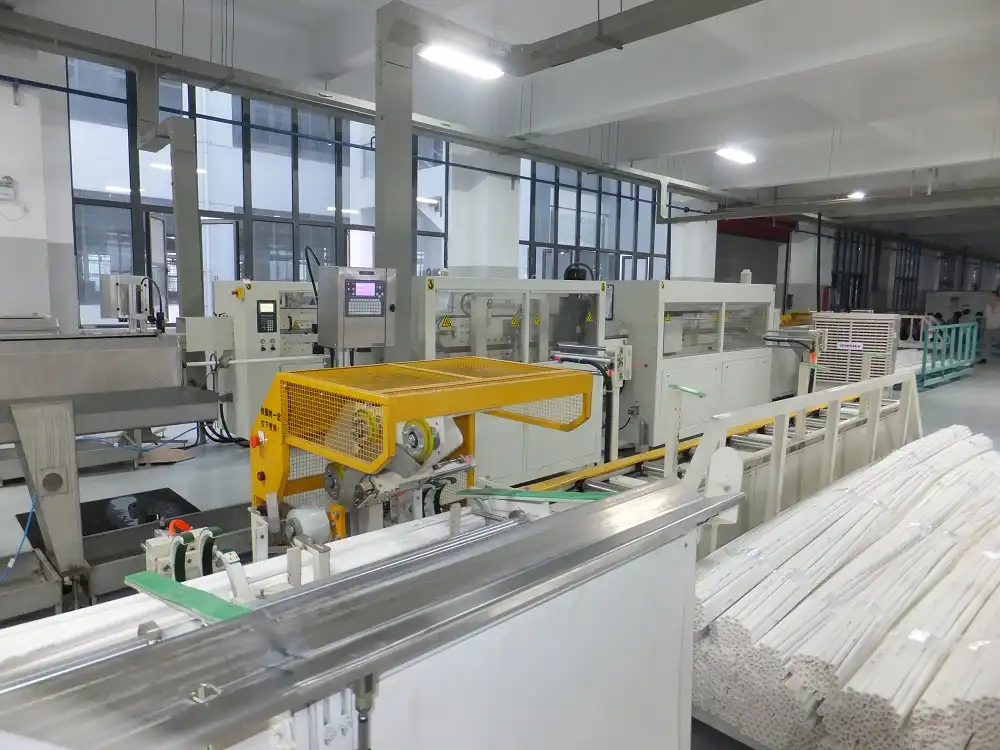
The foundation of efficient pipe packaging efficiency lies in the initial setup and configuration of the bundling machine. A properly configured machine minimizes errors, reduces material waste, and ensures consistent bundling quality.
To achieve optimal setup, meticulously align the machine components, calibrate tension settings, and adjust the bundle size parameters. Proper setup ensures consistent and secure bundles, reducing the risk of damage during handling and transportation, ultimately enhancing productivity and minimizing material waste.
The Impact of Material Quality and Machine Calibration
Selecting high-quality strapping materials is paramount, alongside precise machine calibration. Substandard materials can lead to frequent breakage, causing machine downtime and inconsistent bundle integrity. Calibration ensures that the machine operates within specified parameters, maximizing throughput and minimizing errors.
Strapping Material Selection
The choice of strapping material depends on the specific requirements of the application. Steel strapping offers the highest tensile strength for very heavy loads, while polyester (PET) and polypropylene (PP) straps are suitable for lighter loads. Consider the following factors:
- Tensile Strength: Choose a strap with sufficient strength to withstand the load.
- Elongation: Select a material with minimal elongation to maintain bundle tightness.
- Environmental Resistance: Opt for materials resistant to UV radiation, moisture, and temperature variations.
Calibration Procedures
Regular calibration is essential to maintain machine accuracy and consistency. Follow these steps:
- Tension Adjustment: Use a calibrated tension meter to verify and adjust the strapping tension.
- Sealing Mechanism: Inspect and adjust the sealing mechanism to ensure secure and reliable seals.
- Alignment: Verify the alignment of all machine components to prevent misalignment and jams.
Data-Driven Optimization
Employing a data-driven approach to machine configuration can yield significant improvements. By monitoring key performance indicators (KPIs) and making data-backed adjustments, you can fine-tune the machine for optimal efficiency.
| KPI | Measurement | Actionable Insights |
|---|---|---|
| Bundling Cycle Time | Time taken to complete one bundling cycle | Identify bottlenecks and optimize machine settings. |
| Strap Breakage Rate | Number of strap breakages per 1000 bundles | Evaluate strap quality and adjust tension settings. |
| Bundle Integrity | Percentage of bundles that remain intact | Review sealing mechanism and material compatibility. |
| Downtime | Duration of machine downtime | Schedule preventive maintenance and address recurring issues promptly. |
Critical Thinking
In summary, optimizing machine setup and configuration requires a combination of careful material selection, precise calibration, and data-driven decision-making. By proactively addressing these factors, you can significantly enhance the performance and reliability of your pipe bundling machine.
Implementing a Robust Preventive Maintenance Program
A well-structured preventive maintenance (PM) program is crucial for sustaining Pipe bundling machine performance and minimizing unexpected downtime. Regular maintenance ensures that all components operate within their optimal parameters, prolonging the machine’s lifespan and reducing repair costs.
A robust preventive maintenance program includes scheduled inspections, lubrication, parts replacement, and thorough cleaning. Regularly check for worn or damaged components, replace them promptly, and keep the machine lubricated to reduce friction and wear. This proactive approach minimizes downtime and maximizes machine availability.

Comprehensive Maintenance Checklist
A detailed maintenance checklist provides a structured approach to PM, ensuring that no critical components are overlooked. The checklist should be tailored to the specific model of the pipe bundling machine and the operating environment.
Inspection Points
Regular inspections should cover the following areas:
- Strapping Head: Check for wear and tear on the cutting blades, tension rollers, and sealing mechanism.
- Conveyor System: Inspect belts, rollers, and bearings for signs of wear.
- Electrical Components: Verify the integrity of wiring, sensors, and control panels.
- Pneumatic System: Check air lines, valves, and cylinders for leaks and proper operation.
Lubrication Schedule
Proper lubrication reduces friction and wear, extending the lifespan of moving parts. Adhere to the manufacturer’s recommended lubrication schedule and use the specified lubricants.
| Component | Lubricant Type | Frequency |
|---|---|---|
| Bearings | Lithium-based grease | Monthly |
| Chains | Chain lubricant | Weekly |
| Pneumatic Valves | Pneumatic oil | Quarterly |
| Gears | Gear oil | Bi-annually |
Critical Thinking: Root Cause Analysis
Effective PM also involves conducting root cause analyses of failures. Understanding the underlying reasons for breakdowns allows you to implement corrective actions and prevent recurrence.
- Data Collection: Gather data on failure frequency, affected components, and downtime duration.
- Analysis: Identify patterns and trends to pinpoint common causes of failures.
- Corrective Actions: Implement measures to address the root causes, such as design modifications, improved maintenance procedures, or enhanced operator training.
By focusing on preventative measures and employing a data-driven approach, you can minimize unexpected downtime and ensure the reliable operation of your pipe bundling machine.
Operator Training and Ergonomics
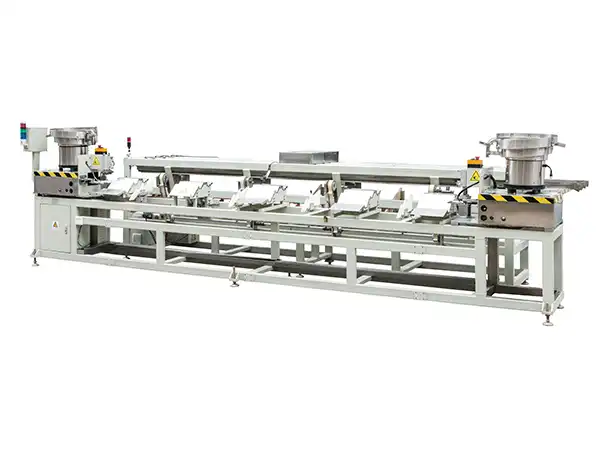
Proper operator training and ergonomic considerations are vital for optimizing heavy-duty applications in pipe bundling machine performance. Well-trained operators can maximize machine efficiency, minimize errors, and ensure safe operation. Ergonomic design reduces operator fatigue, preventing injuries and maintaining productivity.
Comprehensive operator training should cover machine operation, maintenance, and troubleshooting. Ergonomic workstation design minimizes physical strain, promoting operator well-being and sustained productivity. Regular refresher courses and safety drills enhance operator proficiency and ensure adherence to best practices.
Implementing a Comprehensive Training Program
A well-structured training program ensures that operators possess the necessary skills and knowledge to operate the pipe bundling machine safely and efficiently. The training should include both theoretical instruction and hands-on practice.
Training Modules
The training program should cover the following modules:
- Machine Operation: Detailed instruction on starting, operating, and stopping the machine, including setting parameters and adjusting settings.
- Maintenance Procedures: Training on routine maintenance tasks, such as lubrication, cleaning, and basic troubleshooting.
- Safety Protocols: Comprehensive coverage of safety procedures, including emergency shutdown, lockout/tagout procedures, and personal protective equipment (PPE) requirements.
Ergonomic Workstation Design
Ergonomics focuses on designing workstations that minimize physical strain and promote operator comfort. Key considerations include:
- Adjustable Work Surfaces: Provide adjustable work surfaces to accommodate operators of different heights.
- Proper Lighting: Ensure adequate lighting to reduce eye strain and improve visibility.
- Comfortable Seating: Provide comfortable and supportive seating to reduce back and neck strain.
| Ergonomic Factor | Impact | Recommended Solution |
|---|---|---|
| Work Surface Height | Reduces back and neck strain | Adjustable work surfaces |
| Lighting | Reduces eye strain and improves visibility | Task-specific lighting |
| Seating | Reduces back and neck strain and improves comfort | Ergonomic chairs with adjustable lumbar support |
Critical Thinking: Continuous Improvement
Regularly evaluate the effectiveness of the training program and ergonomic improvements. Gather feedback from operators and use their insights to refine training materials and workstation designs.
Effective operator training and ergonomic considerations are essential for optimizing pipe bundling machine performance in heavy-duty industrial applications. By investing in these areas, you can improve operator proficiency, reduce injuries, and maximize productivity.
Leveraging Automation and Technology
Leveraging automation and technology is vital for maximizing the efficiency and reliability of heavy-duty pipe bundling machines. Automation can significantly reduce manual labor, increase throughput, and enhance the precision of bundling operations.
Automation of pipe bundling machines involves integrating sensors, programmable logic controllers (PLCs), and robotic systems to streamline the packaging process. Automated systems can precisely control tension, cut and seal straps, and manage bundle stacking, reducing labor costs and increasing production speed. Regular software updates are also essential for maintaining optimal performance.
Integrating advanced technologies such as machine learning and data analytics can further optimize machine performance and predictive maintenance.
Future outlook
Investing in automated systems can significantly improve operational efficiency and reduce long-term costs.
By implementing these comprehensive strategies, manufacturers can significantly enhance the performance and reliability of their pipe bundling machines, ensuring efficient and cost-effective operations in heavy-duty industrial environments.
Conclusion
Optimizing pipe bundling machine performance in heavy-duty industrial applications requires a multifaceted approach. By focusing on machine setup, preventive maintenance, operator training, and leveraging automation, businesses can achieve significant improvements in efficiency and reliability. Regular monitoring and adjustments, based on data-driven insights, are crucial for sustained success. A commitment to continuous improvement ensures that these machines operate at peak performance, contributing to increased productivity and reduced operational costs.








