
What Are the Key Considerations for Pipe Bundling Machine Installation in Confined Spaces?
Installing a pipe bundling machine in a confined space presents unique challenges. Careful planning is crucial for a safe and efficient setup, ensuring long-term functionality. Space optimization, safety protocols, and accessibility all play significant roles.
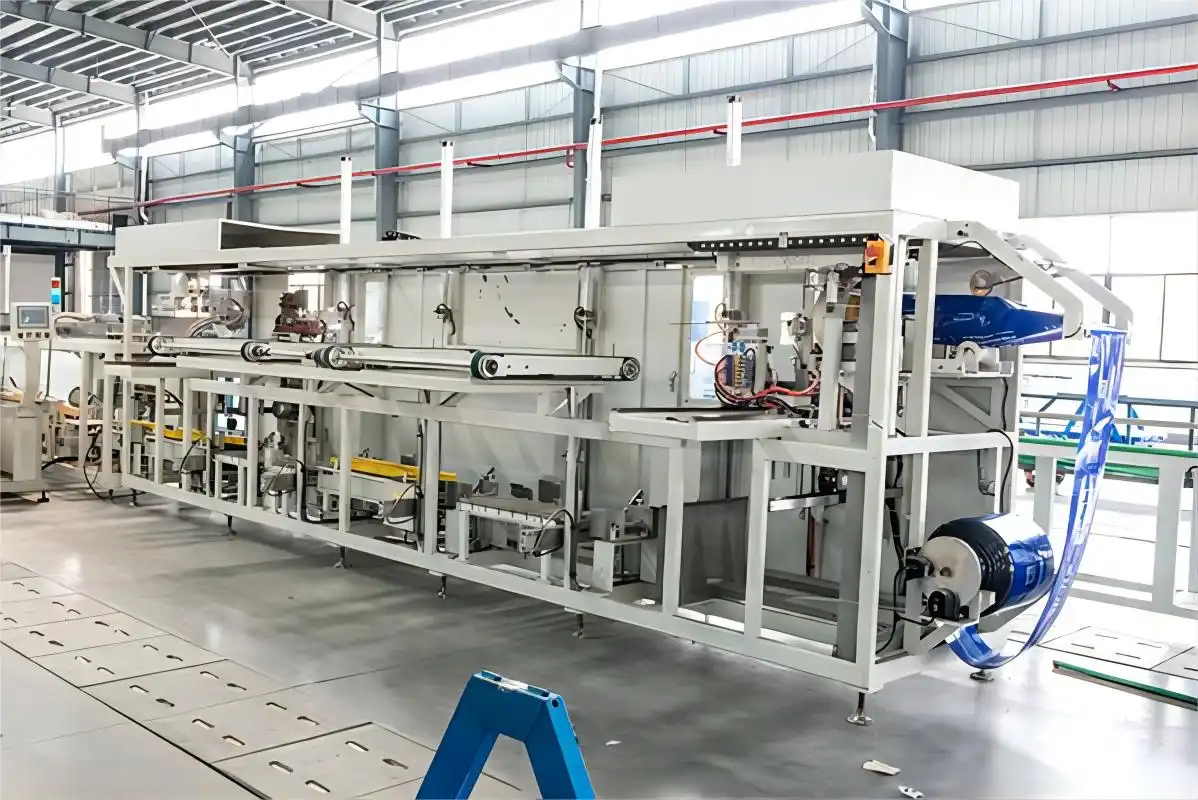
When installing a pipe bundling machine in a confined space, consider machine size, accessibility for maintenance, and worker safety. Proper ventilation, emergency exits, and adherence to safety regulations are essential. Pre-planning and choosing compact equipment are key to successful installation.
Confined space installations require meticulous attention to detail. Ignoring key considerations can lead to operational inefficiencies, safety hazards, and costly rework. Read on to explore crucial aspects of pipe bundling machine installation in tight spaces.
1. Assessing and Optimizing the Available Space
A precise understanding of the available area is paramount for a seamless installation. Detailed measurements and 3D modeling help in identifying potential obstructions and optimizing machine placement.
Before installing a pipe bundling machine, accurately measure the confined space. Consider machine dimensions, required clearances for operation and maintenance, and potential obstructions. Optimize the layout to ensure safe and efficient workflow.
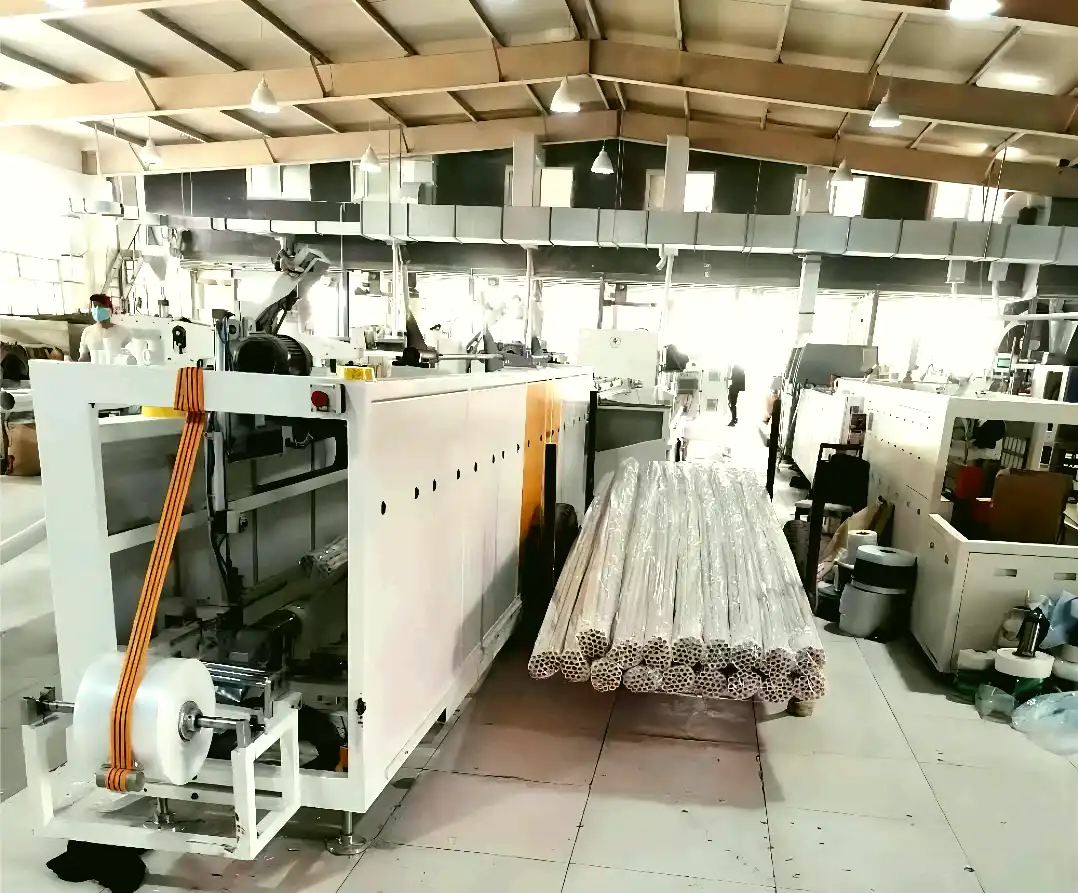
Subtitle: The Devil is in the Details: Overcoming Spatial Constraints
Confined spaces often come with unexpected challenges. Uneven floors, protruding pipes, and low ceilings can all complicate the installation process. A thorough site survey and detailed planning are essential to mitigate these issues. By breaking down the spatial considerations, you can proactively address potential obstacles.
1.1 Detailed Measurement and 3D Modeling
Precise measurements of the confined space are the foundation of a successful installation. Use laser measuring tools or 3D scanners to create accurate representations of the area. 3D modeling software allows you to visualize the machine placement, identify potential clashes, and optimize the layout for efficient operation and maintenance.
1.2 Identifying Potential Obstructions
Confined spaces often contain existing infrastructure that can obstruct the installation process. Identify all potential obstructions, such as pipes, ducts, electrical conduits, and structural supports. Determine if these obstructions can be relocated or if the machine placement needs to be adjusted to avoid them.
1.3 Optimizing Machine Placement
The placement of the pipe bundling machine within the confined space is crucial for efficient operation and maintenance. Consider the following factors when determining the optimal machine placement:
- Workflow: Ensure that the machine is positioned to facilitate a smooth and efficient workflow. Minimize the distance that materials need to be moved and avoid creating bottlenecks.
- Accessibility: Provide adequate space around the machine for operators and maintenance personnel to access all critical components.
- Safety: Ensure that the machine is positioned to minimize the risk of accidents and injuries. Provide clear pathways for personnel to move around the machine and avoid creating tripping hazards.
1.4 Space Optimization Techniques
In very tight situations, innovative space optimization techniques are necessary. These could include:
- Modular Design: Choosing a modular machine design that allows for disassembly and reassembly within the confined space.
- Vertical Orientation: Selecting a machine with a vertical orientation to minimize the floor space required.
- Remote Control: Utilizing a machine with remote control capabilities to allow operators to control the machine from a safe distance.
1.5 Data Driven Space Evaluation
To make informed decisions about space optimization, consider creating a table that compares different layout options based on key metrics.
| Layout Option | Footprint (sq ft) | Accessibility Score (1-10) | Workflow Efficiency (1-10) | Potential Obstructions |
|---|---|---|---|---|
| Option A | 150 | 7 | 8 | Minor |
| Option B | 130 | 6 | 7 | Moderate |
| Option C | 160 | 9 | 9 | None |
By analyzing this data, you can objectively compare the different layout options and select the one that best meets your needs.
2. Prioritizing Safety Measures
Safety must be the top priority. Confined spaces pose unique hazards, necessitating strict adherence to safety protocols and the use of appropriate safety equipment.
Safety is paramount when installing a pipe bundling machine in a confined space. Ensure proper ventilation, use safety equipment, and adhere to safety regulations. Implement lockout/tagout procedures and provide comprehensive training to all personnel.
Subtitle: No Compromises: Implementing Comprehensive Safety Protocols
Neglecting safety in confined spaces can have catastrophic consequences. It’s imperative to implement a comprehensive safety plan that addresses all potential hazards and ensures the well-being of personnel. A proactive approach to safety is crucial.
2.1 Hazard Identification and Risk Assessment
Begin by conducting a thorough hazard identification and risk assessment. Identify all potential hazards associated with the confined space, such as:
- Oxygen Deficiency: Confined spaces may have low oxygen levels, which can lead to asphyxiation.
- Toxic Gases: Confined spaces may contain toxic gases, such as hydrogen sulfide or carbon monoxide.
- Flammable Materials: Confined spaces may contain flammable materials, which can create a fire or explosion hazard.
- Moving Machinery: The pipe bundling machine itself presents a risk of entanglement or crushing injuries.
- Electrical Hazards: Electrical equipment in the confined space can pose a risk of electrocution.
Once you have identified the potential hazards, assess the risk associated with each hazard. Determine the likelihood of the hazard occurring and the severity of the potential consequences.
2.2 Ventilation and Air Quality Monitoring
Proper ventilation is essential to maintain a safe and breathable atmosphere in the confined space. Ensure that the space is adequately ventilated to remove any toxic gases and maintain a sufficient oxygen level. Use air quality monitoring equipment to continuously monitor the atmosphere and detect any potential hazards.
2.3 Lockout/Tagout Procedures
Implement lockout/tagout procedures to prevent accidental startup of the pipe bundling machine during installation and maintenance. Ensure that all energy sources are properly isolated and tagged out before any work is performed on the machine.
2.4 Personal Protective Equipment (PPE)
Provide all personnel with appropriate personal protective equipment (PPE), such as:
- Respirators: To protect against oxygen deficiency or toxic gases.
- Safety Glasses: To protect against eye injuries.
- Hard Hats: To protect against head injuries.
- Gloves: To protect against hand injuries.
- Safety Shoes: To protect against foot injuries.
2.5 Emergency Procedures and Rescue Plan
Develop and implement comprehensive emergency procedures and a rescue plan in case of an accident. Ensure that all personnel are trained in these procedures and that rescue equipment is readily available.
3. Ensuring Accessibility for Maintenance
Accessibility for routine maintenance and repairs is often overlooked but crucial for long-term operation. Designing for accessibility minimizes downtime and ensures the longevity of the machine.
Design for accessibility when installing a pipe bundling machine. Allow easy access to key components for maintenance and repairs. Consider using modular designs and quick-disconnect fittings to simplify maintenance tasks.
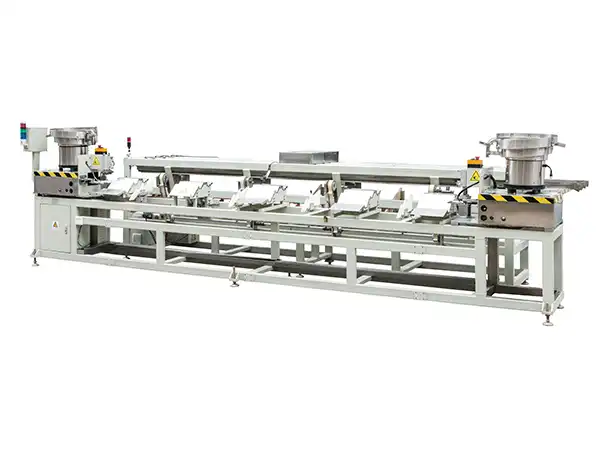
Subtitle: Planning for the Future: Prioritizing Maintainability
A well-maintained machine is a reliable machine. Designing for accessibility from the outset reduces the burden of maintenance and ensures that the machine can be kept in optimal condition. Regular maintenance is the key to longevity.
3.1 Strategic Placement of Key Components
When placing the pipe bundling machine, consider the location of key components that require regular maintenance, such as motors, pumps, and control panels. Position these components so that they are easily accessible for inspection, lubrication, and replacement.
3.2 Modular Design for Easy Disassembly
Choose a machine with a modular design that allows for easy disassembly and reassembly. This simplifies the process of replacing components and performing major repairs.
3.3 Quick-Disconnect Fittings for Fluid and Electrical Connections
Use quick-disconnect fittings for fluid and electrical connections to simplify the process of disconnecting and reconnecting components during maintenance. This reduces the risk of spills and electrical hazards.
3.4 Adequate Lighting and Ventilation
Ensure that the confined space is adequately lit and ventilated to provide a comfortable and safe working environment for maintenance personnel. This improves visibility and reduces the risk of heat stress.
3.5 Centralized Lubrication Systems
Consider installing a centralized lubrication system to simplify the process of lubricating the machine’s moving parts. This reduces the need for manual lubrication and ensures that all components are properly lubricated.
3.6 Maintenance Schedule
Develop a detailed maintenance schedule that outlines all required maintenance tasks, including the frequency of each task and the tools and materials required. This ensures that the machine is properly maintained and that potential problems are identified and addressed before they become major issues.
To visualize the costs associated with different maintenance strategies, create a table that compares preventative vs. reactive maintenance:
| Strategy | Upfront Cost | Downtime per Year (Hours) | Labor Cost per Year | Parts Cost per Year | Total Cost per Year |
|---|---|---|---|---|---|
| Preventative | \$5,000 | 8 | \$2,000 | \$1,000 | \$8,000 |
| Reactive | \$0 | 40 | \$10,000 | \$5,000 | \$15,000 |
This table clearly demonstrates the long-term cost benefits of a preventative maintenance strategy.
4. Selecting the Right Equipment
Choosing compact and efficient equipment is crucial for success. Consider the size, weight, and power requirements of the machine to ensure it fits the available space and infrastructure.
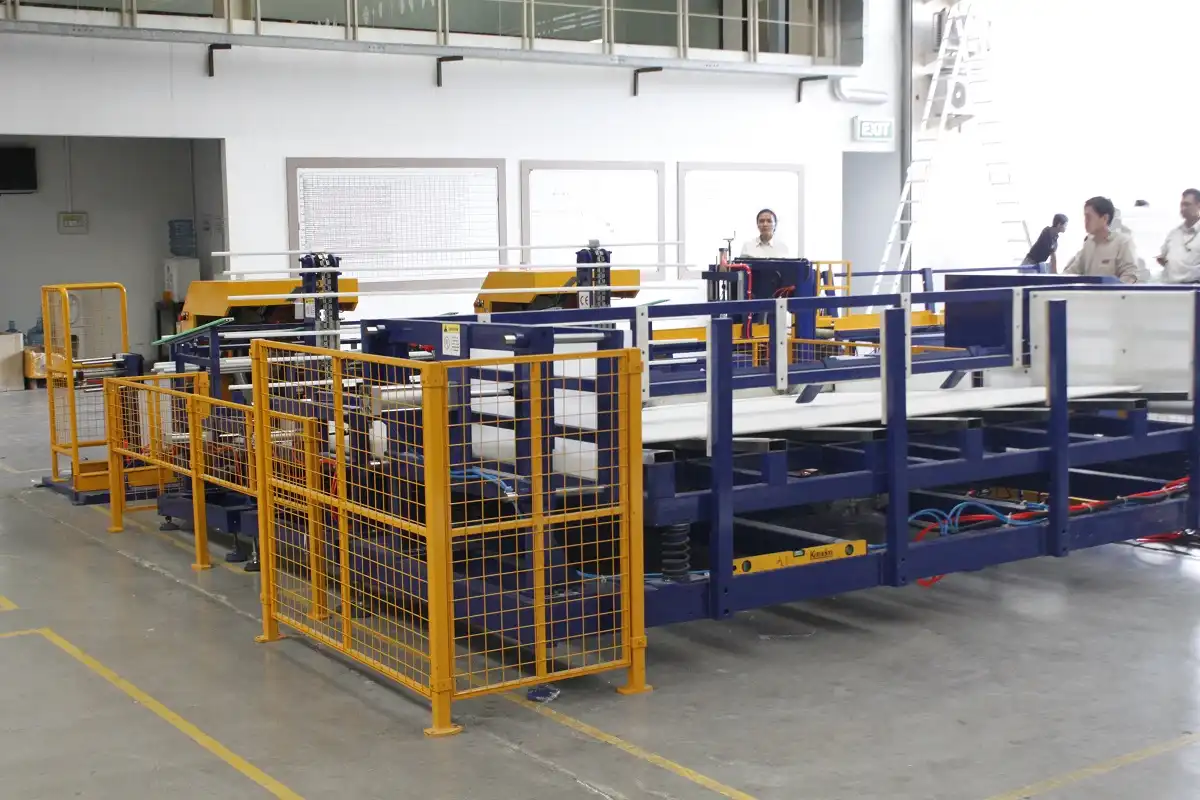
Selecting appropriate equipment is paramount for installing a pipe bundling machine in confined spaces. Focus on size, weight, and power requirements. Opt for compact, energy-efficient models. Consider remote operation for added safety and ease of use. Proper equipment selection ensures efficient operation within limited space.
Confined space pipe bundling machine installation necessitates careful planning and a comprehensive understanding of spatial constraints, safety protocols, and accessibility requirements. By prioritizing these key considerations, businesses can ensure efficient operation and long-term reliability in challenging environments. A well-executed installation translates to increased productivity, reduced downtime, and a safer working environment.








