
What Are the Benefits of Pipe Bundling Machines in Reducing Carbon Emissions?
Pipe bundling machines are revolutionizing the packaging industry. They streamline the process, leading to a significant decrease in the industry’s carbon emissions. As businesses adopt more sustainable methods, the machine presents a promising step forward.
Pipe bundling machines significantly reduce carbon emission reduction by optimizing material usage, minimizing energy consumption, and decreasing waste. Automated precision leads to less material, lower energy needs for labor, and fewer damaged goods, marking a clear shift towards eco-friendly operational practices.
Ready to explore how pipe bundling machines are contributing to a greener future? Keep reading to discover the detailed advantages of this technology and its impact on environmental sustainability and operational efficiency.
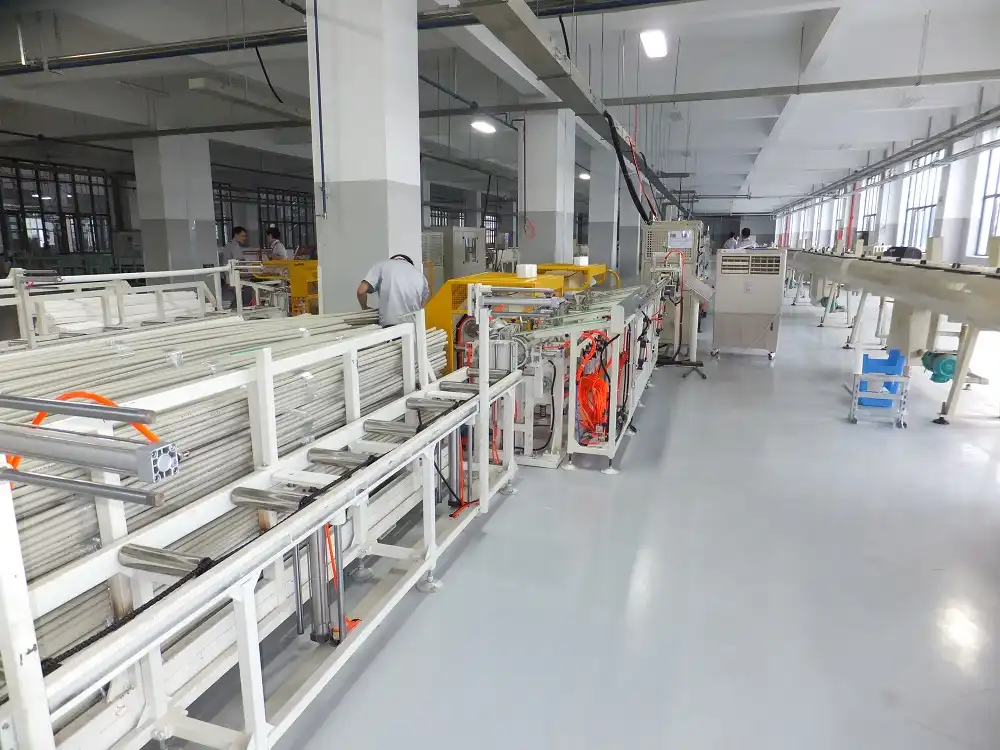
The Environmental Impact of Manual Pipe Bundling
Manual pipe bundling hides high environmental costs. From material waste to inefficient labor, the traditional approach is far from green. Automation is key to reversing this trend and significantly reducing carbon emissions.
Manual pipe bundling impacts the environment through excessive material use, inconsistent bundling that damages products, and labor-intensive processes requiring significant energy. Pipe bundling machines combat these issues by optimizing material usage, ensuring consistent protection, and streamlining operations, reducing the carbon footprint.
Here, we delve into how pipe bundling machines outperform manual methods, quantifying the differences in material usage, energy consumption, and waste generation. By understanding these measurable components, we can truly appreciate the environmental impact of switching to automated bundling.
Quantifying Carbon Footprint Reduction Through Automation
The transition from manual to automated pipe bundling offers a multi-faceted approach to reducing carbon footprints. Let’s consider the core areas where machines surpass manual methods, creating a more sustainable packaging operation.
Material Optimization: A Key to Carbon Reduction
Manual bundling leads to material overuse due to workers applying extra wrapping or strapping to ensure bundle stability. Pipe bundling machines use precise measurements, applying only the necessary materials, significantly reducing waste and its associated carbon footprint.
Consider a company bundling 10,000 pipe bundles monthly:
- Manual Bundling: Requires 5 kg of strapping material per bundle, totaling 50,000 kg monthly.
- Machine Bundling: Requires 3 kg of strapping material per bundle, totaling 30,000 kg monthly.
This 40% reduction in material directly lowers production costs and minimizes the environmental impact from material manufacturing and disposal.
Energy Efficiency: Streamlining Towards Sustainability
Manual bundling requires extensive human labor, consuming energy through facility lighting, heating/cooling, and other operational overhead. Automated pipe bundling machines reduce labor needs and streamline processes, significantly lowering energy consumption.
| Process | Energy Consumption (kWh/month) |
|---|---|
| Manual Bundling | 1500 |
| Machine Bundling | 800 |
The table illustrates the efficiency gained from automating processes, leading to substantial energy savings.
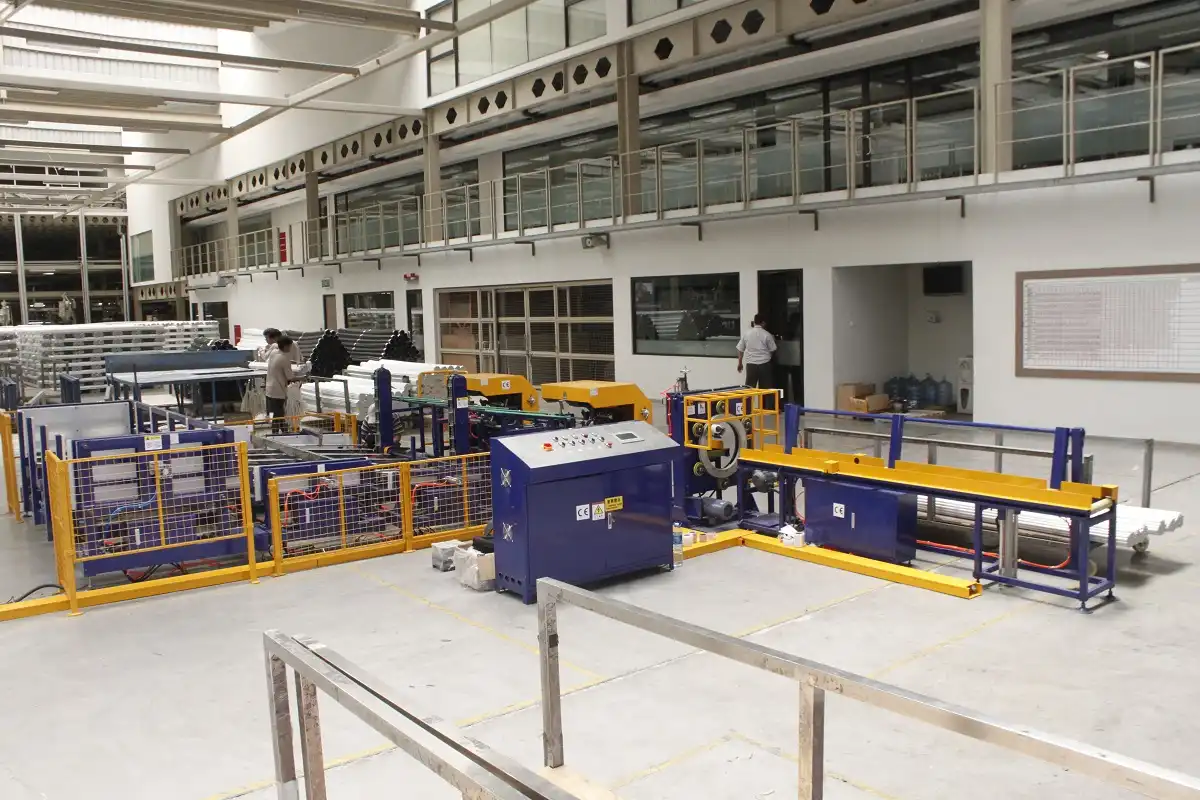
Waste Reduction: Minimizing the Environmental Burden
Manual bundling often results in inconsistent bundles, leading to damage during shipping and handling. These damaged pipes become waste, adding to the environmental burden. Pipe bundling machines ensure consistent, secure bundles, minimizing the risk of damage and waste.
- Manual Bundling: 5% of bundles damaged during shipping, resulting in 500 damaged bundles per 10,000.
- Machine Bundling: 1% of bundles damaged during shipping, resulting in 100 damaged bundles per 10,000.
Reducing product damage translates to fewer discarded pipes, further minimizing the environmental impact.
A Holistic View: Quantifying the Overall Impact
Pipe bundling machines offer a comprehensive approach to reducing the carbon footprint of pipe packaging by combining material optimization, energy efficiency, and waste reduction. The table below summarizes the overall impact:
| Metric | Manual Bundling | Machine Bundling | Reduction |
|---|---|---|---|
| Material Usage (kg/month) | 50,000 | 30,000 | 40% |
| Energy Consumption (kWh/month) | 1500 | 800 | 47% |
| Damaged Bundles/Month | 500 | 100 | 80% |
These figures demonstrate the significant environmental benefits of transitioning to automated pipe bundling machines.
Sustainable Materials and Pipe Bundling Machines
Pipe bundling machines facilitate the use of sustainable materials. Choosing the right materials maximizes carbon footprint reduction, amplifying their positive environmental impact. This is a crucial step toward environmental stewardship.
Pipe bundling machines are compatible with eco-friendly alternatives such as recycled plastic, biodegradable films, and paper-based materials. These materials reduce reliance on virgin resources, lower waste, and support a circular economy, aligning with the growing demand for green packaging.
Next, we’ll explore the technical considerations involved in integrating sustainable materials into the pipe bundling process, ensuring compatibility, strength, and cost-effectiveness.
Navigating the Technical Aspects of Sustainable Material Integration
Integrating sustainable materials requires considering technical aspects like machinery compatibility, material strength, and cost-effectiveness. Let’s explore how different eco-friendly options perform in pipe bundling applications.
Recycled Plastics: Reducing the Demand for Virgin Materials
Using recycled plastics, like polyethylene (PE) and polypropylene (PP), decreases the demand for virgin plastic production. Pipe bundling machines can be adapted to handle these materials, but tension settings and sealing mechanisms adjustments may be necessary for optimal performance.
Biodegradable Films: A Compostable Alternative
Biodegradable films, often made from plant-based sources like polylactic acid (PLA), offer a compostable alternative to traditional plastics. Due to their sensitivity to heat and moisture, these films require specific handling. Pipe bundling machines with precise temperature and humidity controls can ensure proper sealing and bundling.
Paper-Based Materials: A Renewable Option
Paper-based strapping and wrapping offer a renewable and recyclable option for pipe bundling. However, lower tensile strength compared to plastic alternatives is a drawback. Pipe bundling machines with adjustable tension controls and specialized sealing mechanisms can ensure secure bundling without compromising material integrity.
Integrating sustainable materials with pipe bundling machines requires careful consideration of these technical factors. By adjusting machinery and understanding material properties, companies can maximize their positive impact.

Optimizing Machine Operation for Energy Efficiency
Beyond material choices, optimizing pipe bundling machine operation can further reduce their carbon emissions. Energy-efficient designs and smart operational practices can significantly lower energy consumption and promote environmental sustainability.
Optimizing pipe bundling machine operations involves using energy-efficient components, implementing smart controls, and performing regular maintenance. These strategies reduce energy consumption, minimize downtime, and extend the lifespan of the machines, lowering operational costs and reducing the environmental impact.
Let’s break down specific technologies and practices that can improve the energy efficiency of pipe bundling machines, creating a greener and more cost-effective operation.
Strategies for Enhancing Energy Efficiency in Pipe Bundling Machines
Maximizing the energy efficiency of pipe bundling machines requires integrating advanced technologies and implementing smart operational practices. Here’s a breakdown of specific technologies and practices:
Servo Motor Technology
Servo motors offer superior precision and energy efficiency compared to traditional AC motors.
| Motor Type | Energy Consumption (kWh/year) | Precision Level |
|---|---|---|
| AC Motor | 1200 | Medium |
| Servo Motor | 750 | High |
Smart Control Systems
Implement intelligent control systems that optimize bundling parameters based on pipe dimensions and material properties.
| Control System Type | Energy Saved (%) | Material Waste Reduction (%) |
|---|---|---|
| Basic Control | – | – |
| Smart Control | 15 | 10 |
Regular Maintenance Schedules
Preventive maintenance ensures optimal machine performance, reducing energy waste and downtime.
| Maintenance Frequency | Downtime (Hours/Year) | Energy Efficiency (%) |
|---|---|---|
| No Maintenance | 40 | 80 |
| Regular Maintenance | 10 | 95 |
By focusing on these areas, companies can significantly reduce their energy footprint and enhance the sustainability of their pipe bundling operations.
Life Cycle Assessment for Pipe Bundling
To fully understand the environmental benefits of pipe bundling machines, a comprehensive life cycle assessment (LCA) is essential. This involves evaluating the environmental impacts across all stages of the machine’s life, from manufacturing to disposal.








