
How to Optimize Pipe Bundling Machine Performance for Heavy-Duty Construction Materials?
Optimizing pipe bundling machine performance is vital for handling heavy-duty construction materials. A well-optimized machine enhances productivity, reduces material damage, and ensures safe and efficient operations. Achieving this requires careful attention.
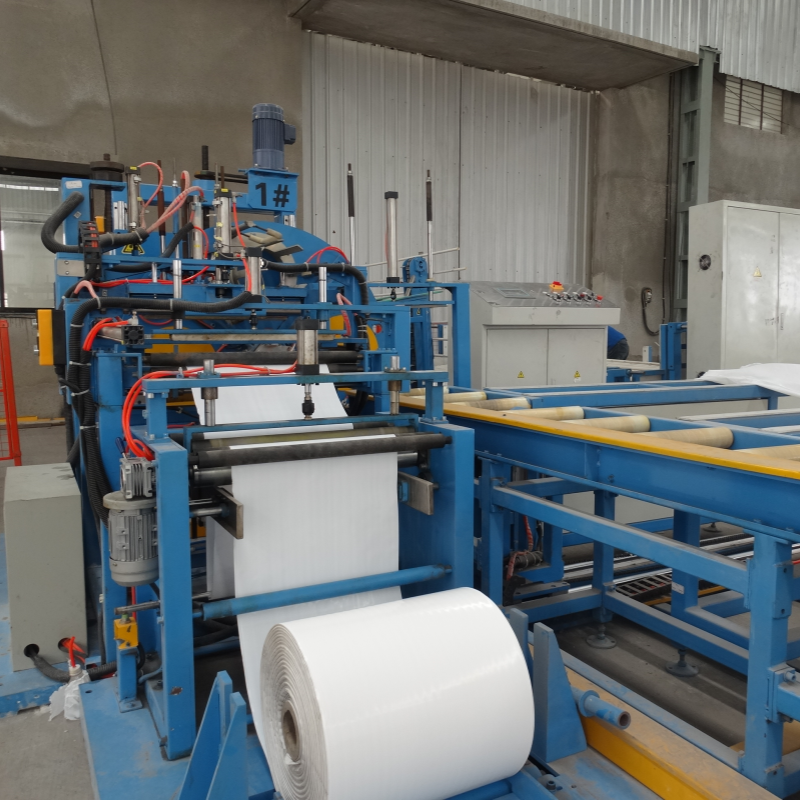
To optimize pipe bundling machine performance, focus on regular maintenance, use appropriate strapping materials, ensure proper machine settings, and implement effective operator training. These steps minimize downtime, enhance bundle stability, and improve overall operational pipe packaging efficiency.
Ready to elevate your construction material handling? Let’s delve into actionable strategies that guarantee peak performance and reliability from your pipe bundling machines, keeping operations smooth and profitable.
1. Implementing Regular Maintenance Schedules
Leading Paragraph: Regular maintenance is critical for sustaining the efficiency of pipe bundling machines. Consistent checks and timely repairs prevent breakdowns, extending machine lifespan and ensuring consistent performance.
Snippet Paragraph: Regular maintenance schedules should include daily inspections of critical components, weekly lubrication of moving parts, monthly calibration checks, and annual professional servicing. Addressing minor issues promptly prevents them from escalating into major, costly repairs, thereby maximizing uptime and machine reliability.
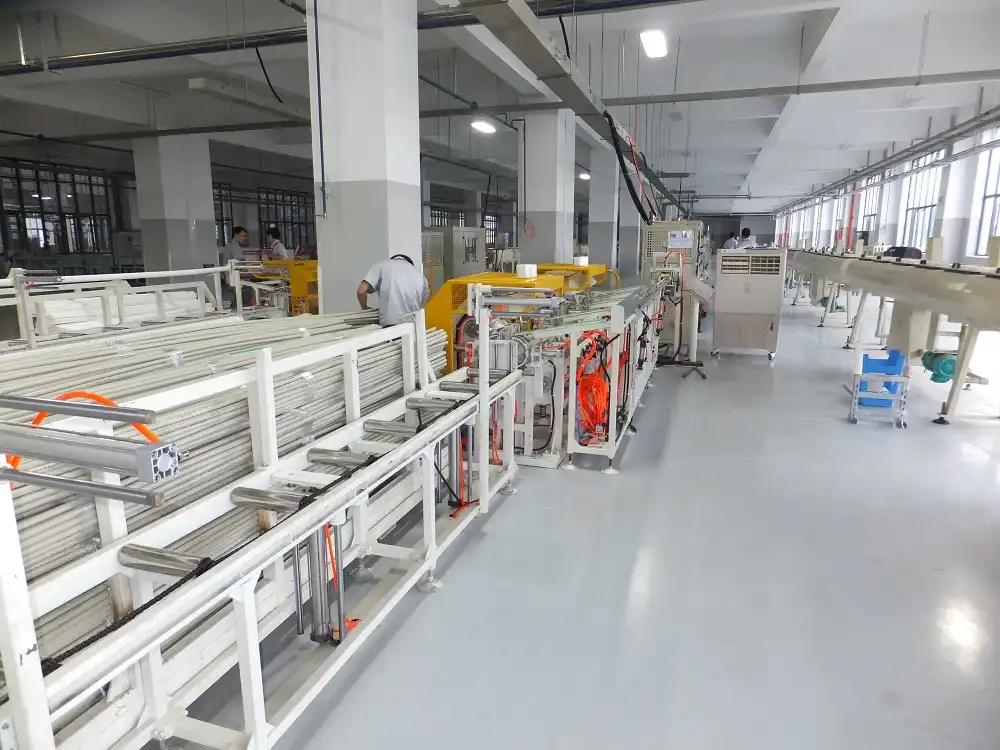
Maximizing Uptime Through Proactive Maintenance
Proactive maintenance goes beyond reactive repairs. It involves strategically planning maintenance activities to minimize disruptions. By understanding the machine’s operational patterns and stress points, you can tailor maintenance schedules to address potential issues before they arise. This approach not only extends the machine’s life but also ensures consistent pipe bundling machine performance.
Tailoring Maintenance to Material Type
Different heavy-duty construction materials place varying demands on bundling machines. Steel pipes, for instance, may require adjustments to tension settings and strapping material to prevent damage. Understanding these nuances is key to optimizing your maintenance strategy.
Data-Driven Maintenance
Utilizing machine data to inform maintenance decisions is a game-changer. Modern machines often come equipped with sensors that track performance metrics. Analyzing this data can reveal patterns that indicate wear and tear, allowing you to schedule maintenance precisely when needed.
Example:
Consider a pipe bundling machine used in a steel mill. By tracking the number of cycles, tension levels, and motor temperature, you can create a predictive maintenance schedule.
| Metric | Threshold | Action |
|---|---|---|
| Cycle Count | 500,000 | Inspect and replace wear parts |
| Tension Level | ±10% | Calibrate tensioning system |
| Motor Temp (C) | 80 | Check cooling system and motor condition |
Checklist for Regular Maintenance
A well-structured checklist ensures that all critical aspects of the machine are regularly inspected. This checklist should include:
- Visual Inspection: Check for any signs of wear, damage, or misalignment.
- Lubrication: Ensure all moving parts are adequately lubricated.
- Calibration: Verify that tension, alignment, and other settings are accurate.
- Cleaning: Remove debris and buildup that can affect performance.
- Testing: Run test bundles to verify the machine’s performance.
By implementing these proactive measures, you’ll significantly reduce downtime, improve the longevity of your equipment, and maintain high efficiency in your pipe bundling operations.
2. Selecting Optimal Strapping Materials
Leading Paragraph: The choice of strapping material greatly influences the reliability and integrity of bundled heavy-duty construction materials. Selecting the right material ensures bundles remain secure during handling and transit.
Snippet Paragraph: Optimal strapping materials for heavy-duty construction include steel, polyester (PET), and polypropylene (PP). Steel offers the highest strength, ideal for very heavy loads. PET provides a good balance of strength and flexibility, while PP is suitable for lighter materials. Consider load weight, environmental conditions, and handling requirements when selecting.
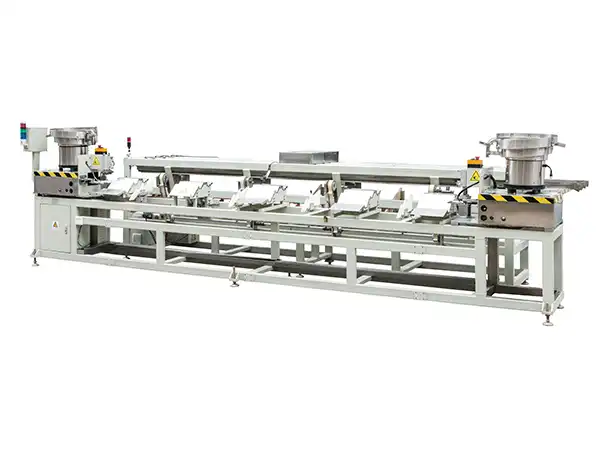
Advanced Strapping Techniques
Understanding the properties of each strapping material is only the beginning. Advanced techniques can further enhance the effectiveness of the strapping process. This involves optimizing tension, overlap, and sealing methods to ensure maximum bundle integrity.
Considering Environmental Factors
Environmental conditions such as temperature, humidity, and exposure to chemicals can affect the performance of strapping materials. For instance, steel strapping may be susceptible to corrosion in humid environments, while plastic strapping can become brittle in extreme cold. Choosing materials that can withstand these conditions is crucial.
Innovations in Strapping Technology
The field of strapping materials is constantly evolving. Newer materials and techniques offer enhanced performance and efficiency. For example, composite strapping combines the strength of steel with the flexibility of plastic, providing a versatile solution for heavy-duty bundling.
Proper material selection, combined with advanced techniques, ensures that your pipe bundles remain secure and intact throughout the handling and transportation process.
3. Optimizing Machine Settings for Various Pipe Dimensions
Leading Paragraph: Adjusting machine settings to accommodate different pipe dimensions is essential for optimal bundling. Correct settings prevent damage and ensure stable, secure bundles, regardless of pipe size or shape.
Snippet Paragraph: Machine settings, including tension, compression, and alignment, must be calibrated for each pipe dimension. Too much tension can damage pipes, while insufficient tension results in loose bundles. Proper alignment ensures consistent strapping. Regular calibration is crucial for maintaining accuracy.
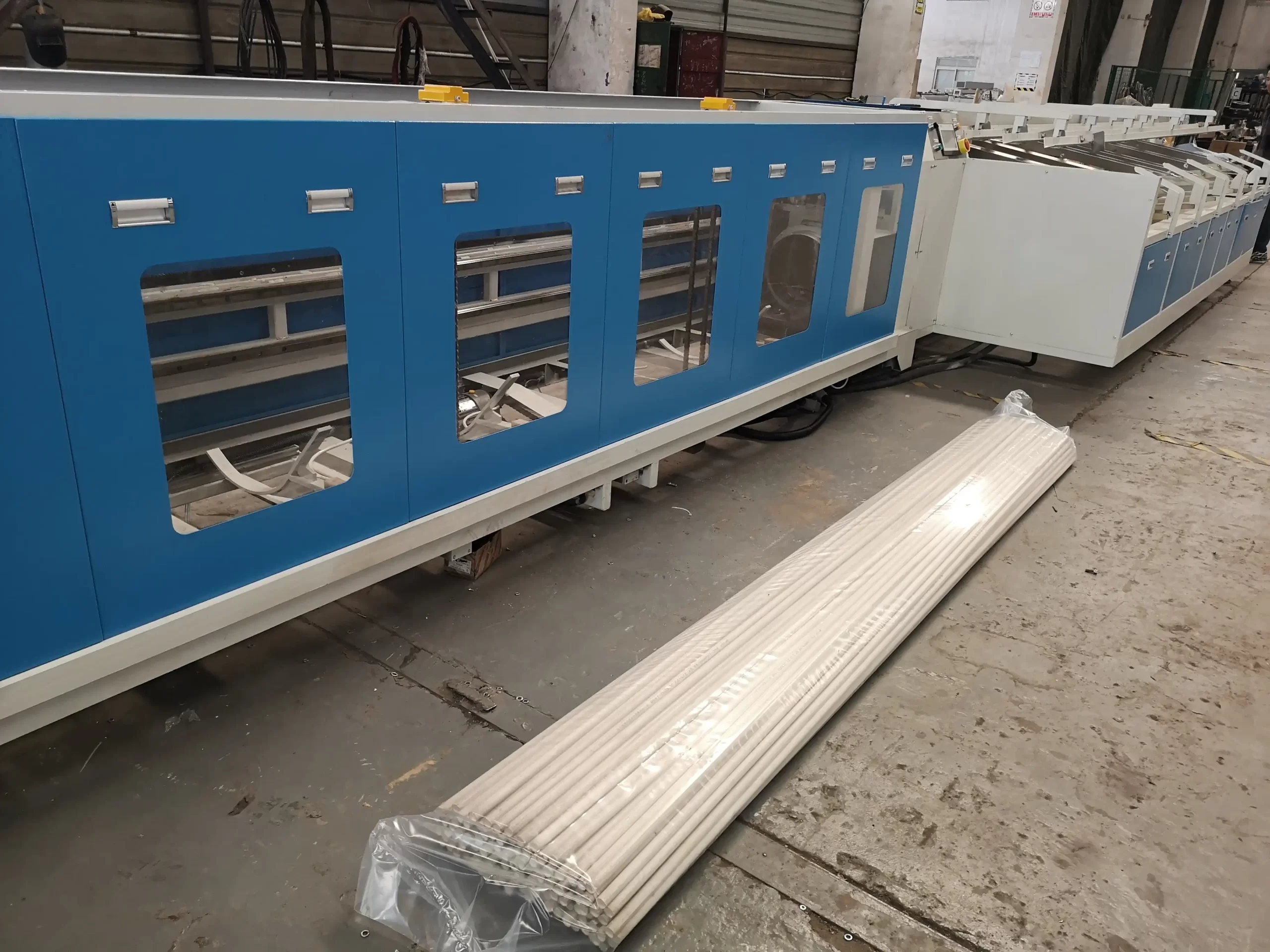
The Science of Tension: Achieving the Perfect Balance
The key to optimizing bundling machine performance lies in the precise control of tension. Too little tension results in unstable bundles prone to shifting during transit, while excessive tension can deform or even damage the pipes. Striking the right balance is both an art and a science.
Three-Tiered Approach to Tension Optimization
- Assessment: Conduct a thorough assessment of the physical properties of the pipes being bundled, including material type, wall thickness, and diameter.
- Calibration: Use calibrated tension meters to measure and fine-tune the machine’s tension settings. This ensures accuracy and consistency.
- Monitoring: Implement a continuous monitoring system that alerts operators to any deviations in tension levels during the bundling process.
Impact of Pipe Shape on Setting Adjustments
The shape of the pipe—whether round, square, or rectangular—also impacts the required machine settings. Round pipes, for example, distribute tension more evenly, while square or rectangular pipes may require additional support to prevent deformation at the corners.
Data-Driven Setting Adjustments
Using data analytics to track machine performance can provide valuable insights for optimizing settings. By monitoring metrics such as bundling speed, strap consumption, and bundle integrity, you can identify areas for improvement and fine-tune settings accordingly.
| Pipe Shape | Tension Level | Compression Setting | Support Requirements |
|---|---|---|---|
| Round | Medium | Low | Minimal |
| Square | High | Medium | Corner Supports |
| Rectangular | High | High | Full-Length Supports |
Case Study: Optimizing Settings for Large Diameter Pipes
When bundling large-diameter steel pipes, the risk of deformation is significantly higher. To mitigate this, consider using wider straps to distribute tension more evenly, and increase the number of straps per bundle for added stability. Also, ensure the machine’s compression settings are adjusted to provide adequate support without over-compressing the pipes.
4. Enhancing Operator Training and Skill Development
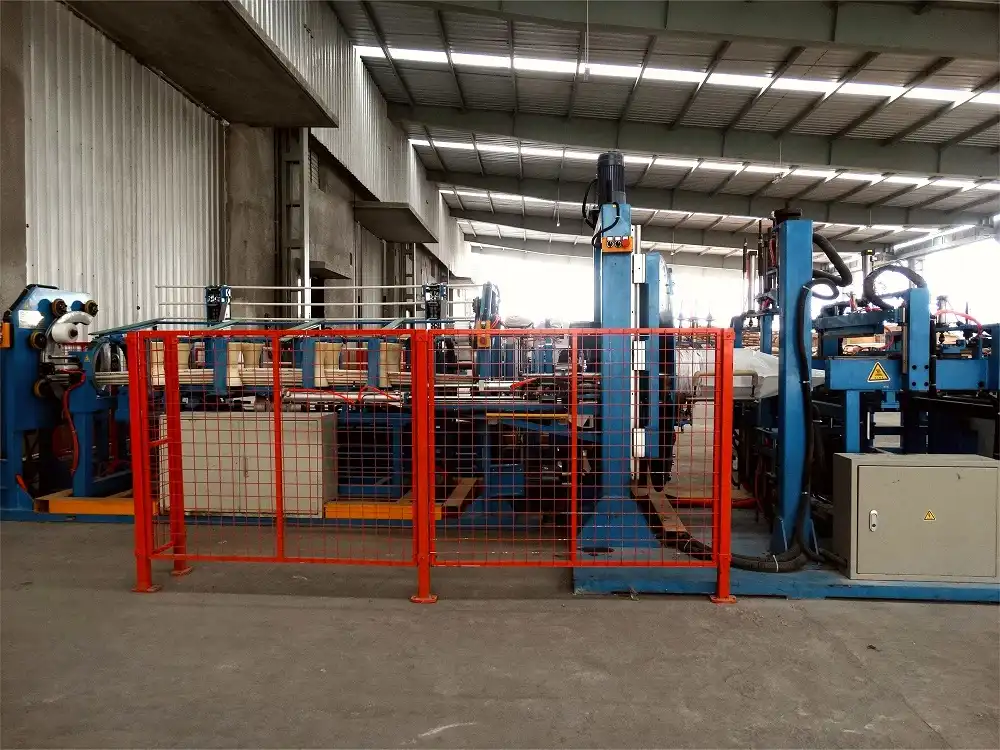
Effective operator training is pivotal for optimizing heavy-duty construction materials’ pipe bundling machine performance. Well-trained operators can accurately set up the machine, troubleshoot minor issues, and ensure consistent bundling quality. They also play a crucial role in identifying potential safety hazards, preventing accidents.
Comprehensive operator training should cover machine operation, safety protocols, troubleshooting, and maintenance procedures. Hands-on training, combined with theoretical knowledge, is vital. Regular refresher courses keep operators updated on best practices and new machine features. Skilled operators maximize machine uptime, minimize errors, and improve overall productivity.
Empowering Operators Through Continuous Learning
To ensure the continued effectiveness of your operators, implement a continuous learning program that includes:
- Regular Workshops: Conduct workshops to cover advanced techniques, safety updates, and troubleshooting tips.
- Certification Programs: Offer certification programs that validate operators’ skills and knowledge.
- Mentorship Opportunities: Pair experienced operators with newer team members to facilitate knowledge transfer.
By investing in operator training and skill development, you’ll create a team that is not only competent but also motivated to achieve peak pipe bundling machine performance.
Conclusion
Optimizing pipe bundling machine performance for heavy-duty construction materials requires a multifaceted approach. Regular maintenance, careful material selection, precise machine settings, and comprehensive operator training are all essential components. By implementing these strategies, you can significantly enhance productivity, reduce downtime, and ensure the safe and efficient handling of your construction materials. Continuous improvement and adaptation to new technologies will further solidify your operations’ success.








