
What Are the Best Practices for Pipe Bundling Machine Maintenance in Extreme Weather Conditions?
Maintaining pipe bundling machines is crucial for operational efficiency. Extreme weather poses unique challenges, demanding specific maintenance practices to ensure longevity and consistent performance of your machinery.
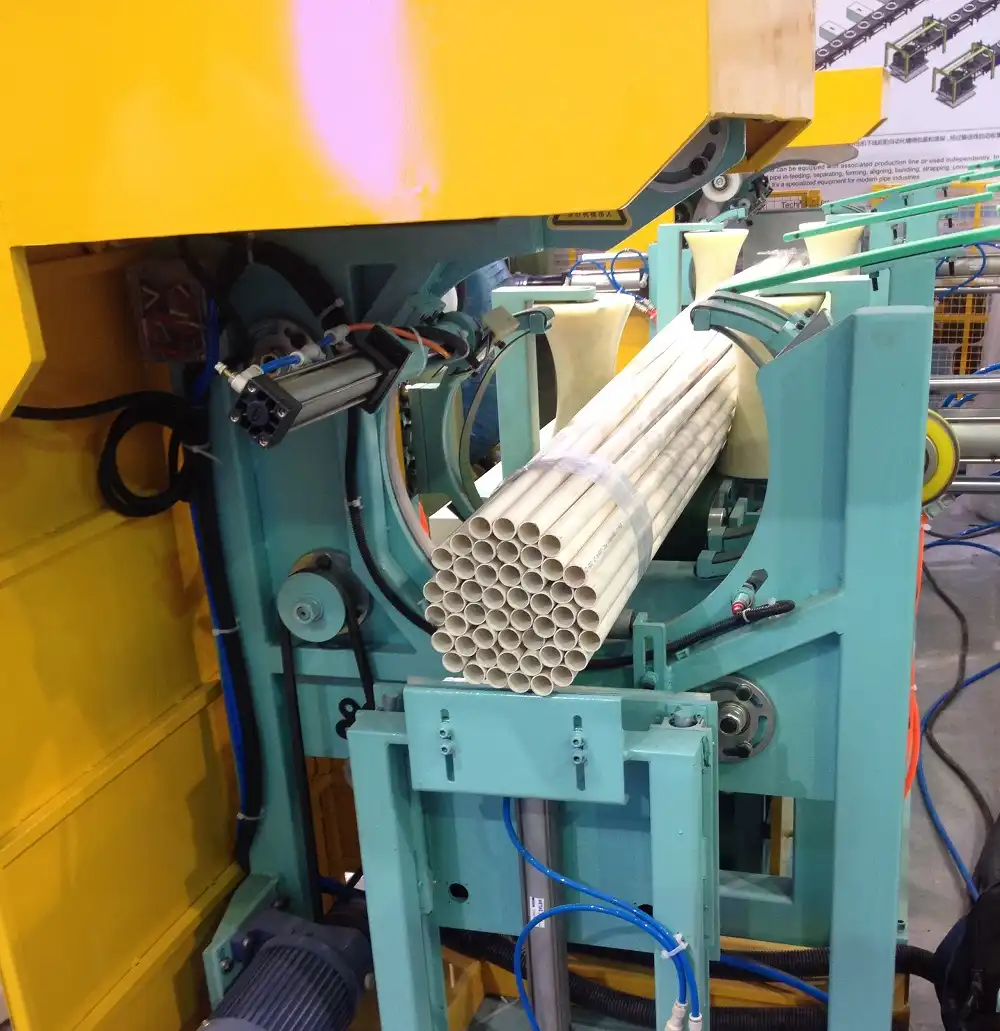
To maintain pipe bundling machines in extreme weather, prioritize lubrication with weather-resistant products. Regularly inspect and protect electrical components from moisture and temperature fluctuations. Implement pre-operation checks and consistent cleaning protocols. Proper storage and environmental controls are essential for longevity.
Extreme weather can significantly impact the performance of pipe bundling machines. By implementing the right maintenance practices, businesses can mitigate these risks, ensuring continuous operation and preventing costly downtime. Let’s delve into specific strategies for optimal machine care.
1. Preparing for Winter: Cold Weather Maintenance
Winter’s challenges can significantly impact metal properties and lubrication systems. Proper preparation is crucial for mitigating these challenges.
In cold weather, prioritize using low-temperature lubricants to prevent thickening. Insulate hydraulic systems and conduct pre-start checks. Regularly inspect for ice or snow buildup, and store machines in a sheltered environment when possible. These steps ensure smooth operation and prevent damage.
To comprehensively address winter maintenance, consider these critical aspects:
Understanding Cold Weather Impacts on Metal and Machinery
Extreme cold makes metal more brittle and lubricants viscous, demanding adjustments to maintenance practices.
| Impact Area | Description | Mitigation Strategy |
|---|---|---|
| Metal Brittleness | Metals become less malleable and more prone to cracking at low temperatures. | Implement preheating procedures for pipes before bundling. Utilize machines with adjustable force controls to prevent over-stressing materials. |
| Lubricant Viscosity | Lubricants thicken, increasing friction and wear on moving parts. | Switch to cold-weather lubricants designed to maintain viscosity at low temperatures. Regularly check and replenish lubricants to ensure adequate coverage. |
| Hydraulic System Efficiency | Hydraulic fluids thicken, reducing the efficiency and responsiveness of hydraulic systems. | Use weather-graded hydraulic fluids. Insulate hydraulic tanks and lines. Allow machines to warm up before full operation. |
| Electrical Component Vulnerability | Electrical components are susceptible to moisture and temperature-induced damage. | Inspect and seal electrical enclosures. Use dielectric grease on connections. Store machines in dry environments. |
| Ice and Snow Buildup | Accumulation of ice and snow can obstruct moving parts and add stress to the machine’s structure. | Regularly clear ice and snow from the machine. Apply de-icing solutions to prevent buildup. |
| Condensation and Corrosion | Temperature fluctuations can lead to condensation, which promotes corrosion. | Ensure proper ventilation in storage areas. Apply rust inhibitors to exposed metal surfaces. |
The table provides a deeper insight into how cold weather influences machine functionality, offering actionable maintenance tips. This approach helps technicians proactively address potential problems, improving uptime and preventing equipment failure.
2. Thriving in the Heat: Hot Weather Maintenance
Heat presents its own set of challenges. High temperatures can degrade lubricants and overheat components.
In hot weather, use high-temperature lubricants to prevent breakdown. Ensure adequate ventilation for motors and hydraulic systems. Monitor machine temperature and implement cooling measures as needed. Protect machines from direct sunlight to prevent overheating.
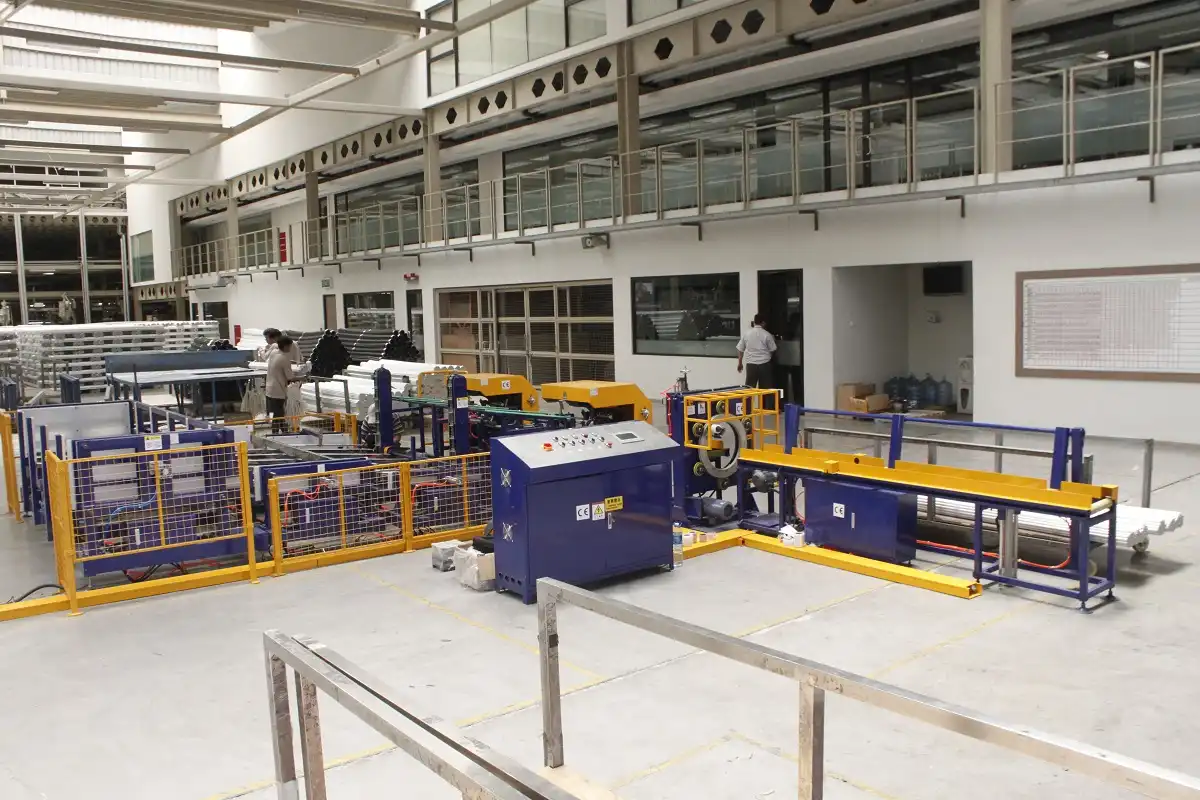
Here’s how you can tackle the challenges posed by hot weather:
Optimizing for High-Temperature Operation
High temperatures accelerate wear and can lead to critical equipment failure.
| Impact Area | Description | Mitigation Strategy |
|---|---|---|
| Lubricant Degradation | High temperatures cause lubricants to thin, reducing their effectiveness and accelerating wear. | Use high-temperature lubricants specifically designed to maintain viscosity and performance in extreme heat. |
| Overheating of Motors and Hydraulics | Motors and hydraulic systems generate heat during operation; high ambient temperatures exacerbate this issue. | Ensure adequate ventilation around motors and hydraulic components. Use cooling fans or liquid cooling systems to dissipate heat. Regularly monitor temperature gauges. |
| Increased Component Stress | Heat causes materials to expand, increasing stress on machine components and potentially leading to failure. | Perform regular inspections for signs of stress, such as cracks or deformations. Adjust settings to reduce the load on the machine during peak heat periods. |
| Dust and Debris Accumulation | Hot, dry conditions can increase the amount of dust and debris in the environment, affecting machine performance. | Regularly clean the machine and its surroundings. Use air filters to prevent dust from entering critical components. |
| Polymer Degradation | Rubber and plastic components can degrade more rapidly in high temperatures, becoming brittle or deformed. | Use heat-resistant polymers in critical components. Store spare parts in a cool, dry environment. |
3. Combating Moisture: Wet Weather Maintenance
Rain, humidity, and snow can lead to corrosion and electrical issues, which can be prevented by proactive maintenance.
In wet weather, shield machines from direct rain or snow. Apply corrosion inhibitors to exposed metal parts. Regularly inspect electrical components for moisture intrusion. Ensure proper drainage around the machine to prevent water accumulation. Regular cleaning and drying are essential.
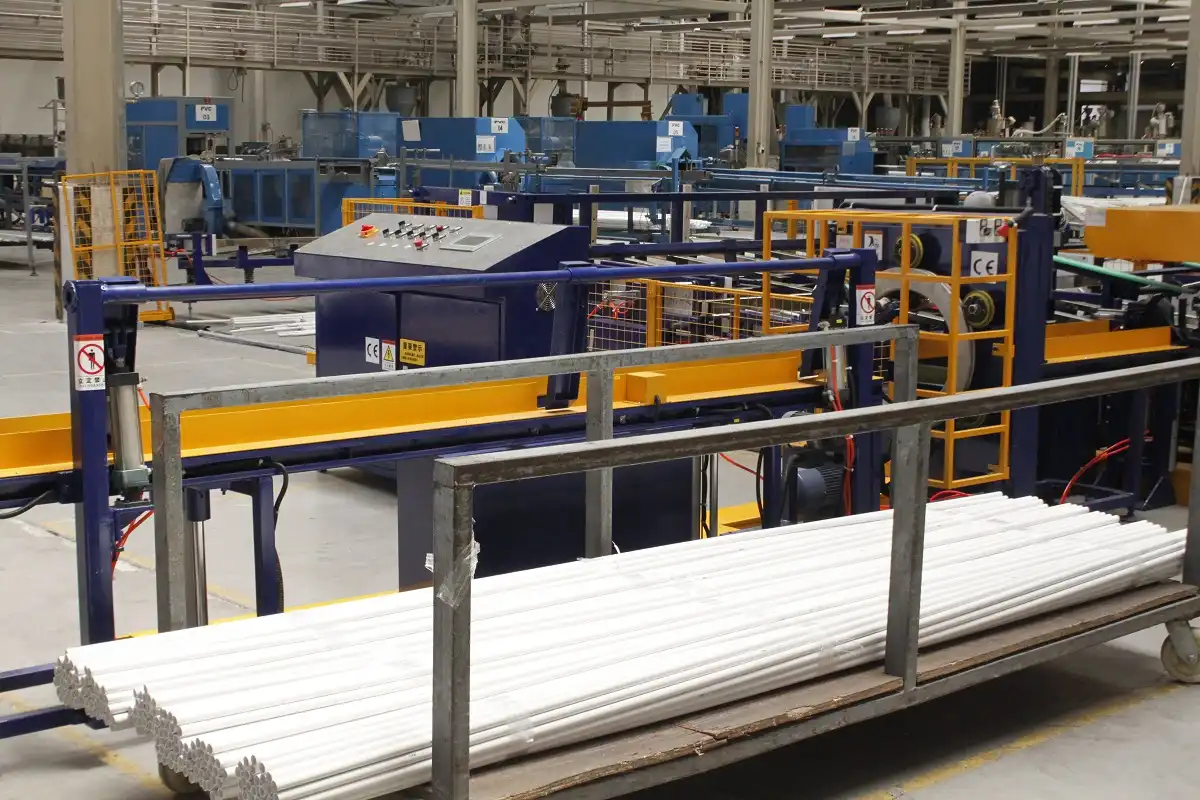
For comprehensive wet-weather maintenance, address the following:
Protecting Against Corrosion and Electrical Damage
Moisture promotes corrosion, leading to mechanical failure and jeopardizing electrical systems.
| Impact Area | Description | Mitigation Strategy |
|---|---|---|
| Corrosion | Moisture accelerates corrosion of metal components, weakening the machine and causing failures. | Apply corrosion inhibitors to exposed metal surfaces. Regularly inspect for rust and address it promptly. Use stainless steel or other corrosion-resistant materials where feasible. |
| Electrical Shorts | Moisture can penetrate electrical systems, causing short circuits and damaging components. | Seal electrical enclosures to prevent moisture intrusion. Use dielectric grease on electrical connections. Regularly inspect wiring for damage and replace as needed. |
| Bearing Degradation | Moisture can contaminate bearings, leading to premature wear and failure. | Use sealed bearings or apply waterproof grease. Regularly inspect bearings for signs of contamination and replace as needed. |
| Mold and Mildew | Humid conditions promote the growth of mold and mildew, which can damage machine components and create health hazards. | Ensure adequate ventilation around the machine. Use dehumidifiers to reduce humidity levels. Regularly clean the machine with antifungal solutions. |
| Component Swelling | Some materials, such as wood and certain plastics, can swell when exposed to moisture, affecting machine alignment and performance. | Use moisture-resistant materials in critical components. Protect the machine from direct exposure to rain and snow. Maintain stable humidity levels in the operating environment. |
4. General Maintenance Practices for All Weather Conditions
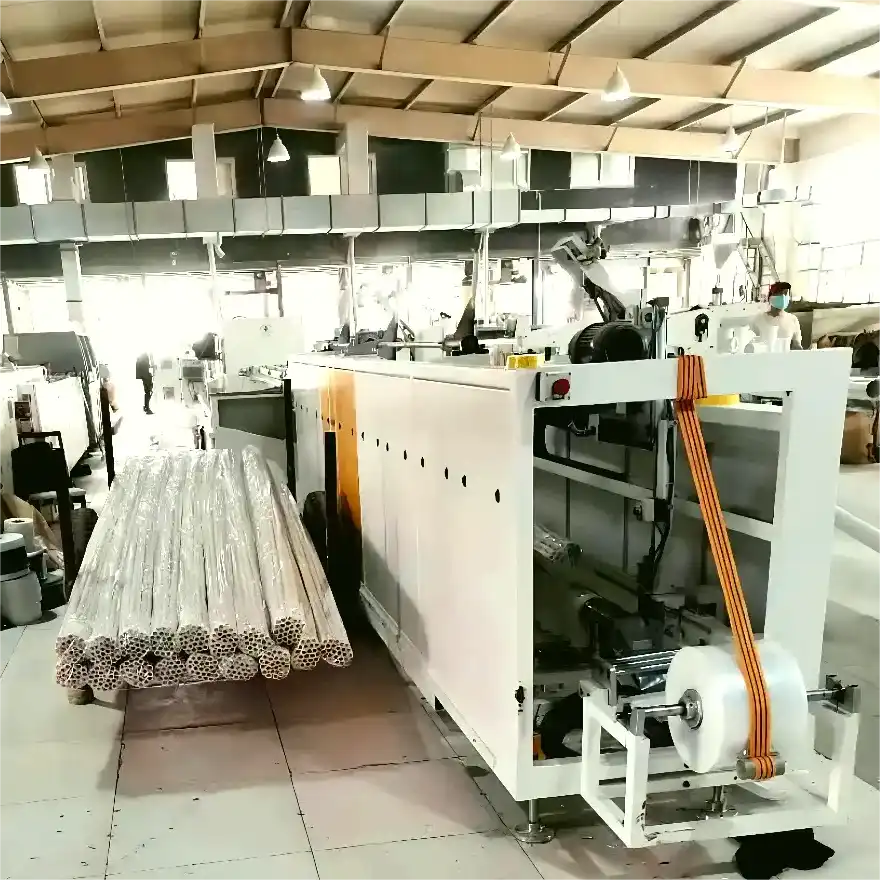
Regular maintenance, encompassing cleaning, lubrication, and inspection, is crucial regardless of the environment. Properly maintained pipe packaging machines will have a longer lifespan and be able to withstand the test of time and extreme weather conditions.
Regardless of the weather, follow a regular maintenance schedule. Clean the machine daily, lubricate moving parts weekly, and perform thorough inspections monthly. Replace worn parts promptly and keep detailed maintenance records. Consistent care ensures reliable performance and prolongs machine life.
Implementing these practices involves:
- Regular Cleaning: Remove debris and contaminants to prevent wear and corrosion.
- Proper Lubrication: Use recommended lubricants for all moving parts.
- Consistent Inspections: Check for wear, damage, and misalignment.
- Prompt Repairs: Address issues quickly to prevent further damage.
Conclusion
Maintaining pipe bundling machines in extreme weather requires specific strategies. Cold weather necessitates low-temperature lubricants and preheating procedures, while hot weather demands high-temperature lubricants and cooling measures. Wet weather requires corrosion inhibitors and moisture protection. Adhering to a consistent maintenance schedule, regardless of the weather, is essential for prolonging the life of your pipe bundling machine and ensuring continued efficiency.








