
What Are the Benefits of Pipe Bundling Machines in Reducing Carbon Emissions?
Pipe bundling machines offer significant advantages in streamlining the packaging process. They efficiently group pipes together for easier handling and transport. But the benefits extend beyond operational efficiency; they also contribute to carbon emission reduction.
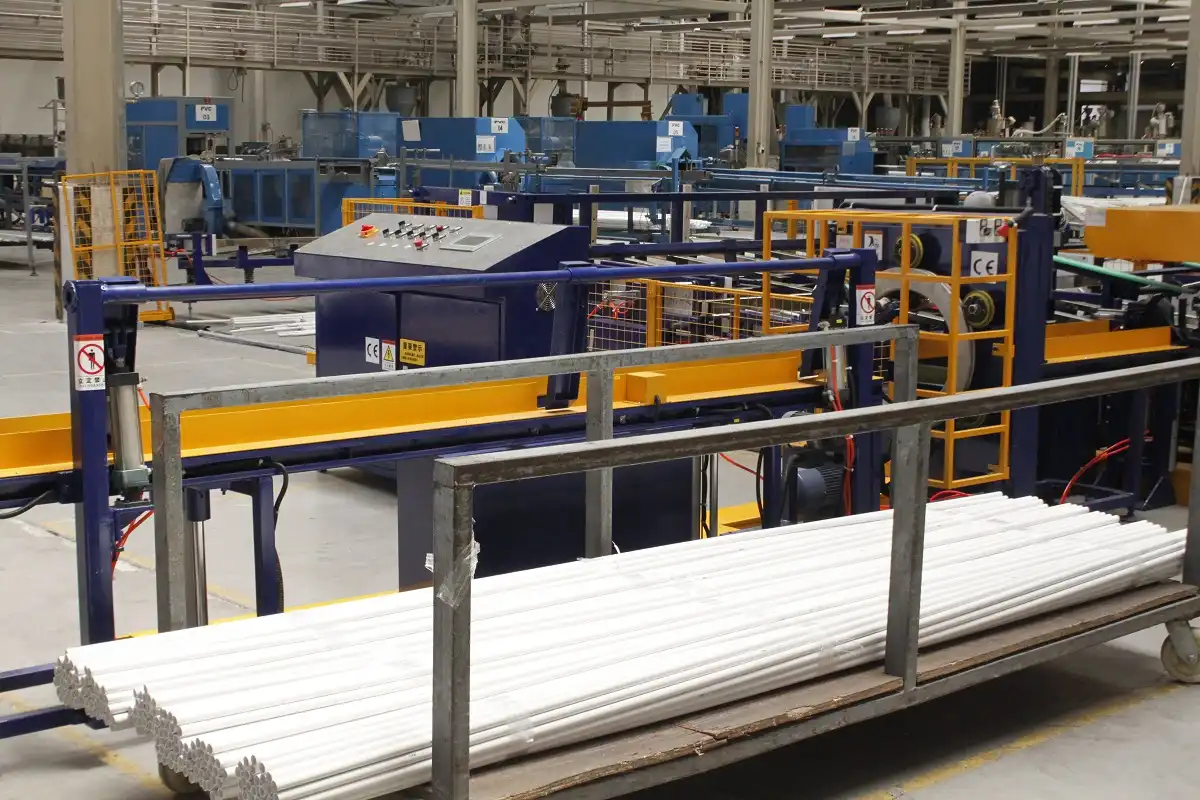
Pipe bundling machines reduce carbon emissions by optimizing material use, minimizing transportation volume, and promoting sustainable packaging practices. By efficiently securing pipes, these machines decrease the need for excessive packaging, leading to a smaller carbon footprint throughout the supply chain. This promotes environmental sustainability within the pipe manufacturing and distribution industries.
Ready to delve deeper into how pipe bundling machines are revolutionizing the industry and contributing to a greener future? Let’s explore the specifics.
Streamlining Operations and Minimizing Material Waste
Pipe bundling machines revolutionize packing by consolidating multiple pipes into single, secure bundles, making handling and transportation more efficient. This automated process not only saves time and labor but significantly reduces the amount of sustainable packaging material needed compared to individually packaging each pipe.
Pipe bundling machines minimize material waste by precisely applying banding material. This ensures pipes are securely bundled without requiring excess packaging, leading to reduced consumption of materials like plastic film and cardboard. The optimized material usage directly translates to lower production costs and a smaller environmental footprint.
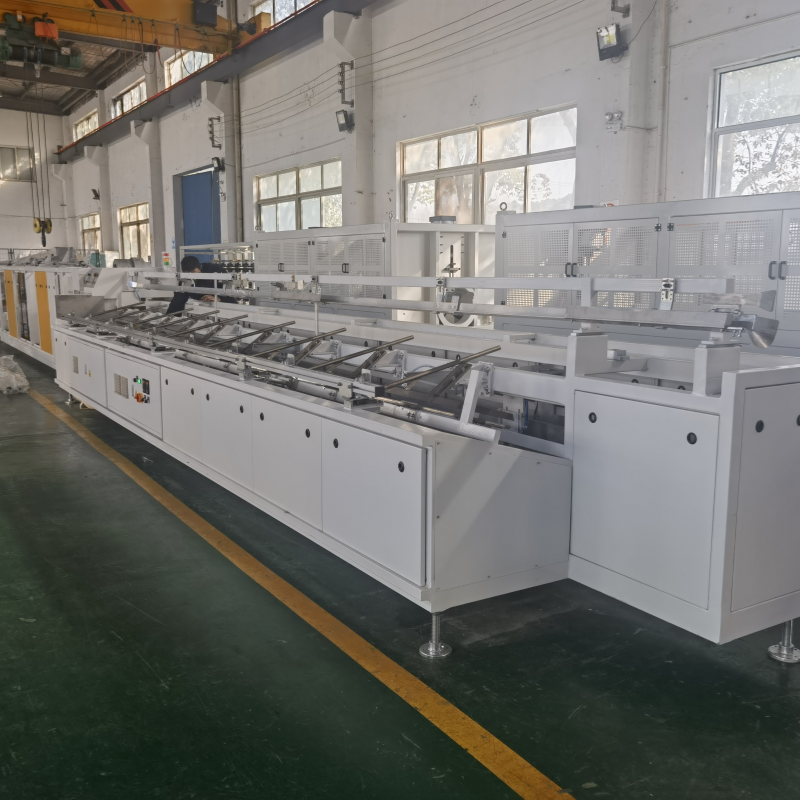
But how do these machines achieve such efficiency? Let’s break down the key features and benefits and explore how they contribute to a more carbon emission reduction future.
The Technical Edge: How Automated Bundling Achieves Efficiency
Pipe bundling machines offer a level of precision and consistency unmatched by manual bundling methods. This precision translates directly into reduced material consumption and optimized resource use.
Precision Material Application
Automated systems are programmed to apply the precise amount of banding or wrapping material required to securely bundle the pipes. This eliminates the guesswork and potential overuse of materials common in manual processes. Sensors and control systems ensure consistent tension and overlap, preventing slippage and ensuring the integrity of the bundle.
Optimized Bundle Density
Pipe bundling machines are designed to create tight, compact bundles. This reduces the overall volume of the packaged pipes, which in turn, minimizes the space required for transportation and storage. The decreased volume reduces the number of shipments needed, directly reducing fuel consumption and carbon emissions.
Material Versatility and Reduction
These machines can work with a variety of banding materials, including paper, plastic, and composite films. Choosing lighter-weight or recycled materials further reduces the environmental impact. Automated systems also allow for precise material tension, which can reduce material waste and prevent damage to the pipes. The ability to use thinner but stronger materials is crucial in achieving carbon emission reduction.
Consider the following comparison of manual vs. automated bundling:
| Feature | Manual Bundling | Automated Bundling |
|---|---|---|
| Material Usage | Higher, due to inconsistency | Lower, due to precision control |
| Bundle Density | Lower, less compact | Higher, more compact |
| Labor Costs | Higher, labor intensive | Lower, automated process |
| Consistency | Variable, dependent on operator skill | Consistent, programmable parameters |
| Throughput | Lower, slower pace | Higher, faster and continuous operation |
These factors work together to improve efficiency and minimize material consumption, making pipe bundling machines a sustainable choice for pipe manufacturers and distributors. The efficiency gains translate into economic benefits, as well as environmental ones.
Optimizing Transportation for Reduced Fuel Consumption
Efficient pipe bundling is pivotal in cutting down on transportation fuel consumption. By creating compact, secure bundles, these machines enable businesses to maximize the use of available space. This has a cascading effect, leading to fewer trips, less fuel burned, and a significant decrease in carbon emissions.
Pipe bundling machines reduce transportation volume by creating tighter, more compact bundles of pipes. This allows for more pipes to be transported in a single shipment, reducing the number of trips needed and, consequently, minimizing fuel consumption and associated carbon emissions from transportation vehicles.
Let’s break down the role of pipe bundling machines in minimizing fuel consumption and carbon emission reduction throughout the transportation process.
Delving into Details: Transportation Optimization Through Efficient Bundling
Pipe bundling machines impact various aspects of transportation, from the initial loading process to the long-haul journey.
- Reduced Vehicle Trips: By creating compact, uniform bundles, pipe bundling machines allow for a greater number of pipes to be loaded onto each truck or shipping container. This reduces the overall number of vehicle trips required to transport a given quantity of pipes, directly decreasing fuel consumption and emissions.
- Optimized Loading Efficiency: Bundling creates uniform shapes and sizes. This, in turn, simplifies and speeds up the loading and unloading process. Faster turnaround times at shipping and receiving points minimize idling and associated emissions.
- Enhanced Stability and Safety: Securely bundled pipes are less likely to shift or become damaged during transport. This reduces the risk of accidents, lost cargo, and the need for additional shipments to replace damaged goods. Safety also directly impacts the likelihood of delays and associated fuel waste.
- Intermodal Transport Efficiency: Bundled pipes are easier to transfer between different modes of transportation, such as trucks, trains, and ships. This facilitates the use of more fuel-efficient modes of transport for longer distances, further reducing fuel consumption.
- Decreased Packaging for Transport: Tightly bundled pipes often require less secondary packaging for transport. This minimizes waste and reduces the weight of each shipment, contributing to fuel savings.
To truly grasp the impact, let’s examine the data:
| Factor | Impact on Fuel Consumption | Impact on Carbon Emissions |
|---|---|---|
| Reduced Vehicle Trips | Significant decrease | Significant decrease |
| Optimized Loading | Moderate decrease | Moderate decrease |
| Enhanced Stability | Moderate decrease | Moderate decrease |
| Intermodal Efficiency | Variable decrease | Variable decrease |
| Decreased Packaging | Slight decrease | Slight decrease |
These data highlights the significant contribution of pipe bundling machines to transportation efficiency, leading to substantial savings in fuel consumption and a marked reduction in carbon emissions.
Promoting Sustainable Packaging Practices
The use of pipe bundling machines actively encourages the adoption of sustainable packaging practices. By enabling the use of eco-friendly materials and reducing overall packaging waste, these machines help companies align with environmental goals and meet increasing consumer demand for sustainable products.
Pipe bundling machines promote sustainable packaging practices by facilitating the use of eco-friendly banding materials like paper and biodegradable films. They also minimize the overall packaging needed, leading to less waste and encouraging a transition away from traditional, less sustainable packaging methods.
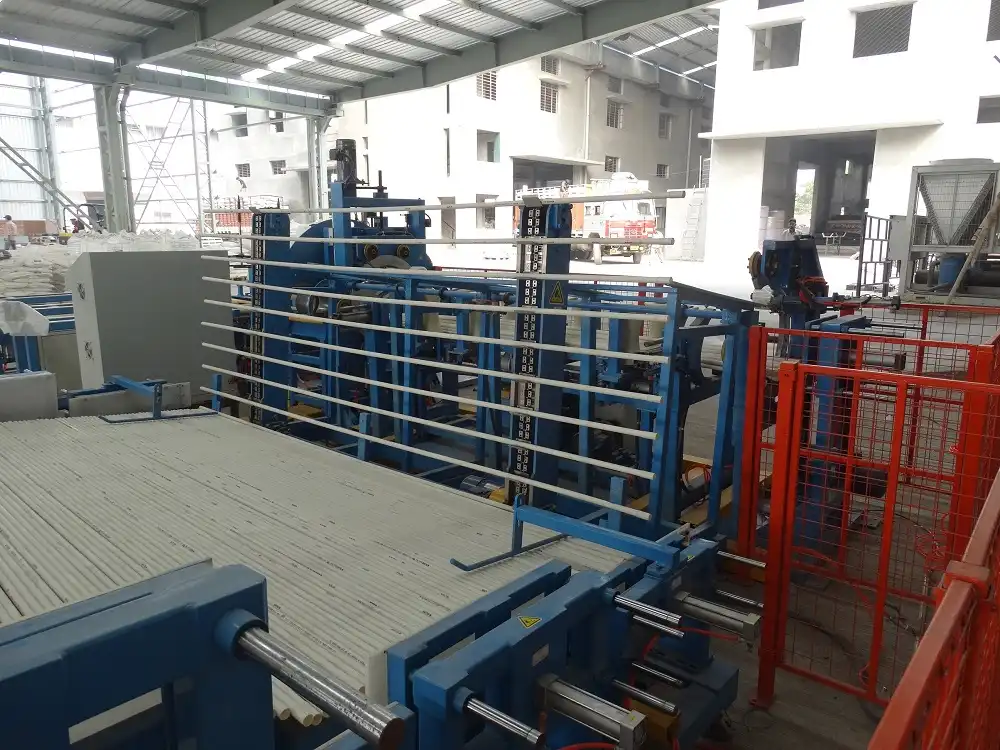
Let’s explore the specific aspects of sustainable packaging that pipe bundling machines support:
A Greener Approach: The Elements of Sustainable Packaging and Pipe Bundling
Pipe bundling machines are inherently adaptable, allowing for the integration of various eco-friendly materials and waste-reduction strategies. These practices work together to create a sustainable packaging system:
Eco-Friendly Material Compatibility
Pipe bundling machines can utilize a wide range of banding materials. The common materials in this process:
- Paper Banding: A recyclable and renewable alternative to plastic strapping.
- Biodegradable Films: Made from plant-based resources, they decompose naturally, reducing landfill waste.
- Recycled Plastics: Using recycled content reduces the need for virgin plastic production.
- Compostable Materials: These materials break down into nutrient-rich soil.
Waste Minimization
By precisely applying banding material and optimizing bundle density, these machines help reduce the overall amount of packaging required. This minimizes waste generation and associated disposal costs. Right-sized packaging ensures pipes are secure without unnecessary material.
Reduced Packaging Layers
Pipe bundling machines often eliminate the need for multiple layers of packaging. A single, secure band can replace layers of wrapping, reducing material use and simplifying the recycling process.
Recyclability Enhancement
Using mono-material banding simplifies the recycling process. When the entire bundle is made from a single, recyclable material, it’s easier to process and reuse, promoting a circular economy.
Compliance with Regulations
As environmental regulations become stricter, pipe bundling machines help companies comply with packaging reduction mandates and extended producer responsibility (EPR) schemes. This reduces the risk of fines and enhances a company’s environmental reputation.
To illustrate the environmental benefits of sustainable packaging materials, consider the following comparison:
| Material Type | Environmental Impact | Benefits |
|---|---|---|
| Virgin Plastic | High GHG emissions, non-biodegradable | Durable, versatile, low cost |
| Recycled Plastic | Lower GHG emissions, reduces waste | Conserves resources, reduces landfill space |
| Paper | Renewable, recyclable | Biodegradable, compostable, reduces plastic consumption |
| Biodegradable Film | Plant-based, compostable | Reduces plastic waste, less reliance on fossil fuels |
By choosing the right materials and implementing efficient bundling practices, companies can significantly reduce their environmental impact and contribute to a more sustainable future.
Additional Considerations for Sustainable Pipe Bundling
To maximize the benefits of pipe bundling machines, focus on using the minimum amount of recyclable strapping necessary to ensure bundle integrity. Reducing the thickness and width of strapping can be extremely effective. It can lower costs, improve packaging efficiency, and contribute to a more sustainable manufacturing and distribution process.
There are various options that allow you to consider the environmental impact of sustainable packaging. Pipe bundling machines are only one piece of the pie. A few additional steps for reducing your business’ carbon footprint include:
- Evaluate Your Carbon Footprint: Before you make changes, determine the status quo by performing a life-cycle assessment. Doing so will make the benefits of your investment crystal clear.
- Collaborate with Suppliers: Work closely with packaging suppliers to find more sustainable materials and design solutions.
- Optimize Packaging Design: Reduce the size and weight of packaging to minimize material use.
- Educate Consumers: Inform customers about your sustainable packaging efforts and encourage them to recycle.
- Invest in Recycling Infrastructure: Support initiatives to improve recycling rates in your community.
Conclusion
Pipe bundling machines are a powerful tool in the fight against carbon emissions. By streamlining operations, minimizing material waste, optimizing transportation, and promoting sustainable packaging practices, these machines help companies reduce their environmental footprint. Adopting these technologies is a win-win: good for the planet and good for business.








