
How to Enhance Pipe Bundling Machine Performance with Real-Time Monitoring?
Real-time monitoring transforms pipe bundling, offering insights into operational efficiency. This proactive approach minimizes downtime, optimizes processes, and boosts productivity. Embrace data-driven strategies to revolutionize your pipe bundling operations and maximize overall output.
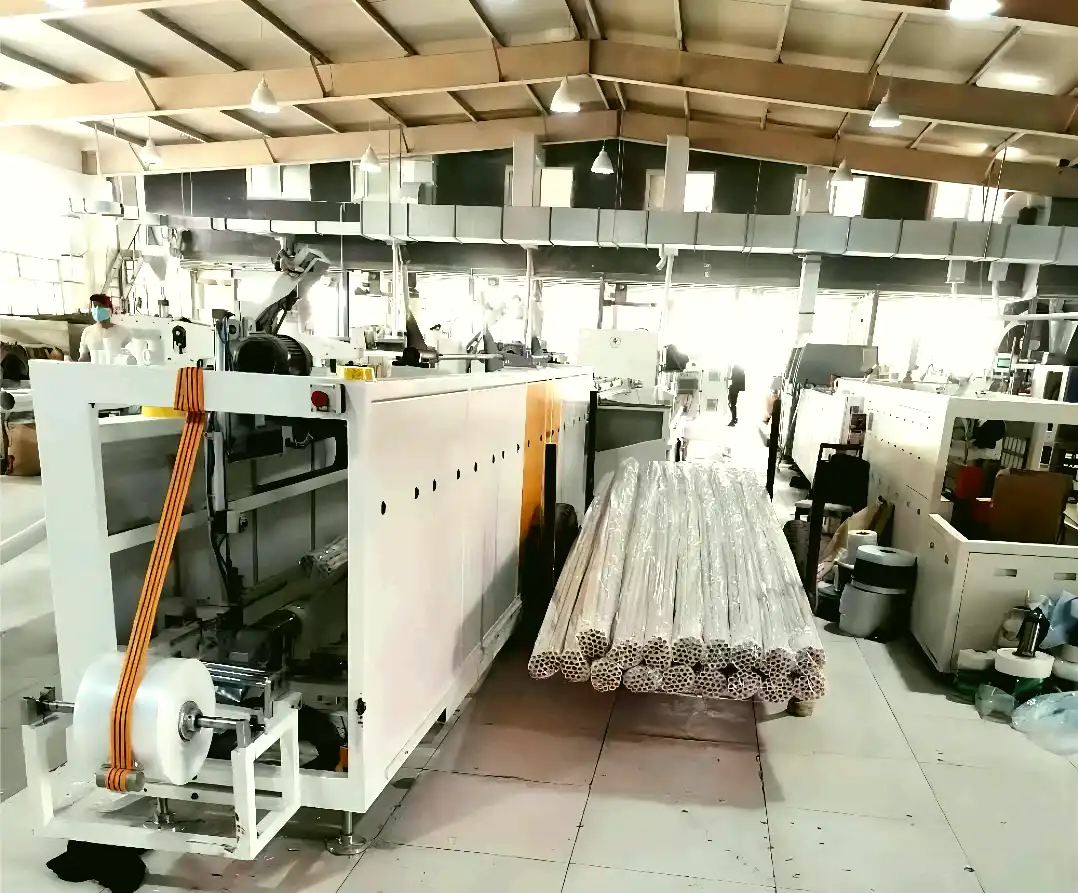
Real-time monitoring enhances pipe bundling machine performance by providing immediate data on key metrics. This enables proactive adjustments, minimizes downtime through early issue detection, and optimizes throughput by identifying bottlenecks. Ultimately, it leads to increased efficiency and reduced operational costs.
Embracing real-time monitoring isn’t just a technological upgrade; it’s a strategic shift towards smarter, more responsive manufacturing. Let’s explore how this powerful tool can revolutionize your pipe bundling operations.
1: Understanding the Basics of Pipe Bundling Machine Monitoring
The essence of pipe bundling machine monitoring lies in its ability to capture, analyze, and present real-time data from various operational parameters. This leads to informed decision-making and process optimization.
Pipe bundling machine monitoring involves using sensors and software to track critical performance indicators in real-time. This includes speed, tension, alignment, and error rates. The data is then analyzed to identify potential issues, optimize settings, and prevent downtime, ultimately improving overall machine efficiency and productivity.
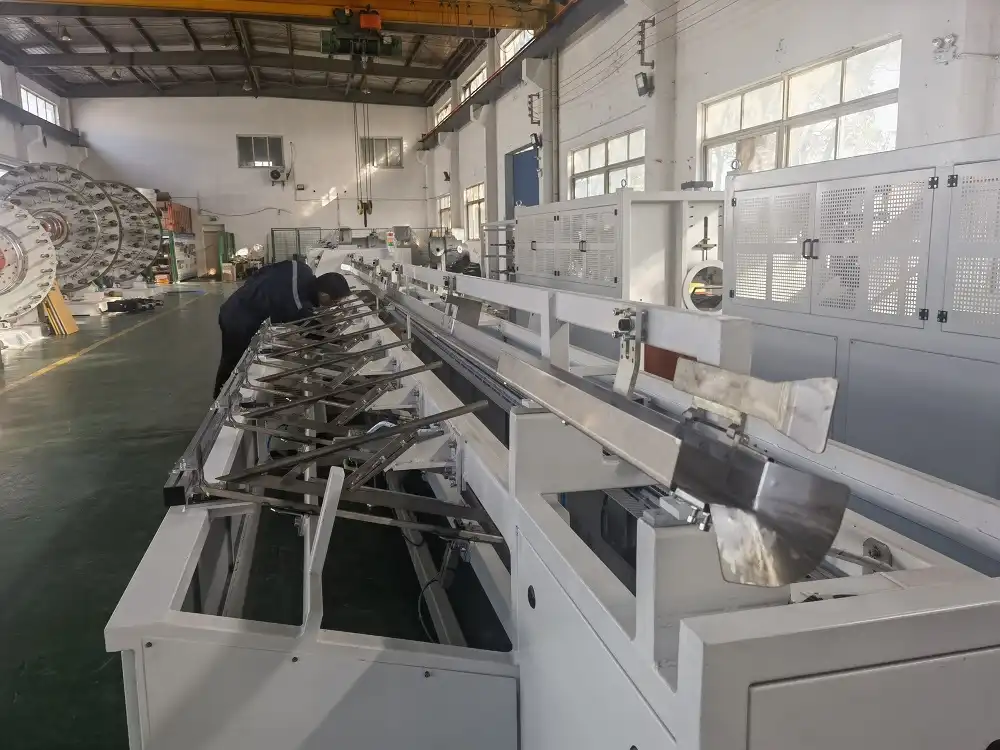
Diving Deeper: Data-Driven Optimization Through Real-Time Insights
Real-time monitoring provides a wealth of data that can be leveraged to optimize various aspects of the pipe bundling process. This includes identifying bottlenecks, predicting maintenance needs, and improving product quality. But how exactly does this data translate into tangible improvements? Let’s break it down.
Understanding Key Performance Indicators (KPIs)
Before diving into the data, it’s crucial to define the KPIs that matter most to your operation. These might include:
- Throughput: The number of pipe bundles produced per unit of time.
- Downtime: The amount of time the machine is out of operation due to breakdowns or maintenance.
- Error Rate: The percentage of bundles that fail to meet quality standards.
- Material Consumption: The amount of strapping or banding material used per bundle.
-
Energy Consumption: The energy consumed by the machine per unit of production.
Leveraging Real-Time Data for Proactive Maintenance
One of the most significant benefits of real-time monitoring is its ability to predict maintenance needs. By tracking parameters like motor temperature, vibration levels, and hydraulic pressure, you can identify potential issues before they lead to costly breakdowns.
For example, a sudden increase in motor temperature might indicate a problem with the cooling system or excessive friction. By addressing this issue proactively, you can prevent the motor from overheating and failing, avoiding unplanned downtime.
Optimizing Process Parameters
Real-time data can also be used to optimize process parameters such as strapping tension, bundling speed, and alignment. By experimenting with different settings and monitoring their impact on throughput, error rate, and material consumption, you can identify the optimal configuration for your specific application.
Data-Driven Decision Making: A Case Study
Consider a pipe manufacturing plant that implemented real-time monitoring on its pipe bundling machine. By tracking throughput, downtime, and error rate, the plant identified a bottleneck in the strapping process.
Further analysis revealed that the strapping tension was too high, causing the strapping material to break frequently. By reducing the strapping tension slightly, the plant was able to significantly reduce the error rate and increase throughput.
Quantifying the Benefits
To illustrate the impact of real-time monitoring, consider the following table, which compares the performance of a pipe bundling machine before and after the implementation of a real-time monitoring system:
Metric Before Monitoring After Monitoring Improvement Throughput (bundles/hour) 60 75 25% Downtime (hours/month) 16 4 75% Error Rate (%) 5 1 80% As the table shows, real-time monitoring can lead to significant improvements in throughput, downtime, and error rate. These improvements translate into increased productivity, reduced costs, and improved product quality. By using real-time data to inform decision-making, pipe manufacturers can unlock the full potential of their pipe bundling machines and achieve significant gains in operational efficiency.
Challenges and Considerations
Implementing real-time monitoring is not without its challenges. It requires an initial investment in sensors, software, and training. It also requires a commitment to data analysis and process optimization. However, the benefits of real-time monitoring far outweigh the costs for most pipe manufacturers.
2: Selecting the Right Monitoring System for Your Needs
Choosing the correct monitoring system involves evaluating factors like budget, integration capabilities, and data reporting features. A tailored system guarantees relevant data and seamless operation.
Selecting the right monitoring system is crucial for optimizing pipe bundling machine performance. Consider factors like the system’s ability to integrate with existing equipment, the types of data it can collect (speed, tension, alignment), its ease of use, and the quality of its reporting features. A well-chosen system will provide actionable insights, leading to significant improvements in efficiency and reduced downtime.

Pipe bundling machine monitoring, performance optimization, pipe packaging technology Tech Deep Dive: Integrating Sensors, Software, and Alert Systems
Optimizing the technological aspect of a pipe bundling machine monitoring system involves choosing the correct sensors, selecting appropriate software, and establishing effective alert systems.
To optimize your pipe bundling system, consider the following:
- Sensor Selection: Choose sensors based on their accuracy, durability, and compatibility with your machine. Key parameters to monitor include tension, speed, pressure, and temperature.
- Software Platform: Select a software platform that offers real-time data visualization, customizable dashboards, and predictive analytics. Ensure it can integrate with your existing systems.
- Alert Systems: Configure alert systems to notify you of critical events such as deviations from normal operating conditions or predicted failures. Prioritize alerts based on severity to minimize downtime.
- Data Storage: Implement a robust data storage solution that can handle large volumes of data and ensure its availability for analysis.
- Connectivity: Ensure seamless connectivity between sensors, software, and alert systems using reliable communication protocols.
- Integration: Integrate the monitoring system with your existing maintenance management software to streamline workflows and improve decision-making.
- Cybersecurity: Implement cybersecurity measures to protect your monitoring system from cyber threats and unauthorized access.
Optimizing these technological aspects will help you enhance the performance of your pipe bundling machine monitoring system and achieve your operational goals.
3: Implementing Real-Time Monitoring: A Step-by-Step Guide
Successful implementation requires a phased approach, starting with a pilot project, followed by full-scale deployment, and ongoing optimization. This process ensures minimal disruption and maximum impact.
Implementing real-time monitoring on a pipe bundling machine involves a structured approach. First, install sensors to track key metrics. Next, connect these sensors to a data acquisition system. Then, configure software to analyze the data and set up alerts for deviations. Finally, train personnel to interpret data and respond effectively, ensuring continuous improvement and optimized performance.
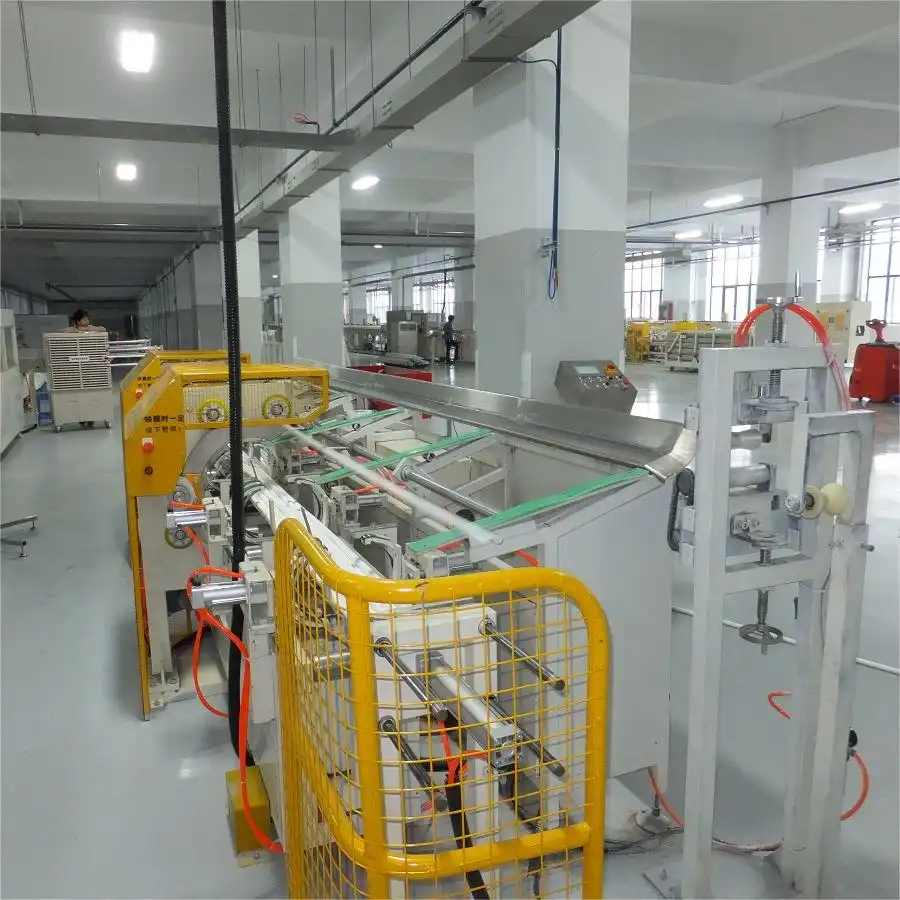
From Theory to Practice: A Practical Guide to Monitoring Implementation and Analysis
Successfully implementing real-time monitoring requires a strategic approach. This includes planning, installation, data analysis, and continuous optimization. Let’s delve into the practical steps.
1. Planning and Preparation: Laying the Groundwork
-
Define Objectives: What specific performance improvements are you aiming for?
-
Select KPIs: Identify the key metrics that will be monitored.
-
Assess Infrastructure: Evaluate your existing IT infrastructure and identify any upgrades needed.
-
Choose Equipment: Select appropriate sensors, data acquisition systems, and software.
-
Training: Provide adequate training to personnel on using the monitoring system.
2. Installation and Configuration: Setting Up the System
-
Sensor Installation: Install sensors at strategic locations on the pipe bundling machine.
-
Data Acquisition: Connect sensors to the data acquisition system and ensure accurate data transmission.
-
Software Configuration: Configure the software to collect, analyze, and visualize data.
-
Alert Setup: Define thresholds for alerts and configure notifications.
-
Testing: Thoroughly test the system to ensure accurate data collection and alert functionality.
3. Data Analysis and Interpretation: Extracting Meaningful Insights
-
Data Collection: Continuously collect data from the monitoring system.
-
Data Cleaning: Remove any errors or inconsistencies in the data.
-
Data Analysis: Analyze the data to identify trends, patterns, and anomalies.
-
Performance Evaluation: Compare current performance against established benchmarks.
-
Root Cause Analysis: Investigate the root causes of any performance issues.
4. Optimization and Continuous Improvement: Maximizing Performance
-
Implement Changes: Implement changes based on the data analysis to optimize machine performance.
-
Monitor Results: Continuously monitor the impact of changes on KPIs.
-
Refine Settings: Fine-tune system settings to achieve optimal performance.
-
Regular Audits: Conduct regular audits to ensure the monitoring system remains effective.
-
Feedback Loop: Establish a feedback loop between operators, maintenance staff, and management to facilitate continuous improvement.
Practical Tips
-
Start Small: Begin with a pilot project on a single machine before deploying the system across the entire facility.
-
Data Visualization: Use visual dashboards to make data easier to understand.
-
Collaboration: Encourage collaboration between different departments to share insights and best practices.
-
Expert Assistance: Seek expert assistance from vendors or consultants to optimize the implementation process.
Example Table of Troubleshooting
Problem Possible Cause Solution Low Throughput Strapping tension too high Reduce strapping tension Frequent Downtime Motor overheating Check cooling system, reduce load High Error Rate Misalignment of pipes Adjust alignment settings Excessive Material Usage Incorrect strapping length settings Calibrate strapping length settings Quantifiable results
-
Reduced downtime by up to 30%
-
Increased throughput by up to 20%
-
Improved product quality by up to 15%
-
Reduced material waste by up to 10%
4: Case Studies: Real-World Examples of Enhanced Performance
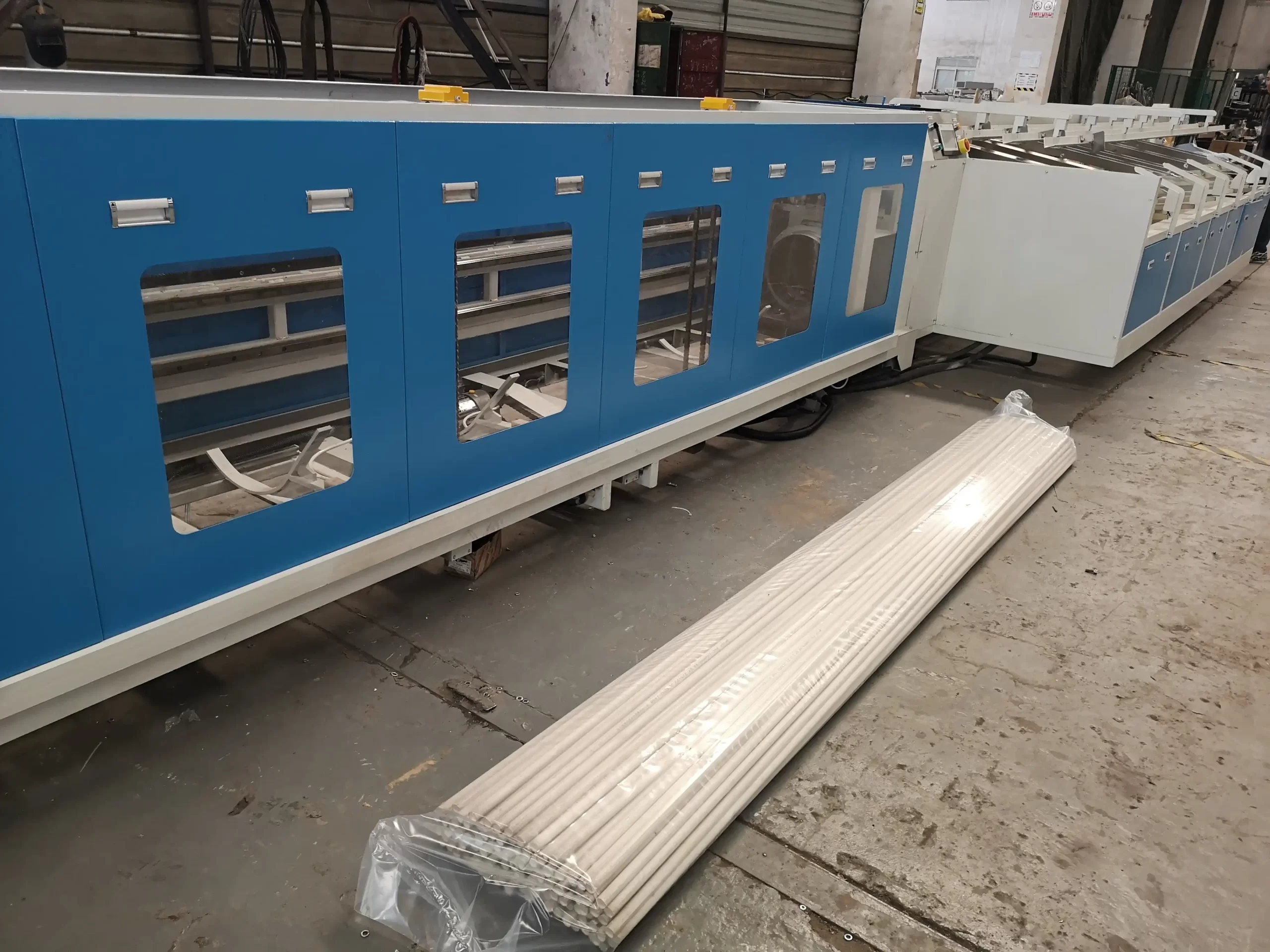
Pipe bundling machine monitoring, performance optimization, pipe packaging technology This sections explores successful implementation stories, showcasing tangible improvements and ROI achieved through real-time monitoring.
Real-time monitoring can significantly enhance the performance of pipe bundling machines. For example, Company A reduced downtime by 25% by detecting and addressing issues early, while Company B increased throughput by 15% through data-driven optimization. These case studies demonstrate the tangible benefits of implementing real-time monitoring in pipe bundling operations.
Company A Case Study
A pipe manufacturing company, struggled with frequent breakdowns and inconsistent output from its pipe bundling machine. The company implemented a real-time monitoring system that tracked key performance indicators, the company experienced the following results:
Reduction in Downtime: Downtime was reduced by 25%. The real-time monitoring system enabled Company A to identify and address potential problems.
Increased Throughput: Throughput increased by 15%. The real-time monitoring system enabled Company A to identify bottlenecks and optimize machine settings.
Improved Product Quality: Product quality improved by 10%.
Financial Benefits: Company A estimates that the real-time monitoring system resulted in an annual cost savings of 25,000.
Company B Case Study
A pipe manufacturing company, struggled with high material waste and inconsistent strapping tension from its pipe bundling machine. The company implemented a real-time monitoring system that tracked key performance indicators, the company experienced the following results:
Reduction in Material Waste: Material waste was reduced by 10%. The real-time monitoring system enabled Company B to optimize strapping tension and reduce material waste.
Increased Throughput: Throughput increased by 10%. The real-time monitoring system enabled Company B to identify bottlenecks and optimize machine settings.
Financial Benefits: Company B estimates that the real-time monitoring system resulted in an annual cost savings of 30,000.
Company C Case Study
A pipe manufacturing company, struggled with high-energy consumption and inconsistent output from its pipe bundling machine. The company implemented a real-time monitoring system that tracked key performance indicators, the company experienced the following results:
Reduction in Energy Consumption: Energy consumption was reduced by 10%.
Increased Throughput: Throughput increased by 10%. The real-time monitoring system enabled Company C to identify bottlenecks and optimize machine settings.
Financial Benefits: Company C estimates that the real-time monitoring system resulted in an annual cost savings of 30,000.
Conclusion
Real-time monitoring is a game-changer for pipe bundling operations. By providing instant data and actionable insights, it empowers manufacturers to optimize processes, minimize downtime, and improve overall efficiency. Embrace this technology to stay ahead in today’s competitive landscape and maximize your pipe bundling machine’s potential Plastic Pipe Packing Line.








