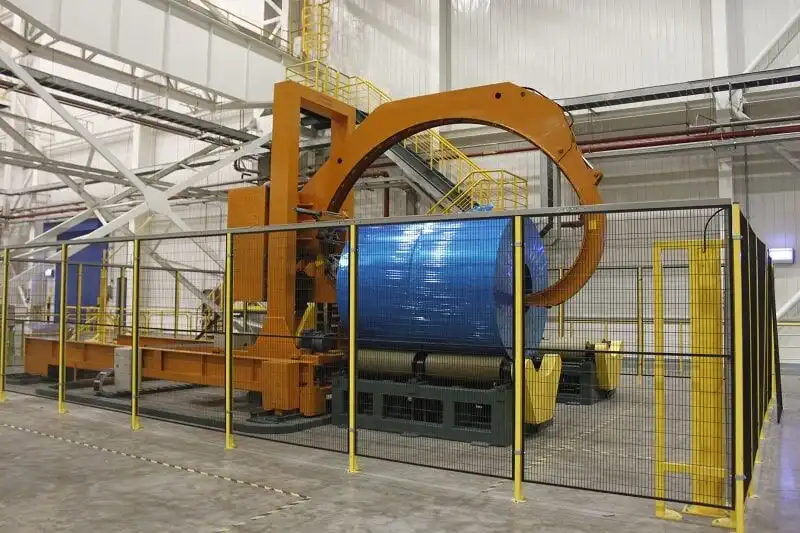
1. What Dust-Proof Methods Are Used in Steel Coil Packing?
Steel coil packing is essential to protect coils from damage and environmental factors. Among these factors, dust poses a significant threat, leading to surface abrasion and corrosion. Implementing effective dust-proof methods during the packing process is crucial for maintaining the quality and integrity of steel coils.
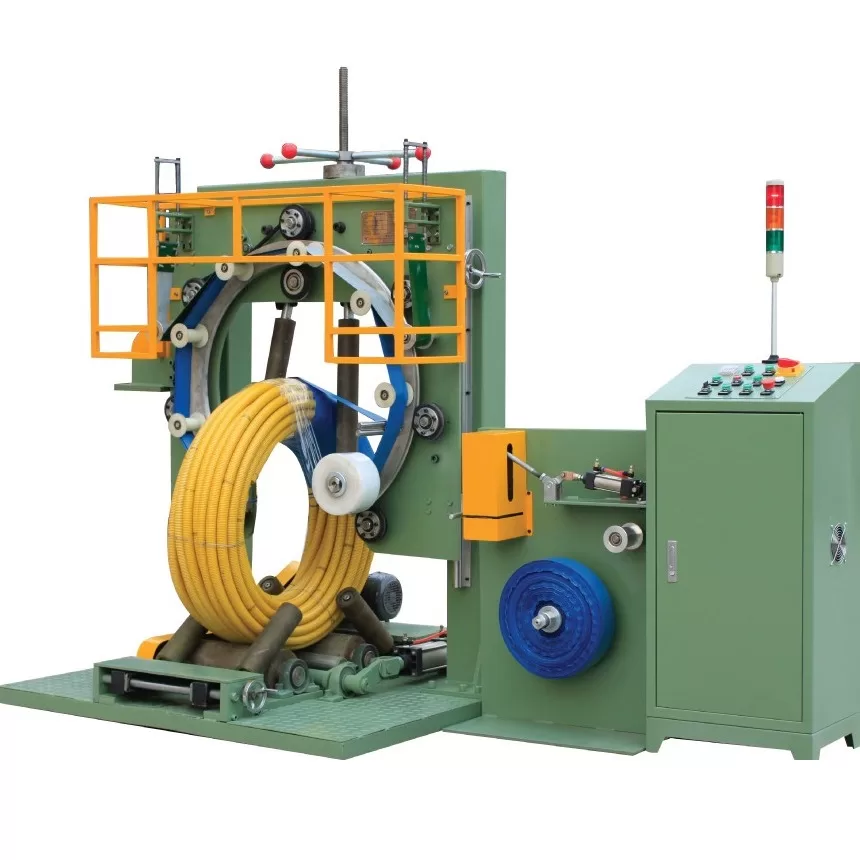
Various dust-proof methods are employed in steel coil packing, including dust caps or hoods to contain particles during packing, vacuum pull belts to negate dust effects, continuous motion packaging to minimize airborne dust, and rigorous preventative machine maintenance. These strategies collectively ensure coils are shielded from dust contamination throughout the packing lifecycle.

To delve deeper into ensuring pristine condition of steel coils, let’s explore the specific dust-proof methodologies integral to the coil packing process.
2. Dust Caps or Hoods
Dust caps or hoods are key components integrated into coil packing machinery to combat dust and particle contamination during the packaging process. These devices are strategically positioned to capture and remove dust particles, ensuring a cleaner packing environment.
Dust caps, also known as powder dust caps or containment hoods, function by creating a localized enclosed area during the filling and sealing stages. Connected to the packing machine via flexible tubing and equipped with dust filters, these hoods draw in dust-laden air, filtering out particles before they can contaminate the steel coil or the packaging material. This system is vital for operations handling materials that generate dust or are conducted in dusty environments.
The Mechanics and Merits of Dust Containment Systems
Dust containment hoods are not merely simple covers; they are engineered systems designed for optimal dust management. Understanding their detailed operation and benefits highlights their importance in steel coil packing.
Smooth Interior Design and Baffle Systems
A critical design element of an effective dust containment hood is its smooth interior surface. This feature is not just for aesthetics; it plays a functional role in facilitating the easy flow of powder and dust particles towards the extraction point. The smooth surface minimizes powder accumulation within the hood, preventing blockages and ensuring consistent dust removal.
Furthermore, well-designed dust hoods incorporate baffle systems. These baffles are strategically placed within the hood to control airflow and prevent dust from escaping during operation. By directing the airflow effectively, baffles ensure that airborne particles are drawn into the tubing and towards the dust filter, maximizing the hood’s dust containment efficiency.
Integration with Dust Collectors
For enhanced dust control, dust containment hoods are often used in conjunction with dust collectors. These collectors are separate units strategically placed near the packing machine to capture any dust that escapes the hood or becomes airborne during the packing process. Dust collectors operate by drawing in dust-filled air through filters, separating the particulate matter, and expelling clean air back into the workspace. This dual-system approach—hoods for direct source capture and collectors for ambient dust—provides a comprehensive dust-proof environment.
Maintenance and Efficiency
The efficiency of dust caps and hoods hinges on regular maintenance. Filters within both the hoods and dust collectors require periodic cleaning or replacement to prevent clogging and maintain optimal airflow. Regular checks of the flexible tubing and hood structure are also necessary to ensure there are no leaks or damage that could compromise the containment system. A proactive maintenance schedule ensures that these dust-proof methods continue to perform effectively, safeguarding the steel coils from contamination.
| Feature | Benefit | Maintenance Aspect |
|---|---|---|
| Smooth Interior Surface | Facilitates efficient dust flow, prevents blockages | Regular cleaning to prevent dust buildup |
| Baffle Systems | Prevents dust escape, directs airflow for effective capture | Inspection for damage or misalignment |
| Integration with Collectors | Comprehensive dust control, captures escaped airborne particles | Filter cleaning/replacement, collector unit maintenance |
| Regular Filter Maintenance | Maintains optimal airflow and filtration efficiency | Scheduled cleaning or replacement based on usage |
By employing dust caps or hoods, especially when combined with dust collectors, steel coil packing operations can significantly minimize dust contamination. This not only protects the quality of the steel coils but also contributes to a cleaner, healthier working environment.
3. Check Vacuum Pull Belts
Vacuum pull belts present an advanced solution to mitigate dust contamination in coil packing, particularly advantageous in environments where dust is prevalent. Unlike traditional friction-based systems, vacuum pull belts actively counteract dust’s negative impacts.
Vacuum pull belts utilize vacuum suction to secure and advance the packing film, effectively negating the interference caused by dust particles. In contrast to friction pull belts, which can suffer reduced performance and accelerated wear due to dust accumulation between the film and belts, vacuum systems maintain consistent operation even in dusty conditions. Although vacuum pull belts may represent a higher initial investment, their durability and sustained performance in dust-prone settings often lead to long-term cost savings through reduced maintenance and replacement.
Friction vs. Vacuum: A Detailed Comparison for Dusty Environments
The choice between friction and vacuum pull belts significantly impacts the efficiency and longevity of coil packing machinery, especially when operating in dusty conditions. A detailed comparison reveals the distinct advantages of vacuum systems in such settings.
Operational Principles and Dust Interaction
Friction pull belts, commonly standard in vertical form fill seal machines, rely on friction to move the packing film through the system. However, dust particles in the air can lodge between the belt and the film, reducing friction and causing slippage. This not only impairs the belt’s primary function of advancing the film but also leads to increased wear and tear as the system strains to compensate for the reduced grip.
Vacuum pull belts, conversely, use vacuum suction to hold the film against the belt. This method creates a secure hold that is unaffected by dust. The vacuum action ensures consistent film movement, preventing slippage and maintaining operational efficiency even when dust particles are present. This inherent dust resistance makes vacuum pull belts a superior choice for dusty environments where friction belts would struggle.
Cost and Maintenance Over Time
While vacuum pull belts typically have a higher upfront cost compared to friction belts, their long-term cost-effectiveness becomes apparent when considering maintenance and replacement expenses. Friction belts in dusty environments require more frequent cleaning and replacement due to accelerated wear from dust abrasion and reduced performance.
Vacuum pull belts, by nullifying the effects of dust, experience significantly less wear and maintain their performance over extended periods. This durability translates to fewer replacements and reduced downtime for maintenance, offsetting the initial higher cost. In the long run, the reduced maintenance and extended lifespan of vacuum pull belts can make them the more economical option, particularly in persistently dusty coil packing facilities.
| Feature | Friction Pull Belts | Vacuum Pull Belts |
|---|---|---|
| Operational Principle | Friction-based film advancement | Vacuum suction-based film advancement |
| Dust Interaction | Performance degrades; accelerated wear due to dust lodging | Performance unaffected by dust; consistent operation |
| Initial Cost | Lower | Higher |
| Maintenance | Higher frequency of cleaning and replacement | Lower frequency of cleaning and replacement, more durable |
| Long-Term Cost | Potentially higher due to maintenance and replacements | Potentially lower due to durability and reduced maintenance |
Choosing vacuum pull belts in coil packing machinery is a strategic decision for facilities battling dust contamination. While the initial investment is greater, the long-term benefits of reduced maintenance, enhanced operational consistency, and extended lifespan make vacuum systems a cost-effective and efficient dust-proof method.
4. Packaging of Powder in Continuous Motion
Continuous motion in coil packing machinery offers an inherent advantage in dust prevention, especially when compared to intermittent motion systems. The operational dynamics of continuous motion inherently minimize dust contamination during the packaging process.
Continuous motion packaging machinery operates with a constant movement of the packing film, creating a continuous airflow directed downwards into the package. This airflow actively encourages any dust generated by the product to settle inside the packaging, where it belongs. Conversely, intermittent motion machinery, which stops and starts the film movement in cycles, can cause powder or dust to become airborne when the film abruptly halts, increasing the risk of dust settling on and contaminating the product. Opting for continuous motion systems is therefore a proactive dust-proof strategy in coil packing.
Continuous vs. Intermittent Motion: Dust Contamination Dynamics
The fundamental difference in motion between continuous and intermittent packaging machines dictates how each system interacts with dust and airborne particles. Understanding these dynamics is crucial for selecting the appropriate machinery for dust-sensitive coil packing operations.
Airflow and Dust Dispersion Mechanisms
Continuous motion packaging machines are characterized by their non-stop film movement. This constant motion generates a consistent downward airflow that actively channels any product-generated dust towards the inside of the package as it is being formed and sealed. The continuous airflow acts as a natural dust control mechanism, ensuring that airborne particles are directed away from the product and into the intended containment.
Intermittent motion machines, on the other hand, operate in a stop-and-go manner. The film advances, then stops for sealing, and then starts again for the next cycle. This intermittent action disrupts airflow and can cause any fine powder or dust to become airborne, especially during the abrupt stops and starts. When the film is stationary during the sealing phase, airborne dust has the opportunity to settle onto the product, leading to potential contamination.
Contamination Risks and Waste Generation
The operational differences between continuous and intermittent motion systems directly impact the risk of dust contamination. Continuous motion machines, with their inherent downward airflow, minimize the chance of dust settling on the product, thus reducing contamination risks. This also translates to less product waste, as more of the material is accurately directed into the packaging rather than becoming airborne and lost.
Intermittent motion machines, with their propensity to generate airborne dust, face a higher risk of product contamination. The intermittent stops and starts not only allow for dust settlement but can also lead to increased product waste as fine particles become dispersed and are not effectively contained within the packaging. For dust-sensitive materials like steel coils that require a high degree of cleanliness, continuous motion packaging offers a clear advantage in minimizing contamination and waste.
| Feature | Continuous Motion Packaging | Intermittent Motion Packaging |
|---|---|---|
| Film Motion | Constant and uninterrupted | Stop-and-go cycles |
| Airflow | Continuous downward airflow into package | Disrupted airflow, potential for updrafts |
| Dust Dispersion | Dust channeled into package by airflow | Dust becomes airborne due to starts and stops |
| Contamination Risk | Lower risk, dust directed into package | Higher risk, dust can settle on product during stops |
| Product Waste | Lower, better containment of product | Higher, potential loss of product as airborne dust |
For steel coil packing, especially when dealing with materials that can generate dust or are sensitive to particulate contamination, continuous motion packaging machinery provides a superior dust-proof solution. Its operational mechanics inherently reduce airborne dust and contamination risks, leading to a cleaner, more efficient, and less wasteful packaging process.
5. Proper Preventative Maintenance of Machines
Preventative maintenance is not merely a routine task; it is a cornerstone of dust control in steel coil packing operations. Regular and thorough maintenance of machinery is crucial to complement other dust-proof methods and ensure long-term system efficacy.
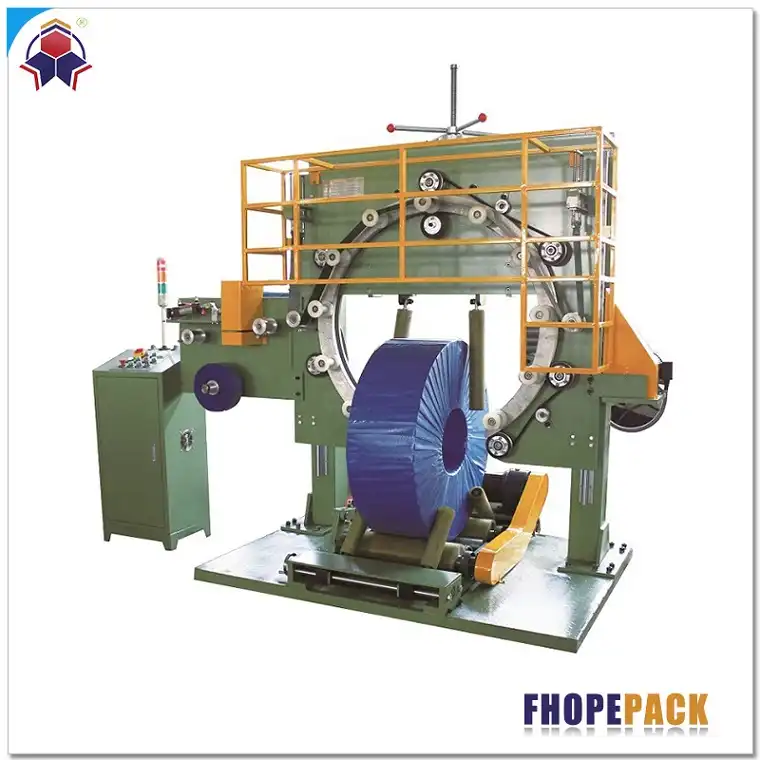
While dust-controlling measures like hoods and vacuum belts are proactive, they are most effective when supported by a robust preventative maintenance schedule. This schedule should emphasize regular cleaning, especially in hard-to-reach areas of the machinery, to prevent dust and powder accumulation. By adhering to a meticulous maintenance regimen, facilities can significantly mitigate dust-related issues, ensuring that the entire dust-proofing system operates optimally and prolonging the lifespan of the equipment.
The Critical Role of Preventative Maintenance in Dust Control
Preventative maintenance extends beyond basic cleaning; it is a comprehensive strategy that addresses the root causes of dust accumulation and ensures the sustained performance of dust-proof mechanisms.
Cleaning Schedules and Focus Areas
A well-defined preventative maintenance schedule is essential. This schedule should outline the frequency and scope of cleaning tasks, specifying daily, weekly, and monthly routines. Critical areas to focus on include:
- Dust Hoods and Filters: Regular cleaning or replacement of filters in dust hoods and collectors to maintain airflow and filtration efficiency.
- Vacuum Pull Belts: Inspection and cleaning of belts and vacuum systems to ensure consistent suction and prevent dust buildup that could affect performance over time.
- Machine Interiors: Cleaning of internal machinery components, especially areas prone to dust accumulation, to prevent operational inefficiencies and wear.
- Sealing and Enclosures: Checking and maintaining seals and enclosures around packing zones to prevent dust ingress and egress.
Addressing Hard-to-Reach Areas
Dust tends to accumulate in areas that are not easily accessible, such as crevices, corners, and internal parts of machinery. Preventative maintenance must specifically target these hard-to-reach areas. This may involve using specialized tools, such as compressed air nozzles, brushes, and vacuum attachments, to effectively remove dust buildup. Detailed cleaning protocols should be established and followed to ensure no area is overlooked.
Long-Term Benefits of Consistent Maintenance
Consistent preventative maintenance offers numerous long-term advantages. It not only enhances the effectiveness of dust-proof methods but also:
- Prolongs Equipment Life: Regular cleaning and inspection prevent dust-induced wear and tear, extending the lifespan of coil packing machinery.
- Maintains Operational Efficiency: Clean machinery operates more smoothly and efficiently, reducing downtime and improving productivity.
- Reduces Contamination Risks: By preventing dust accumulation, maintenance minimizes the risk of product contamination, ensuring the quality of steel coils.
- Cost Savings: Lower maintenance costs in the long term due to reduced repairs and replacements, and fewer losses from contaminated product.
| Maintenance Aspect | Focus | Benefit | Frequency |
|---|---|---|---|
| Filter Cleaning/Replacement | Dust hoods, dust collectors | Maintains airflow, ensures effective dust capture | Regular |
| Vacuum Belt Inspection | Vacuum pull belts and suction systems | Ensures consistent suction, prevents dust-related performance degradation | Regular |
| Internal Machine Cleaning | Hard-to-reach areas, crevices, corners | Prevents dust accumulation, reduces wear and tear, improves efficiency | Scheduled |
| Seal and Enclosure Checks | Seals around packing zones | Prevents dust ingress and egress, maintains containment effectiveness | Scheduled |
Preventative maintenance is an indispensable dust-proof method in steel coil packing. It complements other dust control strategies, ensuring their continued effectiveness and delivering long-term benefits in terms of operational efficiency, product quality, and cost savings.
6. Conclusion
In steel coil packing, dust-proof methods are multifaceted, encompassing equipment design, operational techniques, and diligent maintenance practices. From employing dust caps and vacuum pull belts to leveraging continuous motion packaging and emphasizing preventative maintenance, each method plays a critical role in safeguarding steel coils from dust contamination. Implementing these strategies comprehensively ensures product integrity, operational efficiency, and a cleaner, safer working environment. For facilities prioritizing cleanliness and quality, a holistic approach integrating these dust-proof methods is not just beneficial—it is essential.