
How to Evaluate Pallet Inverter Price vs Performance Before Making a Purchase?
Choosing the right equipment for your warehouse can feel like a high-stakes gamble. A poor choice in pallet handling can lead to costly delays, damaged goods, and even injuries. Many companies make the mistake of focusing only on the lowest price, missing the true value a robust pallet inverter brings. This oversight often leads to higher operational costs in the long run.
Evaluating a pallet inverter means looking beyond the sticker price. It involves a deep dive into its operational efficiency, safety features, long-term reliability, and how it fits your specific warehouse needs. A cheaper machine might cost you more in downtime or accidents later, impacting your delivery schedules and client relationships.
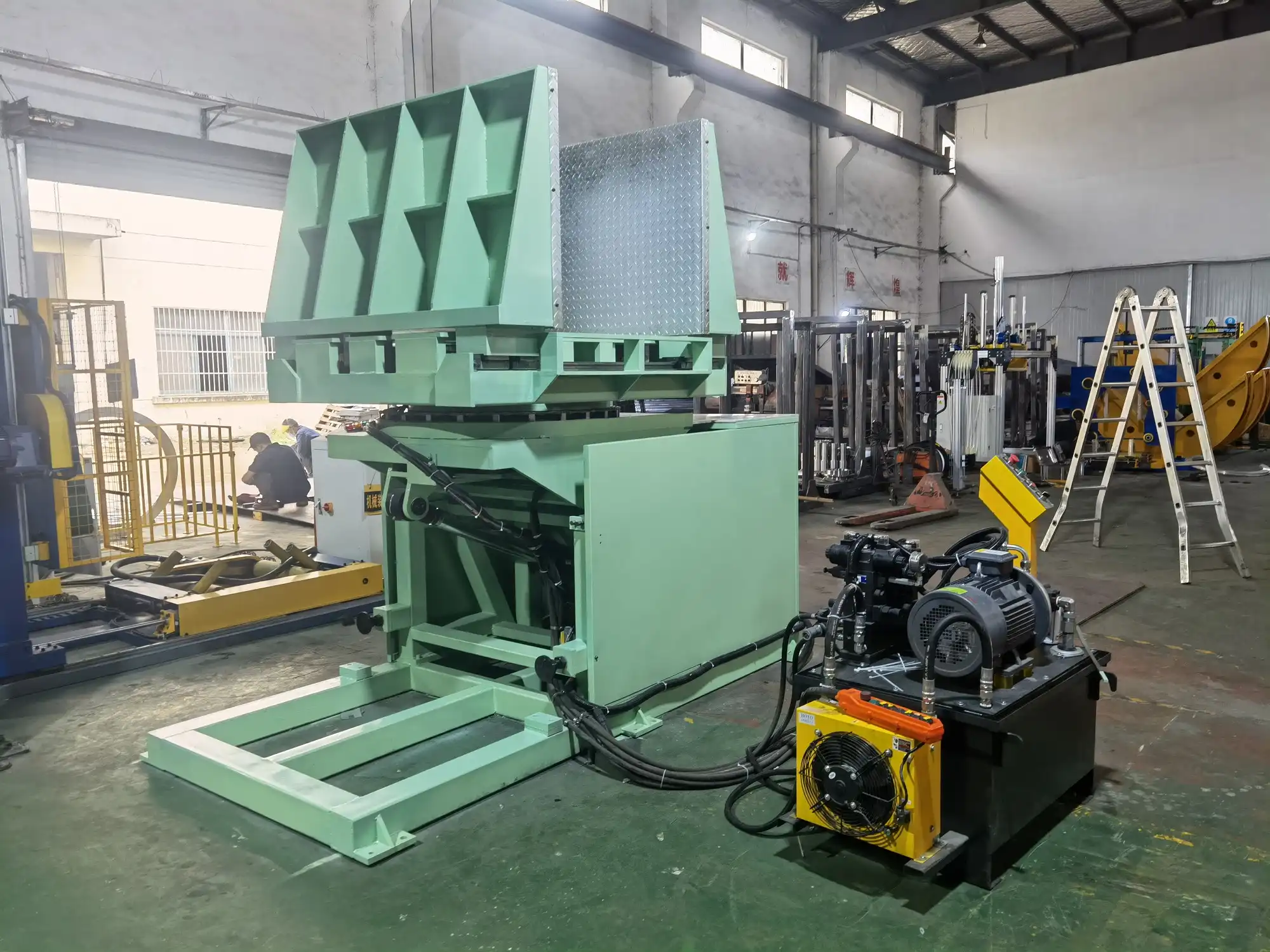
I know this challenge well from my own journey in the packing machine industry. I started as an employee and built FHOPEPACK because I saw a real need for reliable, value-driven solutions. Now, I want to share my insights with you. Let us break down how to truly assess a pallet inverter and ensure your investment pays off. We will look at what truly matters when you are choosing a pallet inverter for your operations.
Why is “Price vs. Performance” crucial for pallet inverters?
Are you feeling the pressure to speed up deliveries while also cutting costs and maintaining safety? Many logistics managers, like Carlos in Spain, face daily challenges with diverse pallet types and tight schedules. Simply buying the cheapest machine can feel like a quick fix, but it often creates more problems than it solves. You might save a little money upfront, but you could end up with frequent breakdowns or slow operations. This impacts your shipping times and can lead to unhappy customers or even contract penalties.
Focusing only on the initial purchase price of a pallet inverter can be a costly mistake for any warehouse or distribution center. The true cost of equipment extends far beyond its buying price. It includes how well it performs daily, how often it breaks down, and how it affects your team’s productivity and safety. A machine that performs poorly might save you cash today, but it will drain your resources with ongoing issues, delays, and potential safety risks.
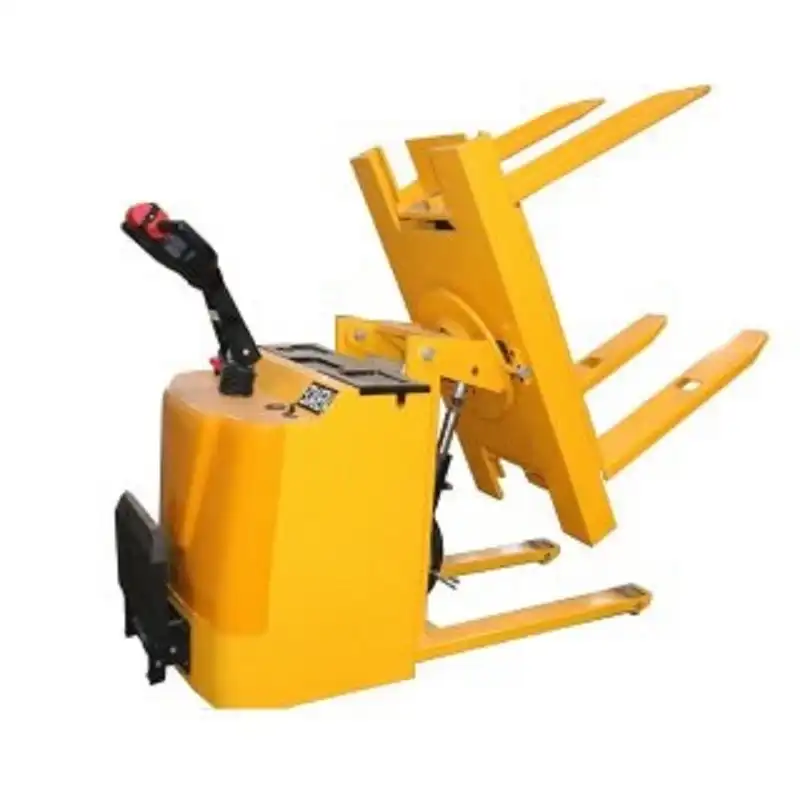
From my experience, understanding the balance between price and performance is the key to smart investment. For a busy distribution center, like the one Carlos manages, thousands of pallets move daily. If the pallet changing machine is slow or unreliable, it bottlenecks the entire operation. This means more labor hours, missed deadlines, and customer dissatisfaction. It can also lead to fines. I learned this firsthand through years of building and operating packing machine factories. The cheapest machine often has the highest hidden costs. It is vital to look at the total value and not just the initial expense (warehouse efficiency, equipment ROI).
Dive Deeper: The Real Impact of Imbalanced Choices
When you prioritize price over performance for a pallet inverter, the ripple effects can be substantial. It is not just about the machine itself. It is about your entire operational ecosystem. Consider these critical areas:
-
Operational Bottlenecks & Throughput Reduction:
- Problem: A low-performance pallet inverter often operates slowly or jams frequently.
- Impact: This creates bottlenecks in your material flow. Your facility cannot process pallets fast enough, delaying inbound and outbound shipments. For Carlos, managing Euro and US pallet changes, slow equipment means missed export deadlines.
- Solution: Investing in a faster, more reliable machine, even if it costs more initially, ensures smooth operations and maintains high throughput. This is essential for meeting aggressive delivery schedules demanded by e-commerce clients. (logistics throughput, material handling bottlenecks)
-
Increased Labor Costs & Reduced Productivity:
- Problem: A pallet inverter that requires constant manual intervention or is prone to errors will demand more human oversight.
- Impact: Your team spends more time troubleshooting and less time on productive tasks. If the machine is slow, workers wait for it, or they resort to riskier manual methods. This directly increases labor costs in a time when skilled warehouse labor is already scarce and expensive.
- Solution: A highly automated and efficient pallet inverter reduces the need for constant supervision and minimizes manual handling. This frees up your team, allowing them to focus on higher-value activities. It also addresses the challenge of labor shortages. (automated pallet handling, labor cost reduction)
-
Elevated Safety Risks & Compliance Issues:
- Problem: Cheaper machines may lack advanced safety features or be less stable during operation.
- Impact: Manual pallet changing is inherently dangerous, leading to potential accidents, injuries, and even cargo damage. Carlos has already experienced accidents. Accidents result in medical costs, insurance claims, and legal liabilities. They also disrupt operations and lower team morale. Non-compliant pallet changes can lead to rejection of goods at customs.
- Solution: Prioritizing performance often means investing in machines with robust safety interlocks, stable designs, and ergonomic operations. This reduces the risk of incidents, protects your workforce, and ensures compliance with safety regulations. (warehouse safety, operational compliance)
-
Higher Maintenance Costs & Downtime:
- Problem: Lower-priced pallet inverters often use cheaper components or have less durable construction.
- Impact: This leads to more frequent breakdowns, higher repair costs, and extended periods of downtime. Every hour a critical machine is down costs money in lost productivity and missed deadlines. Spare parts might be hard to find or expensive.
- Solution: A higher-performance machine, built with quality materials and engineering, will have a longer lifespan, require less maintenance, and offer greater reliability. This reduces unexpected costs and ensures continuous operation. (equipment reliability, reduced downtime, total cost of ownership)
By deeply understanding these impacts, you can make a choice that supports your long-term business goals, rather than just solving an immediate budget constraint.
What key performance metrics should you consider in a pallet inverter?
Are you wondering how to objectively measure a pallet inverter’s effectiveness beyond what the sales brochure tells you? It is easy to get lost in technical specifications, but what truly matters is how the machine performs in your unique warehouse environment. Ignoring key performance metrics can lead you to buy a machine that looks good on paper but fails in real-world conditions. This means ongoing frustration and financial losses for your operation.
When evaluating a pallet inverter, focus on metrics that directly impact your operational efficiency, safety, and adaptability. These include its cycle speed, load capacity, versatility for different pallet types and sizes, and the reliability of its components. Safety features, ease of maintenance, and the level of automation also play a critical role in its overall performance value.

In my years of developing and implementing packing solutions, I have seen many companies overlook these critical details. For a manager like Carlos, who handles thousands of pallets daily and juggles Euro, US, and plastic pallets, specific performance points are non-negotiable. He needs a machine that can adapt quickly without manual adjustments and operates consistently throughout a long shift. These are the aspects that separate a good machine from a great one. They directly contribute to meeting customer demands and keeping your business running smoothly (pallet inverter performance, operational metrics).
Dive Deeper: Metrics That Define True Value
To make a truly informed decision, you need to dissect a pallet inverter’s capabilities based on specific, measurable criteria. These metrics directly address the challenges Carlos faces daily:
-
Cycle Speed and Throughput Capacity:
- ⏱️ What it means: How many pallet changes the machine can complete per hour or shift.
- Why it matters: For high-volume operations like Carlos’s food distribution center, faster cycle speeds directly translate to higher throughput. This helps meet tight delivery schedules and reduces bottlenecks. A machine that processes 30 pallets per hour is significantly more valuable than one doing only 15, especially when handling thousands daily. (high-speed pallet changing, warehouse throughput)
-
Load Capacity and Stability:
- ⚖️ What it means: The maximum weight and dimensions the pallet inverter can safely handle.
- Why it matters: Your equipment must match the weight and size of your typical palletized goods. Overloading can lead to breakdowns or safety hazards. The machine must remain stable and secure even with heavy or uneven loads to prevent product damage or accidents. Carlos handles heavy food and beverage pallets, so robust capacity is crucial. (heavy-duty pallet inverter, load stability)
-
Pallet Versatility and Adaptability:
- 🔄 What it means: The ability to seamlessly handle different pallet types (Euro, US, plastic, wooden) and sizes without extensive manual re-configuration.
- Why it matters: Carlos’s primary challenge is switching between diverse pallet standards for international exports. A highly versatile machine minimizes downtime from manual adjustments. It ensures smooth transitions from a Euro pallet to a US pallet, for example, which is critical for international logistics. (multi-pallet compatibility, flexible pallet handling)
-
Automation Level and User Interface:
- 🤖 What it means: The degree to which the machine operates autonomously and how easy it is for operators to use and monitor.
- Why it matters: Higher automation reduces labor requirements and human error, which directly addresses labor shortage issues. An intuitive user interface makes training easier and operation more efficient. Features like automatic pallet detection or programmable settings add significant value. (automated pallet changer, user-friendly interface)
-
Safety Features and Compliance:
- 🚨 What it means: Integrated safety mechanisms like light curtains, emergency stops, safety guarding, and compliance with industry safety standards.
- Why it matters: This is paramount. For Carlos, who has experienced accidents, reducing injury risk is a top priority. Robust safety features protect workers, prevent product damage, and ensure compliance with regulations, which also lowers insurance costs and legal exposure. (industrial safety standards, secure pallet inversion)
-
Reliability and Durability of Components:
- ⚙️ What it means: The quality of the machine’s construction, motors, hydraulics, and other critical parts.
- Why it matters: High-quality components lead to fewer breakdowns, lower maintenance costs, and a longer operational lifespan. You want a machine that can operate continuously in a high-intensity environment, like Carlos’s warehouse, without constant interruptions. (durable packing machinery, component quality)
By thoroughly evaluating these performance metrics, you move beyond mere price and focus on the practical, long-term value a pallet inverter brings to your entire operation.
How do different pallet inverter types impact your warehouse efficiency and budget?
Are you feeling overwhelmed by the variety of pallet inverter types on the market? It is easy to think one machine fits all, but selecting the wrong type can severely impact your warehouse efficiency and budget. A mismatch might mean you are paying for features you do not need or, worse, lacking essential capabilities. This can lead to operational bottlenecks and unnecessary costs down the line.
Different pallet inverter types—like 180-degree fixed, 90-degree tippers, or mobile pallet changers—offer distinct functionalities, automation levels, and price points. Each type is designed for specific operational needs, load types, and space constraints. Understanding these differences is crucial to aligning your choice with your warehouse layout, volume requirements, and budget expectations, ultimately impacting your operational flow and investment return.
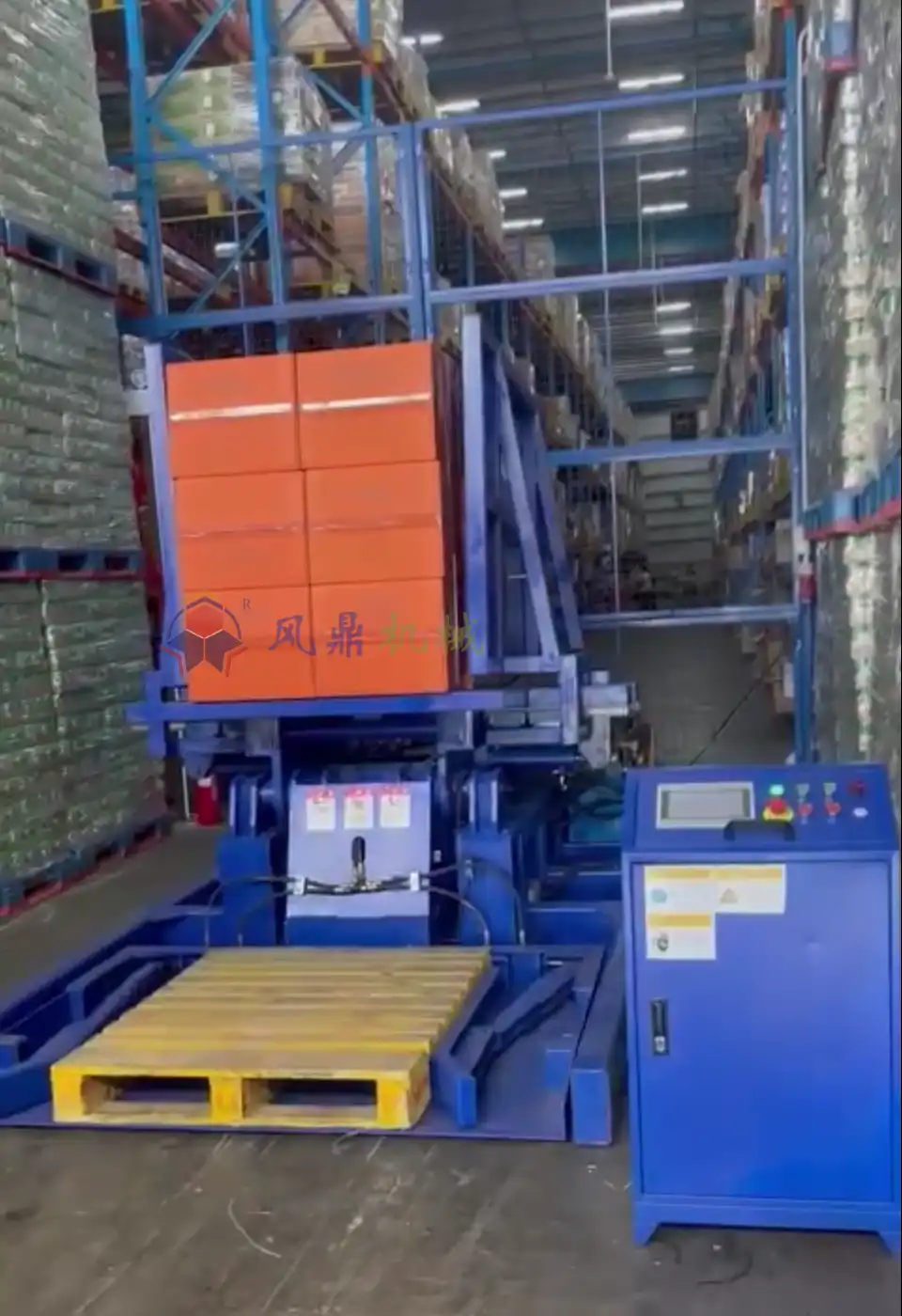
Throughout my career at FHOPEPACK, I have seen how the right machine can transform a logistics operation. Conversely, a poorly chosen one can drain resources. For someone like Carlos, dealing with frequent pallet changes between Euro and US standards, the type of inverter directly influences speed, safety, and labor requirements. Knowing which type fits best prevents costly mistakes and ensures you get the most value for your investment (pallet inverter types, warehouse technology).
Dive Deeper: Matching Machine Types to Your Needs
The choice of pallet inverter type is not just a technical detail; it is a strategic decision that affects your entire supply chain. Let us explore the common types and their implications for efficiency and budget, keeping Carlos’s challenges in mind:
-
180-Degree Fixed Pallet Inverters (Floor-Level / Online):
- Description: These machines fully invert a pallet and its load, typically rotating it 180 degrees. Fixed units are installed in a specific location, often integrated into a conveyor system.
- Efficiency Impact:
- ✅ High Automation: Ideal for fully automated lines, offering high throughput and minimal manual intervention.
- ✅ Consistent Flow: Provides continuous, uninterrupted pallet changing, perfect for high-volume operations.
- ❌ Limited Flexibility: Cannot be easily moved. If your operation requires pallet changes at different points, this type might be restrictive.
- Budget Impact:
- ⬆️ Higher Initial Cost: Due to integration and complexity.
- ⬇️ Lower Operating Cost: Reduced labor and high efficiency lead to excellent long-term ROI in suitable environments.
- Best for: High-volume warehouses with consistent pallet changing needs in a fixed location. Ideal for food industries needing quick, sanitary pallet swaps. (automated pallet inverter, 180-degree pallet flipper)
-
90-Degree Pallet Tippers/Inverters (Tilters):
- Description: These machines tilt the load 90 degrees, allowing access to the top or bottom of the pallet for tasks like slip sheet insertion or removing broken pallets. Some advanced models combine a tilt with a turn for full inversion.
- Efficiency Impact:
- ✅ Accessibility: Great for specific tasks where you need to access one side of the load or for product transfer without full inversion.
- ✅ Space-Saving: Can be more compact than full 180-degree systems.
- ❌ Lower Automation for Full Change: Might require more manual steps if a complete pallet inversion is needed.
- Budget Impact:
- ↔️ Moderate Cost: Generally less expensive than full 180-degree fixed systems.
- ⬆️ Potential Higher Labor for Full Changes: If used for full pallet swaps, it might involve more manual handling.
- Best for: Operations where you frequently add slip sheets, remove damaged goods from the top layer, or need to access the underside of a load without a full flip. (90-degree pallet tilter, load transfer machine)
-
Mobile Pallet Changers/Exchangers:
- Description: These units are portable and can be moved to different locations within the warehouse. They offer flexibility in where pallet changing operations can occur.
- Efficiency Impact:
- ✅ High Flexibility: Allows pallet changes exactly where needed, reducing internal transport.
- ✅ Versatility: Can handle various pallet sizes and types depending on the model.
- ❌ Lower Throughput: Typically slower than fixed, automated systems. Requires manual positioning.
- Budget Impact:
- ↔️ Moderate Initial Cost: Often a good entry point for automation.
- ↔️ Flexible Operational Costs: Can save on internal transport but might have higher labor input per change.
- Best for: Warehouses with varying pallet changing locations, lower to medium volume needs, or when space is limited for a fixed installation. Excellent for facilities testing automation or with evolving layouts. (mobile pallet inverter, portable pallet changer)
-
Automatic Pallet Exchange Systems (Clamp/Press/Push-Pull):
- Description: These systems often use clamping, pressing, or push-pull mechanisms to transfer goods from one pallet to another without tilting or inverting the product. They are highly automated.
- Efficiency Impact:
- ✅ High Speed & Automation: Excellent for very high-volume, continuous operations.
- ✅ Gentle Handling: Ideal for fragile products as the load itself is not inverted.
- ❌ Specialized Use: Best for direct pallet-to-pallet transfers, not full load rotation.
- Budget Impact:
- ⬆️⬆️ Highest Initial Cost: Most complex and automated.
- ⬇️⬇️ Lowest Operating Cost: Maximized efficiency, minimized labor.
- Best for: Food and beverage industries with sterile or fragile goods, high-volume operations requiring rapid, gentle, and automated pallet changes. Perfect for Carlos’s need for high efficiency and compliance. (automatic pallet exchanger, sanitary pallet transfer)
By carefully considering your specific operational needs—volume, product fragility, space, and budget—you can select the pallet inverter type that provides the most effective balance of efficiency and cost.
What hidden costs and long-term benefits should you evaluate for total value?
Are you only looking at the sticker price of a pallet inverter and overlooking the bigger picture? Many businesses make this mistake, only to find themselves facing unexpected expenses down the road. Ignoring hidden costs can significantly inflate your actual investment, while underestimating long-term benefits means you might miss out on substantial savings and operational improvements. This approach leads to an incomplete understanding of true value.
To truly evaluate a pallet inverter, you must consider the Total Cost of Ownership (TCO). This includes hidden costs like installation, energy consumption, spare parts, maintenance, and operator training. Simultaneously, you must weigh the long-term benefits such as reduced labor, improved safety, higher throughput, minimized product damage, and enhanced customer satisfaction. A comprehensive view ensures you invest in a solution that provides lasting value, not just a low initial price.
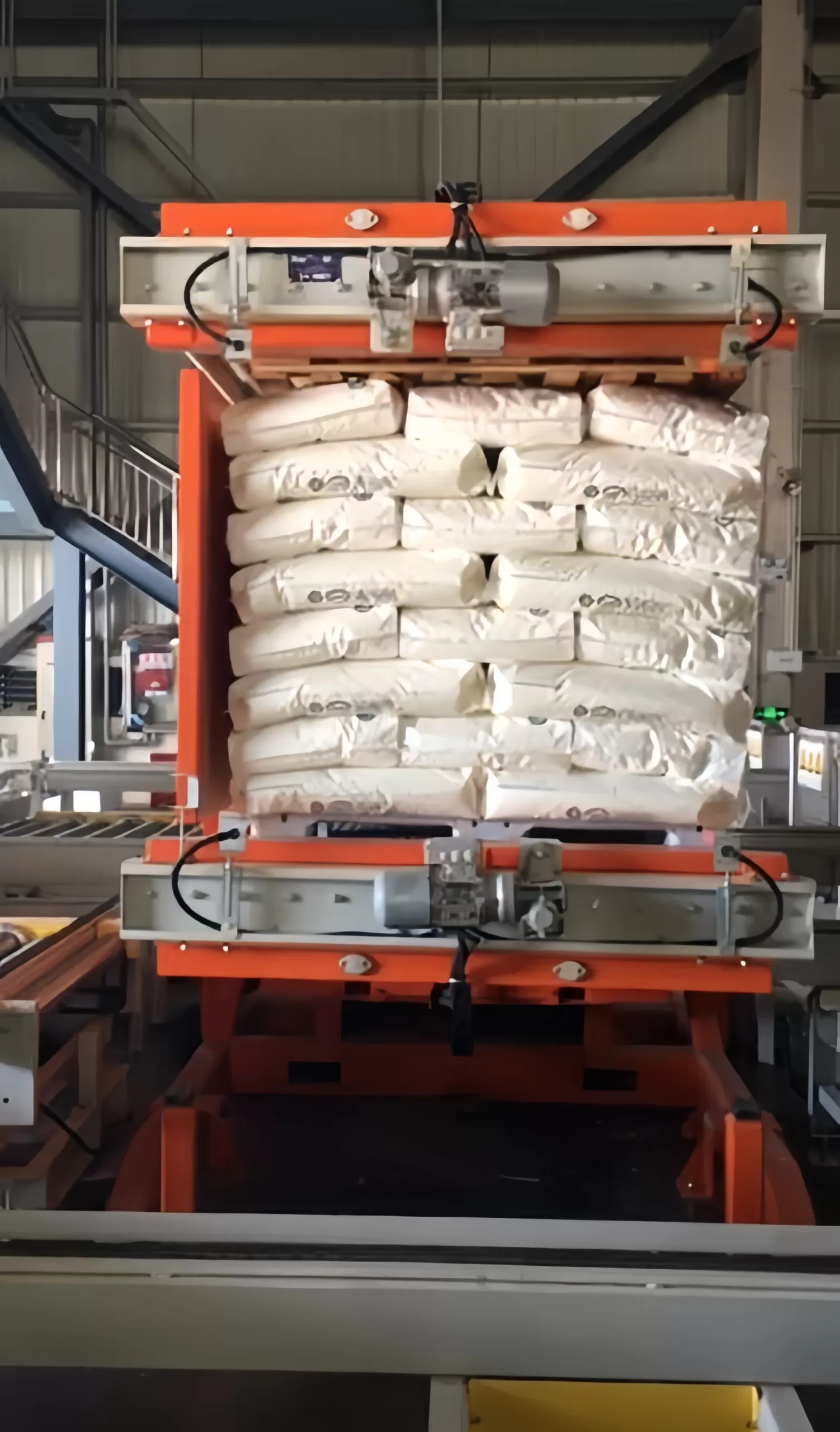
I have spent years helping clients understand that the real value of a packing machine extends far beyond its initial cost. My own journey, building FHOPEPACK, taught me that reliability and long-term performance are paramount. For a logistics manager like Carlos, who values practical, results-oriented solutions, identifying these hidden costs and long-term benefits is critical. It helps him make a business case that ensures financial independence and operational excellence (total cost of ownership, long-term ROI).
Dive Deeper: Uncovering True Investment Value
To fully grasp the financial implications and strategic advantages of a pallet inverter, you need to look beyond the obvious. Here is a breakdown of what to consider:
Hidden Costs to Anticipate:
-
Installation and Integration:
- Cost Factor: This includes site preparation, electrical wiring, pneumatic connections, and integration with existing conveyor systems or warehouse management software (WMS).
- Impact: These costs can vary significantly based on the complexity of the machine and your existing infrastructure. Do not forget potential downtime during installation.
-
Energy Consumption:
- Cost Factor: Pallet inverters, especially hydraulic or heavy-duty electric models, consume power during operation and standby.
- Impact: Over years, this can add up. Energy-efficient models, while potentially costing more upfront, offer substantial savings in utility bills. Consider your local electricity rates.
-
Maintenance and Spare Parts:
- Cost Factor: This covers routine servicing, unexpected repairs, and the cost of replacement parts.
- Impact: Cheaper machines often have higher maintenance frequencies and more expensive or harder-to-find spare parts. Factor in the cost of service contracts or in-house technician training.
-
Operator Training:
- Cost Factor: Training your staff to operate the new equipment safely and efficiently.
- Impact: Proper training reduces errors, increases productivity, and prevents accidents. It is an investment in your team and extends the life of the machine.
-
Insurance and Compliance Updates:
- Cost Factor: New machinery might impact your insurance premiums. You also need to ensure it meets all local safety and operational compliance standards.
- Impact: Non-compliance can lead to fines, operational halts, and increased liability.
Long-Term Benefits to Maximize:
-
Reduced Labor Costs and Dependency:
- Benefit: Automated pallet inverters significantly reduce the need for manual handling.
- Impact: This directly addresses labor shortages and rising labor costs. Your team can be reallocated to higher-value tasks, improving overall operational efficiency and making the workplace more attractive. (labor optimization, workforce efficiency)
-
Enhanced Safety and Reduced Accidents:
- Benefit: Mechanical pallet changing eliminates the risks associated with manual flipping or moving heavy loads.
- Impact: Fewer accidents mean lower injury rates, reduced worker’s compensation claims, decreased insurance costs, and improved employee morale. This is a critical factor for Carlos. (workplace safety, accident prevention)
-
Increased Throughput and Operational Speed:
- Benefit: Automated systems operate much faster and more consistently than manual processes.
- Impact: This dramatically improves your pallet turnaround time, allowing you to meet tighter delivery schedules, handle higher volumes, and prevent costly bottlenecks. (supply chain speed, operational throughput)
-
Minimized Product Damage:
- Benefit: Gentle and controlled mechanical handling protects your goods from drops, bumps, and other damage common in manual operations.
- Impact: Reduces waste, lowers return rates, and enhances your brand’s reputation for reliable product delivery. This is especially important for food and beverage products. (product integrity, reduced spoilage)
-
Improved Customer Satisfaction and Compliance:
- Benefit: Faster, more accurate deliveries and the ability to meet diverse pallet requirements.
- Impact: Happy customers are loyal customers. Meeting various pallet standards (Euro, US) ensures smooth international trade, avoids customs issues, and prevents client complaints or penalties. (customer loyalty, international logistics compliance)
By carefully evaluating both the hidden costs and these profound long-term benefits, you can truly assess the overall value proposition of a pallet inverter. This approach helps you make a strategic investment that strengthens your business for years to come.
How do you choose a long-term pallet inverter partner, not just a seller?
Are you tired of dealing with suppliers who just push machines and disappear once the sale is made? Many businesses find themselves stuck with equipment that lacks adequate support, leading to frustrating downtime and missed opportunities. It is a common problem in the industry, and it can undermine even the best investment if you do not have a reliable partner standing behind you.
Choosing a pallet inverter supplier means looking beyond the transaction to find a true long-term partner. This involves assessing their industry expertise, commitment to after-sales service and support, ability to offer customized solutions, and their track record of reliability and customer satisfaction. A reputable partner like FHOPEPACK understands your operational pain points and works with you to provide flexible, durable solutions, ensuring your investment continues to perform for years.
From my own experience, having started FHOPEPACK after working in the packing machine industry, I know how crucial a supportive partner is. I saw a need for more than just selling machines. I wanted to build relationships where clients felt truly supported. For a manager like Carlos, who seeks a partner who understands warehousing challenges, this distinction is paramount. A good partner does not just sell you a machine; they help you optimize your entire process, from understanding your specific pallet types to ensuring seamless integration and ongoing support (supplier partnership, after-sales service).
Dive Deeper: Qualities of an Ideal Pallet Inverter Partner
Finding the right partner is as important as choosing the right machine. Here is what to look for:
-
Deep Industry Expertise and Problem-Solving Mindset:
- 💡 What to look for: A supplier with extensive knowledge of your industry (e.g., food and beverage, logistics) and who asks questions about your specific operational challenges rather than just presenting a product catalog.
- Why it matters: They should understand nuances like diverse pallet specifications (Euro vs. US pallets), cold storage environments, or regulatory compliance. They should focus on solutions that solve your actual pain points, not just sell a machine. FHOPEPACK was founded on this very principle. (industry-specific solutions, expert guidance)
-
Strong After-Sales Support and Maintenance:
- 🛠️ What to look for: Clear policies on warranties, availability of spare parts, responsive technical support, and options for maintenance contracts.
- Why it matters: Downtime is costly. A partner who offers quick, efficient support ensures your operations resume swiftly. This reduces total cost of ownership and maximizes uptime. In my experience, this is where many “cheap” suppliers fail. (reliable technical support, spare parts availability)
-
Ability to Provide Customized and Flexible Solutions:
- 📐 What to look for: A supplier who can adapt their standard machines or design bespoke solutions to fit your unique requirements, space constraints, or integration needs.
- Why it matters: Your warehouse might have specific needs for automation levels, load sizes, or integration with existing conveyors. A partner who offers flexible solutions ensures the machine perfectly matches your operational flow. This is especially important for multi-national operations like Carlos’s. (customized warehouse solutions, flexible machine design)
-
Commitment to Safety and Ergonomics:
- ✅ What to look for: A partner who prioritizes safety features in their equipment design and can advise on ergonomic best practices for your operators.
- Why it matters: Reducing workplace accidents is a major goal for Carlos. A partner focused on safety helps protect your workforce, lowers insurance costs, and fosters a positive work environment. (ergonomic design, workplace safety standards)
-
Proven Track Record and Customer Testimonials:
- ⭐ What to look for: Ask for references, case studies, or look for reviews that highlight their reliability, product quality, and customer service.
- Why it matters: A history of satisfied clients, especially those with similar operational profiles to yours, provides confidence in their capabilities and commitment. At FHOPEPACK, we pride ourselves on building lasting client relationships. (customer satisfaction, supplier reputation)
-
Transparent Pricing and Clear Communication:
- 🤝 What to look for: A supplier who provides clear, detailed quotes without hidden fees and maintains open, honest communication throughout the sales and support process.
- Why it matters: Transparency builds trust. You need to know exactly what you are getting and for what cost, preventing unwelcome surprises.
By diligently vetting suppliers based on these criteria, you move beyond merely buying a machine. You secure a valuable alliance that contributes to your long-term success and operational excellence. This is the FHOPEPACK promise.
Conclusion
Evaluating a pallet inverter requires a keen eye on both its initial price and its long-term performance. By understanding key metrics, different machine types, and anticipating hidden costs alongside crucial benefits, you can make a truly informed decision. Choosing a reliable partner, like FHOPEPACK, who offers expertise and support, ensures your pallet inverter investment drives efficiency, safety, and sustained growth for your operations.








