
How to Choose the Right Strapping Material for Steel Coils
Handling heavy steel coils can be risky and expensive if not properly secured. Damaged coils mean lost product and potentially hazardous work environments. Are you struggling to find a strapping solution that guarantees stability, prevents damage, and ensures safety during transport and storage?

Selecting the right strapping material for steel coils primarily involves assessing the coil’s weight, dimensions, handling, transport method, and environmental exposure. High-tensile steel strapping is the industry standard for heavy coils due to its strength and minimal stretch, but grade, width, thickness, and protective coatings are critical factors for ensuring secure and durable containment, minimizing risks and maximizing stability.
Choosing the optimal strapping material for steel coils is not just a matter of selecting the strongest option; it’s a technical decision that requires a thorough understanding of material properties, application methods, and specific load requirements. This guide will walk you through the essential considerations to help you make an informed choice that ensures maximum security and efficiency for your heavy-duty coil handling operations.
Understanding the Demands of Heavy-Duty Coil Strapping
Heavy steel coils present unique challenges in packaging and logistics due to their immense weight, potential for shifting, and sharp edges. Inadequate strapping can lead to load failure, damage, and significant safety risks during transit and storage. Properly securing these loads is paramount to protect valuable inventory and personnel.
Steel coils are among the most challenging loads to secure, demanding strapping with exceptional tensile strength, impact resistance, and minimal elongation to prevent load shift and maintain integrity throughout the supply chain. Selecting the appropriate material, typically high-tensile steel banding, is the first critical step, followed by determining the correct dimensions (width and thickness) based on coil weight and handling stresses, choosing suitable coatings for environmental protection, and employing precise application techniques with appropriate tools to achieve and maintain required tension levels for secure and stable unitization.
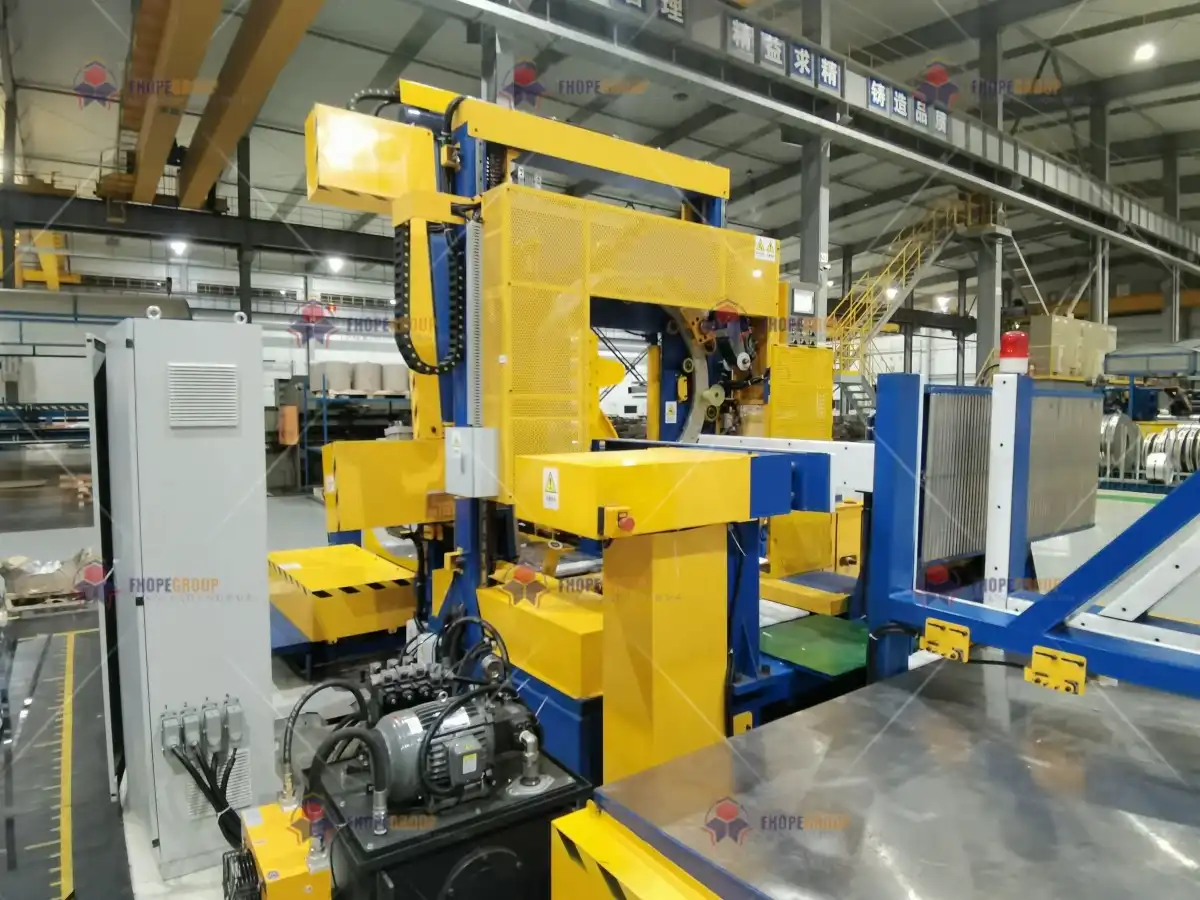
Decoding Steel Strapping Specifications for Coil Security
The effectiveness of steel strapping for heavy-duty coils is rooted in its specific technical properties. Understanding these specifications is key to matching the strapping to the demanding requirements of metal coil handling.
Steel Grade: The Foundation of Load Holding
Steel strapping comes in various grades, reflecting different compositions and heat treatments that influence strength and elongation. For heavy steel coils, which exert considerable force, selecting a high-tensile grade is non-negotiable.
- Regular Duty (RD) Steel Strapping: Lower carbon content, less heat treatment. Suitable for light to medium loads and bundling, like smaller boxes or lumber. Insufficient for heavy steel coils.
- High Tensile (HT) Steel Strapping: Higher carbon content, heat-treated for increased strength and reduced stretch. This is the standard for heavy loads like steel coils, compressed bales, and railcar loading. Offers excellent shock resistance.
- High-Performance High Tensile / Alloy Steel: Even higher strength properties, potentially incorporating other alloying elements. Reserved for extremely heavy or critical loads, or when specific environmental resistance is needed.
The choice between HT and higher grades depends directly on the maximum weight and handling severity the coil will endure. Always consult load charts and manufacturer specifications.
Dimensions: Width and Thickness
The physical dimensions of the strap directly translate to its breaking strength and the pressure it exerts on the coil edge.
- Width: Common widths for heavy coils range from 3/4″ to 2″. Wider straps distribute tension over a larger area, reducing the risk of edge damage to the coil.
- Thickness: Thickness significantly impacts tensile strength. For heavy coils, thicknesses from 0.025″ up to 0.079″ might be used. Thicker straps provide greater break strength.
Break strength is calculated based on the cross-sectional area (width x thickness) and the steel grade’s tensile strength. Using straps that are too thin or narrow is a common cause of failure. For example, a 1-1/4″ wide strap is common for heavy coils, with thickness varying based on the specific weight.
Coatings: Protecting Against Degradation
Steel is susceptible to rust, which can weaken the strap over time. Coatings are essential, especially for coils stored outdoors or in humid environments.
- Painted/Waxed: Offers basic protection against moisture and some UV. Suitable for dry, indoor environments or short-term protection.
- Galvanized (Zinc-Coated): Provides good corrosion resistance through sacrificial protection (zinc corrodes before steel). A cost-effective choice for moderate outdoor exposure and humidity.
- Stainless Steel (Material): Offers superior corrosion resistance due to its alloy composition. Necessary for highly corrosive environments like marine transport or chemical exposure, but significantly more expensive.
Environmental conditions during storage and transit dictate the necessary level of corrosion protection. A corroded strap loses tensile strength and can fail unexpectedly.
| Property | Regular Duty Steel | High Tensile Steel | Polyester (PET) | Polypropylene (PP) |
|---|---|---|---|---|
| Tensile Strength | Low | High | High (relative) | Low |
| Elongation | Medium | Low | Medium | High |
| Elongation Recovery | High (near 100% below yield) | High (near 100% below yield) | High (approx. 70%) | Low (20-40%) |
| Tension Decay | Low | Low | Low | High |
| Impact Resistance | Moderate | High | High | Moderate |
| Corrosion Resist. | Low (uncoated) | Low (uncoated) | High | High |
| Cost | Medium | High | Medium | Low |
This comparison highlights why High Tensile steel is preferred for its strength and minimal elongation/decay for heavy, stable loads like coils. Polyester is a strong plastic alternative but still exhibits more stretch and tension decay than steel, making steel the safer choice for the heaviest or most unstable coil loads.
Matching Strapping Material to Coil Weight and Handling
Choosing the appropriate strapping for steel coils goes beyond simply picking steel. The specific characteristics of the coil – primarily its weight – dictate the required strength and properties of the strapping material. Overlooking this critical step can lead to strap failure, load instability, and costly damage or accidents.
The weight of the steel coil is the primary factor in selecting the steel strapping grade, width, and thickness, as these dimensions and material properties directly determine the strap’s tensile strength and load-bearing capacity. High-tensile steel is essential for heavy coils, with specific dimensions chosen to achieve a total break strength significantly exceeding the calculated load requirements, ensuring a sufficient safety margin against dynamic forces during handling and transportation.
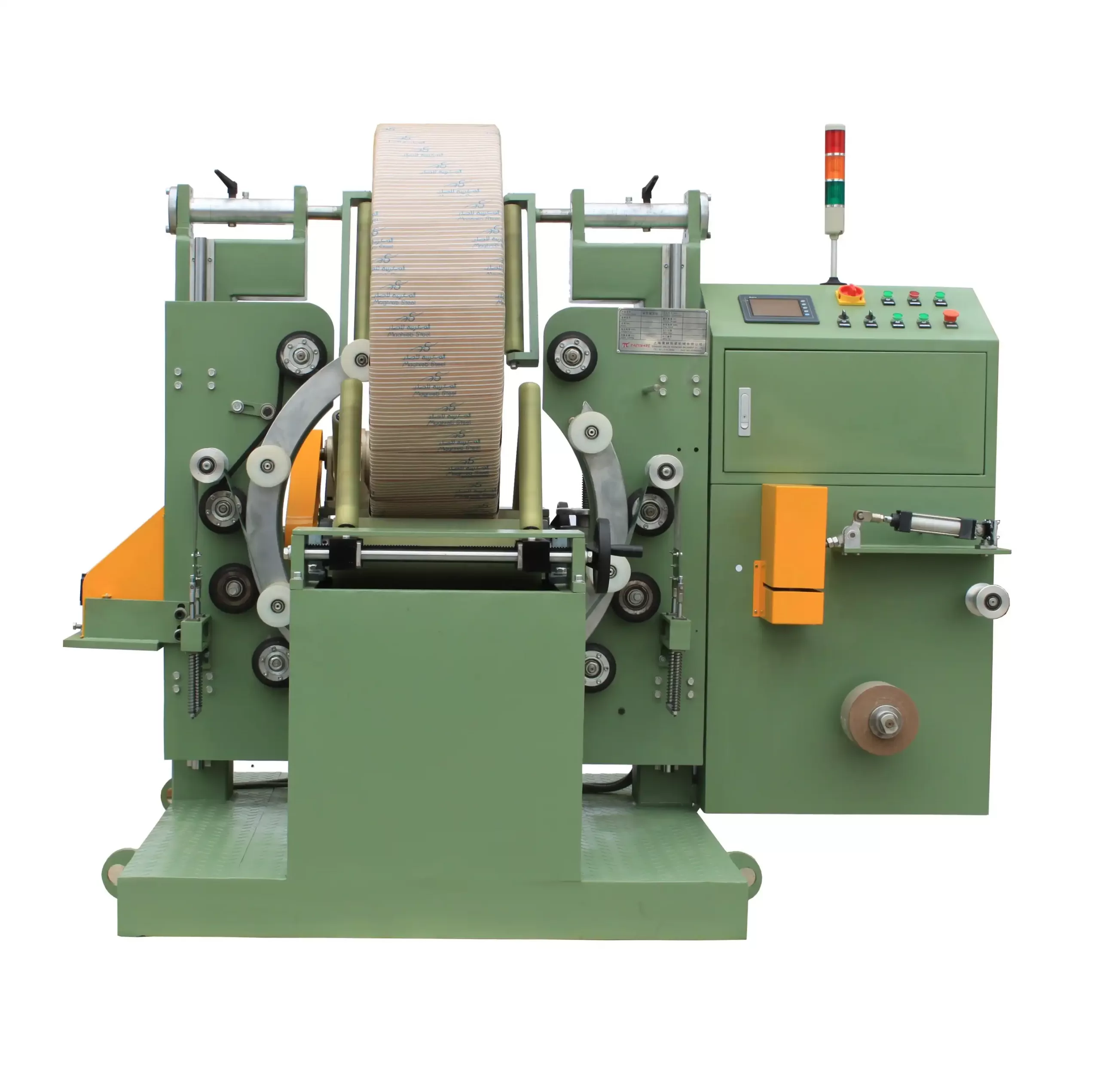
Selecting Dimensions Based on Load Calculation
While steel strapping provides superior strength for heavy loads, the precise dimensions are determined by calculating the forces the strapping will need to withstand. A common rule of thumb for estimating minimum required tensile strength for static loads is:
(Maximum Load Weight / Number of Straps) x Safety Factor = Minimum Required Break Strength Per Strap
The safety factor should be adjusted based on the type of load (compressible vs. non-compressible), transportation method (truck vs. rail), and handling severity. For heavy steel coils, a safety factor of 1.5 or higher is often recommended to account for dynamic forces, vibrations, and potential impacts during transport.
For example, securing a 15,000 lb steel coil with 4 straps in an “X” pattern might require each strap to handle a portion of the load. While simplified static calculations provide a starting point, real-world applications involve dynamic forces. This is why using high-tensile steel with sufficient break strength (e.g., 3/4″ x 0.029″ HT with ~3200 lbs break strength or 1-1/4″ x 0.031″ HT with ~5600 lbs break strength, depending on the number and pattern of straps) is crucial. The total combined break strength of all straps should comfortably exceed the maximum anticipated forces.
Additionally, the width of the strap is important to prevent the strap from cutting into the coil’s edges, which can happen under high tension, especially with heavier loads. Wider straps distribute the force over a larger surface area. Edge protectors, made of cardboard, plastic, or steel, are also vital additions to protect both the strap from sharp coil edges and the coil surface from strap indentation.
Consider the transportation method carefully. Rail transport subjects loads to significant vibrations and impacts (humping), demanding higher strap break strengths and more robust strapping patterns compared to standard over-the-road trucking. Regulations by organizations like the Association of American Railroads (AAR) often specify minimum strapping requirements for various commodities, including steel coils. Adhering to these regulations is mandatory for rail shipments.
Furthermore, the way the coils are stacked or bundled affects strapping requirements. Coils strapped individually, nested, or stacked vertically each present different load dynamics requiring specific strapping patterns and tensioning levels to ensure stability and prevent shifting.
Coatings and Application Techniques for Long-Term Coil Security
Choosing the correct steel grade and dimensions is only part of the equation for securing steel coils. The durability of the strapping over time, especially when exposed to environmental factors, and the precision of the application process significantly impact the overall security and longevity of the containment system. Ignoring these aspects can compromise even the strongest strapping material.
Ensuring the long-term durability of steel banding for coils involves selecting appropriate coatings like galvanization or stainless steel to resist corrosion caused by moisture and environmental exposure. Equally critical are proper application techniques, including using calibrated tensioning tools to achieve specified strap tension and reliable sealing methods (like notch or crimp seals for steel) to create strong, secure joints that prevent the strap from loosening under load and transit stresses.
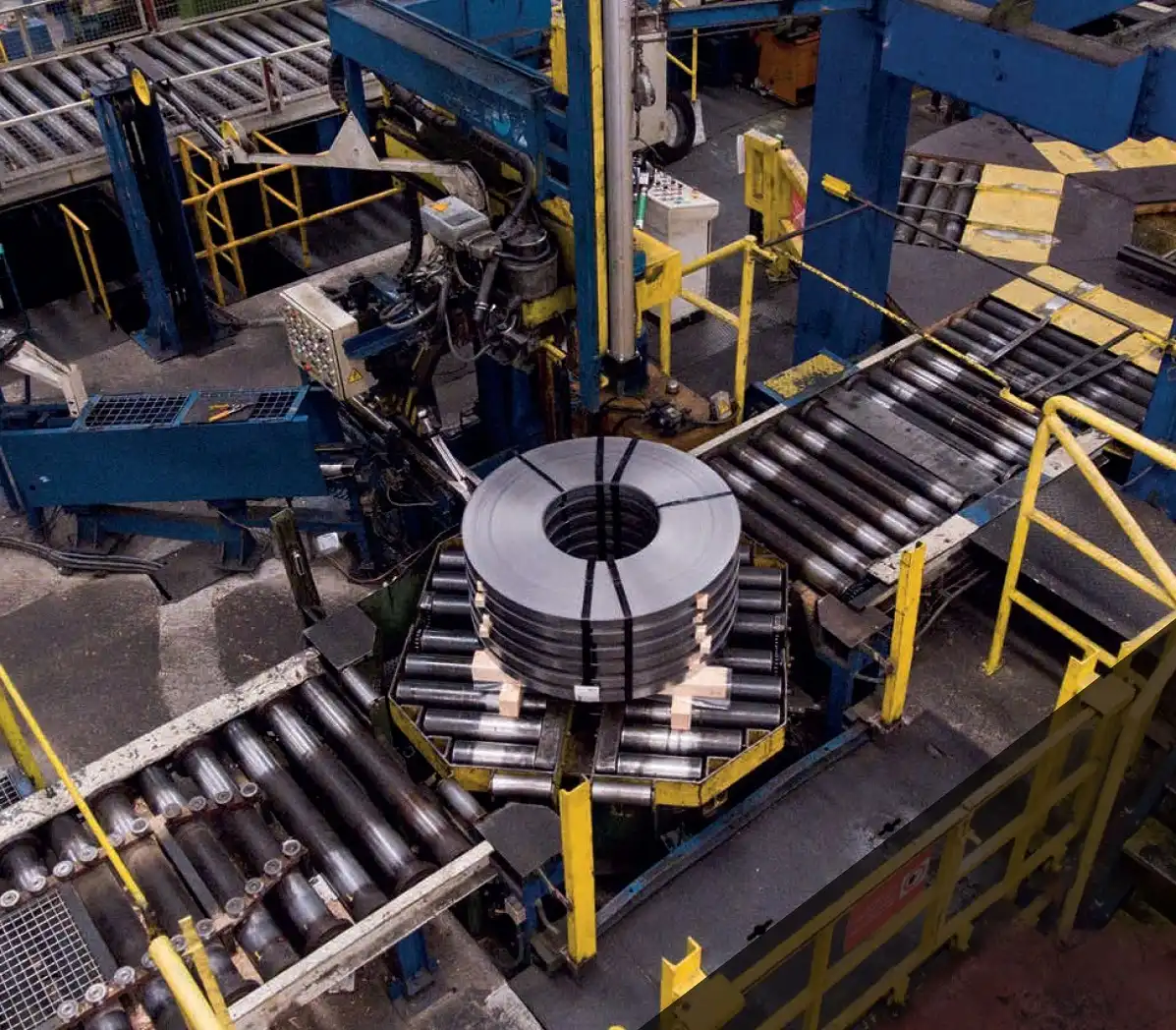
Protecting Steel Strapping and Mastering Application
Steel strapping, while strong, is susceptible to rust. The environment where coils are stored or transported dictates the necessary level of protection.
The Role of Coatings in Preventing Corrosion
Corrosion, particularly rust, weakens steel strapping by reducing its cross-sectional area and creating stress points. For valuable steel coils, strap failure due to corrosion is unacceptable.
- Galvanized Strapping: The most common protective coating. The zinc layer acts as a barrier and provides cathodic protection, sacrificing itself to protect the underlying steel at scratches or abrasions. Offers good performance in typical outdoor or high-humidity environments.
- Painted Strapping: Primarily offers barrier protection and color coding. Less effective against aggressive corrosion or abrasion compared to galvanizing.
- Waxed Strapping: Offers temporary moisture resistance. Best suited for controlled indoor environments.
- Stainless Steel Strapping: Made from stainless steel alloys, providing inherent, superior resistance to rust and corrosion. Essential for marine environments, chemical exposure, or very long-term outdoor storage where galvanized steel might eventually degrade.
The choice of coating should align with the anticipated exposure conditions. For coils stored outdoors for extended periods or transported across varying climates, a robust coating like galvanization is usually the minimum requirement, with stainless steel being the premium option for the harshest conditions.
Achieving Optimal Tension and Secure Seals
Even the best strapping material can fail if not applied correctly. Tensioning and sealing are the two most critical steps in the application process.
- Tensioning: The strap must be pulled taut to secure the load and prevent shifting. This requires appropriate tools:
- Manual Tensioners: Hand-operated tools, suitable for lower volumes or intermittent use. Require operator skill to achieve consistent tension.
- Pneumatic Tensioners: Air-powered tools, providing faster and more consistent tensioning, reducing operator fatigue. Common for higher volume or heavier loads.
- Battery-Powered Tensioners: Cordless electric tools, offering portability and ease of use, providing consistent, measured tension. Increasingly popular for flexibility and ergonomics.








