
How Spain Steel Plants Using Coil Wrapping Machine to Improve Steel Coil Safety?
Have you ever walked through a busy steel plant, feeling the raw power of production, but also seeing the inherent risks? I have. For years, I saw the dangers workers faced every day, especially when handling heavy steel coils and wires. Manual packing methods are not just slow; they are dangerous. This problem costs companies a lot, not just in money but also in human lives and injuries. It keeps factory managers like Michael Chen awake at night, trying to balance efficiency with safety.
Spain’s steel industry offers a great example of how modern solutions can change this. They are actively using advanced coil wrapping machines to make their workplaces much safer. These machines take the heavy, risky work out of human hands. They protect workers from injuries caused by lifting, moving, or securing heavy steel coils. This move helps them avoid accidents and ensures their operations meet high safety standards.
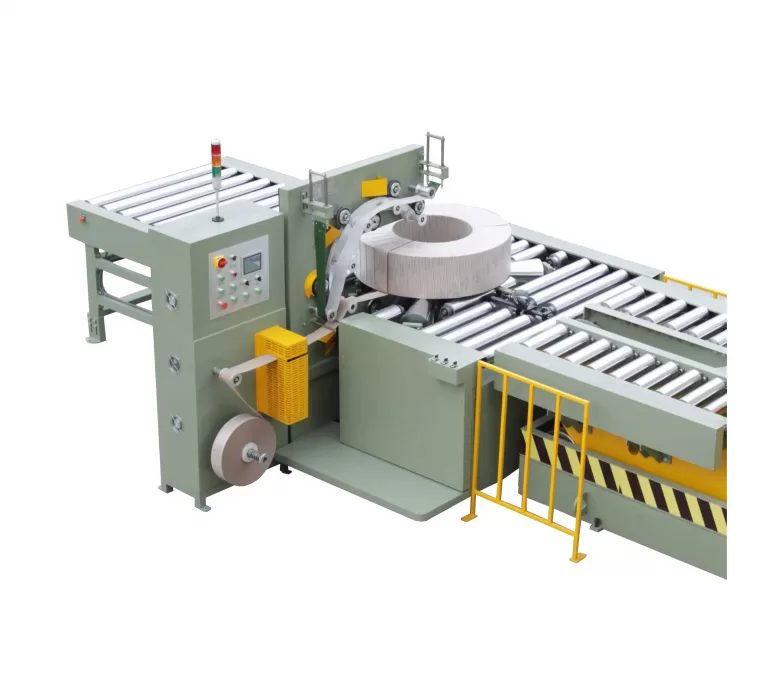
If you are a factory manager, an operations director, or anyone in heavy industry, you know the daily struggle. You want to boost output, cut costs, and keep everyone safe. It feels like a constant battle. This is why I want to share insights from the ground, drawing on my own journey in the packing machine world. I will explain why investing in the right technology, like coil wrapping machines, is not just a choice but a necessity for your plant’s future.
1. Understanding the Safety Risks in Traditional Coil Packing, and Why Spain Leads in Automation?
Do you ever think about the real cost of your current packing process? It is not just about labor hours or material waste. The true cost includes every near-miss, every minor injury, and the constant stress of potential accidents. Many plants, even today, rely on old methods. These methods put workers in harm’s way daily.
Traditional steel coil packing involves a lot of manual handling of heavy items. Workers often lift, shift, and secure massive coils by hand. This creates major risks for musculoskeletal injuries, crushed limbs, and even fatal accidents. Spain’s steel plants, recognizing these dangers early, have actively invested in automation. They moved to coil wrapping machines to remove humans from direct contact with heavy, moving loads. This proactive step helps them protect their workforce.

From my own experience, when I was starting out as an employee in a packing machine factory, I saw these risks first-hand. I witnessed how even experienced workers could make mistakes when tired or rushed. These mistakes often led to injuries. It was clear to me then, and it remains true now, that human hands are not built for constant heavy lifting and repetitive tasks involving thousands of pounds of steel. This understanding drove much of my passion for automated solutions at FHOPEPACK. Spain’s industry leaders shared this same vision. They understood that safety is not an option; it is a core business value.
Common Hazards in Manual Coil Packing
When we look at manual packing, the dangers are clear and present. It is a system built on risk.
- Musculoskeletal Injuries:
- Workers often strain their backs, shoulders, and knees.
- This happens from lifting, bending, and twisting with heavy coils.
- Repetitive motions cause long-term damage.
- Crushing Injuries:
- Heavy steel coils can shift unexpectedly.
- Workers risk getting caught between the coil and other equipment.
- Fingers, hands, and feet are especially vulnerable.
- Impact Injuries:
- Loose tools or materials can fall from heights.
- Coils can roll or swing if not properly secured.
- This leads to concussions, broken bones, and other severe trauma.
- Fatigue-Related Accidents:
- Long shifts and demanding physical labor cause fatigue.
- Fatigued workers make more mistakes.
- Their reaction times slow down, increasing accident risk.








