
How can a coil wrapping machine in Spain help reduce dust and moisture on copper coils?
Imagine your valuable copper coils, fresh off the line, sitting exposed. Dust settles, humidity hangs in the air, especially in coastal or industrial areas like parts of Spain. This exposure is a silent threat, eroding quality and leading to costly rejections. You worry about product integrity, customer satisfaction, and ultimately, your bottom line.
A coil wrapping machine, particularly an orbital stretch wrapper, forms a protective barrier around copper coils, sealing them tightly against airborne dust particles and ambient moisture. This process uses stretch film to create multiple layers of defense, significantly preserving the coil’s surface quality and electrical properties, crucial for sensitive materials like copper.
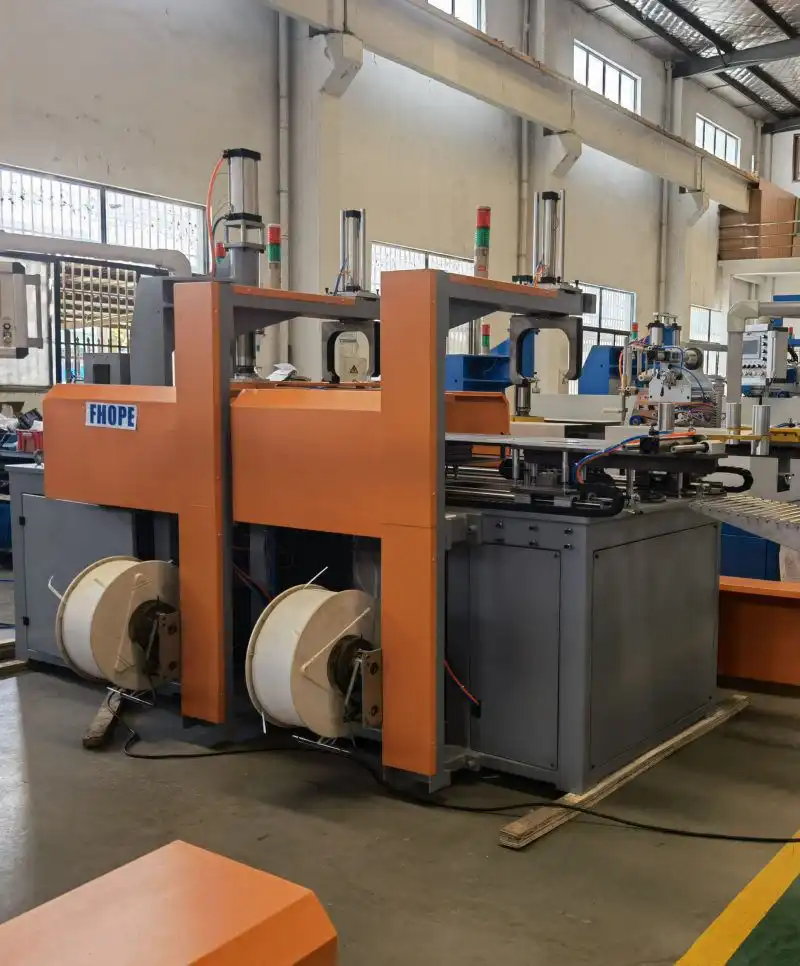
If you are a factory manager, you know that keeping production running smoothly is a constant battle. Protecting your finished products is not just about quality control; it is about efficiency, safety, and profitability. Let us dive deeper into how this technology can transform your operations.
1. Why are dust and moisture such big problems for copper coils, especially in places like Spain?
Do you ever wonder why your copper coils sometimes get tarnished or damaged before they even reach the customer? The answer often lies in the invisible threats of dust and moisture during storage and transport. These environmental factors can cause significant headaches for any factory manager.
Dust particles can abrade delicate copper surfaces, leading to micro-scratches and reduced conductivity, while moisture accelerates oxidation and corrosion, forming undesirable oxides that compromise the coil’s performance and appearance. In regions like Spain, varied climates from dry inland to humid coastal areas amplify these risks, making robust protection essential.
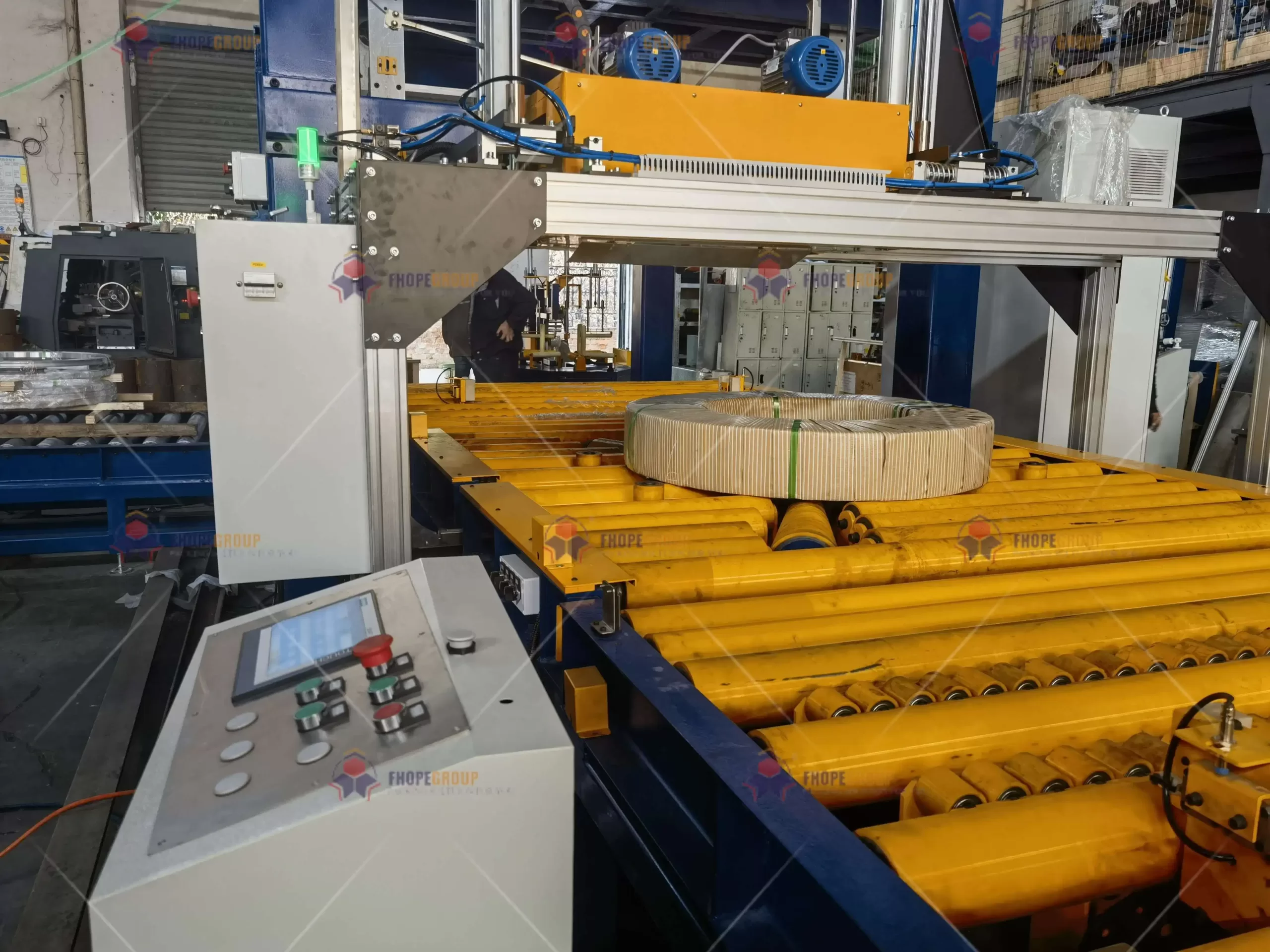
In my journey through the packing machine industry, I have seen countless examples of valuable products suffering due to poor environmental protection. For copper coils, the stakes are even higher because their function relies so heavily on surface integrity and electrical properties. Let us explore the specific ways dust and moisture attack copper and why this is a critical issue for your business.
How Environmental Factors Attack Copper Coils
Copper is a vital material in many industries. It is known for its excellent electrical conductivity and corrosion resistance. However, it is not invincible. Dust and moisture are two common enemies. I have learned that understanding these threats is the first step to protecting your investment.
-
Dust Accumulation:
- Surface Abrasion: Tiny dust particles, especially abrasive ones found in industrial settings, can scratch the copper surface. This is more likely during handling or if coils rub against each other.
- Contamination: Dust can carry other corrosive agents. When dust settles on a coil, it creates a layer. This layer can trap moisture. It can also hold other chemical residues. These can react with the copper.
- Reduced Conductivity: Even thin layers of dust can act as an insulator. This can slightly reduce the electrical conductivity of the copper. While small, this effect adds up. It can become a problem in precise applications.
- Aesthetic Damage: Dust simply makes coils look dirty. For products where appearance matters, this reduces their market value. My clients often faced rejections purely on visual grounds.
-
Moisture-Induced Damage:
- Oxidation: This is copper’s biggest enemy when exposed to air and moisture. Copper reacts with oxygen to form copper oxide. This appears as a dull, often greenish, tarnish. It reduces conductivity and changes the surface properties.
- Corrosion: In humid environments, or where water droplets form, more severe corrosion can occur. This can lead to pitting or localized material loss. This permanently damages the coil.
- Electrical Shorting (in specific cases): While less common for solid coils, moisture can bridge gaps. It can also affect protective coatings. This becomes a concern for electrical components. It can create pathways for current leakage.
- Mold and Mildew: If coils are stored in damp conditions, mold and mildew can grow. This is not only unsightly but can also produce corrosive byproducts. It is a major problem in many factories.
Why Spain’s Environment Matters
Spain has diverse climates. It ranges from dry, arid plains to highly humid coastal regions. This geographical variety presents unique challenges.
| Region Type | Typical Conditions | Impact on Copper Coils |
|---|---|---|
| Coastal Areas | High humidity, salt-laden air, frequent rainfall | Increased oxidation, salt corrosion, potential for pitting |
| Industrial Zones | High levels of airborne dust, chemical pollutants | Abrasive damage, chemical reactions, heavy contamination |
| Inland Climates | Dry but can have dust storms, temperature swings | Dust accumulation, thermal expansion/contraction leading to coating stress |
| Warehouses | Variable humidity, dust from internal operations | All above risks apply, depending on ventilation and controls |
As a packing machine engineer, I have learned that a “one-size-fits-all” approach does not work. You need a solution that can handle these varied conditions. A coil wrapping machine provides this adaptability. It ensures that your copper coils, whether destined for Madrid or Barcelona, arrive in perfect condition. This directly impacts your reputation and profitability.
2. How does a coil wrapping machine create a strong barrier against these environmental threats?
You know the problems dust and moisture cause. The next logical step is to understand the solution. Many factory managers I have met struggle with finding truly effective protection methods. They often rely on manual, inconsistent processes.
A coil wrapping machine creates a robust barrier by using an orbital stretch wrapping method. This machine wraps multiple layers of specialized stretch film around the coil’s entire circumference, effectively encapsulating it. The film’s elasticity and self-adhesive properties create a tight, impermeable seal that prevents dust ingress and blocks moisture from reaching the copper surface.
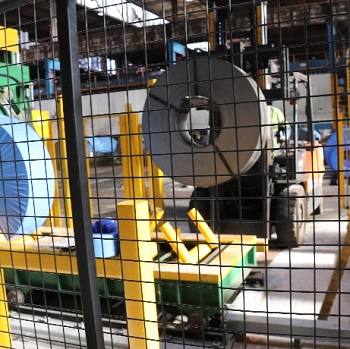
My experience building and running a successful packing machine factory taught me this: the right technology can solve complex problems simply. A coil wrapping machine is more than just a piece of equipment. It is a strategic investment in product integrity. Let me explain the mechanics behind its protective power.
The Mechanics of Superior Protection
The core principle of a coil wrapping machine is straightforward yet highly effective. It is about creating a secure, sealed environment for your coils. This removes the risk of external elements causing damage.
-
Orbital Wrapping Process:
- The coil sits on a conveyor or a stable platform.
- A ring-shaped dispenser with stretch film rotates around the coil.
- As the ring rotates, it wraps the film helically around the coil.
- The coil itself also moves through the machine or rotates on its axis. This ensures full coverage.
- Multiple layers are applied. This builds a strong, protective shield.
-
Key Components for Protection:
- Stretch Film: This is not just any plastic. It is a specially engineered film.
- Elasticity: It stretches tightly around the coil. This prevents loose spots where dust or moisture could enter.
- Puncture Resistance: Good film can withstand minor impacts during handling. This maintains the barrier’s integrity.
- Waterproof: The film itself is impermeable to water. It creates a complete moisture seal.
- UV Resistance (Optional): Some films offer UV protection. This is important for outdoor storage. It prevents material degradation.
- Tension Control System: This system is critical.
- It ensures consistent film tension.
- This creates a uniform, tight wrap.
- Correct tension prevents film breakage. It also prevents the wrap from being too loose.
- I have found that precise tension control directly impacts the effectiveness of the moisture barrier. Too little tension, and water can seep in.
- Overlap Percentage: The machine is programmed to overlap the film layers.
- This creates a multi-layered barrier.
- Each overlap adds another layer of protection.
- Optimal overlap ensures no gaps are left exposed.
- For high-risk environments, more overlap means better protection.
- Stretch Film: This is not just any plastic. It is a specially engineered film.








