
How do pallet inverters reduce product damage compared to traditional pallet handling?
Are you tired of seeing your valuable products damaged during pallet transfers? Do unexpected costs from damaged goods eat into your profits? I know these frustrations well from my years in the packing machine industry. Many businesses, especially in logistics and food processing, face this silent drain on resources every day.
Pallet inverters significantly reduce product damage by replacing risky manual handling with controlled, automated, or semi-automated processes. They ensure a gentle, secure transfer of goods between pallets, minimizing drops, impacts, and contamination risks that often occur with traditional methods.
This problem of product damage is not just about the item itself. It affects your entire supply chain, your customers, and your bottom line. It is a challenge I have seen many clients struggle with. But there is a better way. Let me share what I have learned about how modern technology, like pallet inverters, can change this for you. We will explore how these machines not only protect your goods but also transform your warehouse operations.
What dangers does traditional pallet handling pose to your valuable inventory?
Do you frequently deal with damaged goods after moving them between pallets? Are your workers facing risks during manual pallet changes? In my early days, working at a packing machine factory, I saw firsthand how much effort went into making products perfect, only for them to get damaged right before shipping. Traditional pallet handling, especially when dealing with diverse pallet types like Euro and US standards, creates many risks. These risks threaten your products, your people, and your profits.
Traditional pallet handling exposes valuable inventory to significant risks such as product drops, crushing, contamination, and worker injury due to reliance on manual force, imprecise movements, and inadequate equipment for high-volume or varied pallet change requirements.

When I started my own packing machine factory, I saw that these problems were even bigger for businesses handling thousands of pallets daily. The sheer volume and need for quick changes amplified the risks. It became clear that relying on old methods was no longer sustainable.
1. Increased Risk of Physical Damage to Goods 💥
Manual handling often involves tilting, lifting, or sliding products from one pallet to another. This is where most damage happens.
- Drops and Impacts: Workers might lose grip, or products can slip during transfer. This leads to broken packaging, dented goods, or even shattered items. Imagine handling fragile food products or delicate electronics this way. The smallest drop can render them unsellable.
- Crushing and Compression: When products are stacked or moved manually, uneven weight distribution can cause items at the bottom to get crushed. This is very common with soft packaging or irregularly shaped goods. The pressure applied during a manual flip can deform entire layers of product.
- Scratches and Abrasions: Sliding items across rough surfaces or old pallets can cause surface damage. This might not affect product function but can make it look bad, especially for retail goods. Customers expect perfect products. Any visual flaw can lead to returns or rejection.
- Contamination Risks: Moving products by hand, especially from a used or dirty pallet to a clean one, increases the chance of contamination. This is a huge concern in food and beverage industries. Old wooden pallets can carry splinters, dust, or even pests. When goods are manually transferred, they are exposed to these elements.
2. Operational Inefficiencies and Higher Costs 💰
The true cost of traditional handling goes beyond just damaged goods. It affects your entire operation.
- Slow Processing Times: Manual pallet changes are slow. Each transfer takes valuable time. When you need to switch thousands of pallets every day, this delay adds up. It can create bottlenecks in your warehouse. This impacts your shipping schedule and customer delivery times.
- Increased Labor Requirements: You need many workers for manual pallet transfers. This adds to your labor costs. With rising labor costs and a shortage of people willing to do heavy lifting, this becomes a major challenge. My clients, especially in places like Spain, constantly talk about this issue.
- Higher Waste and Rework: Damaged products mean waste. You lose the cost of the product itself, plus the cost of handling it, storing it, and then disposing of it. Sometimes, damaged goods need to be repacked or repaired. This is more time and money spent.
- Contract Penalties and Lost Customers: If damaged goods reach your customers, it can lead to complaints, returns, and contract fines. Big retail or e-commerce clients have strict quality standards. Failing to meet them can result in penalties or, worse, losing their business. I have seen companies lose major contracts because of consistent product damage issues.
3. Significant Safety Hazards for Workers ⚠️
Protecting workers is as important as protecting products. Traditional methods often fail here.
- Musculoskeletal Injuries: Lifting, twisting, and repetitive motions involved in manual pallet changing put huge strain on workers. Back injuries, strained muscles, and repetitive stress injuries are common. These lead to sick days, higher insurance costs, and reduced morale.
- Falling Objects and Equipment Accidents: When workers manually flip or shift heavy pallets, there is always a risk of loads tipping over. This can cause severe injuries to people nearby. Accidents involving forklifts during manual transfers are also more likely, especially in busy warehouses.
- Fatigue-Related Errors: Long hours of strenuous manual work lead to fatigue. Tired workers are more likely to make mistakes. These errors can result in product damage or accidents.
- Insurance and Compensation Costs: Each accident adds to your company’s insurance premiums and potential compensation payouts. This is a direct financial drain. It also creates a negative work environment.
Traditional pallet handling might seem cheap initially, but the hidden costs of damage, inefficiency, and safety risks are very high. Many of my clients, like Carlos in Spain, who manage large distribution centers, feel these pressures deeply. They know that a single incident can cost them thousands, or even millions, in the long run.
How do pallet inverters actively protect your products from harm?
Are you looking for a reliable way to stop product damage during pallet changes? Manual handling is risky, but modern solutions offer a safe alternative. Pallet inverters are a game-changer for protecting goods. They provide a controlled and gentle process. This greatly reduces the chances of damage that come with traditional methods.
Pallet inverters actively protect products from harm by providing a stable, controlled, and often automated environment for transferring goods between pallets. They eliminate manual lifting, tilting, and drops, using hydraulic or mechanical clamps and rotation to securely hold and invert loads, thereby preventing impacts, crushing, and contamination.
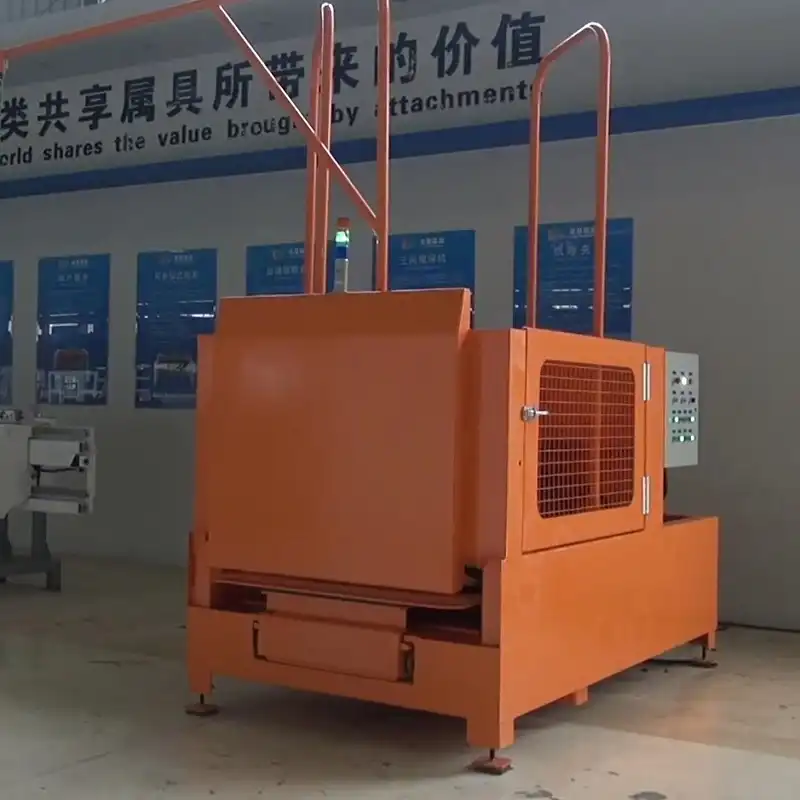
I remember talking to a client who had constant issues with damaged frozen food packages. Manual transfers in a cold environment were slow and risky. Their team frequently reported crushed boxes and torn bags. After they installed a pallet inverter, these problems almost disappeared. This confirmed my belief in the power of specialized machinery.
1. Gentle and Secure Product Handling ✅
The core benefit of a pallet inverter is how it treats your products. It replaces rough manual work with smooth, machine-controlled actions.
- Stable Clamping Mechanism: Pallet inverters use hydraulic clamps or side presses to hold the load firmly in place. This prevents any shifting or movement of the product during the transfer. The goods remain stable. They do not wobble or fall. This is crucial for unstable stacks or delicate items.
- Controlled Rotation/Inversion: Instead of flipping goods haphazardly, the machine rotates the entire stack slowly and evenly. This gentle movement means no sudden jolts or impacts. The product stays in its original configuration. It simply changes orientation with the pallet. This controlled motion protects both the packaging and the product inside.
- Elimination of Manual Drops: With a pallet inverter, workers do not need to manually lift or lower products. The machine does all the heavy work. This removes the risk of accidental drops. Drops are a leading cause of damage in warehouses.
- Reduced Contact Points: The inverter handles the load as a single unit. There is less direct human contact with the products themselves. This minimizes the risk of incidental damage, scratches, or contamination from hands or tools.
2. Enhanced Hygiene and Contamination Control 🧼
For industries like food and pharmaceuticals, preventing contamination is critical. Pallet inverters help here too.
- Isolation from Contaminated Pallets: Pallet inverters allow you to switch products from a dirty or worn pallet to a clean, hygienic one without exposing the goods to the old pallet’s surface. This is vital for food safety and regulatory compliance.
- Use of Specific Pallet Types: You can use specialized pallets for storage or transport, such as clean plastic pallets for internal use and wooden export pallets for shipping. The inverter makes this switch simple and safe. This ensures your products always rest on appropriate, clean surfaces.
- Reduced Human Contact: Less manual handling means fewer chances for human-borne contamination. Workers do not need to physically touch each product or layer during the transfer.
- Automated Cleaning Cycles: Some advanced pallet inverter systems can even integrate with cleaning stations. This allows pallets to be cleaned or sanitized before new products are loaded onto them. This adds another layer of protection.
3. Consistent and Repeatable Process ⚙️
Machines provide consistency that manual work cannot match.
- Standardized Procedure: Every pallet change follows the same exact process. This standardization ensures a consistent level of quality. It removes human variability. The chance of errors goes down.
- Minimized Human Error: Fatigue, distraction, or lack of training can lead to mistakes in manual handling. A well-maintained pallet inverter performs the task perfectly every time. This consistency protects your products from damage caused by human error.
- Adaptability to Various Load Types: Modern pallet inverters can handle a wide range of product types and sizes. They can adjust clamping pressure and rotation speed. This means you can process different goods with the same high level of protection. You do not need different manual methods for different products.
- Predictable Outcomes: When you use a pallet inverter, you can predict the outcome of each transfer. This is because the process is controlled. This predictability is vital for quality control and inventory management. You know your products will reach their destination safely.
Pallet inverters are an investment in the safety of your products. They offer a systematic and reliable way to handle goods. This prevents damage, keeps products clean, and ensures consistent quality. They help businesses meet high customer expectations and comply with strict industry standards.
Beyond product safety, how do pallet inverters transform warehouse efficiency and worker well-being?
Are you only thinking about product damage? Pallet inverters do much more. They can change your entire warehouse operation. Many managers, like Carlos, are looking for ways to make their warehouses run better. They want to increase output, but also keep their team safe. Pallet inverters help achieve both.
Beyond merely preventing product damage, pallet inverters significantly transform warehouse efficiency by accelerating pallet changes, reducing labor dependency, and enhancing worker well-being through minimized physical strain and eliminated hazardous manual tasks, leading to faster throughput and a safer work environment.
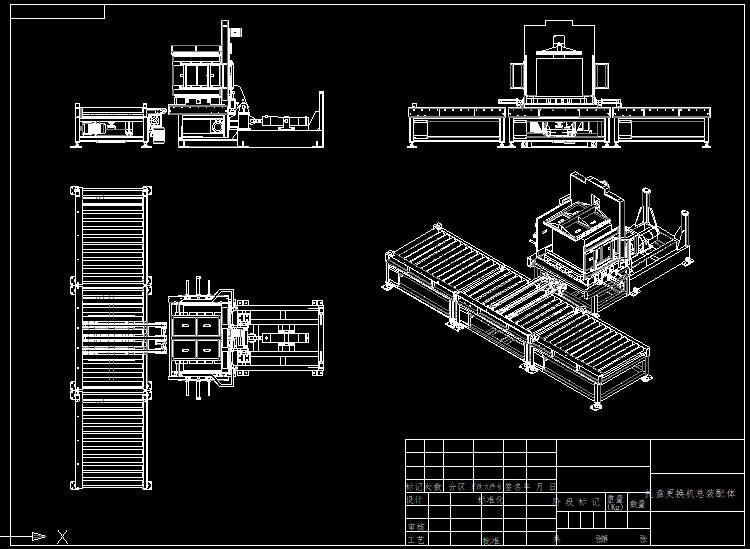
I remember visiting a large logistics hub where workers spent hours each day manually transferring thousands of cases of beverages. It was slow, hard work, and accidents were common. After they installed an automatic pallet changer line, the difference was incredible. The entire flow improved, and the workers seemed much happier. It was a clear example of how smart automation helps everyone.
1. Boosting Warehouse Efficiency and Throughput 🚀
Time is money in logistics. Pallet inverters save a lot of it.
- Faster Pallet Change Times: Manual pallet changes are slow and labor-intensive. A pallet inverter can complete a full transfer in minutes, sometimes even seconds, depending on the model. This drastically speeds up the entire process. It allows your warehouse to handle more volume in less time. This means you can meet tight delivery deadlines more easily.
- Reduced Bottlenecks: Manual pallet handling often creates bottlenecks in the flow of goods. Pallet inverters streamline this critical step. They ensure a smooth, continuous flow of products from inbound to outbound. This prevents delays and keeps your operations running without interruption.
- Optimized Space Utilization: Faster processing means less time goods spend sitting in transition areas. This frees up valuable warehouse space. You can use this space for storage or other operational tasks. This makes your warehouse more efficient overall.
- Improved Resource Allocation: With less time spent on manual pallet changes, your staff can focus on higher-value tasks. They can manage inventory, fulfill orders, or maintain equipment. This ensures your human resources are used effectively. This is very important when labor is scarce.
2. Enhancing Worker Safety and Ergonomics ⛑️
Safety is a top priority. Pallet inverters create a much safer work environment.
- Elimination of Hazardous Manual Tasks: Pallet inverters remove the need for workers to manually lift, tilt, or flip heavy loads. This instantly takes away a major source of workplace accidents. No more heavy lifting means no more dropped goods or injuries from awkward movements.
- Reduced Strain and Fatigue: By automating the strenuous parts of pallet changing, the physical burden on workers is greatly reduced. This minimizes the risk of musculoskeletal injuries like back pain, sprains, and strains. Workers are less tired, which also reduces the chance of errors.
- Prevention of Falling Objects: When loads are secured by the inverter’s clamps, the risk of products or entire stacks falling is almost zero. This protects workers from falling objects, a common and dangerous hazard in warehouses.
- Improved Morale and Retention: A safer work environment leads to higher job satisfaction. When workers feel safe and their physical well-being is considered, morale improves. This can lead to better employee retention. It becomes easier to attract new talent in an industry facing labor shortages.
3. Greater Adaptability and Compliance 🔄
Pallet inverters also help businesses adapt to different needs and rules.
- Handling Diverse Pallet Types: Many businesses, especially those involved in international shipping like Carlos’s, need to switch between different pallet standards (e.g., Euro, US, plastic). Pallet inverters handle these transitions smoothly. They ensure compliance with various shipping regulations without manual effort.
- Food and Pharma Regulations: In industries with strict hygiene rules, pallet inverters ensure products stay on clean pallets. This helps meet specific food safety or pharmaceutical compliance standards. This is vital for avoiding fines and maintaining product integrity.
- Increased Flexibility: Modern pallet inverters can handle a wide range of load sizes and weights. This flexibility means one machine can serve many purposes. You do not need separate solutions for different products. This adaptability is key for dynamic warehouse environments.
- Data Collection and Traceability: Some advanced systems can integrate with warehouse management systems. This allows for data tracking on pallet changes. This improves traceability and helps with compliance reporting. It gives you better control over your inventory movements.
Pallet inverters are more than just damage prevention tools. They are strategic assets. They drive efficiency, protect your workforce, and help you meet complex operational demands. This makes them a wise choice for any modern warehouse aiming for peak performance.
Is investing in a pallet inverter truly a smart move for your long-term operational goals?
Are you wondering if a pallet inverter is worth the investment for your business? Many warehouse managers, like Carlos, look at the big picture. They want solutions that not only fix immediate problems but also support long-term growth. From my experience helping many businesses succeed, I can tell you: a pallet inverter is often a very smart long-term investment.
Investing in a pallet inverter is a smart move for long-term operational goals because it delivers significant return on investment through reduced product damage, lower labor costs, enhanced worker safety, increased operational efficiency, and improved compliance, positioning your warehouse for sustainable growth and competitive advantage.
I have seen countless businesses, from small factories to large distribution centers, transform their operations with the right packing and handling machines. My journey from a factory employee to establishing FHOPEPACK taught me that the right technology can unlock huge potential. It can lead to financial independence and business growth. Pallet inverters are a prime example of such technology.
1. Clear Return on Investment (ROI) 📊
The financial benefits of a pallet inverter add up quickly.
- Reduced Damage Costs: This is often the biggest and most immediate saving. Each damaged product represents a loss. By drastically cutting damage, you save on product replacement, rework, and disposal costs. Over time, these savings can easily cover the machine’s cost.
- Lower Labor Expenses: Fewer workers are needed for pallet changes. This means you can reallocate staff or reduce your overall labor expenses. With rising wages and labor shortages, this is a critical saving for many companies.
- Decreased Insurance and Legal Costs: A safer workplace means fewer accidents. This translates to lower insurance premiums and fewer potential compensation claims. It also reduces legal risks related to workplace injuries.
- Increased Throughput and Revenue Potential: Faster processing allows you to handle more orders. This can lead to increased sales and revenue. The ability to meet tighter deadlines also makes your business more attractive to clients.
2. Strategic Advantages for Business Growth 📈
A pallet inverter is not just a cost-saving tool. It is a strategic asset.
- Enhanced Customer Satisfaction: Delivering undamaged goods on time builds trust and customer loyalty. Happy customers are more likely to place repeat orders and recommend your services. This is especially true for demanding clients in e-commerce or retail.
- Improved Brand Reputation: A reputation for quality and reliability is invaluable. By ensuring your products reach customers in perfect condition, you strengthen your brand. This helps you stand out in a competitive market.
- Scalability and Future-Proofing: As your business grows, your pallet handling needs will increase. An automated system can scale with you. It is a future-proof solution that can handle higher volumes without needing massive increases in labor.
- Competitive Edge: Companies that adopt efficient and safe technologies often gain a competitive edge. They can offer better service, faster delivery, and more reliable product quality than competitors still using outdated methods.
3. Becoming a True Partner for Your Operations 🤝
Choosing the right supplier is as important as choosing the right machine.
- Understanding Your Unique Needs: When I founded FHOPEPACK, my goal was to be more than just a seller. I wanted to be a partner. This means understanding your specific challenges, like Carlos’s need for flexible solutions for diverse pallet types and high-volume operations. It means listening to your pain points.
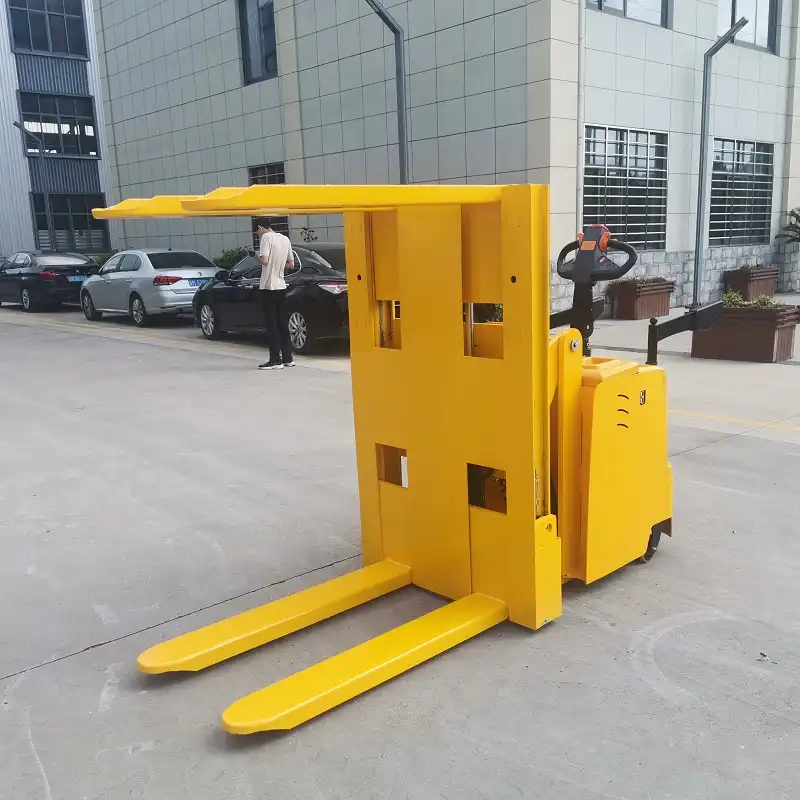
- Customized Solutions, Not Just Machines: Every warehouse is different. A good partner offers pallet inverters that can be adapted to your space, product types, and operational flow. This includes mobile pallet changers, fixed units, or integrated lines.
- Reliable After-Sales Support: The machine is only as good as the support behind it. A true partner provides excellent installation, training, maintenance, and quick troubleshooting. This ensures your investment continues to perform without interruption.
- Long-Term Relationship: I believe in building lasting relationships. My journey showed me how crucial strong partnerships are for success. We aim to help our clients grow their businesses, just as I was helped by the packing machine industry.

Investing in a pallet inverter is more than buying equipment. It is investing in the future of your warehouse. It is a strategic decision that pays off through reduced costs, improved efficiency, enhanced safety, and a stronger position in the market. It truly helps you achieve your long-term operational goals.
Conclusion
Pallet inverters are vital for reducing product damage and transforming warehouse operations. They ensure gentle product handling, boost efficiency, and greatly improve worker safety compared to traditional methods. Investing in a pallet inverter offers a clear ROI, strengthening your business for long-term success and customer satisfaction.








