
Which pallet inverter design is best for high-throughput distribution centers?
The challenge of managing thousands of pallets every day in a busy distribution center can feel overwhelming. Imagine the constant movement, the need to quickly switch between Euro and US pallets for international shipments, and the ever-present pressure to cut costs while keeping your team safe. If this sounds familiar, you know that finding the right equipment is not just about buying a machine. It is about finding a solution that truly solves your operational headaches. My years in the packing machine industry have shown me that the right choice can transform your entire operation.
The best pallet inverter design for high-throughput distribution centers often combines automatic operation, robust construction, and versatile handling capabilities for different pallet types. Systems that integrate seamlessly into existing logistics flows, minimizing manual intervention and maximizing speed, offer the greatest advantages. This design ensures both efficiency and safety, crucial elements for any busy warehouse operation in places like Europe and beyond.
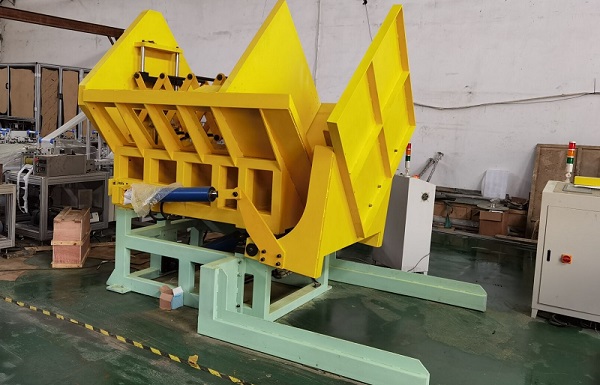
Choosing the ideal pallet inverter for your facility can seem complex. You need a system that keeps up with demanding schedules, protects your products, and reduces risks for your workers. Let us look closer at the options and find out what really makes a difference for high-volume operations.
What types of pallet inverters are available for modern warehouses?
Many warehouse managers face the challenge of outdated methods for handling pallets. Manual pallet changes are slow, prone to errors, and unsafe. This old way of working creates bottlenecks and eats into your profits. You need to understand the different kinds of pallet inverters to see which one will best fit your modern, fast-paced environment.
Modern warehouses primarily use three types of pallet inverters: freestanding (off-line) models, inline (automatic) systems, and specialized designs like freezer-safe or heavy-duty units. Each type offers different levels of automation and throughput capacity, with inline systems being the most suitable for high-volume distribution centers that require continuous, fast pallet transfers.
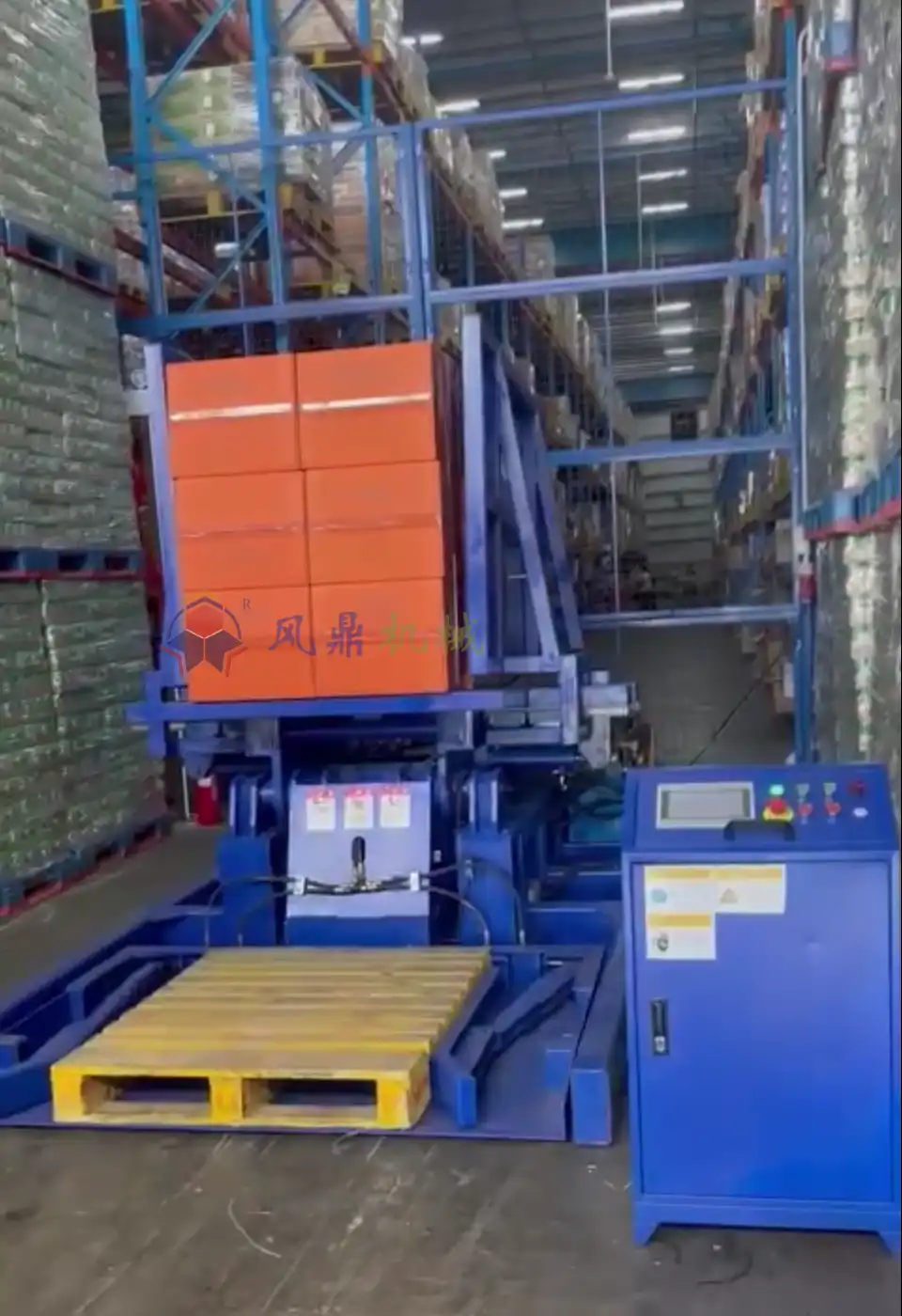
Let us dive deeper into these designs. Understanding their strengths and weaknesses helps you make an informed decision for your distribution center. My experience shows that the right design can truly optimize your workflow and safety.
1. Freestanding (Off-Line) Pallet Inverters: Simple and Flexible
Freestanding pallet inverters are standalone units. Workers load and unload them with a forklift. They are good for operations that need to change pallets less often.
- How they work:
- The forklift places a loaded pallet into the machine.
- The machine clamps the load.
- It then rotates the load to swap the pallet.
- A new pallet is put in, and the load is placed onto it.
- Benefits:
- Lower initial cost.
- Easy to move around the warehouse if needed.
- Simple to operate.
- Drawbacks for high-throughput:
- Requires a lot of human labor for loading and unloading.
- Slower cycle times mean lower overall throughput.
- Can become a bottleneck in busy centers.
- Risk of human error during loading and unloading.
- Best for: Smaller warehouses or specific tasks, not large-scale distribution centers that move thousands of pallets daily.








