
How Pallet Inverters Help Engineers Optimize Heavy Battery Pack Logistics?
Logistics for heavy battery packs can be a real headache. I’ve seen firsthand how quickly things go wrong when you deal with heavy, often delicate, items like these. The risks are high, from damaged goods to worker injuries, and the costs of inefficiency add up fast. Without the right tools, managing these heavy loads is a constant battle against delays, safety hazards, and wasted resources.
Pallet inverters are key tools that help engineers optimize heavy battery pack logistics by providing a safe, efficient, and flexible way to handle and transfer these challenging loads. They protect valuable battery packs from damage, reduce the need for risky manual labor, and speed up the entire pallet change process. This makes operations smoother, safer, and much more cost-effective for any warehouse or distribution center.
My journey in the packing machine industry, from an employee to a factory owner, taught me one crucial thing: the right machinery can change everything. It’s not just about moving goods; it’s about solving problems and unlocking efficiency. That is why at FHOPEPACK, we believe in sharing this knowledge. Let’s look closer at how these machines tackle the specific challenges of heavy battery pack logistics and broader warehouse operations.
How Do Pallet Inverters Handle Diverse Pallet Types and Enhance Safety in Logistics?
Handling different pallet sizes and types daily can slow down any logistics operation. Imagine having Euro pallets coming in and needing to switch them to American standard pallets for export, or moving goods from wooden pallets to plastic ones for hygiene reasons. This process, especially with heavy items, often involves risky manual labor, leading to errors, delays, and worse, worker injuries.
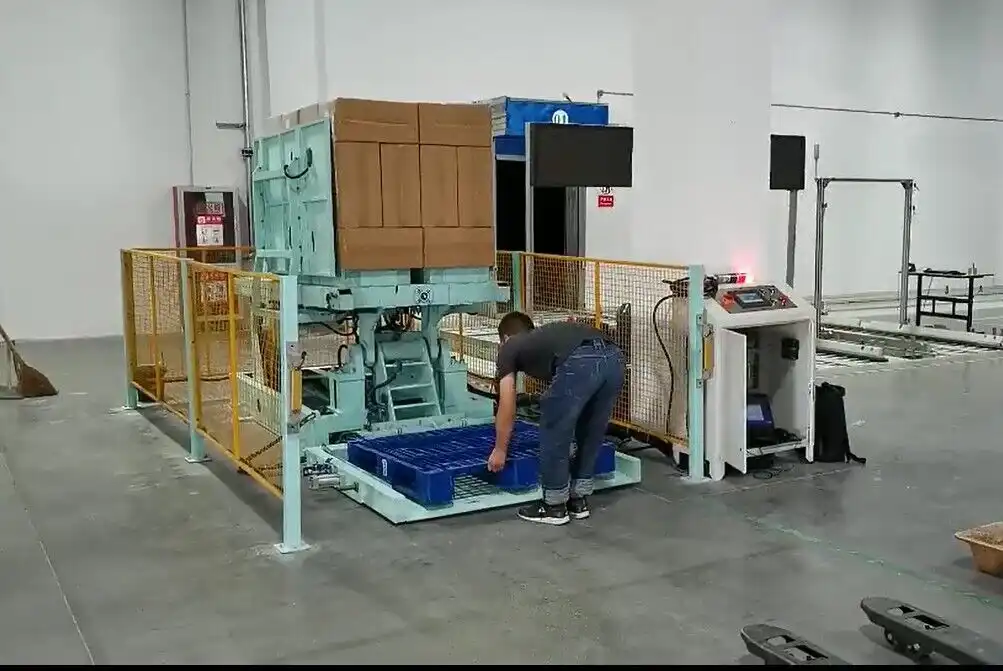
Pallet inverters are designed to efficiently switch between diverse pallet types, such as Euro, US standard, or plastic pallets, without direct manual handling. This capability significantly enhances safety by eliminating the need for workers to physically lift or tilt heavy battery packs, reducing the risk of accidents, injuries, and product damage in busy logistics environments.
From my experience, watching manual pallet changes always made me nervous. People were lifting heavy loads, trying to balance them, and risking their backs and the product itself. An inverter solves this. It clamps the load securely and then gently turns it, allowing for the pallet change with no human contact with the heavy goods. This is crucial for safeguarding both workers and valuable cargo like battery packs, or even sensitive food items in a facility like Carlos’s.
-
Solving the Multi-Pallet Challenge Effectively: Different countries and industries have different pallet standards. For example, European warehouses often use 1200x800mm Euro pallets, while North American operations widely use 48×40-inch GMA pallets. When goods need to cross borders or move between internal zones with varying requirements, pallet switching becomes a daily necessity. Manual methods are slow, demand significant effort, and are prone to errors, especially when dealing with heavy items. Pallet inverters provide a streamlined solution for these transitions. They are designed to securely clamp a load, regardless of its weight or fragility, and then rotate it, allowing the original pallet to be replaced with a different type or material. This means a seamless transition from a wooden export pallet to a clean, in-house plastic pallet, or from a Euro pallet to an American standard pallet, all without touching the product itself. This adaptability is vital for companies involved in international trade or those handling diverse internal storage systems, ensuring compliance and efficiency. It avoids the need for costly and time-consuming repacking, making the entire logistics chain more agile and responsive to market demands. I remember one factory struggling with different pallet standards for exports, causing delays and damaged goods. A simple pallet inverter solution transformed their entire operation, cutting down on manual labor and saving them from constant rework.
-
Elevating Workplace Safety Standards: The traditional manual handling of heavy loads, such as battery packs that can weigh hundreds of kilograms, presents significant safety risks. Workers attempting to manually flip or transfer these loads are exposed to dangers like muscle strains, crush injuries, and even accidents where goods might topple. These incidents lead to lost workdays, increased insurance costs, and potential legal liabilities for the company. Pallet inverters remove workers from these hazardous situations entirely. By automating the rotation and transfer process, the risk of physical injury related to heavy lifting or awkward movements is virtually eliminated. Operators control the machine from a safe distance, often via remote control, ensuring that they are not in the immediate vicinity of moving machinery or heavy loads. This shift to mechanical operation not only protects employees but also contributes to a more positive and secure work environment. A safer workplace generally experiences higher morale, reduced staff turnover, and fewer interruptions due to accidents, all of which contribute to greater overall productivity and operational stability.
-
Protecting Valuable and Sensitive Cargo: Heavy battery packs are not just heavy; they are also often sensitive and expensive. Any impact or mishandling during pallet changes can lead to damage, compromising their performance or even rendering them unusable. This results in costly write-offs, production delays, and potential harm to a company’s reputation. Pallet inverters are engineered for gentle and precise handling. They use hydraulic clamps that apply even pressure across the load, ensuring it is held firmly without causing any deformation or damage. The rotation mechanism is smooth and controlled, preventing sudden jolts or drops that could harm delicate components within the battery packs. This controlled environment ensures that valuable cargo, whether it is high-tech batteries, fragile electronic components, or even delicate food and beverage products, remains intact throughout the pallet changing process. Protecting product integrity is paramount for customer satisfaction and reducing financial losses due to damaged goods. By minimizing the risk of damage, businesses can maintain product quality, ensure compliance with stringent industry standards, and safeguard their investment in high-value inventory.
Can Automated Pallet Switching Systems Dramatically Improve Logistics Efficiency and Reduce Costs?
In today’s fast-paced logistics world, speed and cost are everything. Manual pallet changes, especially with heavy items, are slow, labor-intensive, and prone to errors. This creates bottlenecks, drives up operational costs, and makes it hard to meet tight delivery schedules. The pressure from customers, especially in e-commerce, demands faster and more accurate fulfillment.
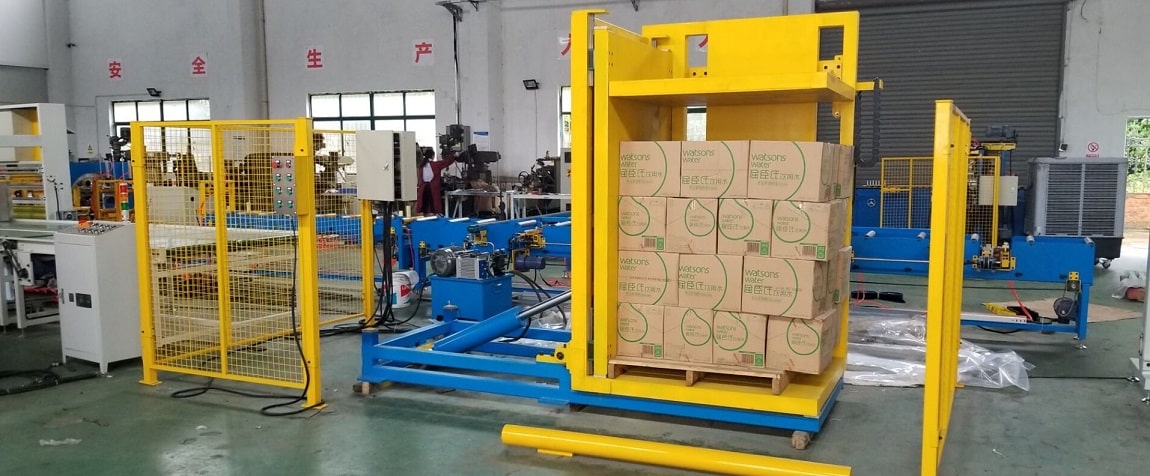
Automated pallet switching systems significantly improve logistics efficiency by reducing pallet change times, cutting down on manual labor, and streamlining workflow processes. These systems lead to substantial cost reductions through decreased labor expenses, fewer errors, and faster product turnaround, ultimately boosting overall operational output and helping businesses meet demanding deadlines.
I’ve seen many companies struggle with outdated manual processes, especially when scaling up. They often faced a choice: hire more people for inefficient tasks or invest in smart automation. My experience taught me that automation almost always leads to better outcomes. It’s not just about speed; it is about creating a more reliable and cost-effective operation. Early in my career, I saw businesses losing money due to inefficient manual loading. Investing in automation always paid off, not just in speed but in overall site management. It helped many of my clients grow their businesses, just like my mission states.
-
Boosting Throughput and Speed for Faster Operations: In a busy warehouse or distribution center, every second counts. Manual pallet changes, particularly for heavy battery packs or large volumes of goods, can significantly slow down the entire supply chain. Each manual lift, shift, and replacement takes time, adding up to hours of lost productivity over a day. Automated pallet switching systems fundamentally change this dynamic. These machines can perform a pallet change operation in a matter of minutes, far quicker than any manual process. By speeding up this critical step, companies can achieve much higher throughput rates, meaning more goods can be processed and moved through the warehouse in the same amount of time. This increased speed allows businesses to meet tighter delivery deadlines, respond more quickly to customer orders, and reduce lead times across their entire distribution network. The ability to quickly turn around inventory is a key competitive advantage in industries ranging from e-commerce to food and beverage, where customer expectations for rapid delivery are constantly rising. This direct boost in operational speed translates into a more agile and competitive business.
-
Lowering Operational Expenses Through Reduced Labor: Labor costs are a significant component of logistics expenses. Relying heavily on manual labor for tasks like pallet changing means a continuous expenditure on wages, benefits, and training. Furthermore, the physical demands of such work contribute to high employee turnover and increased recruitment costs. Automated pallet switching systems offer a compelling solution to this challenge by significantly reducing the dependency on manual labor. A single machine can perform the work of multiple employees, allowing businesses to reallocate their workforce to more value-added tasks or to manage with a smaller overall team. This reduction in labor requirements directly translates into substantial savings on wages and associated costs. Beyond direct labor, automation also decreases costs related to workplace injuries, as detailed earlier, and reduces errors that can lead to rework or damaged goods. Fewer errors mean less waste, less need for re-processing, and ultimately, a more efficient use of resources. The initial investment in an automated system is often quickly offset by these ongoing operational savings, leading to a strong return on investment over time.
-
Streamlining Workflow and Reducing Downtime: Inefficient pallet changing processes can disrupt the entire warehouse workflow. Bottlenecks at the loading dock or in specific processing areas can cause delays upstream and downstream, affecting everything from inbound receiving to outbound shipping. This fragmented workflow leads to idle equipment, wasted employee time, and a general decrease in operational harmony. Automated pallet inverters are designed to integrate smoothly into existing logistics lines, creating a more cohesive and uninterrupted flow of goods. They can be placed at strategic points where pallet changes are frequently required, ensuring that this step becomes a seamless part of the overall process rather than a point of friction. By standardizing the pallet change procedure and making it more predictable, businesses can better plan their operations, minimize unexpected delays, and ensure a steady movement of inventory. This leads to reduced downtime across the warehouse, as material handling equipment and personnel are no longer waiting for manual pallet changes to complete. A streamlined workflow enhances overall productivity, improves resource utilization, and allows for more efficient management of daily operations, contributing to a more organized and productive logistics environment.
What Role Does Precision Handling Play in Optimizing Heavy and Sensitive Cargo Logistics?
Moving heavy and sensitive items, like high-value battery packs, comes with inherent risks. Any jolt, drop, or incorrect handling can lead to costly damage, product failures, and serious safety issues. In industries where product integrity is paramount, from electronics to food and beverage, the need for precise and gentle handling is non-negotiable. Traditional methods often fall short, resulting in losses and compromising quality.
Precision handling is critical in optimizing heavy and sensitive cargo logistics because it ensures that valuable items, such as heavy battery packs, are moved and transferred without incurring any damage. Pallet inverters with advanced controls provide gentle clamping, smooth rotation, and stable support. This minimizes the risk of product loss, upholds quality standards, and helps maintain strict compliance, which is essential for specialized and high-value goods.
I’ve learned that when you deal with delicate components or heavy, high-value products, you cannot cut corners on handling. The cost of one damaged item can erase the savings from a dozen efficient moves. At FHOPEPACK, we always emphasize solutions that prioritize product integrity. I once helped a client who transported delicate electronic components. The slightest bump meant a rejected shipment. We designed a handling system that reduced all impact points, saving them thousands in returns and improving their customer satisfaction immensely.
-
Minimizing Product Damage Through Secure and Gentle Clamping: Heavy and sensitive items like battery packs require careful handling to prevent damage that can occur from impact, compression, or sudden movements. Traditional handling methods, which might involve forklifts or manual lifting, often lack the precision needed, leading to scratches, dents, or internal damage that might not be immediately visible but could affect performance. Pallet inverters are designed with sophisticated clamping mechanisms that provide a firm yet gentle grip on the load. These systems often feature adjustable pressure settings, allowing operators to fine-tune the clamping force to match the specific characteristics of the product, whether it’s a robust battery pack or a stack of delicate food containers. This secure clamping ensures that the load remains stable and perfectly aligned throughout the rotation process. The smooth, controlled rotation motion, often hydraulically powered, prevents any jolting or sudden drops that could otherwise compromise the integrity of the cargo. By eliminating the risks associated with manual intervention and providing a consistent, gentle transfer, pallet inverters drastically reduce the incidence of product damage, safeguarding valuable inventory and avoiding costly replacements or repairs.
-
Ensuring Cargo Integrity from Start to Finish: Maintaining the integrity of cargo, especially for items like heavy battery packs, is crucial for both functionality and safety. Any compromise to the packaging or the product itself during transit can lead to operational failures, safety hazards, or even environmental risks. Pallet inverters play a vital role in ensuring that goods remain in their original, undamaged state throughout the pallet change process. Their design focuses on providing a stable and controlled environment for the load. The entire operation happens within the machine’s framework, which supports the product from all sides as it is rotated. This continuous support prevents any shifting or sagging that could occur with less secure methods. For industries dealing with hazardous materials, like certain chemicals or large-format batteries, ensuring cargo integrity is not just about cost but also about safety and regulatory compliance. By using a machine that handles the product with precision, companies can confidently move their goods knowing that their original condition and safety features are maintained, from the moment they enter the warehouse until they are dispatched. This meticulous care extends the life of products and maintains their value.
-
Maintaining Compliance with Industry Standards: Many industries, particularly those dealing with sensitive or high-value products, are subject to strict regulations and quality control standards. For example, battery pack manufacturers must ensure their products meet specific safety and performance criteria, and any damage during logistics could lead to non-compliance. Similarly, the food and beverage industry has stringent hygiene requirements, often necessitating transfers from wooden to plastic pallets. Precision handling equipment like pallet inverters helps businesses meet these standards. By providing a consistent and controlled method of handling, they reduce the variability and human error that can lead to non-compliance. The ability to smoothly switch to hygienic pallets or to secure a load to prevent damage, aligns directly with requirements for product quality, safety, and traceability. Automation also allows for better record-keeping and process consistency, which are often key components of compliance audits. By investing in equipment that ensures precise and gentle handling, companies not only protect their products but also demonstrate a commitment to upholding the highest industry standards, avoiding potential fines, recalls, and reputational damage. This proactive approach to compliance is a mark of a well-managed and reliable operation.
Why Is Choosing a Reliable Partner Crucial for Long-Term Logistics Optimization?
Investing in high-tech equipment like pallet inverters is a big decision for any company. But the machine itself is only part of the solution. A bad supplier, with poor support or unreliable products, can turn a promising investment into a constant source of frustration and costly downtime. True long-term optimization means having a partner who understands your challenges and stands by their solutions.
Choosing a reliable partner is crucial for long-term logistics optimization because they provide not just the equipment, but also expert support, customized solutions, and a commitment to your sustained operational success. A trustworthy supplier offers reliable machines, comprehensive after-sales service, and a deep understanding of unique challenges like heavy battery pack logistics, ensuring your investment truly pays off over time.
I’ve built FHOPEPACK on the principle of partnership. I remember clients who bought cheap machines only to face constant breakdowns and no support. My experience taught me that true value comes from a supplier who stands by their product and understands your long-term goals. That’s how I helped many of my clients grow their businesses, by being a partner, not just a seller. This approach is what drives our mission to share knowledge and help others succeed.
-
Beyond the Sale: The Definition of a Good Partner: Many companies focus solely on the initial purchase price when acquiring new equipment. However, the true cost of ownership extends far beyond that. A “good partner” in the logistics solutions space offers more than just a machine; they provide a comprehensive package that includes expert consultation, robust after-sales support, and a genuine understanding of your operational needs. This means a supplier who takes the time to analyze your specific challenges, whether it is handling heavy battery packs, managing diverse pallet types, or accelerating throughput for food products. They should offer tailored advice, not just generic product brochures. Furthermore, a reliable partner provides accessible and efficient customer service, spare parts availability, and technical assistance for the entire lifespan of the equipment. When a machine breaks down, quick and effective support is paramount to minimize costly downtime. This holistic approach ensures that your investment continues to deliver value long after the initial purchase, safeguarding your operations against unexpected disruptions and ensuring maximum uptime. It is this dedication to ongoing support that distinguishes a true partner from a mere vendor.
-
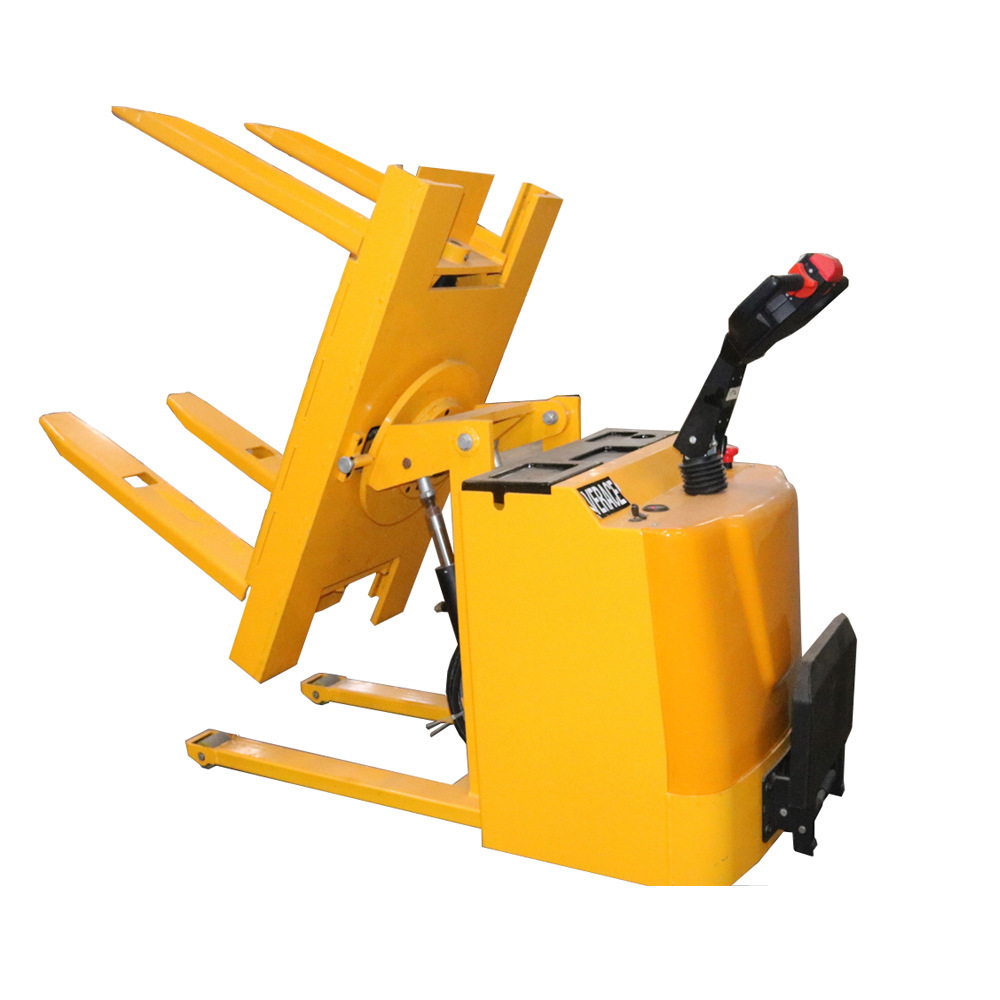
Tailored Solutions for Unique Industry Challenges: Every industry and every warehouse has its unique set of challenges. For instance, the demands of handling heavy battery packs in the automotive sector differ greatly from the hygiene and speed requirements in a food and beverage distribution center. A one-size-fits-all approach to equipment procurement rarely yields optimal results. A reliable partner excels at providing tailored solutions. This involves a deep dive into your specific operational environment, understanding the types of goods you handle, the volume of your throughput, your existing infrastructure, and your future growth objectives. For a logistics manager like Carlos, this would mean a supplier who understands the nuances of diverse pallet specifications, the criticality of safety, and the need for efficiency in high-volume settings. Such a partner will customize equipment specifications, recommend specific pallet inverter models (e.g., mobile, fixed, heavy-duty), and integrate them seamlessly into your existing workflow. They might even suggest modifications or complementary systems to address specific pain points, ensuring that the solution perfectly aligns with your operational goals and provides the most effective pathway to optimization. This consultative approach is invaluable for solving complex problems and maximizing the return on your investment.
-
Ensuring Longevity, Reliability, and Return on Investment: The longevity and reliability of logistics equipment are paramount for sustainable operations. Frequent breakdowns, high maintenance costs, or early equipment obsolescence can quickly erode any potential gains from automation. A reputable partner stands behind the quality of their products. They use high-grade materials, employ robust engineering practices, and subject their machines to rigorous testing to ensure durability and consistent performance in demanding industrial environments. This commitment to quality translates into equipment that can withstand the rigors of continuous operation, minimizing unexpected downtime and extending the operational life of your investment. Beyond the physical machine, a reliable partner also contributes to a strong return on investment (ROI) by offering preventative maintenance programs, upgrade options, and expert advice on optimizing equipment usage. This ensures that your pallet inverter continues to operate at peak efficiency for years to come, adapting to changing operational needs and maximizing its value. Choosing a partner known for reliability means you are investing in a long-term solution that will consistently contribute to your operational efficiency, safety, and profitability, rather than becoming a source of ongoing issues and unexpected expenses.
Conclusion
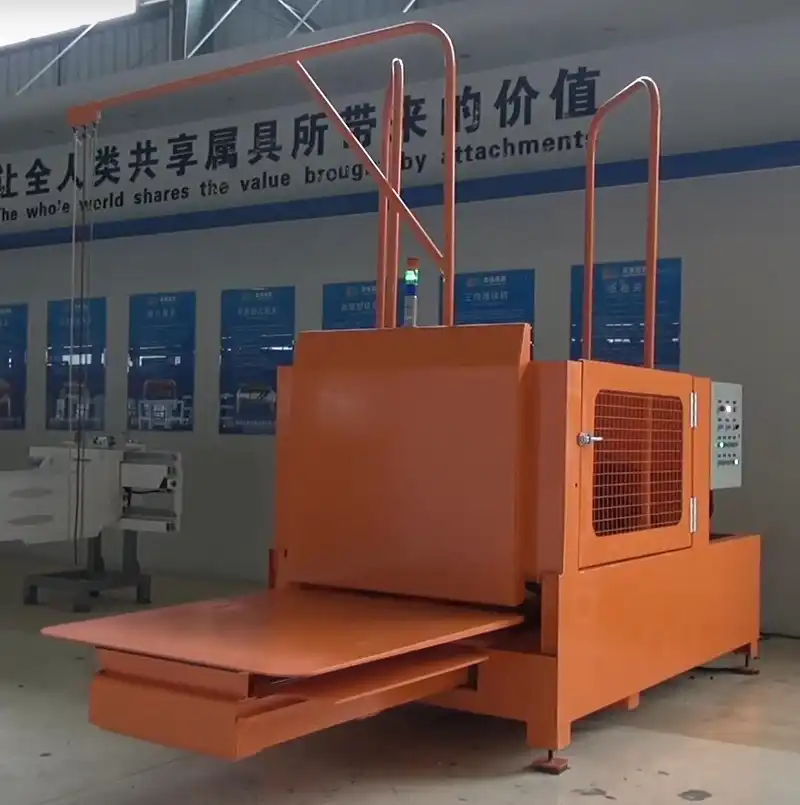
Pallet inverters offer a powerful solution for optimizing heavy battery pack logistics and broader warehouse challenges. They boost safety, increase efficiency, and reduce costs by expertly handling diverse pallet types and ensuring precise cargo management. Partnering with a knowledgeable supplier like FHOPEPACK ensures you gain not just a machine, but a long-term solution. A well-chosen pallet inverter is a smart investment for any modern logistics operation.








