
How to Improve Steel Wire Strapping Machine Safety in High-Risk Industrial Environments?
Steel wire strapping machines are essential for securing heavy loads, but they can also pose significant safety risks in demanding industrial settings. Enhancing safety is crucial to protect workers and prevent accidents. Proactive measures and technological advancements can dramatically improve operational safety.

Improving safety involves comprehensive strategies: regular risk assessments, enhanced machine guarding, rigorous training programs, and the integration of advanced safety technologies. These measures aim to minimize the risk of injuries, ensure compliance with safety regulations, and promote a safer, more productive work environment.
Steel wire strapping machines are vital for many industries, but without careful planning and execution, they can also be dangerous. Let’s explore the measures to improve [Collection] safety in these critical environments.
1. Assessing and Mitigating Risks in Steel Wire Strapping Operations
Understanding the specific hazards associated with steel wire strapping machines is the first step in creating a safer environment. A comprehensive risk assessment helps identify potential dangers and implement effective mitigation strategies.
Risk assessments are critical for identifying potential hazards associated with steel wire strapping machines. By understanding common injury types—cuts, crush injuries, and musculoskeletal strains—and employing techniques like hazard identification, risk scoring, and regular audits, companies can proactively reduce workplace accidents and ensure a safer operational environment.

How to Conduct a Comprehensive Risk Assessment
A thorough risk assessment involves several key steps. Let’s break down the process for improving safety around steel wire strapping machines.
Hazard Identification
Begin by identifying all potential hazards associated with the operation of steel wire strapping machines. This includes mechanical hazards, such as moving parts, sharp edges, and pinch points, as well as ergonomic hazards related to repetitive tasks and heavy lifting.
Risk Scoring
Evaluate the likelihood and severity of each identified hazard to determine its risk score. This involves considering factors such as the frequency of exposure, the potential for injury, and the number of employees at risk. High-risk hazards should be prioritized for immediate mitigation.
Implementing Control Measures
Develop and implement control measures to eliminate or reduce the identified risks. These measures may include engineering controls, such as machine guarding and safety interlocks, as well as administrative controls, such as safe work procedures and training programs.
Regular Audits
Conduct regular safety audits to ensure that control measures are effective and that employees are following safe work procedures. Audits should be conducted by qualified personnel and should include inspections of the machine, the work area, and employee practices.
Documentation and Review
Maintain detailed records of all risk assessments, control measures, and audit findings. These records should be reviewed regularly to identify trends, track progress, and make necessary adjustments to the safety program.
Data Analysis: Key Injury Types and Frequencies
To understand the impact of risk assessments, it’s helpful to look at injury data before and after implementing comprehensive safety measures. Here’s a sample comparison:
| Injury Type | Frequency Before Risk Assessment | Frequency After Risk Assessment | Percentage Reduction |
|---|---|---|---|
| Cuts and Lacerations | 15 incidents per year | 3 incidents per year | 80% |
| Crush Injuries | 8 incidents per year | 1 incident per year | 87.5% |
| Musculoskeletal Strains | 20 incidents per year | 5 incidents per year | 75% |
| Slip, Trip, and Fall Injuries | 5 incidents per year | 1 incident per year | 80% |
This data illustrates that a well-executed risk assessment program can significantly reduce the frequency of common workplace injuries.
Addressing Ergonomic Hazards
Ergonomic hazards are a significant concern in steel wire strapping operations, often leading to musculoskeletal disorders. Implementing ergonomic improvements can reduce these risks.
Workstation Design
Design workstations to minimize bending, reaching, and twisting. Adjustable workstations can accommodate workers of different heights and reduce strain on the body.
Lifting Techniques
Train workers on proper lifting techniques, including bending at the knees, keeping the back straight, and avoiding twisting motions. Provide lifting aids, such as hoists and dollies, to assist with heavy loads.
Job Rotation
Implement job rotation to reduce repetitive strain on specific muscle groups. Rotating workers between different tasks can help prevent fatigue and musculoskeletal disorders.
Regular Breaks
Encourage workers to take frequent breaks to stretch and rest their muscles. Provide designated break areas where workers can relax and recover.
By systematically identifying and addressing risks, companies can create a safer, more productive work environment for their employees.
2. Implementing Engineering Controls for Enhanced Safety
Engineering controls are physical modifications to the workplace that eliminate or reduce hazards at the source. These controls are essential for creating a safer environment around steel wire strapping machines.
Engineering controls, such as machine guarding, safety interlocks, and emergency stop systems, are vital for enhancing safety. Machine guarding prevents accidental contact with moving parts, safety interlocks halt machine operation when guards are removed, and emergency stop systems allow for immediate shutdown in critical situations.
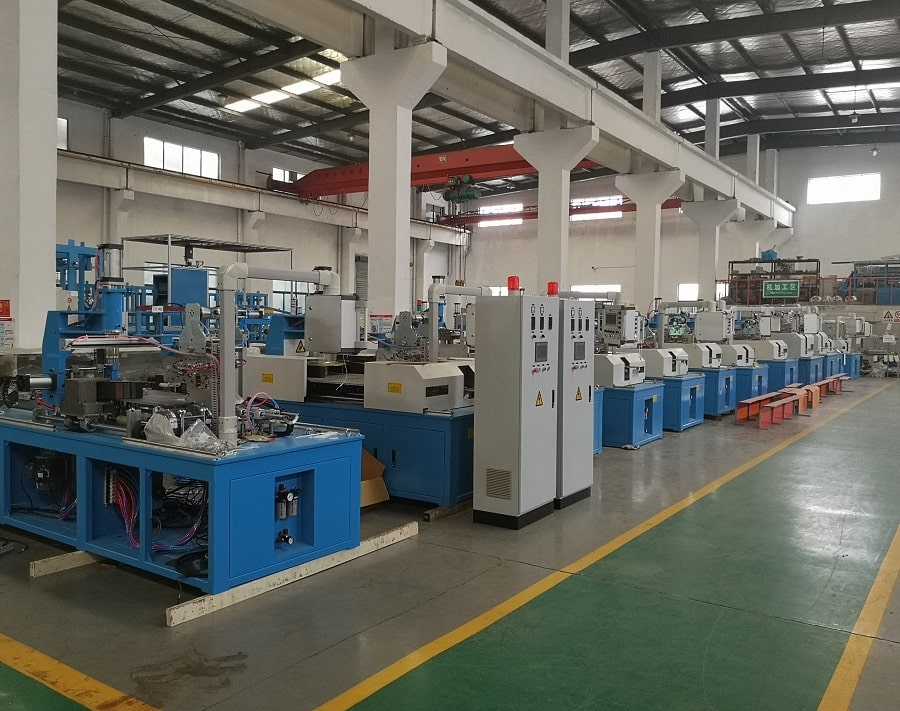
Exploring Effective Engineering Controls
Let’s explore some engineering controls that minimize risks and enhance safety with steel wire strapping machines:
Machine Guarding
Machine guarding involves installing physical barriers to prevent accidental contact with moving parts. Guards should be designed to be tamper-resistant and should cover all hazardous areas of the machine.
Safety Interlocks
Safety interlocks are devices that automatically shut down the machine when a guard is removed or a safety gate is opened. These interlocks prevent operation of the machine while workers are at risk of injury.
Emergency Stop Systems
Emergency stop systems provide a means for workers to quickly shut down the machine in the event of an emergency. E-stops should be easily accessible and clearly marked.
Light Curtains and Safety Scanners
Light curtains and safety scanners use photoelectric sensors to detect when a worker enters a hazardous area. When a worker is detected, the machine automatically shuts down.
Two-Hand Controls
Two-hand controls require the operator to use both hands to activate the machine. This prevents the operator from reaching into the machine while it is in operation.
Automated Systems
Automated strapping systems eliminate the need for manual handling of materials, reducing the risk of ergonomic injuries and other hazards.
Examples of successful implementation:
-
A manufacturing plant installed machine guarding on its steel wire strapping machines and saw a 60% reduction in contact-related injuries.
-
A distribution center implemented safety interlocks on its strapping machines and eliminated all incidents of workers being injured by moving parts.
-
A packaging facility installed light curtains on its strapping machines and prevented several near-miss incidents involving workers entering hazardous areas.
Engineering controls are a proactive way to significantly improve workplace safety around steel wire strapping machines.
3. Enhancing Safety Through Training and Procedures
Proper training and well-defined safety procedures are crucial for ensuring that workers operate steel wire strapping machines safely. A comprehensive training program should cover all aspects of machine operation, hazard identification, and emergency response.
Comprehensive training programs, covering machine operation, hazard identification, and emergency response, are crucial for safe operation. Safety procedures, including pre-shift inspections, lockout-tagout procedures, and clear communication protocols, reinforce safe practices and prevent accidents. Regular refresher courses and ongoing evaluation ensure sustained compliance.
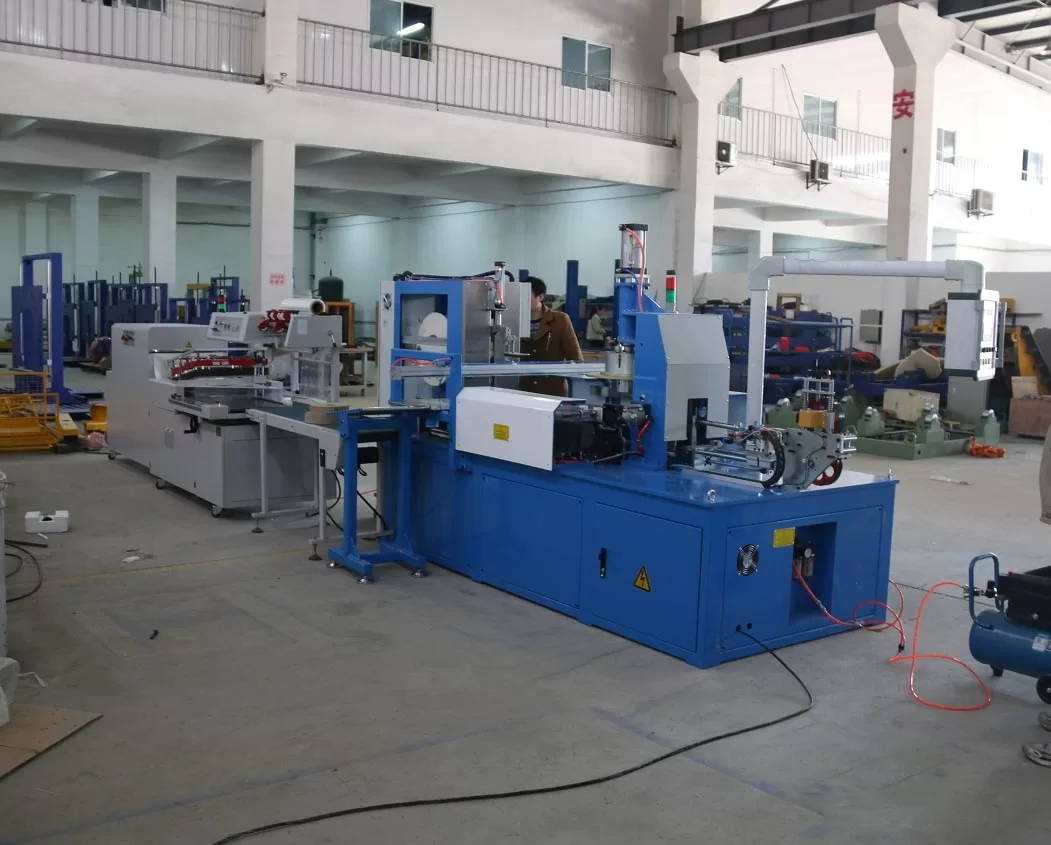
Key Components of a Comprehensive Training Program
Here’s how structured training enhances safety by focusing on practical skills and knowledge, reducing human error, and promoting a safety-conscious culture.
Machine Operation
Provide workers with hands-on training on how to operate the steel wire strapping machine safely and efficiently. Training should cover all aspects of machine operation, including start-up, shut-down, and normal operating procedures.
Hazard Identification
Teach workers how to identify potential hazards associated with the machine, such as moving parts, sharp edges, and pinch points. Workers should also be trained on how to recognize and respond to abnormal operating conditions.
Emergency Response
Train workers on how to respond to emergencies, such as machine malfunctions, injuries, and fires. Training should include instruction on how to use emergency stop systems, administer first aid, and evacuate the work area.
Safe Work Procedures
Develop and implement safe work procedures for all tasks associated with the steel wire strapping machine. Procedures should be clear, concise, and easy to follow, and should be reviewed regularly to ensure they remain effective.
Lockout-Tagout Procedures
Establish lockout-tagout procedures to prevent accidental start-up of the machine during maintenance and repair activities. Procedures should require workers to de-energize the machine, lock out the power source, and tag the machine to indicate that it is out of service.
Personal Protective Equipment (PPE)
Ensure that workers are provided with appropriate PPE, such as safety glasses, gloves, and steel-toed shoes, and that they are trained on how to use and maintain the equipment properly.
Communication Protocols
Establish clear communication protocols to ensure that workers can communicate effectively with each other and with supervisors. Protocols should include procedures for reporting hazards, requesting assistance, and coordinating activities.
To further clarify, consider this comparison of different training methodologies:
| Training Method | Description | Effectiveness |
|---|---|---|
| On-the-Job Training | Training provided by experienced workers while performing normal job duties | Can be effective if structured and supervised, but may perpetuate unsafe practices if not properly monitored. |
| Classroom Training | Formal training provided in a classroom setting, covering theoretical concepts | Effective for conveying knowledge and understanding, but may not translate directly to practical skills. |
| Simulation Training | Training using simulated scenarios to replicate real-world conditions | Highly effective for developing practical skills and decision-making abilities in a safe environment. |
| Computer-Based Training | Training delivered through computer-based modules, often interactive | Cost-effective and convenient, but may lack the personalized instruction and hands-on practice of other methods. |
Reinforcing Safety Culture
In addition to providing training and establishing procedures, it is important to foster a culture of safety within the workplace. This involves promoting open communication, encouraging worker involvement, and recognizing and rewarding safe behavior.
4. Leveraging Technology for Proactive Safety Measures

Integrating advanced technologies like real-time monitoring systems, predictive maintenance tools, and automated safety interventions significantly boosts steel wire strapping machine safety. These technologies enable proactive hazard detection, minimize downtime, and enhance overall operational efficiency, leading to safer and more productive work environments.
Advanced sensor systems can monitor machine performance and detect potential hazards, such as excessive vibration, overheating, or abnormal movements. Data analytics can then be used to identify trends and predict when maintenance is needed, preventing equipment failures that could lead to accidents.
Automated safety interventions, such as emergency stop systems, safety interlocks, and light curtains, can automatically shut down the machine or prevent it from operating in unsafe conditions. These interventions provide an additional layer of protection for workers, minimizing the risk of injury.
By leveraging technology, companies can move from reactive safety measures to proactive strategies that prevent accidents before they occur. This not only protects workers but also reduces downtime and improves productivity.
Conclusion
Improving safety in high-risk industrial environments with steel wire strapping machines requires a multifaceted approach. By conducting thorough risk assessments, implementing effective engineering controls, providing comprehensive training, and leveraging technology, companies can create safer workplaces. These efforts protect workers and enhance operational efficiency, contributing to long-term success.








