
How orbital wrapping machine in South Africa helps protect copper pipes and bars?
Many factory managers, just like Michael, struggle daily. They see their valuable copper pipes and bars moving through the factory. They know these products are sensitive. Scratches, dents, and bends happen easily. This damage costs money, causes customer complaints, and slows down production. It is a big problem.
An orbital wrapping machine is a smart solution. It wraps copper pipes and bars tightly and securely. This machine puts a strong, protective layer around products. It prevents damage during handling, storage, and shipping. This is especially true for businesses in South Africa that deal with heavy industrial materials.

This protection is not just about keeping products safe. It is about saving money and boosting efficiency. Let us look deeper into how this technology changes things for the better.
Why is protecting copper pipes and bars so difficult?
Copper is valuable. It is also quite soft. This means it can get damaged easily. Think about long pipes or heavy bars. Moving them around a factory is always a risk. Small bumps or rough handling can cause scratches or dents. These small marks can make a whole batch unsellable. This is a big problem for production lines.
Copper pipes and bars need careful handling. They are prone to surface damage and bending. Manual packing often cannot provide enough protection. An orbital wrapping machine creates a strong, all-around barrier. This barrier protects the products from physical damage during all stages of their journey.
My years in the packing machine industry taught me a lot. I have seen countless products damaged before they even reach the customer. This is a waste of resources and trust. We need to understand the root causes of this damage to solve it effectively.
What are the main points of vulnerability for copper products?
Copper is a soft metal. This makes it easy to work with. But it also makes it vulnerable. The edges of copper bars can chip. The surfaces of pipes can scratch. During internal transport, products often rub against each other. They hit against forklift tines or warehouse racks. Each hit can cause damage. Once a product is damaged, its value goes down. Sometimes it becomes scrap. This impacts the factory’s bottom line directly. I have learned that prevention is always better than repair. My own experience in setting up factories showed me that investing in protection upfront saves a lot of money later. For example, when I was involved in coil packing, we focused heavily on edge protection. Copper products need similar careful attention. It is not just about the surface. Long products like pipes can also bend. If they are not supported properly, gravity can cause them to sag. This is especially true for thinner-walled pipes. Wrapping these items securely keeps them rigid. It prevents bending and deformation. This helps maintain product quality. It also reduces customer complaints. Damaged goods lead to unhappy customers. Unhappy customers might go to other suppliers. We want to avoid that. We want to deliver perfect products every time. This means rethinking how we protect them.
| Vulnerability Point | Description | Impact on Product Quality |
|---|---|---|
| Surface Abrasions | Scratches, scuffs from rubbing or minor impacts | Cosmetic flaws, reduced value |
| Edge/End Damage | Chipping, denting on exposed edges of bars or pipe ends | Functional issues, structural weakness |
| Bending/Deformation | Sagging or permanent changes in shape for long products | Unusable, difficult to install |
| Contamination | Dust, dirt, moisture settling on unprotected surfaces | Requires cleaning, potential corrosion |
| Vibration Damage | Movement during transport causing internal wear or stress | Hidden flaws, premature failure |
Why do old packing methods not work for modern factories?
Many factories still use old ways to pack their products. They might use manual wrapping. They might use basic strapping. These methods are slow. They need many workers. Each worker means a cost. These methods also offer less protection. Workers get tired. They might make mistakes. This means more damaged products. It also means higher risks for workers.
Traditional packing methods, like manual wrapping or simple strapping, are often inefficient. They are slow and carry high labor costs. They do not provide consistent protection. An orbital wrapping machine offers a faster, more uniform, and safer packing solution. This is a big step up from older ways.

I have seen the impact of outdated packing. Factories try to scale up production. But their packing lines become bottlenecks. This stops the whole process. We need solutions that match today’s production speeds.
How do manual processes create bottlenecks and risks?
Manual packing requires human effort. People must lift, move, and wrap heavy items. This is hard work. It is also slow. If a factory produces hundreds of copper pipes each hour, manual packing cannot keep up. This creates a bottleneck at the end of the production line. The whole factory slows down. Production targets are missed. This costs the company a lot of money. It is not just about speed. Safety is also a major concern. Michael’s experience in Mexico, where heavy items are handled, mirrors what I have seen globally. Workers can suffer injuries. They might strain their backs. They might drop heavy items on their feet. These accidents lead to sick days. They lead to higher insurance costs. In some cases, skilled workers leave. This creates a cycle of problems. Michael mentioned high injury rates and staff turnover. This is a common issue with manual handling of heavy items. Automated systems remove people from dangerous tasks. This makes the workplace much safer. My work in steel wire packing taught me that even small wires need proper handling. Heavy copper products need even more care. Moving from manual to automated packing changes the game. It makes the factory more efficient. It also makes it a better, safer place to work. This is a core part of building a successful factory, as I learned first-hand.
| Traditional Method | Drawbacks | Impact on Factory Operations |
|---|---|---|
| Manual Wrapping | Slow, inconsistent tension, high labor cost | Production bottlenecks, variable protection |
| Simple Strapping | Only secures, does not protect surfaces, insufficient for long products | Product damage, inadequate against dust/moisture |
| Cardboard/Foam | Labor-intensive application, not durable for heavy items, eco-unfriendly options | High material waste, poor long-term protection |
| Shrink Hooding | Requires heat (energy cost), less versatile for irregular shapes, slower | Energy cost, specialized equipment, limited product range |
| Banding | Can indent soft metals, offers no surface protection | Product damage, only bundling function |
How does an orbital wrapper provide superior product protection?
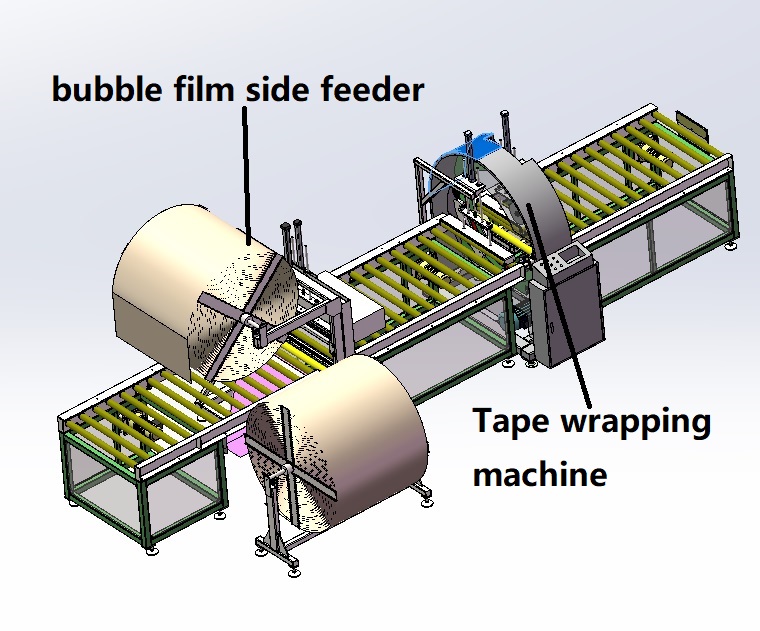
An orbital wrapping machine works in a unique way. It has a ring that spins around the product. The product stays still. Or it moves slowly through the center of the ring. The wrapping material, often stretch film, comes off a roll on the spinning ring. It wraps the product tightly. This creates a continuous, overlapping layer of protection. It is like a cocoon for your valuable goods.
An orbital wrapper uses a rotating arm to apply stretch film tightly around products. This creates a complete, secure barrier. It protects copper pipes and bars from dust, moisture, and impact damage. The film conforms to the product shape. This offers uniform coverage and prevents movement during transit.

I always focused on how well a machine does its job. For packing, the goal is always maximum protection with minimum cost. Orbital wrappers deliver on this promise very well.
What are the key elements of an orbital wrapper’s protective action?
The design of an orbital wrapping machine is very clever. The wrapping film spirals around the product. This creates a fully enclosed package. The film overlaps itself with each pass. This means there are no gaps. It seals the product from outside elements. Dust, dirt, and moisture cannot get in. This is very important for copper products. They can tarnish or corrode if exposed to moisture. The tight wrap also holds the product together. This prevents parts from shifting. For a bundle of copper bars, it keeps them as one unit. For a single pipe, it adds rigidity. This helps prevent bending or deformation during handling. The film itself is strong. It absorbs impacts. If a forklift bumps the wrapped package, the film takes the force. This protects the copper inside. Also, the wrapping tension is adjustable. You can make it tighter or looser depending on the product. For soft copper, you want good tension but not too much that it deforms the product. For heavier bars, you need maximum tension for security. This control is crucial. It ensures optimal protection for every type of copper product. This level of consistent, adaptable protection is something manual methods simply cannot match. From my years of experience, I know that customers value receiving products in perfect condition. This machine helps ensure that.
| Protective Element | How it Works | Benefit for Copper Products |
|---|---|---|
| Stretch Film | Elastic, strong plastic film applied under tension | Absorbs shocks, resists punctures, provides moisture barrier |
| Overlapping Wrap | Film layers cover entire surface, no gaps | Full enclosure, protection from dust and dirt |
| Adjustable Tension | Control over film tightness | Prevents deformation, ensures stability for different product weights |
| Product Confinement | Holds product or bundle securely together | Prevents shifting, reduces internal abrasion, maintains shape |
| Barrier Creation | Physical shield against external elements and impacts | Prevents scratches, dents, corrosion, and environmental damage |
How does this automation boost safety and cut costs?
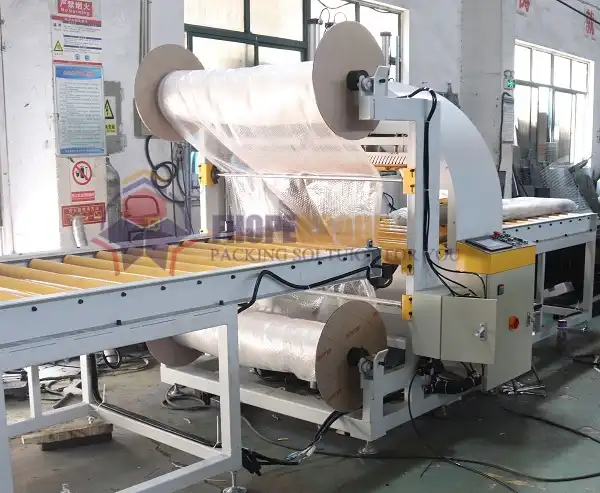
Think about how workers handle heavy copper. They lift. They bend. They twist. This is very dangerous. Accidents happen. Workers get hurt. This means more medical costs and lost workdays. An orbital wrapper changes this. It does the heavy lifting and wrapping. Workers just need to load and unload. This makes the workplace much safer.
Automating the packing process with an orbital wrapper greatly reduces manual handling of heavy copper products. This lowers the risk of worker injury. It also cuts labor costs. The machine works faster and more consistently. This boosts overall factory efficiency and saves money in the long run.
When I built my packing machine factory, safety was a top priority. My goal was always to improve processes. This meant making them safer and more efficient. Orbital wrappers are a perfect example of this.
What are the direct safety and cost advantages of automation?
Safety is not just a buzzword. It is a critical part of running a successful factory. Michael, like many factory managers, faces high injury rates. Manual handling of heavy and long items like copper pipes is a prime cause. Workers twist their bodies. They lift too much weight. They operate equipment in crowded spaces. An orbital wrapper takes these risks away. Workers load the product onto a conveyor. The machine does the rest. This drastically cuts down on manual labor. It minimizes the chance of sprains, strains, and crush injuries. This directly leads to lower insurance premiums and fewer lost workdays. It also creates a better work environment. Employees feel safer. This leads to higher morale and less staff turnover. On the cost side, the benefits are clear. You need fewer people on the packing line. This reduces your labor expenditure. The machine also works much faster than any human team. This means more products can be packed per hour. More output means higher revenue. Less product damage also means fewer reworks and fewer customer complaints. Each damaged item costs money. It costs material, labor, and reputation. By reducing this damage, the orbital wrapper directly improves profitability. This machine provides a strong return on investment (ROI). I have personally seen how investing in the right equipment transforms a factory’s financials and safety record. It is a smart business move.
| Benefit Category | Specific Advantage | Measurable Impact on Factory |
|---|---|---|
| Safety | Reduced manual handling of heavy items | Fewer workplace injuries, lower insurance costs, higher morale |
| Minimized exposure to moving machinery parts | Reduced risk of accidents during packing operations | |
| Efficiency | Faster packing speed and higher throughput | Increased production capacity, reduced bottlenecks |
| Consistent, reliable wrapping | Fewer reworks, higher quality output | |
| Cost Savings | Lower labor expenses (fewer workers needed) | Direct reduction in operational costs |
| Reduced product damage and customer returns | Increased profit margins, improved customer satisfaction | |
| Optimization of packing material usage | Less waste, lower material costs | |
| ROI | Clear financial benefits from reduced costs and increased output | Justifies initial investment with measurable returns |
Why are orbital wrappers a smart choice for South African industries?
South Africa has many industries. They deal with heavy materials. Mining, metal processing, and manufacturing are big sectors. These businesses need strong, reliable equipment. They often operate in tough environments. They need solutions that can handle high volume and harsh conditions. Manual methods are even harder to sustain here.
South African industries, especially those handling copper, face unique challenges. They need robust packing solutions for heavy materials and high volumes. Orbital wrapping machines offer durability and efficiency. They are well-suited to protect valuable exports and meet local industrial demands.
I have always believed in finding the right tool for the right job. For South Africa’s dynamic industrial landscape, this means packing solutions that are built to last and perform.
What makes orbital wrapping specifically beneficial for South African copper producers?
South Africa is a major player in mineral resources. This includes copper. Copper products, whether raw bars or finished pipes, often travel long distances. They go across the country or overseas for export. This long journey demands excellent protection. An orbital wrapper provides this robust protection. It keeps products safe from variable weather conditions during transport. It protects them from impacts on rough roads. The machinery itself must also be tough. Factories in South Africa often have demanding operational conditions. Dust, heat, and continuous use are common. FHOPEPACK machines are built to withstand these challenges. My experience in building and running factories taught me the importance of durable equipment. Cheap machines break down. This costs more in repairs and lost production. Investing in quality, reliable orbital wrappers means less downtime. This is critical for businesses operating on tight schedules and large orders. Also, local job creation is important. While automation reduces some manual roles, it creates new needs. There is a need for machine operators, maintenance technicians, and logistics experts. This can help local skill development. Finally, South African companies are always looking for ways to be more competitive. Reducing product damage and improving packing efficiency can give them an edge in global markets. It shows a commitment to quality. It helps them stand out.
| Benefit for South Africa | Description | Direct Impact |
|---|---|---|
| Export Protection | Secures products for long-distance and varied transport | Reduces damage during shipping, preserves value of exports |
| Industrial Durability | Machines built for harsh, high-volume factory environments | Less downtime, lower maintenance costs, consistent operation |
| Efficiency in Volume | Handles large quantities of heavy copper products quickly | Meets high production demands, improves delivery times |
| Safety Compliance | Reduces manual handling, aligning with safety standards | Creates safer workplaces, reduces liability |
| Competitive Edge | Delivers perfectly protected products to market | Enhances reputation, attracts more buyers, supports economic growth |
| Skill Development | Creates demand for skilled operators and technicians | Fosters local expertise in automation and machinery |
What insights do I have for choosing your packing solution partner?
Choosing a new machine is a big decision. It is an investment. You need to pick the right partner. I have seen many companies sell a machine and then disappear. This leaves factory managers stuck. They have no support. They have no answers when problems happen. My journey in the packing machine industry taught me a lot about this.
Based on my experience establishing and running a packing machine factory, I know that choosing a partner is critical. Look for a supplier who understands your operational challenges. They should offer reliable machines and strong after-sales support. This ensures your investment genuinely solves problems and supports growth.
I always believed in building trust. My goal with FHOPEPACK is to share knowledge. It is about helping others succeed. This means offering real solutions, not just selling boxes.
Why is a knowledgeable partner more valuable than just a vendor?
When you invest in an orbital wrapping machine, you are buying more than just steel and electronics. You are buying a solution to a problem. Michael’s challenges with efficiency, safety, and product loss are real. A good partner understands these specific pains. They do not just push their most expensive machine. They listen. They ask questions about your factory layout, your product types, and your production volume. Then, they suggest the best fit. I know this because I have been in those shoes. From starting as an employee to building my own successful packing machine factory, I learned what works. I also learned what does not. I helped many clients grow their businesses by offering the right advice and equipment. A true partner offers robust after-sales support. What happens if the machine breaks down? Who do you call? How fast can they help? These are critical questions. A trustworthy supplier provides spare parts. They offer technical assistance. They might even provide training for your staff. This prevents costly downtime. It ensures your investment keeps working for you. My aim with FHOPEPACK is to be that kind of partner. We share our expertise. We help you make informed decisions. This is how we build long-term success together.
| Feature of a Good Partner | Description | Benefit for the Factory Manager |
|---|---|---|
| Industry Expertise | Deep understanding of packing challenges and solutions | Tailored recommendations, effective problem-solving |
| Consultative Approach | Listens to needs, asks relevant questions, offers insights | Solutions truly fit your specific factory and product |
| Reliable Equipment | Sells durable, high-performance machines | Less downtime, higher efficiency, longer machine lifespan |
| Strong After-Sales Support | Provides spare parts, technical service, training | Minimizes operational disruptions, ensures long-term performance |
| Commitment to ROI | Helps you understand the financial return of your investment | Justifies purchase, ensures business growth |
| Long-Term Relationship | Aims to build trust and support your growth over time | Provides ongoing value and peace of mind |
Conclusion
Orbital wrapping machines offer vital protection for copper pipes and bars in South Africa. They boost safety, cut costs, and improve efficiency for factories. Choosing the right partner ensures a smart, lasting investment.








