
How Mexico’s Steel Plants Can Prevent Coil Damage with the Right Automatic Packing Line?
Steel plants in Mexico face a big problem. You work hard to make quality steel coils and wires. But then, right at the end, handling and packing can cause damage. This leads to frustrated customers. It also means losing money on products you already made. This issue hurts your plant’s reputation and your profit.
Automatic packing lines are the answer. They prevent coil damage. These systems use machines to handle products carefully. They wrap coils tightly and safely. This stops scratches, dents, and deformities during moving and shipping. When you use automation, your products stay perfect. This keeps customers happy and protects your investment.
Finding the right solution is important. It is not just about buying a machine. It is about solving real problems in your factory. I have spent many years in this industry. I built my own packing machine factory. I want to share what I learned. This can help you choose the best system and avoid common mistakes.
Is Manual Packing Holding Back Your Steel Plant’s Throughput?
Do you ever feel like your production line slows down at the very end? You make steel coils and wire quickly. But then, the packing part takes too long. This creates a bottleneck. Manual packing relies on people. It is slow. It is also not always consistent. This delay means you cannot ship products fast enough. It impacts your whole output.
Manual packing limits how much you can produce. It requires a lot of workers. They move heavy coils by hand. This process is not efficient. It also depends on how fast each person works. An automatic packing line changes this. It works at a steady, high speed. This removes the packing bottleneck. It lets your factory produce and ship more.
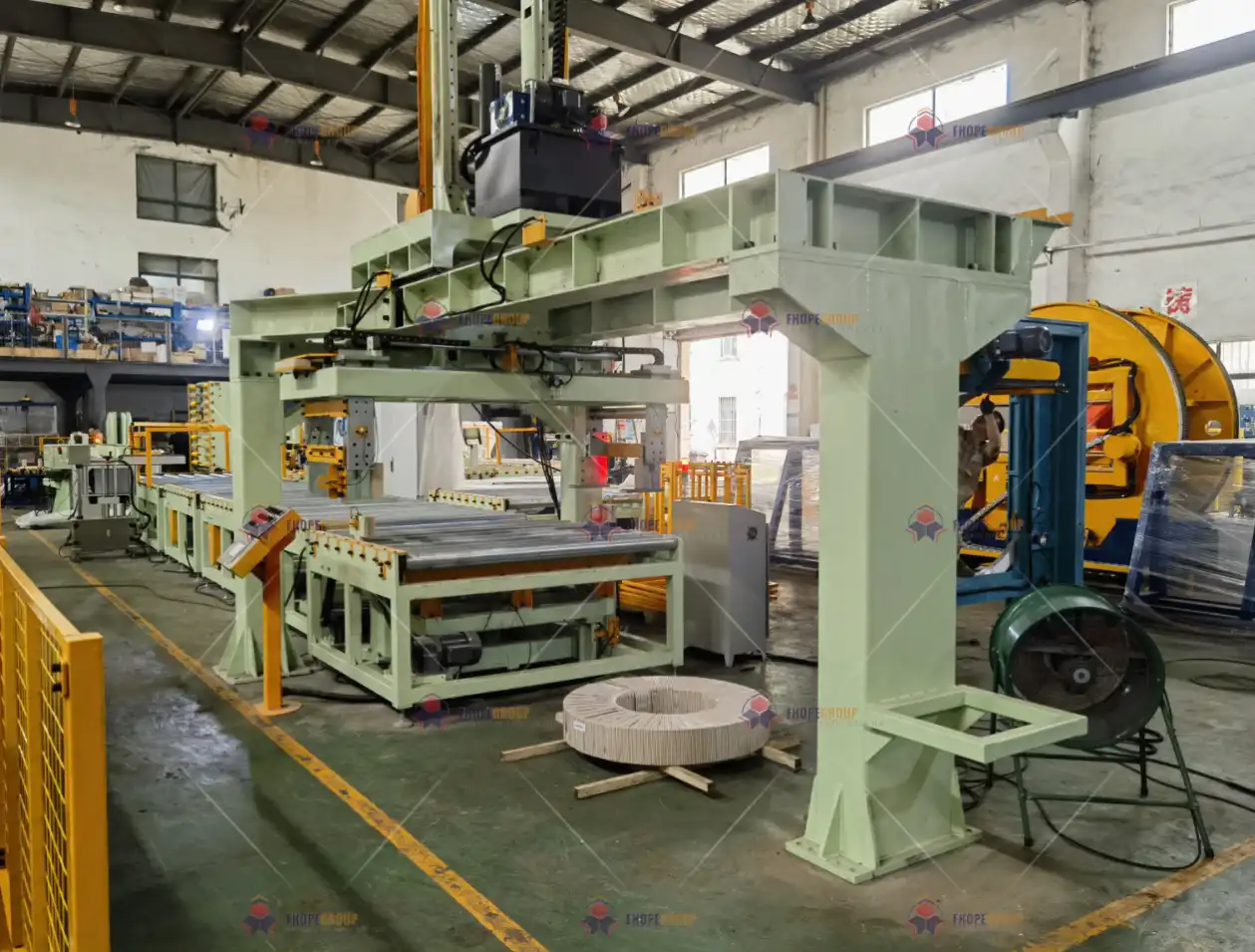
When I worked in a packing machine factory, I saw this problem all the time. Companies would invest a lot in making steel. But then, they used old, slow ways to pack it. They lost money and time. This is a common issue. You want your factory to run smoothly, from start to finish. A slow packing process stops that.
How Automation Speeds Up Your End-of-Line Operations
Automation brings speed and consistency. It does not get tired. It does not make mistakes due to fatigue. Machines can wrap coils much faster than people. They also apply the same tension every time. This creates a uniform package. This consistency is key for both speed and protection.
-
Faster Wrapping Cycles:
- Manual wrapping can take many minutes per coil. It involves walking around, applying layers, and securing the wrap.
- Automatic systems do this in seconds or a few minutes. They use programmed movements. The machine wraps the coil as it moves on a conveyor or turntable.
- This speed up means more coils get packed per hour. So, your factory can ship more products each day.
- For example, an automatic stretch wrapper can complete a coil in less than one minute. A manual wrap might take 10-15 minutes. This is a huge difference.
-
Continuous Flow:
- Manual processes often create waiting times. One worker finishes a task. Then another worker starts theirs. This stop-and-go flow slows things down.
- Automatic lines are designed for continuous flow. Coils move from one station to the next without stopping. This creates a smooth production line.
- This continuous movement reduces idle time. It maximizes the use of your plant’s space and resources. It means less clutter and better organization on the factory floor.
-
Reduced Labor Dependence:
- You need many workers for manual packing. Finding these workers can be hard. Training them also takes time.
- Automation reduces the need for many hands. A few operators can manage an entire line. This frees up your skilled workers for other tasks.
- This also means fewer worries about staff absences. The machines work even when people are not there. This ensures your production keeps moving.
The goal is to match your packing speed to your production speed. If your steel mill can make 100 coils an hour, your packing line should handle 100 coils an hour. If not, you have a bottleneck. Automation removes this problem. It makes your entire operation more efficient.
Can Automation Truly Eliminate Workplace Hazards in Coil Handling?
Moving heavy steel coils is dangerous work. Workers use cranes, forklifts, and their own strength. This can lead to serious accidents. People can get crushed. They can strain their backs. Slips and falls are also common. These injuries hurt your employees. They also cost your company a lot of money in medical bills and insurance. It is a big safety problem.
Automation greatly reduces human contact with heavy coils. This means fewer chances for injury. Machines lift, move, and wrap the coils. Workers stand at a safe distance. This lowers the risk of accidents. It makes your factory a much safer place to work. It protects your most valuable asset: your people.
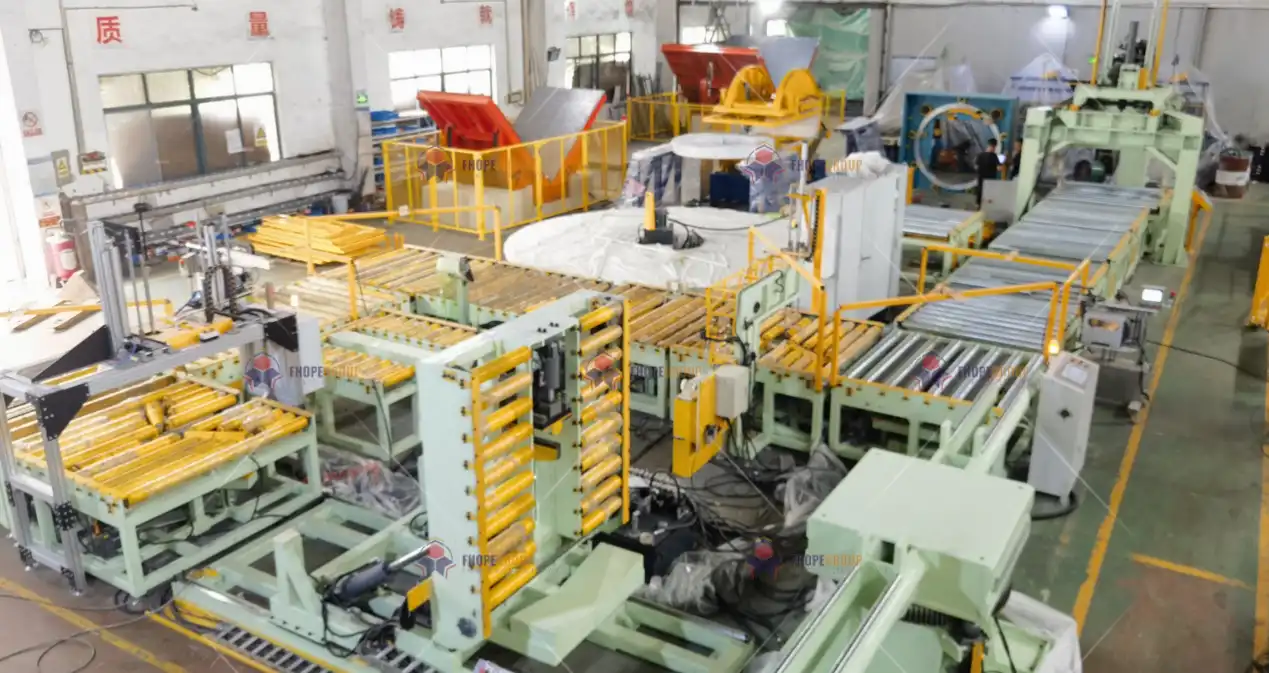
I have seen factories where safety was not the top priority. Workers had to move huge, heavy items. Accidents happened often. This led to high insurance costs and low morale. When I started my own factory, safety was always a key concern. I learned that investing in safety often pays for itself in the long run.
How Automated Systems Enhance Worker Safety
Automated packing lines remove people from risky situations. They perform tasks that are dangerous or repetitive for humans. This protects workers from common industrial hazards.
-
Eliminating Manual Lifting and Carrying:
- Manual handling of heavy coils is a leading cause of back injuries and other musculoskeletal problems. Workers strain themselves trying to lift or move awkward loads.
- Automated systems use conveyors, manipulators, and robotic arms. These machines lift and move coils with ease. They handle weights far beyond human capability.
- This removes the need for workers to physically interact with heavy loads. It means fewer strains, sprains, and serious injuries for your team.
-
Reducing Exposure to Moving Machinery:
- In manual packing, workers often get close to moving machinery. This includes conveyors, turntables, and strapping heads.
- Automated lines are designed with safety in mind. They have guard rails, safety sensors, and emergency stop buttons. These features keep workers away from dangerous moving parts.
- Also, many automated systems have safety interlocks. These stop the machine if a worker enters a dangerous zone. This prevents accidental contact and serious injuries.
-
Minimizing Repetitive Strain Injuries (RSIs):
- Manual packing often involves repetitive motions. Workers might bend, twist, or push in the same way, again and again. This can lead to RSIs over time.
- Automated systems take over these repetitive tasks. They perform the same motions perfectly every time. This protects workers from the long-term effects of such work.
- This also means happier, healthier employees. They can focus on more skilled work. They are not doing tasks that cause physical pain.
A safe workplace is a productive workplace. When your employees feel safe, they work better. They also stay with your company longer. This reduces turnover costs. It creates a better work environment. Automation is a big step towards a safer future for your steel plant.
How Do You Stop Costly Damage to Your Steel Coils During Packing?
You spend a lot of money making high-quality steel coils and wires. But then, during internal transport or packing, they get damaged. Maybe the edges get bent. Or the surface gets scratched. This happens with manual handling. It can also happen with old, worn-out equipment. When customers get damaged products, they complain. This hurts your reputation. It also means you lose money. You might have to offer discounts. Or, you might have to remake the product.
Automatic packing systems protect your product quality. They handle coils gently and precisely. They apply consistent, protective wrapping. This stops damage from bumps, drops, or improper storage. Your products arrive at the customer in perfect condition. This means fewer complaints. It also means more satisfied clients and better profits.
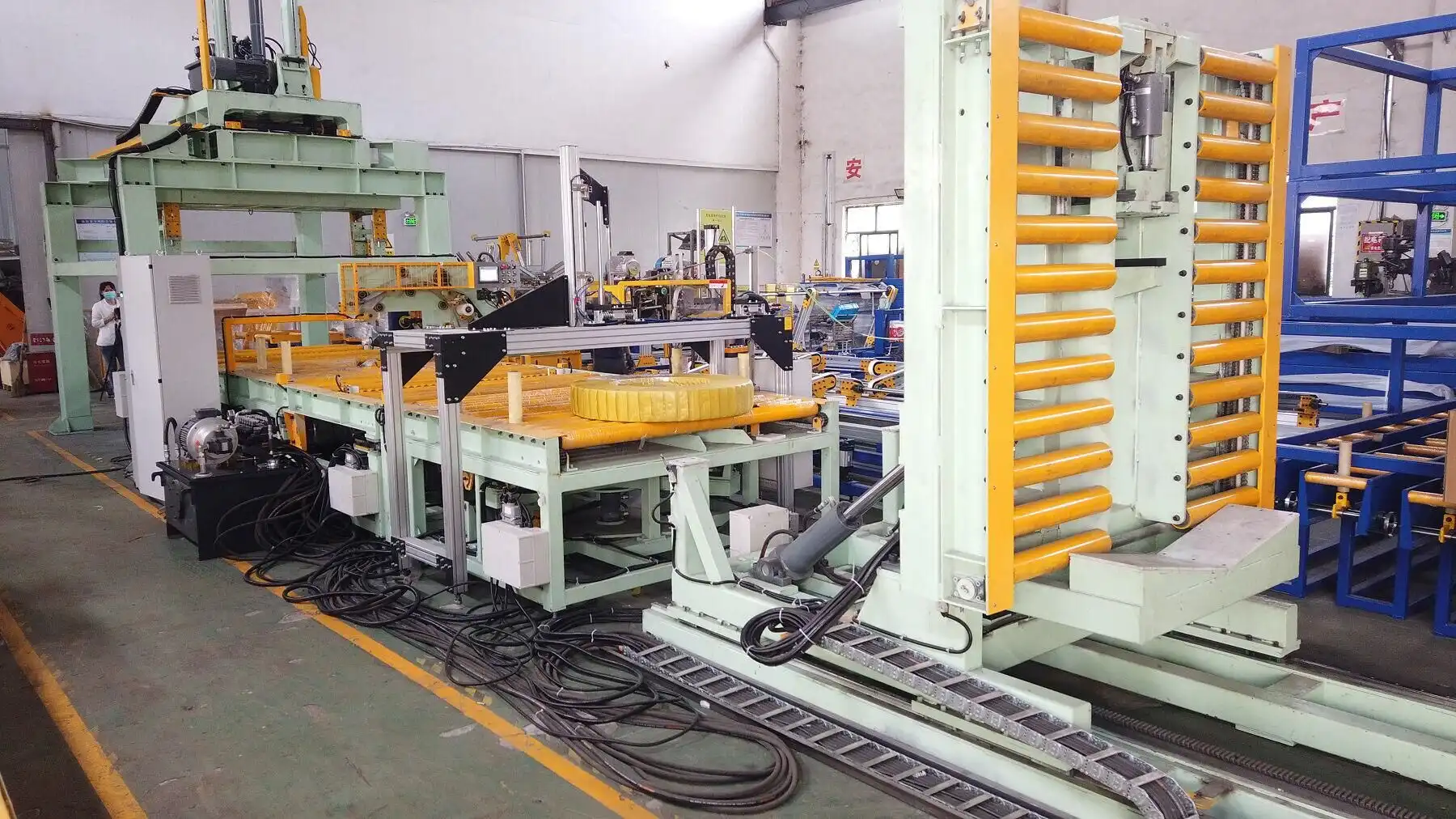
I remember one client who was losing so much money to damaged coils. Their workers were careful, but human error is always a factor with heavy, awkward products. The client was always stressed about customer calls. I saw how much it hurt their business. This is why I always emphasize the protective aspect of good packing.
The Role of Automation in Maintaining Product Integrity
Automated packing lines are built to protect your product from start to finish. They use controlled movements and specialized wrapping techniques. This keeps your steel coils safe.
-
Precise Handling Mechanisms:
- Manual handling can be rough. Workers might drop coils. Or, they might bump them against other objects. Even careful handling can cause damage to sensitive edges or surfaces.
- Automatic systems use specialized grippers, conveyors, and turntables. These devices are designed for specific coil sizes and weights. They handle the coils smoothly. They move them without sudden jerks or impacts.
- This precision reduces the risk of scratches, dents, or deformation. Your coils keep their perfect shape and finish.
-
Consistent and Secure Wrapping:
- Manual wrapping can vary. Some parts might be too loose. Other parts might be too tight. This inconsistent wrap does not protect the coil well. It leaves parts exposed.
- Automatic wrappers apply stretch film, paper, or other materials with uniform tension. They cover the entire coil evenly. This creates a strong, protective barrier.
- This consistent wrap protects against moisture, dust, and physical impact. It keeps the coil safe during transport and storage. It makes sure the coil looks good when it arrives.
-
Eliminating Human Error:
- Humans make mistakes. A worker might forget a layer of wrap. Or, they might not secure the strapping correctly. These small errors can lead to big problems.
- Automated systems follow a programmed process. They do the same thing every time. This removes the chance for human error in the packing process.
- This reliability means every coil is packed to the same high standard. You can trust that your products are protected before they leave your plant. This gives you peace of mind.
Protecting your product is not just about avoiding complaints. It is about building trust with your customers. It is also about maximizing your profits. When your products arrive in perfect condition, customers come back. This means a stronger business for you.
Will an Automatic Packing Line Actually Improve Your Bottom Line?
Investing in new equipment costs money. You might wonder if an automatic packing line is really worth it. Will it pay for itself? Many factory managers worry about this. They have seen big investments that did not deliver. You need to see a clear return on investment (ROI). You need to know that this equipment will save you money and make you more profitable.
An automatic packing line is a smart financial move. It lowers labor costs over time. It reduces product damage and waste. It also boosts your production capacity. All these things mean more money for your company. The initial cost is an investment. But the long-term savings and increased sales will bring a clear return.
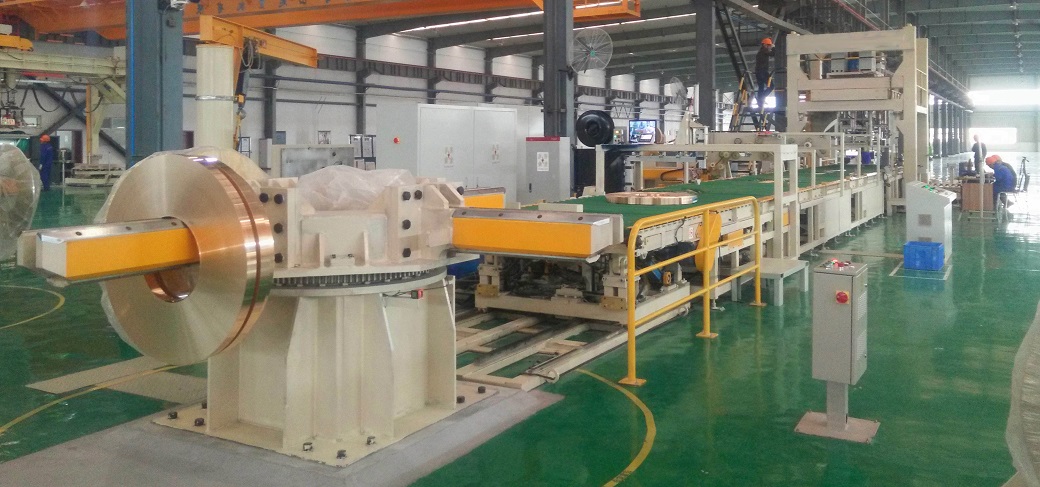
When I built my factory, every investment had to make sense financially. I looked at the numbers very carefully. I knew that if I wanted to succeed, I had to choose equipment that would genuinely improve my profit margin. This is the same advice I give to my clients. Look at the real costs and benefits.
The Economic Benefits of Automated Coil Packing
Automated packing lines do not just make things easier. They make your business more profitable. They achieve this in several key ways.
-
Reduced Labor Costs:
- Manual packing requires many employees. You pay their wages, benefits, and insurance. This is a recurring cost.
- An automated system can do the work of several people. You might only need one or two operators to manage the line. This means fewer salaries to pay over time.
- The upfront investment in automation often pays for itself through labor savings within a few years. This is a very clear and direct financial benefit.
-
Lower Product Loss and Rework:
- Damaged coils mean lost money. You might have to sell them at a discount. Or, you might have to scrap them and restart production. This directly impacts your revenue.
- Automated packing significantly reduces damage. This means more of your finished products are perfect. You sell them at full price. You do not waste materials or production time on rework.
- Think about how much money you lose now from damaged goods. Automation can turn those losses into profit.
-
Increased Throughput and Sales:
- When your packing line is faster, your whole factory can produce more. You can fulfill more orders. You can take on bigger contracts.
- This increased capacity means more sales. If you can make and ship more product, you earn more money.
- This is a growth driver. Automation lets you expand your business without adding huge numbers of new workers.
-
Lower Insurance Premiums (Safety):
- As discussed, fewer injuries mean lower risk for your insurance company.
- Over time, a safer workplace can lead to lower insurance premiums. This is another way automation saves you money directly.
So, while the initial price tag might seem big, look at the big picture. Automated packing is an investment that consistently delivers positive financial returns through reduced costs and increased revenue.
How Do You Choose a Reliable Partner for Your Automation Needs?
You might have worked with equipment suppliers before. Some only care about making a sale. They do not offer good after-sales service. When you have problems, they are hard to reach. This makes you cautious about new partners. You want someone who truly understands your factory’s needs. You need a partner, not just a seller.
Finding a good partner is key to success. Look for a supplier with deep industry knowledge. They should understand your challenges. They should have a track record of helping businesses like yours. They should offer strong support after the sale. A true partner provides insights and reliable solutions. They help you grow.

My journey in the packing industry taught me a lot. I started as an employee. Then I built my own factory. This gave me a unique view. I know what it is like to be on both sides. I know what good support looks like. I also know what bad support looks like. I made FHOPEPACK to share this knowledge. I want to be that reliable partner for you.
Key Traits of a Trustworthy Automation Partner
Choosing the right supplier is as important as choosing the right machine. Here are things to look for.
-
Deep Industry Experience:
- Does the supplier truly understand steel processing? Do they know the unique challenges of packing coils and wire?
- A good partner has engineers and experts who have worked in factories like yours. They understand your production bottlenecks and safety concerns. They know the exact solutions you need.
- Avoid general equipment sellers. Look for specialists who focus on your industry.
-
Problem-Solving Approach:
- A great partner does not just sell machines. They first listen to your problems. They ask about your challenges, like efficiency or product damage.
- They then offer solutions. They customize their equipment to fit your specific needs. They might suggest a different machine. Or they might recommend a whole new layout for your line.
- They act as consultants. They help you define your goals. Then they help you reach those goals.
-
Strong After-Sales Support:
- Machines will need maintenance. They might need parts. You will have questions. Good support is vital after the sale.
- Ask about their service team. Do they have engineers available? How quickly do they respond to calls? Do they offer training for your staff?
- A reliable partner offers installation support, spare parts availability, and ongoing technical assistance. They stand by their products.
-
Focus on ROI and Long-Term Value:
- The best partners help you see the long-term financial benefits. They show you the ROI. They do not just focus on the upfront price.
- They help you understand how their solution will save you money and increase your profits over many years.
- They are interested in your long-term success, not just a quick sale. They want to build a lasting relationship with you.
Choosing the right partner means less risk for you. It means you get the best equipment. It means you get the support you need. This helps your factory grow and succeed for many years to come.
Conclusion
Automatic packing lines solve big problems for Mexican steel plants. They boost speed, improve safety, and protect products. These systems offer a clear path to higher profits. Choose a partner who understands your needs and supports you.








