
How Korean Manufacturers Are Reducing Labor and Increasing Coil Packaging Output?
Are you struggling with slow, expensive, and risky coil packaging? Many factories face this exact problem. Manual processes can hurt your production output. They also impact your bottom line.
Korean manufacturers are finding new ways to pack coils. They use advanced automatic packaging machines. These systems cut down on how much manual labor they need. They also make the packaging process much faster. This leads to higher production rates for coils and wires.
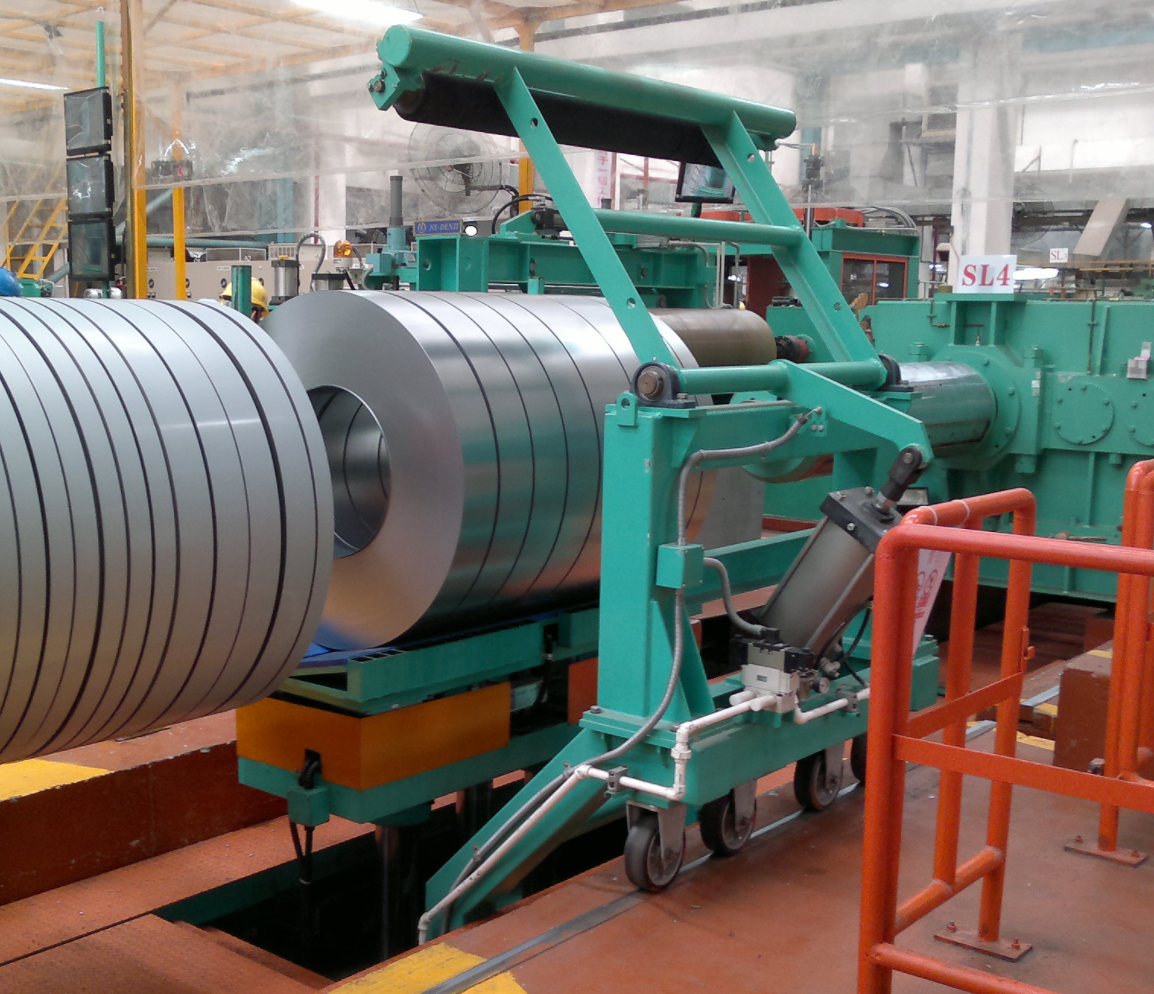
Many factory managers, like Michael Chen from Mexico, know these challenges well. They want to find better ways to run their operations. I have seen these big changes happen in the industry. This article will show you the exact steps. It will explain how these technologies help factories succeed.
Why Are Korean Factories Investing in Automatic Coil Packaging Systems?
Manual coil packing creates a real bottleneck in production. It slows down your whole factory line. This means you ship fewer products. It also means you might miss important deadlines.
Korean factories invest in automatic coil packaging systems to solve these issues. These machines greatly speed up the entire packing process. They reduce the number of workers needed on the line. This helps factories produce many more coils in less time.
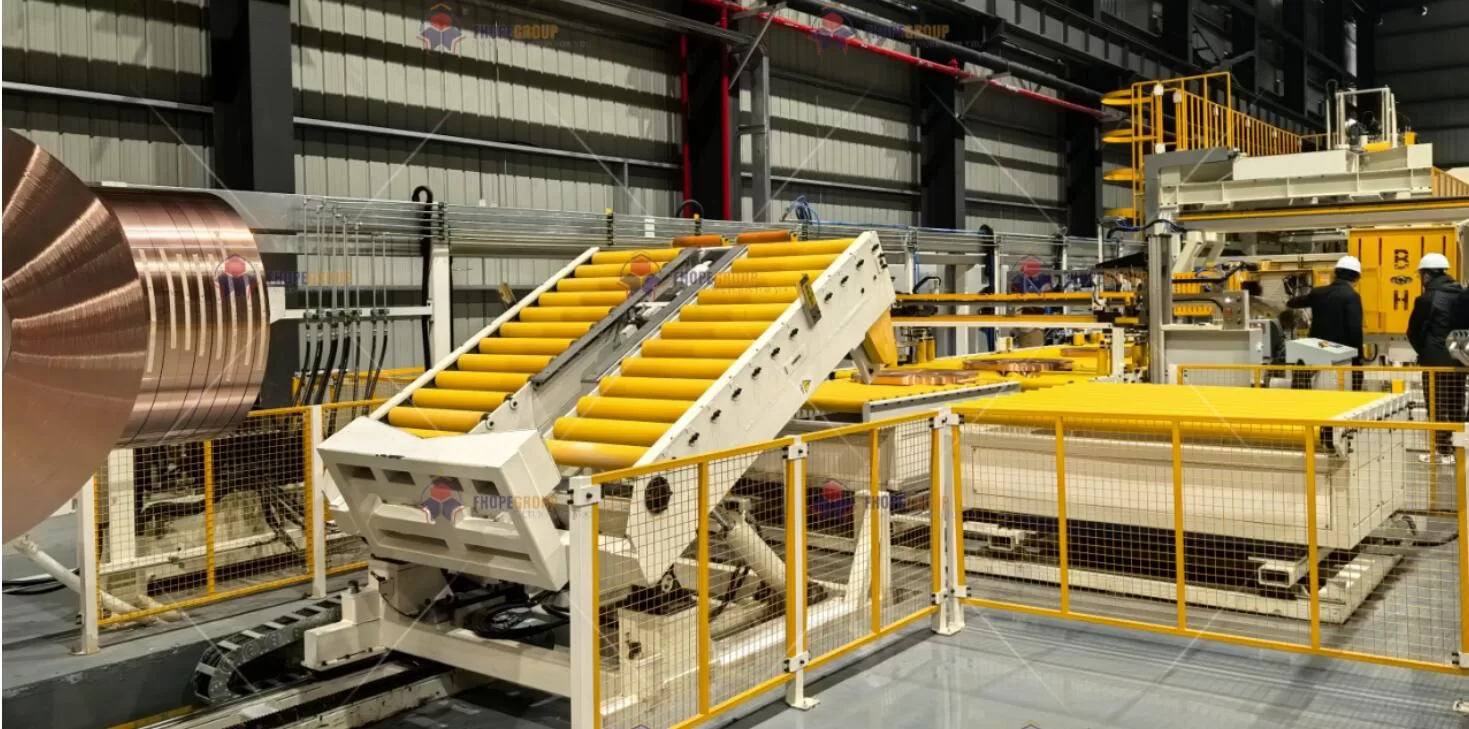
Manual coil packing is often slow. It is also very labor-intensive. Workers must move heavy coils. They must also wrap them by hand. This takes a lot of time for each coil. It also limits how many coils a factory can pack in a day. Factories in Korea saw this problem clearly. They needed to find a better way. This is why they started looking into automation.
Understanding the Bottleneck
The end of the production line is often a choke point. The machines before it make products very fast. But then, manual packing cannot keep up. This creates a pile-up of finished goods. It delays shipping. This bottleneck costs factories money. It also makes customers unhappy. I saw this firsthand when I was an employee at a packing machine factory. We could make coils quickly, but packing them slowed everything down.
The Power of Automatic Systems
Automatic coil packaging systems change this. These machines take over the heavy lifting and the wrapping. They work much faster than people can. For example, an orbital stretch wrapper can pack a large steel coil in minutes. A worker would take much longer. These machines also work consistently. They do not get tired. They can run 24 hours a day, seven days a week. This means a factory can pack a huge number of coils every day. Some systems also combine steps. They can weigh, wrap, and strap a coil all in one go. This further speeds up the process. It makes the entire operation much smoother.
Real World Savings
The main benefit is faster cycle times. This means more coils go out the door. It also means fewer workers are needed for the same job. This reduces labor costs. Factories can then use these workers for other tasks. This makes the overall factory more efficient. When I established my own packing machine factory, I focused on building machines that delivered this kind of efficiency. I knew it was key for my clients to grow their businesses. Many Korean manufacturers have used this strategy. They reduced manual labor. They also increased their output greatly. This leads to higher profits for them.
| Manual Packing | Automated Packing |
|---|---|
| Slow speed | High speed |
| High labor cost | Low labor cost |
| Inconsistent quality | Consistent quality |
| High injury risk | Low injury risk |
| Limited output | High output |
How Are Advanced Packing Machines Making Workplaces Safer?
Moving heavy coils by hand is extremely dangerous. Workers can suffer severe injuries. This often leads to high insurance costs. It also causes staff turnover.
Advanced packing machines remove the need for manual handling of heavy coils. They use automated systems to move, wrap, and strap products. This greatly reduces the risk of worker injuries. It creates a much safer work environment for everyone in the factory.
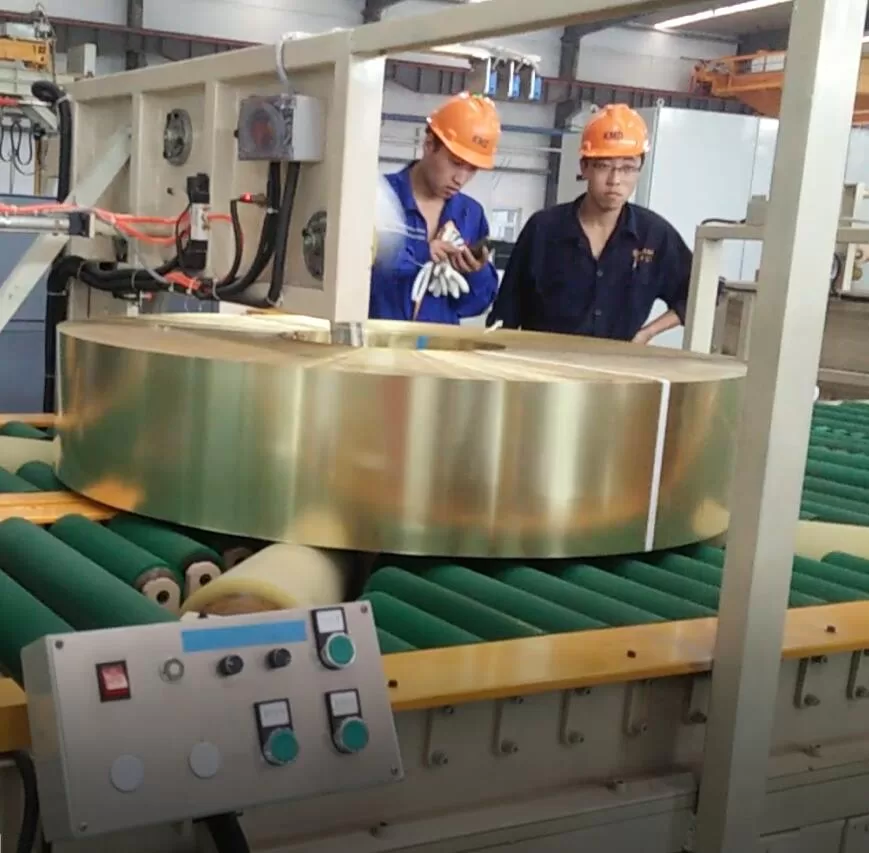
Safety is a huge concern in any heavy industry. Factories deal with large, heavy products every day. Steel coils and wire bundles can weigh hundreds or even thousands of pounds. Moving them by hand or with unsafe methods puts workers at high risk. I saw too many injuries in my early days working at a packing machine factory. This made me commit to safer machine designs.
The Risks of Manual Coil Handling
Workers face many dangers when handling coils manually. They can suffer muscle strains and back injuries from lifting. They can get crush injuries if a coil falls. They can also cut themselves on sharp edges. These accidents lead to pain for the workers. They also cost the company a lot of money. There are medical bills. There are also lost workdays. High injury rates also increase insurance premiums. This adds to the factory’s operating costs. It also hurts morale. Workers feel unsafe. They might even leave their jobs.
Machines That Protect Workers
Modern packaging machines are designed with safety first. They often include conveyors and turntables. These systems move coils automatically. Workers do not need to lift or push them. Some machines even have robotic arms. These arms handle the coils for wrapping. This keeps workers away from the dangerous parts of the process. Also, these machines come with built-in safety features. They have emergency stop buttons. They have safety light curtains. These features stop the machine instantly if a worker gets too close. This prevents accidents. It makes the workplace much safer.
Beyond Just Safety
Improved safety also has other benefits. When workers feel safe, they are more productive. They are also happier at work. This leads to less absenteeism. It also means less staff turnover. The factory saves money on training new employees. It also avoids legal issues from workplace accidents. Korean factories have made big investments in safety technology. They see it as a way to protect their people. They also see it as a way to protect their business. It is a smart move that pays off in many ways. It ensures long-term stability and growth.
What Equipment Protects Products and Boosts Profit Margins?
Product damage during packing means real money lost. Damaged coils often lead to unhappy customers. This means lost profits for your business. You need a way to keep your products safe.
Specialized packaging equipment protects coils and wires from damage. These machines apply secure and consistent wrapping. They prevent issues like edge deformation and surface scratches. This keeps products in perfect condition from factory to customer. It reduces waste. It also greatly increases customer satisfaction.

Product quality is vital for any factory. Especially in the metal industry. Steel coils and wires are valuable. Any damage means a loss. This loss can happen during internal transfer. It can also happen during the final packing. A client once told me how much money they lost from damaged coils during shipping. This showed me the true value of good packaging. They got customer complaints. They had to offer discounts. Sometimes, they even had to replace the entire order. This hurts profit margins very badly.
Why Coils Get Damaged
Coils can get damaged in many ways. Rough handling during movement is one cause. If the wrapping material is not strong enough, it can tear. Then, the product surface is exposed. Coil edges are especially vulnerable. They can get bent or scraped. Poor packing methods can also lead to coils shifting during transport. This can cause further damage. It also can cause safety issues during unloading. Manual methods often lead to inconsistent wrapping. Some coils get wrapped well. Others do not. This leads to varying levels of protection.
Precision Packaging for Protection
Modern packaging machines solve these problems. They apply consistent tension to the wrapping material. This ensures the wrap is tight and secure. It protects the coil from impacts and abrasions. Orbital stretch wrappers, for example, wrap the coil tightly around its circumference. This creates a strong protective layer. Some machines also integrate precise strapping. This holds the coil shape and prevents unwinding. They can also use different types of protective films. These films offer resistance against moisture, dust, and rust. This maintains product quality during storage and transport. The result is a coil that arrives at the customer in perfect condition.
The Financial Payoff of Quality
Reducing product damage directly boosts profit. Less damage means fewer customer complaints. It means fewer returns. It also means less need for reworks or scrap. All of these save money. They also improve your factory’s reputation. When customers receive undamaged products, they are happier. They are more likely to order from you again. This builds trust. It leads to long-term business relationships. Investing in good packaging equipment has a clear return on investment. It reduces your losses. It also makes your customers more loyal. This is a crucial step for any business looking to grow. It is how factories maintain a competitive edge.
Conclusion
Korean manufacturers lead by automating coil packaging. This boosts output. It also enhances safety. And it protects products. It is a smart step for any factory.








