
From Pohang to Busan: Smart Coil Wrapping Systems for South Korea’s Steel Industry?
Is your steel factory in South Korea struggling with slow packaging, frequent product damage, and high worker injury risks? These issues hurt your profits and slow down your entire operation. Manual processes are just not keeping up with today’s demands. Imagine a packaging line that runs smoothly, safely, and efficiently. This is possible with the right smart coil wrapping systems.
Smart coil wrapping systems are transforming South Korea’s steel industry by automating the crucial end-of-line packaging process. These systems protect valuable steel coils and wires from damage during transport. They also greatly reduce the need for manual handling. This improves worker safety. Factories from Pohang to Busan are adopting these technologies. They want to boost output and cut operational costs.

You may wonder how these systems work. You might also ask how they can truly benefit your specific factory. Let us explore the core ways smart wrapping technology solves common problems in the steel industry. This will help you understand its real value.
How Can Automation Solve Efficiency Bottlenecks in Steel Coil Packaging?
Many steel factories still use old, slow ways to package coils. This often involves many workers doing repetitive tasks. This creates a big bottleneck at the end of the production line. It slows down everything. This delay costs money and affects delivery times. Automated coil wrapping machines offer a direct answer. They can greatly speed up your packaging process.
Automation solves efficiency bottlenecks in steel coil packaging by speeding up the wrapping process. It reduces the need for human labor. These machines work much faster than people can. They also ensure consistent package quality. This means more coils get ready for shipment in less time. This allows factories to meet high production targets.

For years, I saw how manual coil packing slowed down factories. Workers had to move heavy coils. They wrapped them by hand. This was slow and tiresome. It also led to mistakes. An automatic wrapping machine changes all this. It handles coils quickly and precisely. This means more products go out the door faster.
Consider a large metal processing plant, like one Michael Chen manages. He faces constant pressure to increase output. A slow packaging line hurts his targets. Automated systems remove this bottleneck. They wrap coils in minutes, not hours. This frees up workers for other tasks. It also makes the whole factory run smoother.
Key Aspects of Automated Efficiency:
- Speed and Throughput: Automated machines work at a constant, high speed. They do not get tired. They can wrap dozens of coils in an hour. This is much faster than manual methods. This higher speed directly leads to more products shipped daily.
- Reduced Labor Dependence: Fewer workers are needed for the packaging line. This saves on labor costs. It also addresses labor shortages. Workers can focus on skilled jobs. This is better for the business overall.
- Consistent Quality: Machines wrap coils with the same tension and material every time. This creates a uniform, secure package. Manual wrapping can vary in quality. Consistent packaging means fewer returns or complaints from customers. It also means products are better protected during transit.
- Integration with Existing Lines: Modern wrapping systems can connect with other machines. They can link to cranes, conveyors, and weighing scales. This creates a fully automated flow. Products move from production to packaging without stops. This further improves efficiency. It makes the entire process seamless. This is what factories need today.
What Makes Automated Wrapping Safer for Workers and Products?
Moving and wrapping heavy steel coils by hand is very risky. Workers often suffer injuries from lifting or crushing. These accidents lead to high medical costs. They also cause lost workdays. This affects staff morale. It creates a dangerous work environment. Automated wrapping systems remove workers from harm’s way. They also protect the products themselves.
Automated wrapping systems make factories safer by taking over the dangerous job of handling heavy coils. Machines do all the lifting and wrapping. This reduces the risk of back injuries, crushed limbs, and other accidents for workers. They also protect the products. They wrap coils tightly and evenly. This stops damage like edge dents during storage and transport.
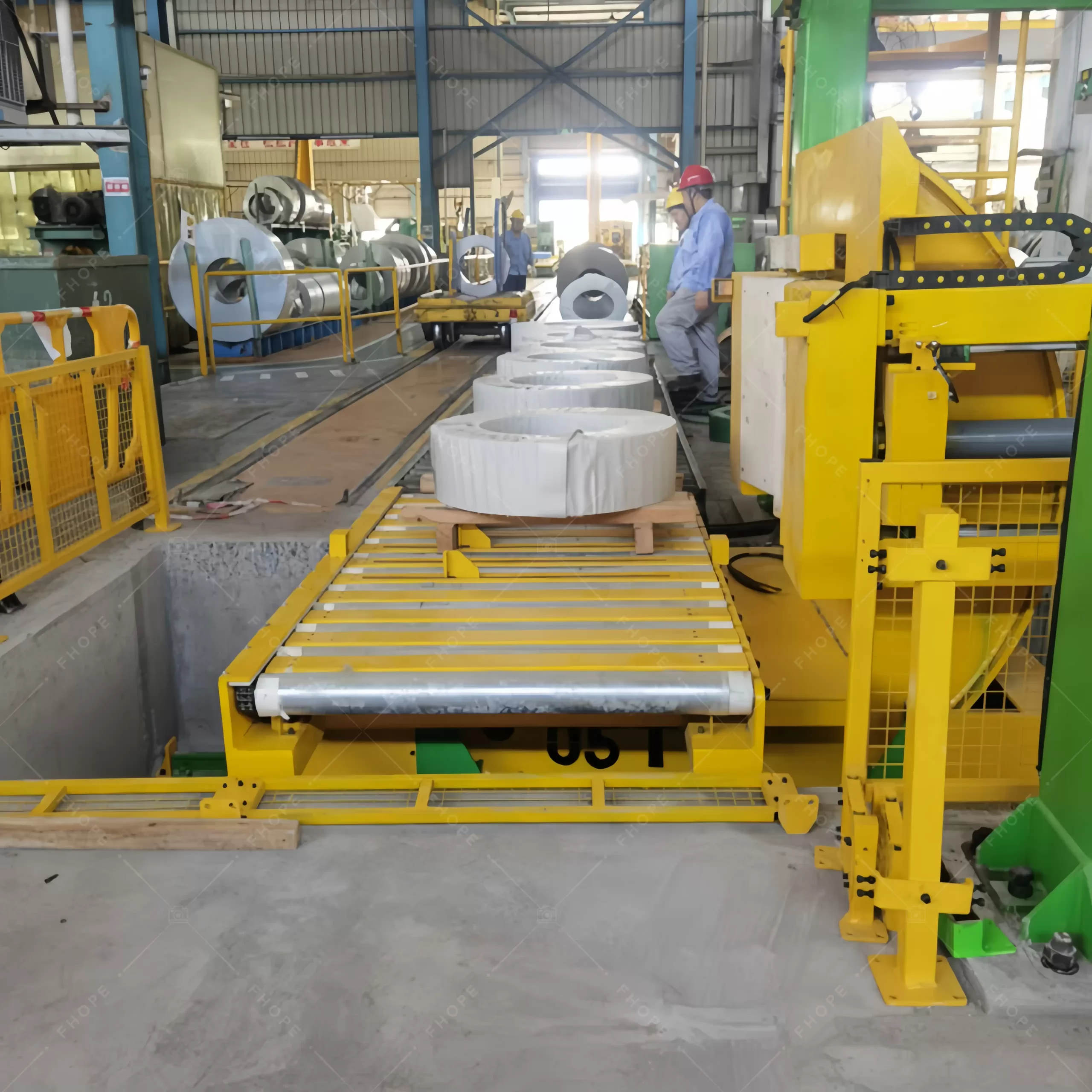
Safety has always been a top concern in heavy industries. When I started my journey in packing machine factories, I saw many workers struggle with heavy lifting. I even saw accidents happen. It made me realize the real human cost of inefficient processes. Michael Chen’s concern about high work injury risks is completely valid. Manual handling of heavy steel coils is one of the riskiest tasks. This includes loading, positioning, and wrapping.
Automated systems change this. Workers no longer need to get close to moving coils or heavy machinery parts. The machine does the dangerous work. This significantly cuts down on accidents. It reduces insurance costs for the factory. It also creates a much better work environment for employees. This helps keep good workers.
How Automation Boosts Safety:
- Minimizing Human Interaction: The biggest safety gain comes from removing workers from direct contact with heavy, moving objects. Automated systems use robots or conveyors to load and unload coils. This means no manual lifting or repositioning. Workers can operate the machine from a safe distance. This lowers the chance of crush injuries or strains.
- Ergonomic Improvements: Automated systems reduce repetitive strain injuries. These injuries often come from manual wrapping and tying. Machines perform these tasks consistently. This keeps workers from doing tiring, repetitive motions. This improves overall worker health. It also reduces long-term health issues.
- Reduced Product Damage: Manual handling can cause damage to steel coils. Edges can get bent. Surfaces can get scratched. This leads to customer complaints and financial losses. Automated wrapping applies consistent tension and covers the coil evenly. This creates a protective barrier. This barrier prevents damage during internal transport, storage, and shipping. Less damage means fewer returns. It means happier customers.
- Compliance with Safety Standards: Modern automated systems meet strict safety regulations. They often come with safety sensors, emergency stops, and protective guarding. These features are designed to prevent accidents. They ensure the machine operates safely at all times. This helps factories meet legal requirements. It also shows a commitment to worker well-being.
How Do Smart Wrapping Systems Deliver Clear ROI for Steel Factories?
Investing in new machinery can seem like a big cost upfront. Many factory managers worry about the return on their investment. Without a clear ROI, a new machine is just an expense, not a solution. You need to know it will pay for itself and more. Smart coil wrapping systems offer a clear path to significant cost savings and increased profits.
Smart wrapping systems deliver clear Return on Investment (ROI) for steel factories in several ways. They cut labor costs by reducing the need for manual workers. They also lower material waste through precise wrapping. Furthermore, they reduce product damage, which means fewer customer complaints and lost sales. The increased efficiency allows higher output. This boosts overall profitability.

When I started my own packing machine factory, every investment had to make sense. It had to show a clear path to profit. This is the same for any factory manager, especially someone like Michael Chen. He needs solutions that are not just efficient or safe. They also need to be financially smart. An automated wrapping system is not just a cost; it is an investment in the factory’s future.
The ROI comes from many angles. It is not just about reducing one cost. It is about a combination of savings and gains. This adds up to significant financial benefits over time.
Key ROI Factors for Smart Wrapping Systems:
- Labor Cost Reduction: This is one of the most direct savings. An automated system can do the work of several manual laborers. This means you can reassign workers to other areas. Or you can reduce your total labor force. This cuts down on wages, benefits, and training costs. Over years, these savings are huge.
- Reduced Product Loss and Damage: Damaged products lead to costly reworks, scrap, and customer claims. Automated wrapping protects coils better. It prevents surface scratches, edge dents, and loosening during transit. Fewer damaged goods mean more saleable products. This directly increases profit margins. It also improves customer satisfaction.
- Lower Material Consumption: Manual wrapping often uses more material than needed. Workers might use extra layers or wider film to ensure security. Automated machines use the exact amount of material required. They apply it with consistent tension. This minimizes waste. Over time, these material savings add up. This contributes to a healthier bottom line.
- Increased Production Capacity: By removing packaging bottlenecks, the entire production line can run faster. This means the factory can produce and ship more coils in the same amount of time. Higher output directly translates to more sales and more revenue. It allows the factory to take on bigger orders. It also improves market competitiveness.
Example ROI Calculation (Illustrative):
| Factor | Manual Process (Annual) | Automated System (Annual) | Savings/Gain (Annual) |
|---|---|---|---|
| Labor Costs | $150,000 (3 workers) | $50,000 (1 supervisor) | $100,000 |
| Product Damage Costs | $30,000 | $5,000 | $25,000 |
| Packaging Material | $60,000 | $45,000 | $15,000 |
| Increased Throughput | – | $70,000 (added revenue) | $70,000 |
| Total Annual Impact | – | – | $210,000 |
Why Choose a Partner Who Understands Your Production Challenges?
Many equipment suppliers just want to sell you a machine. They often do not truly understand your specific factory problems. This leads to buying the wrong equipment. Or you get poor after-sales service. This leaves you frustrated and stuck with problems. You need a partner who has been there. You need someone who deeply understands factory operations. They can offer real solutions.
Choosing a partner who understands your production challenges is crucial because they offer more than just equipment. They provide expert insights. They can identify the root causes of your bottlenecks. They know how to integrate solutions seamlessly. A true partner offers reliable support after the sale. This ensures your investment genuinely solves your problems and helps your business grow.
Michael Chen’s past experience with unreliable suppliers is a common story. I have seen it many times. Companies promise a lot during the sale. But they disappear when real problems arise. My own journey, starting as an employee and then building my own factory, taught me this lesson deeply. I lived the challenges of production, cost control, and worker safety. I know what it takes to run a successful operation.
This personal experience makes FHOPEPACK different. We are not just selling machines. We are sharing knowledge and solutions. We want to be a partner. We aim to help factories like Michael’s thrive. This means understanding their specific pain points. It means offering tailored advice. It means providing strong support long after the machine is installed.
Attributes of a Valuable Partner:
- Deep Industry Knowledge: A good partner has a strong understanding of your industry. They know about steel production. They know about logistics and heavy manufacturing. They understand the specific issues faced by a factory manager. This knowledge helps them recommend the right solutions. They can foresee potential problems. They can also offer proactive advice.
- Problem-Solving Approach: They do not just sell a standard product. They listen to your challenges. They ask detailed questions about your current processes. They help you pinpoint efficiency issues or safety risks. Then, they propose solutions designed specifically for your needs. This customized approach ensures the equipment truly addresses your bottlenecks. It means you get value from your investment.
- Proven Track Record: A reliable partner has a history of successful installations. They have case studies. They have client testimonials. This shows they deliver on their promises. It proves their equipment works in real-world factory settings. This helps build trust. It gives you confidence in your choice.
- Comprehensive After-Sales Support: The sale is not the end. It is just the start of the partnership. A good supplier provides installation support. They offer training for your staff. They have available spare parts. They offer quick technical assistance. This ensures your machine runs smoothly for years. It minimizes downtime. This support is critical for long-term success.
My Insights on the Future of Steel Packaging?
The steel industry is always changing. New demands for speed, safety, and sustainability are coming. If factories do not adapt, they will fall behind. Relying on old methods means missing out on growth. The future of steel packaging is smart, automated, and integrated. Embracing this future is key to staying competitive.
The future of steel packaging lies in advanced automation, smart integration, and sustainable practices. We will see more machines with AI and IoT capabilities. These systems will predict maintenance needs. They will optimize material use. The focus will be on creating fully connected, highly efficient, and environmentally friendly production lines. This will ensure safer workplaces and higher output for the steel industry globally.
My journey from a factory employee to building FHOPEPACK gave me a unique view of the packing machine industry. I saw its evolution. I also saw its potential. The steel industry, like many others, must keep moving forward. What worked yesterday may not work tomorrow. The demands on factory managers like Michael Chen are only growing.
I believe the next wave of innovation in steel packaging will combine advanced robotics with digital intelligence. We are moving beyond just automation. We are entering an era of smart factories.
Key Trends Shaping the Future:
- Industry 4.0 Integration: Packaging machines will become fully connected. They will communicate with other machines on the line. They will share data with central factory management systems. This allows for real-time monitoring. It enables predictive maintenance. This means less unexpected downtime. It makes the entire operation much more efficient.
- Artificial Intelligence (AI) and Machine Learning (ML): AI will make packaging smarter. Systems will learn to optimize wrapping patterns. They will adjust tension based on coil type. They will detect subtle defects. This will improve quality even further. It will reduce waste. This level of intelligence goes beyond simple automation. It makes the machine a true helper.
- Sustainability Focus: Factories will need to use less material. They will need to use more recyclable materials. Packaging solutions will aim for minimal environmental impact. This includes using thinner films. It also means using more biodegradable options. Energy efficiency will be a major design factor for new machines. This helps factories meet green goals. It also appeals to eco-conscious customers.
- Customization and Flexibility: Steel factories produce many types of coils and wires. Future systems will be highly flexible. They will quickly adapt to different sizes and weights. They will handle various packaging materials. This means fewer line changes. It means more versatility for production. This allows factories to serve diverse customer needs more easily.
This is where FHOPEPACK stands. We are building machines for this future. We are sharing the knowledge to help others get there. It is about progress. It is about helping businesses succeed in an evolving world.
Conclusion
Smart coil wrapping systems offer South Korea’s steel industry a clear path to efficiency, safety, and profit. Partner with experts who understand your challenges for a truly successful future.








