
How Indonesia Factories Using Coil Wrapping Machines for Steel Coil Protection?
Imagine this: your factory floor hums with production, but at the very end, bottlenecks slow everything down. Steel coils, heavy and valuable, sit waiting. Manual packing is slow, dangerous, and often damages the product you worked so hard to create. This is a common problem I see in many places, including Indonesia. You are losing money with every scratch and every delayed shipment.
Indonesia factories protect their steel coils by adopting advanced coil wrapping machines. These machines automate the packing process, wrapping coils tightly and consistently. They replace slow, risky manual methods, leading to fewer product damages, improved worker safety, and faster production lines.
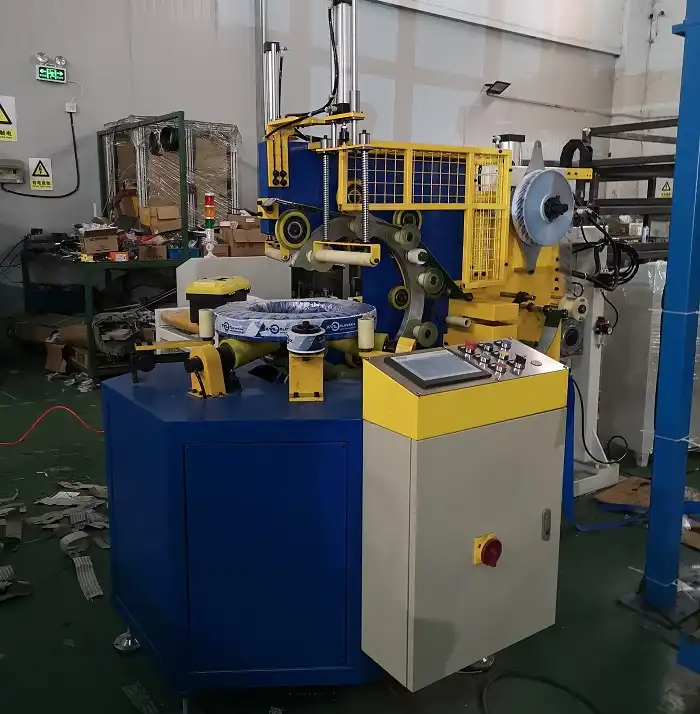
You might be wondering if these machines are truly a solution for your specific challenges. As someone who built a packing machine factory from the ground up, I understand the pressures of production. Let’s dig deeper into how these machines truly make a difference for factories in Indonesia and around the world.
1. Why Do Indonesia Factories Need Better Steel Coil Protection?
Are you tired of seeing valuable steel coils leave your factory with dents or scratches? This problem hits hard. It means angry customers, returned products, and lost profits. In a competitive market like Indonesia, this simply is not acceptable. You need solutions that keep your products perfect.
Indonesia factories need better steel coil protection because they face high risks of product damage during handling and transport. Poor protection leads to customer complaints, financial losses, and a damaged reputation. This pushes factories to find more reliable packing solutions to maintain product quality and market trust.

I have seen countless factories struggle with this. When I first started in the packing machine industry, I quickly learned that the journey of a steel coil does not end at production. It continues all the way to the customer. Any damage along this path directly affects your bottom line. Michael, a factory manager I know, faced similar issues. His metal processing plant saw frequent damage to steel coil edges during internal transfer and loading. This led to many customer complaints and profit loss. Factories in Indonesia are no different. They deal with long transport routes, varied storage conditions, and demanding clients. These factors make robust protection a must.
Here are the main reasons why strong coil protection is crucial for Indonesian factories:
Types of Damage Affecting Steel Coils
Steel coils are heavy and strong, but they can still get damaged. Damage can happen at different stages.
- Edge Damage: This happens when coils bump against each other or other objects. It often occurs during loading or unloading. Even a small scratch on the edge can make a coil unusable for some applications.
- Surface Scratches: Forklifts, chains, or improper handling can cause scratches on the coil surface. These scratches might not affect the coil’s structural integrity, but they reduce its aesthetic value. This is very important for many customers.
- Corrosion: Moisture, humidity, and chemical exposure cause rust. Indonesia has a tropical climate. This means high humidity. Without proper wrapping, steel coils are very prone to rust, especially during sea transport. Rust makes the product look bad. It also reduces its strength.
- Dust and Dirt: Coils stored for a long time can collect dust and dirt. This reduces cleanliness. Customers expect clean products.
The Impact of Product Damage
Product damage has clear and negative effects on a factory’s business.
- Financial Loss: Damaged goods often mean product returns. Sometimes, factories must offer discounts. In other cases, they have to scrap the product. All these scenarios mean lost revenue.
- Customer Dissatisfaction: When customers receive damaged goods, they lose trust. They might stop buying from you. This harms your factory’s reputation.
- Increased Costs: Dealing with damaged products costs money. This includes inspection, repackaging, and shipping replacements. It also includes processing returns.
- Supply Chain Delays: Damaged products can cause delays. You need to replace them. This slows down the entire supply chain. It can even stop production for the customer.
Indonesian factories operate in a competitive world. They must deliver high-quality products consistently. This makes effective steel coil protection not just a good idea, but a business necessity. Strong packing ensures products arrive safely. It protects profits and builds customer trust.
2. What Challenges Do Manual Packing Methods Create in Indonesia?
Are your workers constantly struggling to pack heavy steel coils by hand? If so, you are seeing the real cost of manual packing every day. It is slow, it is risky, and it is inefficient. This approach slows down your entire factory. It puts your team in danger.
Manual packing methods in Indonesia create significant challenges for factories. These include slow operational speeds, high labor costs, inconsistent packing quality, and severe safety risks for workers handling heavy steel coils. This leads to bottlenecks, increased injury rates, and a negative impact on overall productivity.
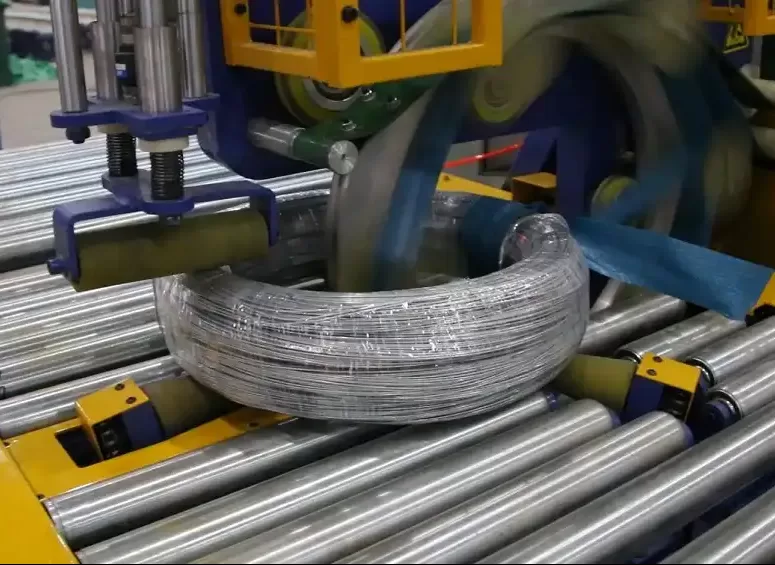
My journey in the packing machine industry started on the factory floor. I saw firsthand the back-breaking work of manual packing. I saw how tiring it was for workers. I also saw how much time it took. When I started my own factory, I knew there had to be a better way. Factories in Indonesia often rely on manual labor. This is especially true for end-of-line processes like packing. This reliance brings many problems. It impacts efficiency, safety, and cost. Michael Chen, the factory manager, told me about his previous situation. His factory’s packing process for steel coils and wire relied heavily on manual labor. It was slow and inefficient. This seriously affected his overall production and delivery speeds.
Here are the key challenges that manual packing methods create:
Efficiency Bottlenecks
Manual packing is simply not fast enough for modern production lines.
- Slow Speed: Human workers can only pack so many coils per shift. This speed is much lower than what machines can achieve. This creates a bottleneck at the end of the production line. It means finished products pile up.
- Inconsistent Output: Manual packing depends on individual skill and energy levels. Some workers might be faster. Others might be slower. This leads to varied output rates. It makes planning difficult.
- Labor Intensive: You need many workers for manual packing. This increases your operational costs. It also means you need to manage more people.
- Training Needs: New workers need training. Experienced workers can make mistakes. This affects consistency.
Safety Hazards
Handling heavy steel coils by hand is very dangerous.
- High Risk of Injury: Workers lifting or moving heavy coils face risks. They can suffer sprains, strains, fractures, or crush injuries. This is a big concern for factories. Michael shared his worries about this. He mentioned that manual handling of heavy items like coils was dangerous. It caused high injury rates. This led to higher insurance costs and workers leaving the job.
- Fatigue: Repetitive tasks and heavy lifting lead to worker fatigue. Tired workers are more likely to make mistakes. They are also more prone to accidents.
- Poor Ergonomics: Manual packing often involves awkward postures. These postures can lead to long-term health problems for workers.
- Increased Insurance Costs: A factory with many work injuries will have higher insurance premiums. This is a direct cost to the business.
Product Quality Issues
Manual packing can easily lead to product damage.
- Inconsistent Protection: It is hard for human hands to apply tension and overlap consistently. This means some parts of the coil might be under-protected. Other parts might be over-protected.
- Handling Damage: The more a product is touched by human hands, the higher the chance of damage. This is especially true for heavy, awkward items like steel coils.
- Material Waste: Manual wrapping can sometimes use too much material. This happens when workers cannot control the tension precisely. It also happens when they make errors.
Moving away from manual methods is a critical step. It helps factories like those in Indonesia to improve their operations. It makes them safer and more competitive.
3. How Do Coil Wrapping Machines Transform Packing Operations in Indonesia?
Are you looking for a way to dramatically improve your packing line? Coil wrapping machines are not just an upgrade; they are a revolution. They take your slowest, most dangerous process and make it fast, safe, and efficient. Imagine a world where coils move smoothly to their next destination.
Coil wrapping machines transform packing operations in Indonesia by introducing automation, significantly increasing speed and efficiency, and drastically improving worker safety. They provide consistent, high-quality wrapping that protects products better, reduces labor costs, and minimizes product damage, leading to higher overall profitability and customer satisfaction.
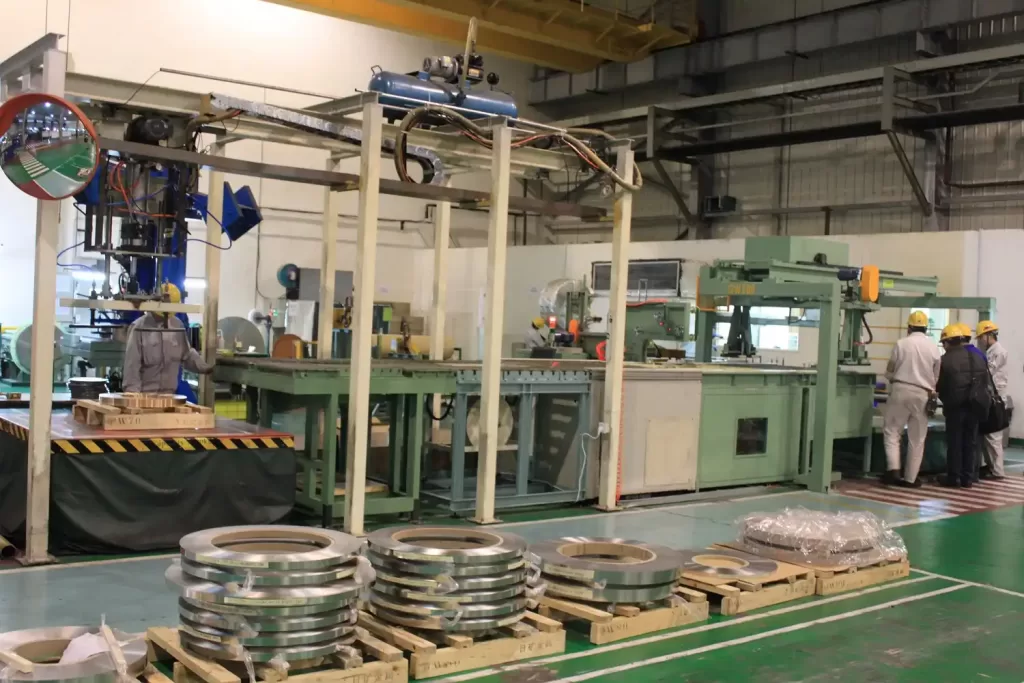
I remember when I first started to see the real potential of automation in packing. It was clear that machines could do what humans could not: provide consistent quality at high speeds, without getting tired or injured. This is the core benefit I wanted to bring to every factory I worked with, including my own. Michael Chen’s factory needed to elevate its automation level. He wanted to solve the end-of-line bottlenecks. Coil wrapping machines do exactly this. They are powerful tools that change the game for factories handling steel coils and similar products.
Let’s look at how these machines bring about this transformation:
Increased Automation and Efficiency
Coil wrapping machines bring speed and consistency that manual methods cannot match.
- High-Speed Wrapping: Machines can wrap coils much faster than humans. This means higher throughput. It reduces bottlenecks at the packing station.
- Consistent Quality: Machines apply wrapping material with consistent tension and overlap. This ensures every coil receives the same level of protection. This consistency reduces product damage.
- Reduced Labor Needs: One machine operator can manage the packing process. This frees up workers from repetitive, manual tasks. They can then do other jobs. This lowers labor costs.
- Continuous Operation: Machines can run for long hours without getting tired. This increases overall productivity. It allows factories to meet tight deadlines.
Enhanced Safety
Worker safety improves dramatically with automation.
- Elimination of Manual Lifting: Workers no longer need to lift or move heavy coils by hand. The machine does this work. This removes the risk of back injuries, sprains, and crush injuries. Michael’s goal was to find solutions that greatly reduced the need for manual heavy lifting. Coil wrapping machines do this very well.
- Controlled Environment: The machine handles the coil within a safe, enclosed space. This keeps workers away from moving parts and heavy loads.
- Fewer Accidents: Less human interaction with heavy machinery means fewer chances for accidents. This creates a safer workplace.
Cost Savings and ROI
The investment in a coil wrapping machine pays for itself quickly.
- Lower Labor Costs: As mentioned, you need fewer workers for packing. This saves money on wages, benefits, and training.
- Reduced Product Damage: Better protection means fewer damaged products. This leads to fewer customer complaints and returns. It saves money on replacement costs.
- Optimized Material Use: Machines use wrapping material efficiently. They reduce waste. This saves costs on consumables.
- Faster Turnaround: Faster packing means products ship sooner. This can improve cash flow for the factory. Michael sought equipment with a clear Return on Investment (ROI). Coil wrapping machines offer this by cutting labor costs and reducing product loss.
Types of Coil Wrapping Machines
Different types of machines exist for different coil sizes and needs:
- Horizontal Coil Wrappers: These are common for large, heavy steel coils. The coil is placed horizontally on a conveyor or rollers. The wrapping head moves around it.
- Vertical Coil Wrappers: Used for smaller coils or when floor space is limited. The coil stands upright. The wrapping arm rotates around it.
- Automatic Wrapping Lines: These integrate wrapping with other processes. This includes weighing, labeling, and conveying. They create a fully automated packing solution.
By bringing these machines into their operations, Indonesian factories can solve many challenges. They can become more competitive, safer, and more profitable.
4. What Should Indonesia Factories Look for in a Coil Wrapping Machine Partner?
Are you wary of equipment suppliers who only care about making a sale? You have a right to be. I have seen the damage that bad partnerships can cause. Finding the right partner for your coil wrapping machine is just as important as choosing the machine itself. You need someone who understands your business.
Indonesia factories should look for a coil wrapping machine partner who offers deep industry expertise, reliable after-sales service, and a proven track record of solving real production problems. A good partner should act as a consultant, understanding specific factory challenges and providing tailored solutions rather than just selling equipment.
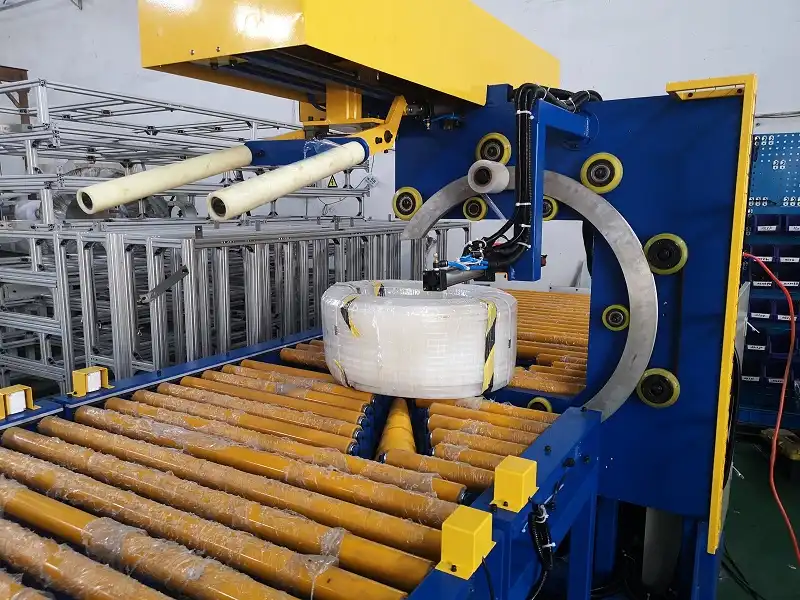
My journey in the packing machine industry led me from an employee to owning my own successful factory. I learned that true success comes from helping clients grow their businesses. I was grateful for the opportunities the coil packing and steel wire packing industries gave me. Now, I share my knowledge. This means being a true partner, not just a seller. Michael Chen’s past experiences with sales-focused suppliers made him careful. He wanted a partner who truly understood his production bottlenecks, safety issues, and efficiency problems. He needed someone who could offer expert insights and reliable solutions.
Here are the key qualities to look for in a coil wrapping machine partner:
Deep Industry Expertise
A good partner knows more than just machines; they know your industry.
- Understanding Your Challenges: They should ask about your specific production issues. This includes your current packing speed, your safety concerns, and your product damage rates. They should understand issues unique to handling heavy materials like steel coils in Indonesia.
- Tailored Solutions: Every factory is different. A partner should not offer a one-size-fits-all solution. They should recommend machines that fit your specific coil sizes, production volume, and factory layout.
- Knowledge of Regulations: They should be aware of relevant safety and operational standards in your region or industry.
Reliable After-Sales Service and Support
The relationship does not end after the sale.
- Installation and Training: The partner should provide professional installation services. They should also train your staff on how to operate and maintain the machine safely and efficiently.
- Availability of Spare Parts: Machines need maintenance. They sometimes need new parts. A good partner ensures spare parts are readily available. This minimizes downtime.
- Technical Support: Problems can happen. A reliable partner offers quick and effective technical support. They should be reachable when you need them. Michael faced this problem before. Some suppliers had poor after-sales service. This caused him to be very careful.
Proven Track Record and Trustworthiness
Trust is earned through consistent performance.
- Customer Testimonials: Look for other factories that have worked with this supplier. What do they say about the machines and the service?
- Case Studies: A good partner can share examples of how they helped other factories solve similar problems.
- Long-Term Vision: A partner focused on long-term relationships will prioritize your success. This means they will offer honest advice and support. As FHOPEPACK, we believe in sharing knowledge. We want to see our clients succeed. This is how I built my own business.
Focus on ROI and Value
The partner should help you see the financial benefits of your investment.
- Clear ROI Projections: They should help you calculate the return on investment. This includes savings from reduced labor, less product damage, and increased efficiency.
- Total Cost of Ownership: A good partner will be transparent about all costs. This includes machine price, installation, maintenance, and spare parts.
- Consultative Approach: They should act as a consultant. They should guide you through the decision-making process. They should help you choose the best solution for your business growth. Michael wanted to partner with experts like me. He needed someone with deep industry knowledge and experience. This ensures the investment truly solves problems and helps the business grow.
Choosing the right partner is a strategic decision. It ensures your investment in a coil wrapping machine delivers maximum value. It helps your factory thrive in the long run.
Conclusion
Indonesia factories gain huge benefits from coil wrapping machines. They get higher efficiency, better safety, and much less product damage. Partnering with experts ensures long-term success.








