
How coil wrapping machine in Brazil helps reduce film waste and improve packaging speed?
The Brazilian manufacturing sector is competitive. Many factories still struggle with old, slow packaging methods. This means high costs and lost production time. Are you feeling the pressure of slow packaging and too much wasted material? It is a common problem. It directly hits your profits and makes it hard to meet customer demands.
An automatic coil wrapping machine in Brazil directly helps factories in two big ways. First, it greatly reduces film waste by using precise tension and cutting systems. This means less material goes into the trash. Second, it drastically improves packaging speed. It completes wraps much faster than manual methods. This boosts overall production flow and ensures products move out the door quicker.
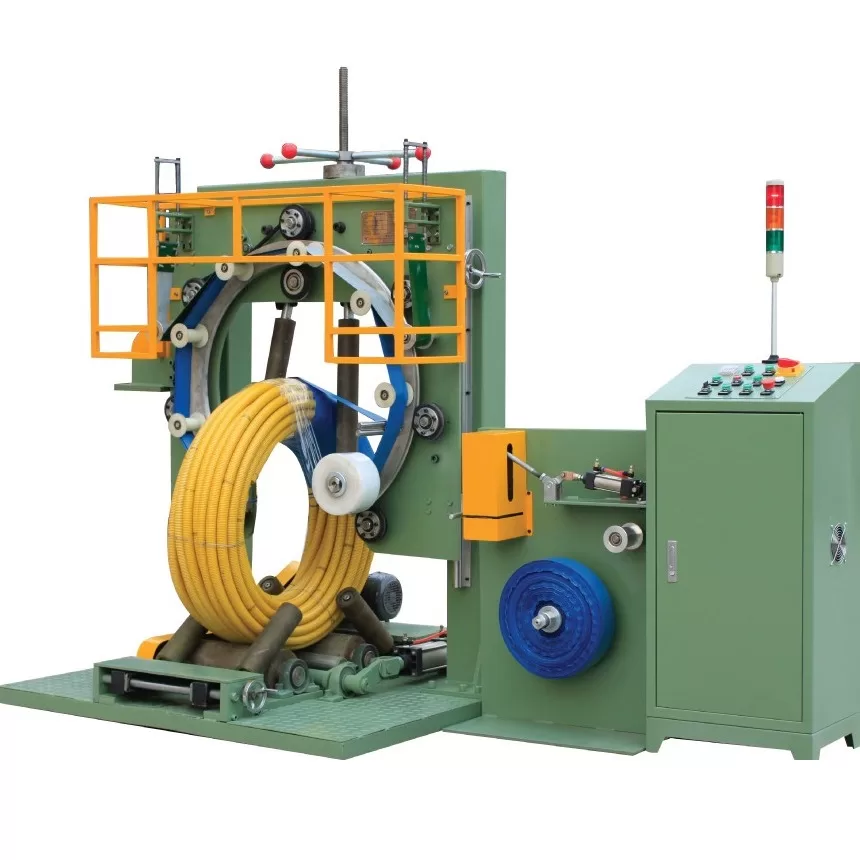
Understanding how these machines work can change your factory’s future. Let us explore the details. We will see how this technology can transform your packaging operations.
1. Why is manual coil packaging in Brazil so costly and slow?
Many Brazilian factories still rely on manual ways to pack coils. This creates big problems. It costs a lot of money and slows everything down. Are your workers spending too much time on a simple task? This slows your whole production line. It also increases your labor costs.
Manual coil packaging in Brazil is costly because it needs many workers and causes high material waste. It is slow because human hands cannot match machine speed. Each coil takes a long time to wrap. This creates bottlenecks in the production process.

When I first started in the packing machine industry, I saw this firsthand. I was an employee in a factory. I watched workers struggle with heavy coils. They used hand-held stretch film. It was slow work. The film often ripped or was applied unevenly. This meant more film was used than needed. It added up to huge costs over time. Then, when I started my own factory, I knew this had to change. Manual methods are not sustainable for modern manufacturing.
1.1 High Labor Costs and Inefficiency
Manual packaging requires many people. Workers need to lift, turn, and wrap heavy coils. This work is hard. It is also slow. Each coil takes a specific amount of time. You cannot speed it up much. This directly affects your labor budget. You pay more for wages. You also get less output. In Brazil, labor costs are a big factor for any factory manager. Michael Chen, a factory manager I know, often talks about this. He manages a metal processing plant. He knows the pressure to keep costs down. Manual work adds directly to these costs.
Consider a factory producing steel coils. If each coil takes two workers 10 minutes to wrap by hand, and you produce 100 coils a day, that is 2000 minutes of labor. This is over 33 hours of work. An automatic machine can wrap a coil in under a minute. The difference is huge. It frees up workers for other, more important tasks. This is not just about saving money on wages. It is also about using your workforce smarter. It improves the efficiency of your whole operation. It helps you get more done with the same number of people.
1.2 Material Waste and Product Damage
Manual wrapping often leads to wasted film. Workers might use too much film to make sure the coil is secure. They might apply it unevenly. Some parts get too much. Other parts get too little. This means some film is just wasted material. It is thrown away. This adds up. Think about how much film you buy in a year. A small waste per coil becomes a very large waste over many coils.
Also, product damage is a big concern. When workers handle heavy coils, there is a risk. They might drop a coil. They might bump it against something. This can damage the edges of the steel or wire. Damaged products mean customer complaints. They mean returns. This costs the factory money. It also harms the factory’s reputation. I have seen clients lose big orders because of damaged goods. This is why investing in better packaging is not just about cost. It is also about protecting your product quality. It ensures your customers get what they expect. It helps you build trust.
1.3 Safety Risks for Workers
Handling heavy items manually is dangerous. Workers can get injured. They can strain their backs. They can drop things on their feet. These injuries lead to many problems. Workers miss time. This means lower output for the factory. It also means higher insurance costs. No factory manager wants their employees to get hurt. Michael Chen highlighted this as a key challenge. He said safety hazards are very high with manual handling. He wants to reduce injuries. Automatic machines take the heavy lifting away from people. They do the hard, repetitive work. This makes the workplace much safer. It reduces the risk of accidents. It shows that the company cares about its employees. A safe workplace is a productive workplace.
2. How do automatic coil wrapping machines save film in Brazilian factories?
Film waste is a big concern for any factory. It adds to costs. It also impacts the environment. Manual methods often mean using more film than needed. But how can a machine do better?
Automatic coil wrapping machines save film in Brazilian factories by applying the exact amount of film needed. They use programmed settings for tension and overlap. This precision stops over-wrapping. It also prevents loose wraps that need more film to secure. This means less material is bought and less is thrown away.
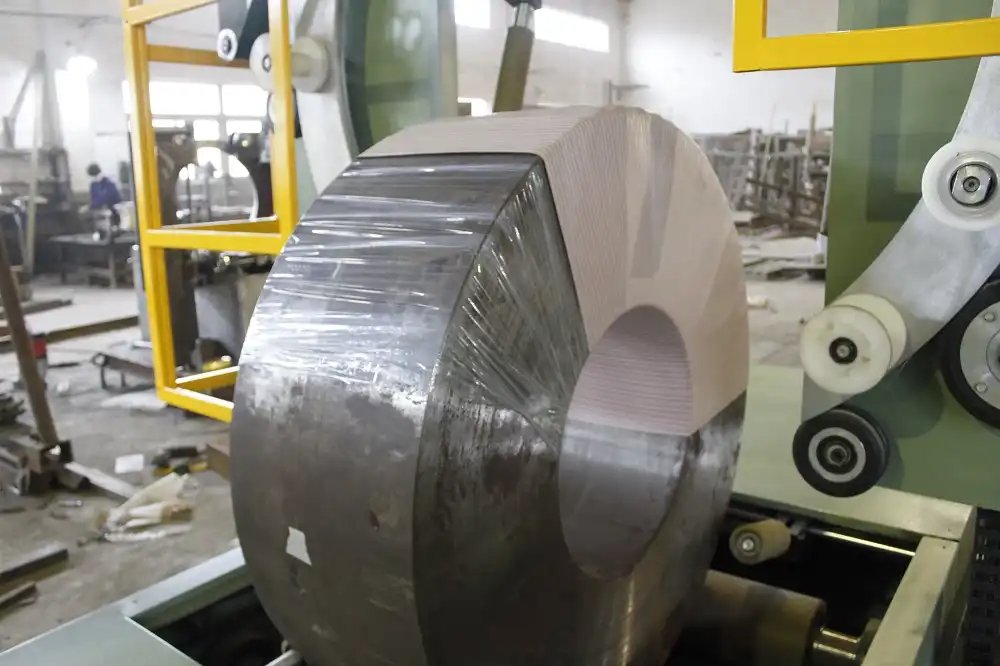
When I was setting up my own factory, controlling material costs was very important. I knew that every little saving adds up. Film is not cheap. Watching manual wrappers use too much film was painful. It was like throwing money away. This is one of the main reasons I became passionate about finding better solutions. I wanted to help other businesses avoid these losses too.
2.1 Precise Film Application and Tension Control
Automatic coil wrapping machines are smart. They have precise controls. You can program them to use a specific amount of film. They apply the film with constant tension. This means the film is stretched just right. It is not too loose. It is not too tight. This uniform tension ensures the coil is wrapped securely. It also means you use the least amount of film possible. Manual wrapping cannot achieve this. A human cannot keep the tension perfectly even. They cannot apply film in exactly the same way every time.
Imagine a coil that needs five layers of film. An automatic machine will apply exactly five layers. It will use the exact overlap you set. A worker might do five, six, or even seven layers. They might overlap too much in some spots. This adds extra, unneeded film. This precision from the machine leads to big savings. Over thousands of coils, this small difference per coil becomes a very large saving in film costs. It is a clear return on investment.
2.2 Optimized Overlap and Edge Protection
One key feature of these machines is optimized overlap. You can set how much each layer of film overlaps the last one. For example, you might set it to overlap by 50%. The machine will keep this overlap consistent around the entire coil. This ensures no part of the coil is left unprotected. It also ensures no film is wasted by overlapping too much. This precise control protects the product edges very well.
- Consistent Overlap: Guarantees full coverage without excess film.
- Edge Reinforcement: Specific settings can add more film to vulnerable edges.
- Reduced Damage: Better wrapping means fewer dents or scratches to the product during transport.
| Feature | Manual Wrapping | Automatic Wrapping |
|---|---|---|
| Film Overlap | Inconsistent, often too much | Precise, customizable, optimized |
| Film Tension | Uneven, depends on worker | Consistent, programmable |
| Edge Protection | Variable, prone to gaps | Uniform, can be reinforced |
| Film Waste | High | Low |
| Consistency | Low | High |
This table clearly shows the benefits. Automatic machines remove the guesswork. They ensure every coil gets the best protection. They use the least film possible. This is good for your wallet. It is also good for the environment. Brazilian factories need to be competitive. Saving on material costs is a great way to do that.
2.3 Fewer Reworks and Breakages
When film is applied poorly, it can break. Or it might come loose. This means the coil needs to be re-wrapped. Rework takes more time. It uses more film. It also slows down your production line. Automatic machines greatly reduce this problem. Their consistent wrapping means fewer film breakages. The wrap is strong and secure from the start. This means fewer reworks.
This also relates to product damage. A well-wrapped coil is less likely to get damaged. It is protected during storage and transport. This helps reduce customer complaints. It helps keep your profit margins stable. For factory managers like Michael, reducing product loss is a major goal. He wants to avoid customer complaints. He wants to avoid profit loss from damaged goods. An automatic coil wrapping machine helps achieve these goals directly. It provides a solid, reliable wrap every time. This translates to fewer problems down the line.
3. What makes coil wrapping machines dramatically boost packaging speed for manufacturers in Brazil?
Speed is crucial in manufacturing. If your packaging is slow, your whole factory slows down. Many Brazilian manufacturers struggle with this. How can a machine make such a big difference?
Coil wrapping machines dramatically boost packaging speed for manufacturers in Brazil because they work much faster than humans. They can complete many wraps per minute. They also allow for continuous operation. Workers just load and unload. The machine does the fast, repetitive wrapping. This speeds up the entire end-of-line process.
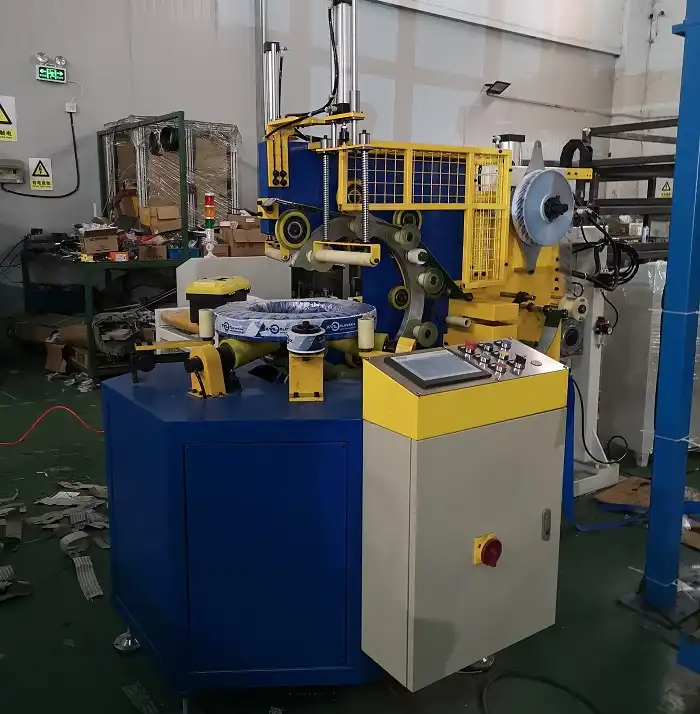
I remember talking to a client in Brazil a few years ago. His factory was struggling to keep up with orders. The bottleneck was always the packaging line. They had skilled workers. But manual wrapping just could not keep pace with production. He was losing money because he could not ship products fast enough. We talked about how an automatic machine could change that. He was hesitant at first, like many people are with new investments. But once he saw the numbers, he understood the potential.
3.1 High-Speed, Automated Wrapping Cycles
The biggest reason for speed improvement is automation itself. An automatic coil wrapping machine is designed for speed. It has a fast rotating ring. This ring applies the film quickly and evenly. It can make many revolutions per minute. A human worker cannot match this speed. While a worker might take 5-10 minutes per coil, a machine can finish it in less than a minute. Some advanced machines are even faster. This direct comparison highlights the huge leap in speed.
This speed means more coils can be wrapped in an hour. It means more coils can be wrapped in a day. Your packaging output goes way up. This helps you meet higher production targets. It helps you fulfill orders faster. If your factory has an efficiency bottleneck at the packaging stage, an automatic machine solves it. It turns a slow, labor-intensive process into a fast, automated one. This is key for any factory wanting to grow and compete globally.
3.2 Reduced Labor Dependency and Continuous Flow
Another major factor in speed is reduced labor dependency. With manual wrapping, you need workers actively doing the wrapping. If a worker takes a break, or if there are not enough workers, the line stops. An automatic machine needs fewer people. Often, one or two operators can manage several machines. Their job is to load the coils and remove them. The machine does the wrapping continuously. This means your packaging line can run for longer periods. It means it can run without interruption.
This creates a smoother, continuous flow in your factory. Products move from production to packaging without delays. This seamless process reduces bottlenecks. It ensures that finished goods are ready for shipment quickly. For a factory manager like Michael Chen, ensuring a smooth operational flow is critical. He wants to remove bottlenecks. He wants to improve overall production. Automatic coil wrapping helps achieve this. It makes the end of your production line as efficient as the rest.
3.3 Integration with Production Lines
Modern coil wrapping machines can connect directly to your existing production line. This is a big advantage. It means coils can move from the production stage straight into the wrapping machine. There is no need for extra handling. There is no need for manual transfer. This integration further speeds up the entire process. It removes any gaps or delays between production and packaging.
For example, a steel coil might come off a slitting line. It can go directly onto a conveyor. This conveyor takes it to the wrapping machine. After wrapping, it moves to the next stage, like strapping or warehousing. This full integration ensures maximum efficiency. It makes your factory truly automated from start to finish. This level of automation is what gives a factory a real competitive edge. It is how you scale up production without scaling up labor costs. This is the kind of solution I built FHOPEPACK to share. It is about smart, effective factory operations.
4. Beyond waste and speed, what other benefits do these machines offer Brazilian businesses?
Reducing film waste and boosting speed are huge benefits. But automatic coil wrapping machines offer more. They bring a range of advantages that impact the whole business. Many factory owners in Brazil need to know these.
Beyond waste and speed, automatic coil wrapping machines offer Brazilian businesses increased safety for workers, better product protection, and consistent package quality. They also help improve brand image and customer satisfaction. This holistic improvement makes them a valuable long-term investment.
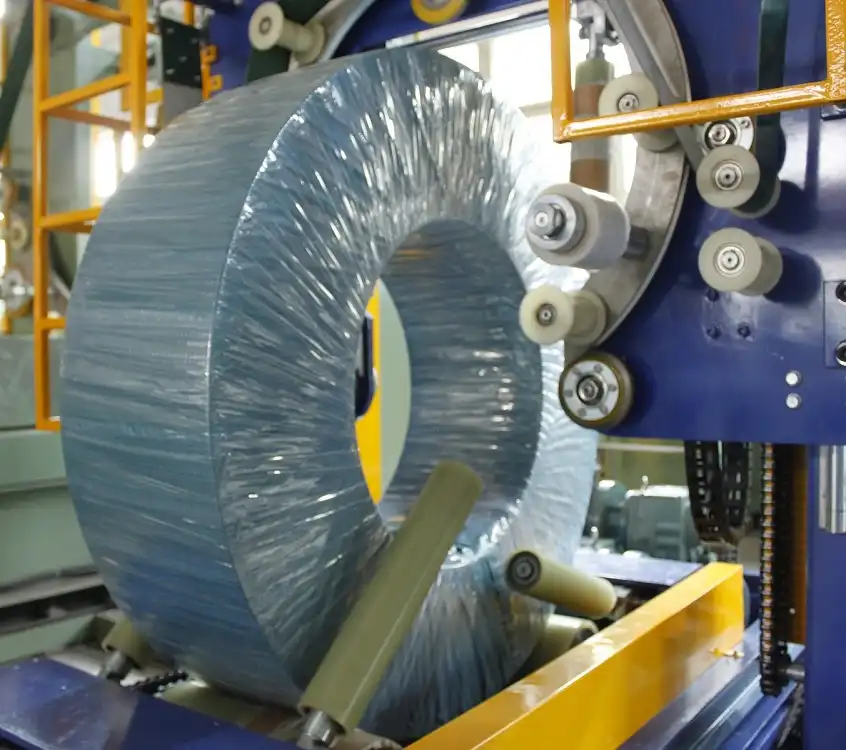
When I help clients, I do not just sell machines. I share knowledge. I want them to understand the full picture. It is about solving problems and building a better business. Michael Chen’s story is a good example. He seeks a partner who understands his production bottlenecks and safety issues. He wants solutions that truly work. My experience in building a factory showed me that the right equipment brings many hidden benefits. It is not just about the obvious.
4.1 Enhanced Worker Safety
This is a very important point. Manual handling of heavy coils is risky. Workers can get hurt. This means injuries, medical costs, and lost workdays. Automatic machines remove this risk. Workers do not need to lift or move heavy coils by hand. The machine does all the heavy work. This greatly improves workplace safety. It protects your most valuable asset: your employees.
A safer workplace has many good effects.
- Fewer Accidents: Direct reduction in physical injuries.
- Lower Insurance Costs: Less risk means lower premiums.
- Improved Morale: Workers feel valued and protected.
- Reduced Employee Turnover: People stay where they feel safe.
When I started my factory, I prioritized safety. I knew that a safe environment makes workers happier and more productive. It also builds trust. This trust is important for long-term success. Investing in a machine that improves safety is an investment in your people. It is also an investment in your business stability.
4.2 Superior Product Protection and Quality
An automatic machine provides a consistent and secure wrap. This protects your product better. Coils are often valuable. They need good protection from dust, moisture, and physical damage. A uniform, tight wrap from a machine does this job perfectly. It covers the entire surface. It reduces the chance of scratches or dents during transport.
This superior protection leads to higher product quality upon arrival. Your customers receive products in perfect condition. This reduces complaints. It increases customer satisfaction. It also builds your reputation as a reliable supplier. In a competitive market like Brazil, product quality is a key differentiator. It helps you stand out. It helps you win more business. As a factory owner, I learned that customer trust is priceless. Delivering quality products consistently helps build that trust.
4.3 Long-Term Cost Savings and ROI
While the initial investment in a coil wrapping machine seems big, the long-term savings are much bigger.
- Reduced Labor Costs: Fewer workers needed for packaging.
- Lower Material Waste: Precise film application saves money on film purchases.
- Fewer Product Damages: Less scrap and fewer customer returns.
- Increased Output: Higher production capacity means more sales.
- Lower Safety Costs: Fewer injuries mean lower insurance and medical expenses.
All these savings add up. They lead to a clear return on investment (ROI). I help my clients calculate this ROI. They often see that the machine pays for itself very quickly. After that, it just keeps adding to their profits. This is what financial independence looks like for a factory. It is about making smart investments that grow your business. This is what I achieved for myself. This is what I help my clients achieve.
Conclusion
Automatic coil wrapping machines transform packaging in Brazil. They cut film waste, boost speed, improve safety, and protect products. This leads to higher profits and a stronger competitive edge.








