
How does an orbital stretch wrapper prevent sand intrusion in desert logistics?
Imagine your valuable industrial products traveling through harsh desert environments. You worry about sand, dust, and moisture ruining them before they reach your customer. This kind of damage leads to complaints, returns, and big financial losses. It can also hurt your factory’s reputation, just like the challenges many factory managers face with product integrity.
An orbital stretch wrapper seals out harsh elements like sand by wrapping products in a continuous, tight layer of stretch film. This film creates a barrier around the product, protecting it from fine sand particles, dust, and moisture during transport and storage, even in the most demanding desert conditions.

Understanding how these machines work can help you protect your goods better. It can also help you avoid the common problems I saw in my many years in the packing machine industry. Let’s look closer at the specific ways an orbital stretch wrapper solves this problem and improves your logistics.
How do desert environments challenge industrial product shipping?
Do you ship products across vast, dry landscapes? Then you know the struggle. Fine sand and dust are everywhere. They get into everything. This is a big problem for sensitive industrial goods.
Desert environments present unique challenges like abrasive sand, extreme temperatures, and sudden dust storms, which can easily damage unprotected industrial products, leading to corrosion, surface scratches, and functional failures if proper packaging is not used.
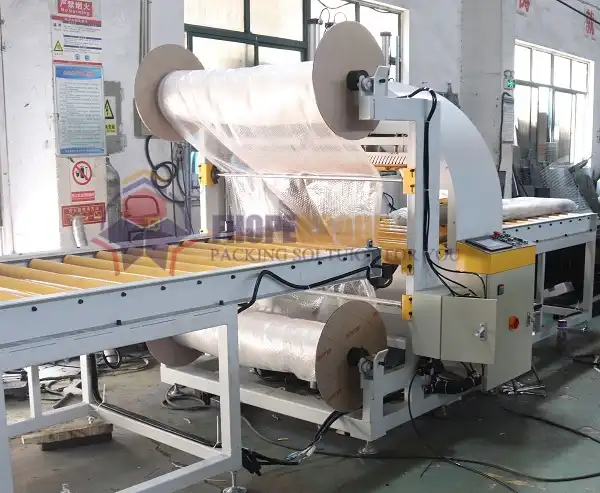
Transporting goods in desert areas is not like shipping in other places. The air carries tiny sand particles. These particles can scratch surfaces. They can also get into small cracks. This is bad for things like steel coils or wire bundles. The high heat can also make materials expand and contract. This can weaken packaging over time. Then, sand can get inside. Rain, even if rare, can make sand stick to products. This creates a muddy, corrosive layer. I remember clients telling me about their products arriving with sand embedded in the packaging. It caused a lot of rework and client dissatisfaction. They needed a better solution than just basic covers.
The Specific Threats from Desert Conditions:
- Abrasive Sand Particles: Desert sand is very fine. It acts like sandpaper. It can scratch painted surfaces. It can also abrade protective coatings. This exposes metal parts to corrosion. These tiny particles can also get into bearings or electrical components. This causes wear and tear.
- Dust Accumulation: Dust storms are common. They can cover products in thick layers of dust. This dust holds moisture. It can also block ventilation. Over time, it can lead to rust or mildew on certain materials. This is especially true if the products are stored outdoors for any time.
- Temperature Extremes: Deserts have very hot days and cold nights. This causes packaging materials to expand and contract. This movement can create small openings in seals. Sand and moisture can then enter these openings. The extreme heat can also degrade some films. This makes them less effective.
- UV Radiation: Strong sunlight in deserts causes packaging film to break down. UV rays make plastic brittle. It loses its elasticity. Then, the film cracks or tears easily. This leaves products exposed.
To face these threats, businesses need strong, reliable packaging. Basic shrink wrap or tarps often fail. They do not give a tight seal. They also do not resist abrasion well enough. This is where specialized equipment becomes important. It offers a higher level of protection. My goal has always been to help factories like yours find these robust solutions. This keeps your products safe and your customers happy.
What features of an orbital stretch wrapper seal out harsh elements?
You might wonder how a machine can keep out something as small as sand. It is about smart design and engineering. An orbital stretch wrapper has specific features. These features create a very effective barrier.
An orbital stretch wrapper seals out harsh elements with its unique 360-degree wrapping motion, which applies multiple overlapping layers of stretch film tightly around the product, creating a strong, impermeable, and moisture-resistant barrier that prevents sand and dust from reaching the goods.
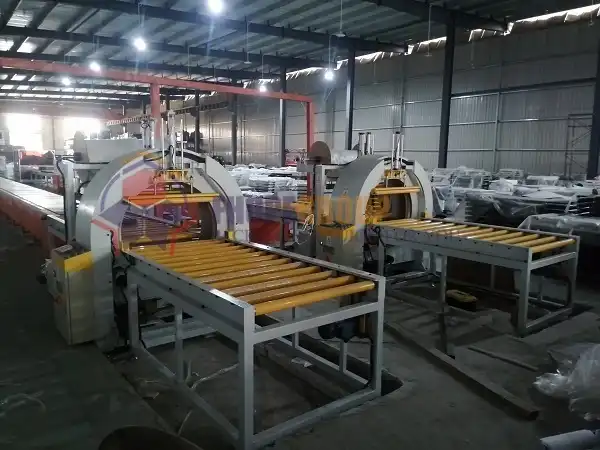
The way these machines work is very clever. They use a moving ring. This ring dispenses the film. The product stays still. Or, it moves slowly through the ring. The film wraps around the product from all sides. It creates a complete enclosure. This means there are no open gaps. There are no loose edges. This tight seal is key. It stops sand. It stops dust. It also stops moisture. I have seen this work for heavy items like steel coils. These items need a lot of protection. When I first started my factory, I knew good wrapping was not just about looks. It was about product integrity.
Key Protective Features Explained:
- 360-Degree Overlapping Wrap: The machine wraps the film around the product’s entire surface. It moves in an orbit. This covers all sides. Each new layer of film overlaps the last one. This creates a thick, multi-layered barrier. It is like putting on many layers of clothing in cold weather. More layers mean more protection. This overlap makes it very hard for sand or water to get through.
- Film Tension Control: Orbital wrappers have advanced tension control systems. They pull the stretch film very tightly. This removes air pockets. It also makes the film conform to the product’s shape. A tight film acts as a solid skin. It does not flap around. It does not get loose. This tight fit also makes the package more stable. This reduces product movement inside.
- Film Puncture Resistance: High-quality stretch film is tough. It resists tears and punctures. This is important for industrial goods. They often have sharp edges. The film can stretch a lot without breaking. This protects against impact. It protects against abrasion from sand. I always advise my clients to use the right film. Cheap film breaks easily. It defeats the purpose of the wrapper.
- Waterproof and Dust-Proof Barrier: The stretch film itself is waterproof. It forms a sealed layer. This keeps moisture out. The tight, overlapping layers stop even the finest dust particles. Imagine a product wrapped so well that it can sit in a dust storm and stay clean inside. This is the goal. This means fewer damaged goods. It means happier customers. This also means less re-packaging work for your team.
Choosing the right orbital wrapper and film helps your products stay safe. It lets them reach their destination in perfect condition. This is especially true when facing the harsh realities of desert logistics.
Can automation really reduce damage and improve safety in tough conditions?
Many factory managers, like Michael Chen, worry about manual packing. It is slow. It is costly. It is also dangerous. Can a machine truly solve these problems in harsh environments?
Automation, specifically with orbital stretch wrappers, significantly reduces product damage and improves worker safety by eliminating the need for manual handling of heavy or awkward items during the packing process, thus minimizing human error and exposure to hazardous conditions common in tough industrial settings.

I have seen countless factories struggle with manual packing. Workers lift heavy coils. They try to wrap them by hand. This is not efficient. It is very risky. Injuries are common. Product damage is also common. An automated system changes this completely. It takes over the heavy lifting. It takes over the precise wrapping. This makes the whole process faster. It makes it safer. When I built my factory, safety was always a top concern. I knew that a safe workplace is a productive workplace. Investing in automation was a clear choice for both my team and my bottom line.
How Automation Drives Safety and Reduces Damage:
- Eliminating Manual Handling Risks:
- Reduced Strain and Injuries: Workers do not need to lift or turn heavy products. The machine does all the physical work. This lowers the risk of back injuries. It also lowers the risk of sprains and cuts. This directly reduces workers’ compensation claims. It also reduces lost workdays.
- Fewer Accidents: Manual processes have a higher chance of accidents. Products can fall. Workers can get pinched. Automated wrappers keep workers away from moving parts. They ensure a consistent and safe operation.
- Consistent and Reliable Packaging:
- Uniform Wrap Quality: Humans get tired. They can make mistakes. Machines wrap every product the same way. The film tension is always right. The overlap is always correct. This means every package has the same high level of protection. This consistency prevents damage.
- Reduced Product Scratches and Dents: When workers manually wrap, they might drag film across surfaces. Or they might bump products. An orbital wrapper applies film smoothly. It does this without direct contact with the product surface. This protects delicate finishes or edges. This is very important for expensive materials like steel coils.
- Increased Throughput and Efficiency:
- Faster Operations: Machines wrap much faster than people. This speeds up your whole packing line. This removes bottlenecks. It means you can ship more products in less time.
- Lower Labor Costs: With automation, you need fewer people for the packing step. These workers can then do other, more skilled tasks. This helps your overall productivity. It also makes your factory more profitable.








