
How Does a Tyre Packing Machine Protect Tires From Dust and Moisture?
Have you ever considered the journey a tire takes from the factory floor to a customer’s vehicle? It is longer than most people think. During this journey, tires face many environmental challenges. Dust, dirt, and moisture are constant threats. These elements can damage the tire surface. They can also shorten the tire’s lifespan. For businesses like yours, this means potential product loss and unhappy customers. (tire protection challenges, manufacturing logistics)
A tyre packing machine protects tires by creating a complete, sealed barrier around them. It uses durable stretch film or other specialized wrapping materials to prevent dust, dirt, and moisture from reaching the tire surface. This process ensures tires remain clean and dry during storage and transport, maintaining their quality and appearance until they reach their final destination.
Understanding the “how” is just the beginning. The real value comes from knowing why this protection is so vital for your operations and how modern technology can transform your packing line. Let us dive deeper into the world of tire packaging and uncover the solutions that can boost your factory’s efficiency and product integrity. (automated packaging benefits, factory efficiency)
1. What common environmental threats do unprotected tires face?
Imagine your freshly manufactured tires, pristine and ready for market. Now, picture them exposed to the real world. What forces begin to attack their quality? Many factory managers overlook these threats, seeing them as minor issues. However, these seemingly small problems can lead to big losses. (tire damage factors, manufacturing quality)
Unprotected tires primarily face threats from airborne dust and particulate matter, which can settle on surfaces and degrade aesthetics. Moisture, including humidity, rain, or condensation, poses a significant risk, leading to water stains, mold growth, or even material degradation. Additionally, UV radiation from sunlight can cause rubber to crack and harden, while physical abrasions during handling can scuff or damage the tire’s exterior.

From my experience in the packing machine industry, I have seen firsthand how easily valuable products can degrade without proper care. For tires, these threats are not just about appearance. They impact performance and longevity. Understanding these dangers helps us appreciate the role of effective packing. Let us break down the specific challenges:
Key Environmental Threats to Tire Quality:
- Dust and Dirt Accumulation:
- Impact: Fine dust particles can embed in the tire’s surface, making them look unappeished and requiring cleaning before sale. In some cases, abrasive dust can even cause microscopic scratches. This reduces the tire’s aesthetic appeal, which can lead to customer complaints. It also creates extra work for distributors who might need to clean the tires.
- Source: Factory floors, warehouses, transportation routes.
- Moisture Exposure:
- Impact: Water is a tire’s silent enemy. High humidity can lead to condensation, causing water spots or, worse, promoting mold and mildew growth, especially in enclosed spaces like shipping containers. Prolonged exposure to rain during transit can saturate the tire, leading to discoloration and potential degradation of rubber compounds. This impacts the tire’s integrity and can lead to costly rejections.
- Source: Humid climates, open storage areas, rain during shipping, condensation in containers.
- UV Radiation (Sunlight):
- Impact: While packing machines primarily address dust and moisture, it is important to note UV light. Direct sunlight can cause the rubber compounds in tires to break down. This leads to cracking, fading, and hardening, a process known as photo-oxidation. This significantly reduces the tire’s lifespan and safety. This is a crucial factor for tires stored outdoors before or after packing.
- Source: Outdoor storage, transparent covers without UV protection.
- Physical Damage and Abrasion:
- Impact: During handling, stacking, and transportation, tires can rub against each other or against surfaces. This causes scuffs, scrapes, and abrasions. Such damage is not just cosmetic; it can weaken the tire’s outer layers. These damages are common when manual handling is involved. My experience with heavy manufacturing environments shows that reducing human contact with heavy items like tires also reduces damage risk.
- Source: Manual loading/unloading, forklift movements, vibrations during transit, inadequate stacking.
These threats highlight why robust protection is not a luxury, but a necessity for maintaining product quality and meeting customer expectations. Neglecting these areas can result in increased returns, warranty claims, and ultimately, damage to your brand reputation. (tire preservation, packaging requirements, product integrity)
2. How do modern tire packing machines physically seal out contaminants?
The problem of contamination is clear. But how exactly do these specialized machines create such an effective shield? For managers like Michael Chen, understanding the mechanics of protection is key to trusting the investment. It is not magic; it is engineered precision designed to keep your products safe. (packing machine mechanics, protective packaging solutions)
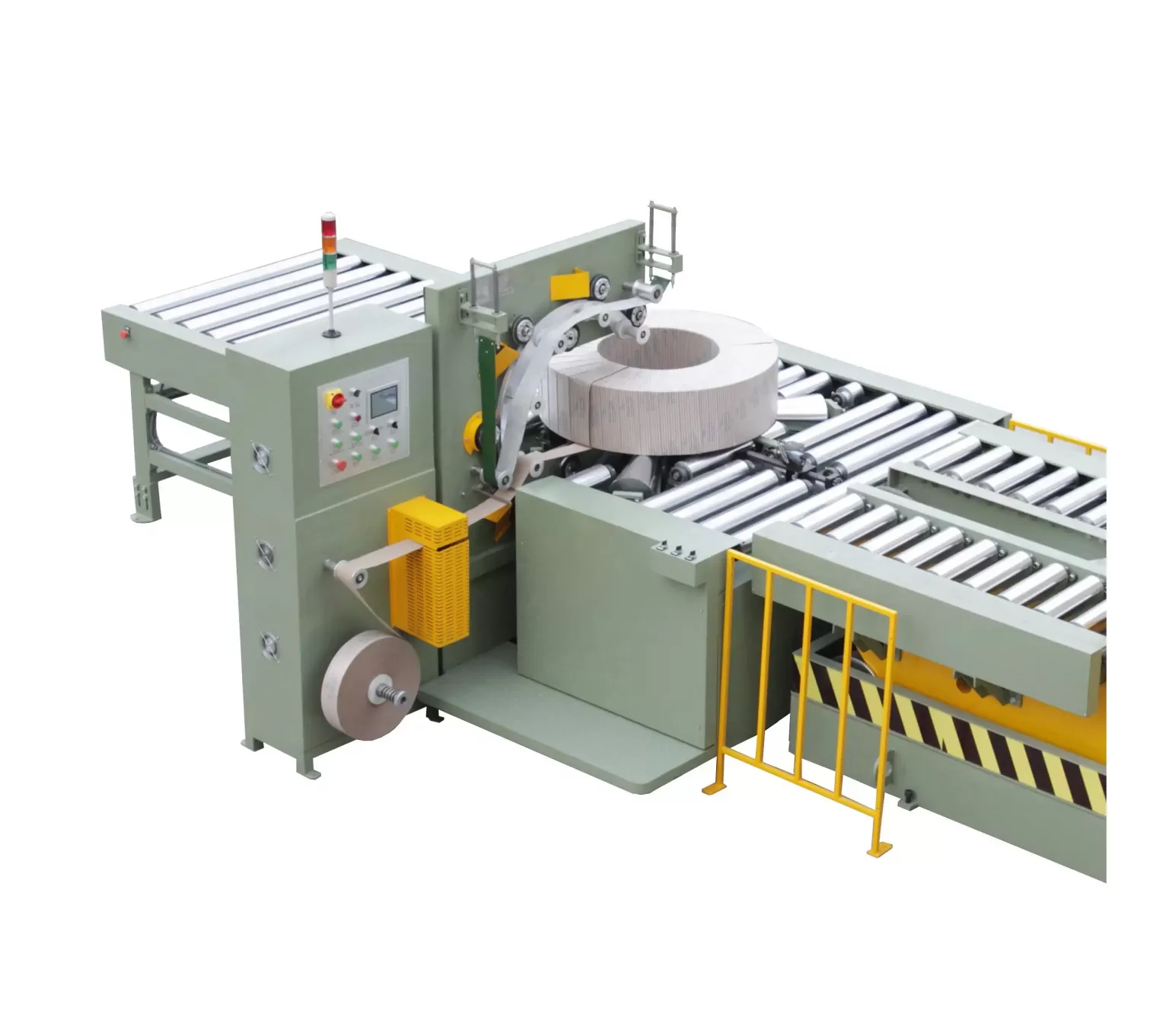
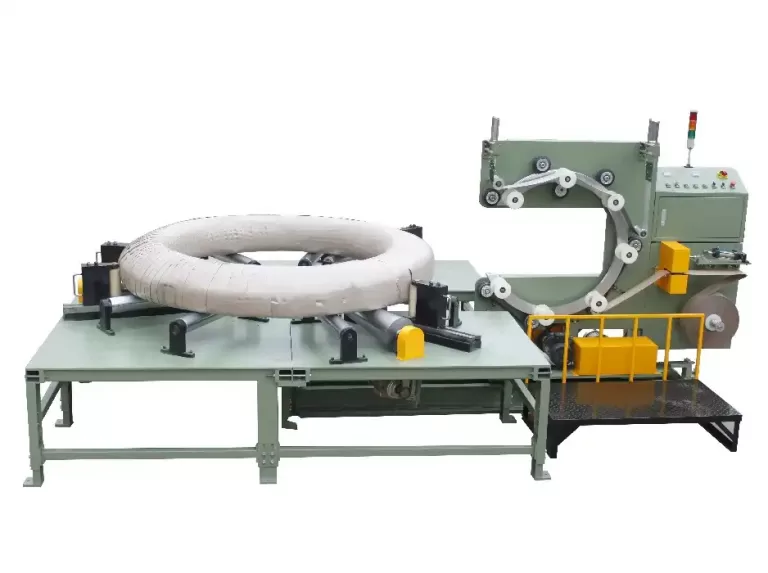
Modern tire packing machines primarily seal out contaminants using advanced wrapping technologies, such as stretch wrapping and orbital wrapping. These systems apply multiple layers of high-quality, stretchable film tightly around the tire. This creates a complete, continuous barrier that physically blocks dust, dirt, and moisture from penetrating the packaging. Automated tension control ensures a consistent, secure seal around the entire product.
At FHOPEPACK, we understand that a machine is only as good as its ability to solve a real-world problem. For tire protection, the method of sealing is everything. It must be robust, consistent, and efficient. Here are the primary methods modern tire packing machines employ:
Core Wrapping Technologies for Tire Protection:
| Technology Type | Description | Key Benefits | Ideal Application |
|---|
## 1. What are the essential components of an effective tire packing machine?
You might think that all packing machines are roughly the same. Yet, for specific items like tires, certain components become absolutely critical. Without these, your machine simply cannot deliver the robust, reliable protection your products and reputation demand. What crucial parts make up a true master packing machine for tires? (tire packaging components, packing machine parts)
An effective tire packing machine fundamentally relies on a sturdy frame for stability, a precision-controlled film carriage for even material application, an efficient tensioning system to ensure tight wraps, and an automated cutting and sealing mechanism for a secure finish. Additionally, an intuitive control panel allows for easy operation and customization, while robust conveying systems handle the tires smoothly throughout the process.

In my journey from a factory employee to establishing FHOPEPACK, I learned that a machine’s true value lies in the sum of its well-engineered parts. For tire packing, we are not just talking about wrapping; we are talking about creating a durable shield. This requires components designed for resilience and precision, capable of handling the unique challenges posed by bulky, often heavy, circular objects. My insights are not theoretical; they come from years of optimizing production lines and solving real-world packing bottlenecks.
Essential Components and Their Role in Tire Protection:
-
Robust Frame and Structure:
- Functionality: This is the backbone of the entire machine. It needs to be built from heavy-duty steel to withstand constant operation, vibrations, and the weight of the tires being processed. A stable frame prevents wobble and ensures consistent wrapping quality.
- Impact on Protection: A sturdy frame directly contributes to the machine’s longevity and the precision of the wrapping process. Any instability can lead to uneven film application, creating weak points where dust or moisture could enter. It ensures that all other components operate smoothly and maintain their calibration over time.
- Michael’s Perspective: For factory managers like Michael, who value durable equipment that can withstand high-intensity, harsh working environments, the strength of the frame is a clear indicator of long-term reliability and minimal downtime.
-
Film Carriage and Delivery System:
- Functionality: This component holds the roll of stretch film and precisely delivers it around the tire. It typically moves along an orbital path or rotates around the product. The design ensures that the film unwinds smoothly without tearing or snagging.
- Impact on Protection: An optimized film delivery system is crucial for achieving an overlap that completely seals the tire. It ensures each layer of film is applied without gaps, which are potential entry points for contaminants. Consistency here means a uniform, impermeable barrier.
- Michael’s Perspective: Efficient and consistent film delivery means less film waste and a consistently good product package, reducing rework and ensuring product integrity, which directly addresses product loss challenges.
-
Tensioning System:
- Functionality: This mechanism applies a specific, adjustable amount of tension to the stretch film as it is applied. Proper tension ensures the film adheres tightly to the tire’s surface and to previous layers, providing a secure, taut wrap.
- Impact on Protection: Correct tensioning is paramount. Too little tension results in a loose wrap that can easily come undone or allow contaminants to seep in. Too much tension can tear the film. A well-calibrated system creates a snug, protective layer that resists external forces and maintains its integrity throughout transit and storage.
- Michael’s Perspective: A reliable tensioning system translates to fewer product returns due to damaged packaging and consistent protection, contributing to higher customer satisfaction and lower operational costs from re-packaging.
-
Automated Cutting and Sealing Mechanism:
- Functionality: Once the desired number of film layers is applied, this system automatically cuts the film and heat-seals the tail end to the wrapped package. This creates a clean, secure finish without loose ends.
- Impact on Protection: This automated step is vital for completing the protective barrier. A poorly cut or sealed end can unravel, compromising the entire wrap. An effective mechanism ensures the wrap remains intact, providing continuous protection against dust and moisture.
- Michael’s Perspective: Automation in cutting and sealing not only speeds up the process but also eliminates inconsistencies inherent in manual methods, directly improving efficiency and reducing the risk of human error leading to compromised packaging.
-
Control Panel and PLC System:
- Functionality: This is the brain of the machine. A Programmable Logic Controller (PLC) manages all machine functions, from film carriage speed and tension settings to wrap cycles. The control panel (often a touchscreen HMI) allows operators to easily set parameters, monitor performance, and troubleshoot.
- Impact on Protection: Precise control enables customized wrapping for different tire sizes or protection levels, ensuring optimal film usage and maximum barrier effectiveness. It also allows for diagnostics, helping to maintain peak operational efficiency and prevent issues that might compromise packaging.
- Michael’s Perspective: An intuitive and robust control system means less training time for operators, fewer errors, and the ability to quickly adapt to different production requirements. This directly addresses the efficiency bottlenecks and helps in achieving higher output goals.
-
Conveying and Centering System:
- Functionality: This includes rollers, belts, or turntable systems that safely move the tires into the wrapping zone and accurately position them for wrapping. For orbital wrappers, rollers might be integrated into the wrapping ring itself.
- Impact on Protection: Smooth and precise conveying prevents damage to the tires before wrapping. Proper centering ensures the film is applied evenly around the entire circumference, avoiding areas of insufficient coverage.
- Michael’s Perspective: Reducing manual handling of tires through automated conveying directly enhances worker safety, a critical goal for Michael. It also minimizes product damage from rough handling, boosting product integrity.
These components work in harmony. They create a seamless, automated process that turns vulnerable tires into securely protected packages. This ensures they arrive at their destination in perfect condition. (packaging technology, automated solutions, product handling)
3. What types of packing films are most effective for shielding tires?
Choosing the right packing film is as important as choosing the right machine. Not all films are created equal when it comes to protecting tires from harsh environments. Using the wrong material can negate the benefits of even the most advanced packing equipment. So, what specific film properties deliver superior protection against dust and moisture? (packaging film types, material science, tire protection film)
The most effective packing films for shielding tires are typically multi-layer stretch films made from Linear Low-Density Polyethylene (LLDPE) or specialized polyethylene (PE) blends. These films offer superior puncture resistance, high stretchability for tight, secure wraps, and excellent clarity. For enhanced protection against moisture, some films incorporate water-resistant additives, while UV-stabilized versions can also be used to mitigate sun damage, though the primary focus remains on stretch films.

When I started FHOPEPACK, I knew that a comprehensive packing solution goes beyond just the machine itself. The material you use for wrapping is equally crucial. The film must be strong, flexible, and capable of forming an impenetrable barrier. This is especially true for items like tires, which often face various environmental stresses during their journey. Let us look at the types of films that truly master the art of tire protection.
Top Packing Films for Tire Protection:
1. Linear Low-Density Polyethylene (LLDPE) Stretch Film
- Description: LLDPE stretch film is the workhorse of industrial packaging. It is highly elastic and incredibly tough. This means it can stretch significantly without breaking, allowing for a very tight wrap. This film comes in various gauges (thicknesses) and can be customized with specific properties.
- Key Benefits for Tires:
- 💪 High Puncture Resistance: Tires often have irregular shapes or sharp edges. LLDPE’s strength helps prevent tears and punctures during wrapping and transit.
- 💧 Excellent Moisture Barrier: When applied in multiple overlapping layers, LLDPE forms a highly effective barrier against water and humidity, crucial for preventing rust or mold.
- 💨 Dust and Dirt Exclusion: Its tight, clinging nature ensures no gaps for dust to enter, keeping tires pristine.
- ✨ Clarity: Many LLDPE films offer good transparency, allowing for easy inspection of the tire and barcode scanning.
- Considerations: Thicker gauges offer more protection but increase material cost.
- Usage: Most common for automatic tire wrapping machines.
2. Specialized Polyethylene (PE) Blends
- Description: These are enhanced versions of PE films, often combining different types of polyethylene (e.g., LDPE with LLDPE) or incorporating additives. They are engineered to offer specific advantages beyond standard stretch film.
- Key Benefits for Tires:
- 🛡️ Enhanced Durability: Some blends are designed for even higher tear and impact resistance, ideal for very heavy or irregularly shaped tires.
- 🌞 UV Stabilization (Optional): Special additives can be included to protect the film itself (and thus the tire) from UV degradation if outdoor storage is expected. While stretch film primarily covers dust/moisture, a UV-stabilized film can add a layer of defense against sun damage.
- 🩹 Increased Cling: Some blends have higher cling properties, ensuring a more secure and long-lasting bond between film layers, preventing unraveling.
- Usage: For premium protection, challenging environments, or specific customer requirements.
3. Shrink Film (less common for individual tires, but useful for bundles)
- Description: Shrink film, typically made from polyolefin or PVC, is applied loosely and then heated, causing it to shrink tightly around the product. This creates a very snug, clear, and tamper-evident package.
- Key Benefits for Tires (mainly bundles):
- 📦 Very Tight Fit: Creates a form-fitting package that prevents movement and offers excellent physical protection.
- 🔍 High Clarity: Excellent for retail presentation where product visibility is important.
- tamper-evident seal: Shows if the package has been opened.
- Considerations: Requires a heat tunnel or heat gun, adding an extra step and energy cost. Less common for single tire wrapping due to shape and typical industrial need for speed and material efficiency. More often used for bundling multiple tires.
- Usage: For specific retail presentations or bundling of multiple tires.
Why Film Quality Matters for Your Business:
Using inferior film might seem like a cost-saving measure upfront. However, it can lead to:
- Increased Product Damage: Tears and ineffective sealing mean tires are still exposed to dust and moisture.
- Customer Complaints: Receiving dirty or damaged tires frustrates customers and harms your reputation.
- Higher Rework Costs: The need to re-wrap or clean tires adds unnecessary labor and material expenses.
- Lost Sales: Inconsistent product quality can lead to losing repeat business.
Investing in high-quality film, combined with a precise packing machine, creates an unbreakable chain of protection. This directly contributes to fewer issues down the line. It ensures your tires reach their destination in the condition they left your factory. (packaging material selection, industrial film solutions, product quality assurance)
4. Why is investing in a dedicated tire packing solution a smart business decision?
For factory managers like Michael Chen, every investment must deliver a clear return. It is not enough for a machine to simply “protect” tires. It must solve critical operational challenges and contribute to the bottom line. So, beyond just keeping tires clean, what are the tangible business benefits that make a dedicated tire packing solution an indispensable asset for your factory? (ROI packaging machinery, operational efficiency, factory modernization)
Investing in a dedicated tire packing solution is a smart business decision because it significantly boosts operational efficiency by automating manual processes, drastically improves worker safety by reducing heavy lifting, minimizes product damage during handling and transit, and reduces overall labor and material costs. This leads to higher throughput, greater customer satisfaction, and a strong return on investment for your factory.
In my journey, building FHOPEPACK and helping countless clients, I have seen that the most successful factories are those that embrace smart automation. They do not just buy machines; they invest in solutions that directly address their biggest pain points. For Michael, with his focus on increasing output, controlling costs, and ensuring safety, a dedicated tire packing solution is precisely this kind of investment. It is about transforming challenges into opportunities for growth.
The Clear Business Case for Automated Tire Packing:
- 📈 Boost in Operational Efficiency:
- Challenge Addressed: Manual packing processes are slow and create bottlenecks.
- Solution: Automated machines work much faster and more consistently than human labor. They can handle a high volume of tires without fatigue. This speeds up your entire end-of-line process. It ensures timely deliveries and keeps your production flowing smoothly.
- Benefit: Increased throughput, reduced lead times, ability to meet higher demand without increasing labor.
- Analogy: Think of a single manual packer vs. a fully automated line. The difference in speed and consistency is dramatic.
- 🛡️ Drastic Improvement in Worker Safety:
- Challenge Addressed: Manual handling of heavy tires poses significant risks of injury.
- Solution: Tire packing machines take over the physically demanding tasks of lifting, positioning, and wrapping. Workers interact with the machine through a control panel, minimizing direct contact with heavy loads. This dramatically lowers the risk of strain, back injuries, and other workplace accidents.
- Benefit: Fewer worker compensation claims, reduced insurance costs, higher employee morale, and lower employee turnover.
- Michael’s Goal Connection: This directly addresses Michael’s paramount goal of improving worker safety and finding solutions that minimize manual handling of heavy items.
- 📉 Reduction in Product Damage and Loss:
- Challenge Addressed: Product (tire) damage during internal transfer and packaging.
- Solution: Precision machine wrapping provides consistent, secure protection. It minimizes scuffs, abrasions, and exposure to contaminants during handling, storage, and transit. High-quality film and precise application mean tires arrive in pristine condition.
- Benefit: Fewer customer complaints, reduced returns, preservation of product value, and enhanced brand reputation.
- Michael’s Goal Connection: This helps to eliminate product loss and contributes to overall profitability.
- 💰 Significant Cost Savings (ROI):
- Challenge Addressed: High labor costs and material waste in manual processes.
- Solution: Automation reduces the need for multiple workers on the packing line, lowering labor expenses. Machines also optimize film usage, applying exactly the right amount of material with minimal waste. The long-term durability of the packaged product further reduces costs associated with re-packaging or damage claims.
- Benefit: Lower operating expenses, improved profitability, and a clear return on investment (ROI) that can be calculated and tracked.
- Michael’s Goal Connection: This directly aligns with Michael’s objective to lower costs and boost overall factory profitability through smart investments.
- 🤝 Trust and Partnership (My Perspective):
- Challenge Addressed: Distrust of equipment suppliers who are purely sales-focused.
- My Solution: Finding the right partner, not just a vendor, is crucial for long-term success. From my experience, FHOPEPACK stands out as a leader in providing robust, efficient packing solutions, built on deep industry knowledge. We focus on understanding your specific production bottlenecks and safety concerns, offering tailored insights and reliable, durable equipment. Other reputable options like SHJLPACK and CNBHPAC also offer valuable choices, but I always advise looking for deep industry knowledge and proven reliability, ensuring your investment truly solves your problems and drives business growth.
- Benefit: A collaborative relationship with an expert who understands your operational needs, ensuring that the equipment not only performs as expected but also integrates seamlessly into your existing workflow, providing continuous support and problem-solving.
For a factory manager focused on efficiency, safety, and profitability, investing in a dedicated tire packing solution is not just an upgrade; it is a strategic move that addresses multiple critical business objectives simultaneously. It positions your factory for sustained growth and competitiveness. (industrial automation, supply chain optimization, business growth strategies)
Conclusion
Automated tire packing machines are vital for protecting tires from dust and moisture. They use robust films and precision wrapping to enhance efficiency, ensure safety, and boost your factory’s profitability. This smart investment also includes solutions for coil wrapping machine.








