
How Do Steel Wire Coil Packing Machines Improve Wrapping Efficiency?
Imagine a factory floor. Steel coils are moving, workers are busy, and the demand for output is constant. For many factory managers, the packing line often feels like the final bottleneck. I have seen this situation countless times. It creates pressure on production, delays shipments, and pushes costs up. I remember early in my career, the manual packing process could often undo all the hard work from the production line. This is where modern steel wire coil packing machines step in, fundamentally changing how businesses handle their end-of-line operations. (steel coil packaging challenges, factory floor bottlenecks)
Steel wire coil packing machines drastically improve wrapping efficiency by automating the entire process, leading to faster cycle times, reduced labor dependency, consistent wrap quality, and enhanced product protection. They convert a time-consuming, labor-intensive manual task into a streamlined, high-speed operation, directly boosting throughput and reliability for industries handling wire, cable, or other coiled materials.

If you are looking for ways to cut costs, improve safety, and speed up your entire operation, you need to look closely at your packing line. The difference these machines make is not just about speed; it is about building a more resilient and profitable business. Let’s dive deeper into how this equipment can transform your factory. (efficient industrial packing, boosting factory output)
1. How Do Automatic Machines Drastically Speed Up Wrapping Operations?
Are you tired of watching your production line slow down at the very last step? The packing area can easily become a major choke point. Many factory managers I speak with, especially those overseeing metal processing, face this daily. They see their hard-earned production gains erode because manual packing cannot keep pace. (manual packing inefficiencies, factory production delays)
Automatic steel wire coil packing machines achieve significant speed improvements by eliminating human-paced operations and introducing continuous, synchronized wrapping cycles. These systems use advanced control technologies to ensure rapid material handling, precise film application, and consistent output, far surpassing the speed and consistency of any manual packing method.
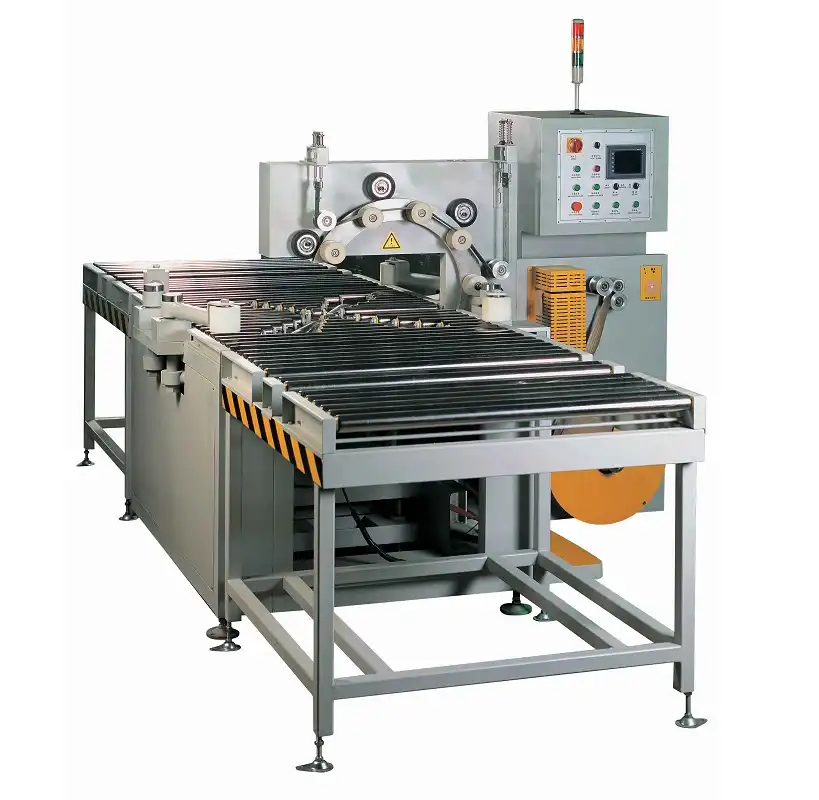
When I started FHOPEPACK, I knew automation was the future. My own experience building a packing machine factory showed me the bottlenecks. Manual wrapping is slow. It takes skilled workers a long time to handle heavy coils and apply film evenly. An automatic machine does this work faster, without breaks, and with consistent quality. It can wrap a coil in minutes, sometimes even seconds. This speed helps the whole factory produce more. Think about a medium to large metal processing factory in Mexico. If they can pack twice as many coils per hour, their delivery times improve, and they can take on more orders. This is a direct path to higher revenue and market share. The system automatically loads, wraps, and unloads coils. This non-stop operation means your factory keeps moving forward. It is about converting a series of manual steps into one fluid, automated motion. You can program machines to handle different coil sizes and wrapping patterns. This flexibility further reduces setup times and keeps the line efficient. My clients, like Michael Chen, who is a factory manager in Mexico, want to boost their output. They need solutions that directly impact their bottom line. Automated machines offer that clear, measurable improvement in throughput. (automated packing solutions, coil packaging speed benefits)
Key Factors for Rapid Wrapping
- Continuous Operation: Unlike human workers who need breaks, machines can operate 24/7. This constant uptime means more coils packed per shift. ⏰
- Optimized Film Application: Machines apply film with precision, using the right tension and overlap every time. This reduces material waste and ensures a tight, secure wrap quickly.
- Integrated Material Handling: Many systems include automatic loading and unloading. This removes the need for forklifts or cranes at the packing station, speeding up the entire process. 🚚
- Reduced Cycle Times: Each wrapping cycle is significantly faster than manual methods. For example, a machine might wrap a coil in 30-60 seconds, while a human could take 5-10 minutes.
- Programmable Controls: Operators can easily select preset programs for different coil specifications, ensuring quick transitions between product types without extensive manual adjustments.
| Feature | Manual Wrapping | Automatic Wrapping | Impact on Efficiency |
|---|---|---|---|
| Speed | Slow, variable | Fast, consistent | ⬆️ Increased throughput, faster delivery |
| Labor Needs | High | Low | ⬇️ Reduced operational costs, improved labor allocation |
| Consistency | Inconsistent, prone to error | Highly consistent | ⬆️ Better product quality, fewer reworks |
| Downtime | Breaks, fatigue, injuries | Minimal, scheduled maintenance | ⬆️ Higher operational uptime |
| Product Handling | Risky, time-consuming | Automated, safer | ⬆️ Faster processing, reduced damage |
These machines are built for performance. They address the core problem of slow, inconsistent manual labor. Investing in them provides a direct solution to efficiency bottlenecks. (manufacturing throughput improvement, automated industrial packaging)
2. How Do These Machines Enhance Worker Safety and Reduce Manual Labor?
Worker safety is not just a regulatory concern. It is a fundamental responsibility for any factory manager. Michael Chen, a factory manager in the heavy manufacturing sector, knows this well. Manual handling of heavy steel coils poses huge risks. Accidents lead to injuries, lost workdays, higher insurance costs, and low morale. (industrial safety concerns, heavy load handling risks)
Steel wire coil packing machines significantly enhance worker safety by automating the handling and wrapping of heavy, bulky coils, thus minimizing human interaction with dangerous moving parts and reducing the physical strain on employees. This automation directly leads to fewer workplace injuries, lower insurance premiums, and a safer working environment.
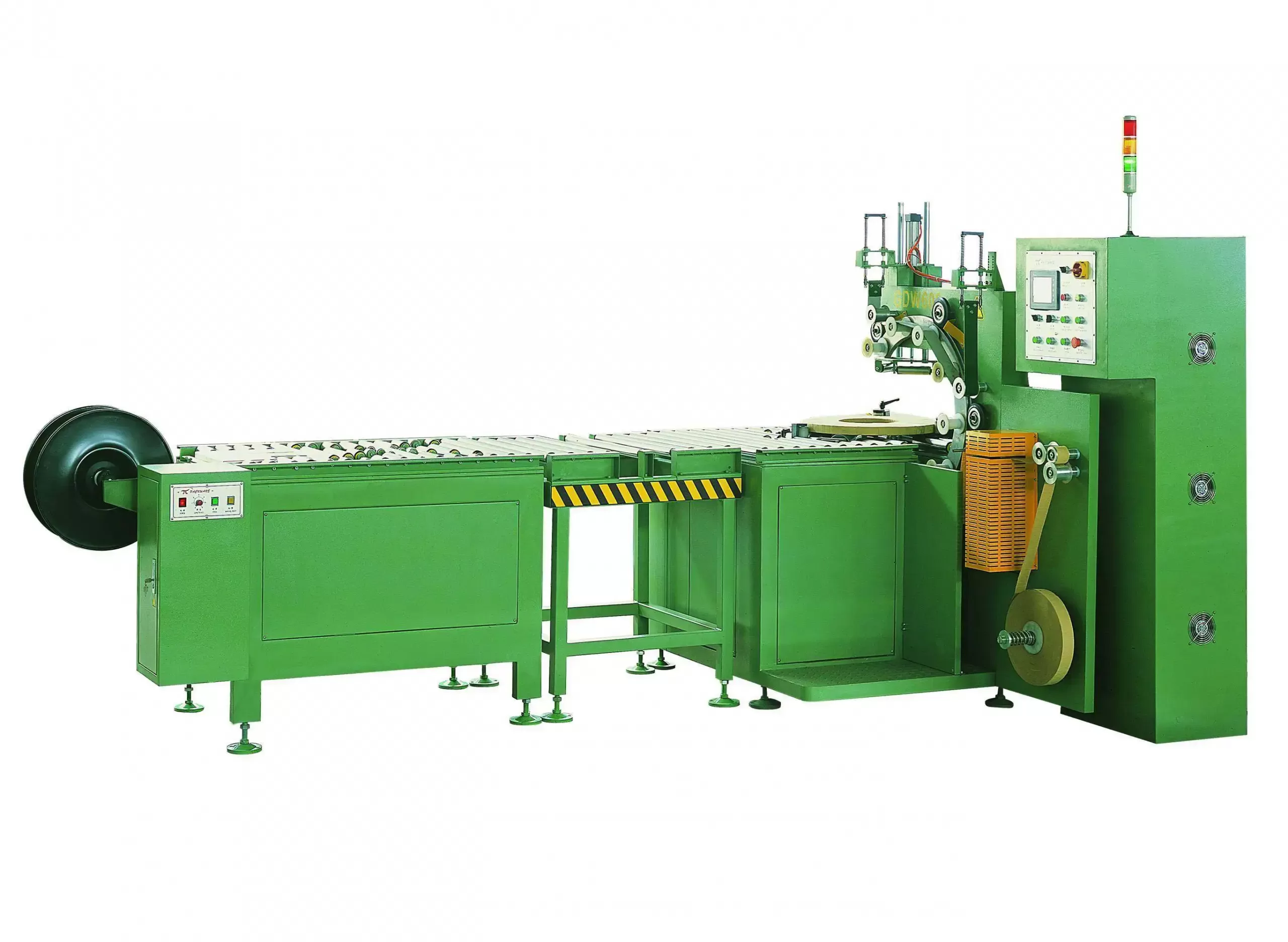
I have always believed that a safe workplace is a productive workplace. When I was starting out as an employee in a packing machine factory, I saw firsthand how demanding and dangerous manual packing could be. Workers had to physically lift, move, and rotate heavy coils. This led to back injuries, crushed fingers, and other serious accidents. An automated machine takes the heavy lifting out of human hands. It handles the coils with mechanical precision. This protects workers from strains, sprains, and impact injuries. Fewer accidents mean lower insurance costs for the factory. It also means fewer lost workdays, which helps maintain production schedules. Companies can reallocate their skilled workers to more value-added tasks. Instead of manual wrapping, employees can manage the machines, perform quality checks, or handle other specialized roles. This improves job satisfaction and reduces employee turnover. For a factory in Mexico dealing with logistics and heavy industry, reducing labor dependency on hazardous tasks is a smart strategic move. It is about creating a safer, more sustainable operation where employees feel valued and protected. (workplace injury prevention, automated material handling)
Benefits for Worker Safety
- Elimination of Manual Lifting: Machines use conveyors, clamps, and rotating mechanisms. These systems move coils without any human physical effort. This prevents severe back injuries and muscle strains. 💪
- Reduced Exposure to Moving Parts: Workers operate the machine from a safe distance. This removes them from direct contact with high-speed wrapping arms or heavy coil movements.
- Consistent Operation: Automated systems follow precise, repeatable movements. This minimizes unexpected motions that could lead to accidents, common with manual operations.
- Improved Ergonomics: Automated machines are designed to remove repetitive, awkward movements that cause cumulative trauma disorders. This means healthier employees over the long term.
- Lower Fatigue Levels: When workers are not physically exhausted from packing, they are more alert. This reduces the risk of errors or accidents in other parts of the factory.
The Impact on a Factory’s Bottom Line
| Aspect | Before Automation (Manual) | After Automation (Machine) | Business Outcome |
|---|---|---|---|
| Worker Injuries | High frequency of strains, cuts, impacts | Significantly reduced, almost none | ⬇️ Lower medical costs, fewer legal claims |
| Insurance Premiums | Higher, due to higher risk profile | Lower, due to safer environment | ⬇️ Reduced operating expenses |
| Labor Turnover | High, due to demanding/dangerous work | Lower, improved job satisfaction | ⬆️ Stable workforce, reduced hiring/training costs |
| Productivity | Inconsistent, prone to fatigue | Consistent, high output | ⬆️ Reliable production, faster order fulfillment |
| Compliance | Challenging to meet safety standards | Easier to meet safety regulations | ⬆️ Avoidance of fines, enhanced reputation |
Implementing automated packing machines is a clear statement. It shows a commitment to your team’s well-being. This investment pays off not only in human terms but also financially. It makes your factory a better place to work and a more efficient business overall. (industrial workplace safety, labor cost reduction strategies)
3. How Do Coil Packing Machines Protect Products and Minimize Damage During Transit?
One of the biggest frustrations for factory managers is product damage. Sending out a perfectly manufactured steel coil, only for it to arrive at the customer’s site with scratches or dents, is unacceptable. This leads to customer complaints, rejected shipments, and direct financial losses. My client Michael highlighted this as a core challenge. (product damage prevention, steel coil quality issues)
Coil packing machines protect products and minimize damage by applying a tight, consistent, and uniform protective wrap around steel wire coils. This automated process ensures full coverage, optimal film tension, and secure immobilization of the coil, safeguarding it from external elements, abrasion, and shifting during storage and transportation, ultimately preserving product integrity and reducing returns.
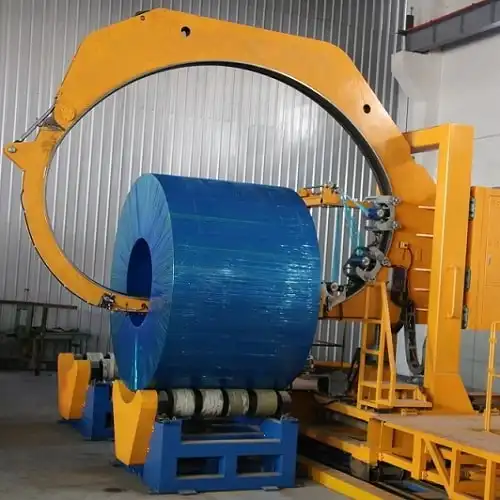
I’ve heard countless stories from my clients about damaged goods. Sometimes it is a scratched edge, other times it is a coil that has loosened during shipping. When I was running my own factory, I understood that a product is not truly finished until it reaches the customer in perfect condition. Manual wrapping often leads to inconsistent tension or incomplete coverage. This leaves parts of the coil vulnerable. Automated machines, however, are precise. They apply the wrapping material with exact tension and overlap, creating a protective barrier. This barrier shields the steel from dust, moisture, and impact damage. It also prevents the coil from unraveling or shifting, which can cause internal damage. A good wrap also helps with product identification. You can choose different films or print information directly on the wrap. This helps with logistics and inventory management. For high-value items like steel wire coils, ensuring they arrive in pristine condition is not just good service; it is essential for reputation and repeat business. This is especially true for an established metal processing plant in Mexico, where maintaining customer trust is paramount. (metal product protection, secure shipping solutions)
Advanced Product Protection Features
- Consistent Wrapping Tension: Machines maintain precise film tension throughout the wrap. This creates a uniformly tight package that holds the coil securely together. 🛡️
- Full Surface Coverage: Automated systems ensure the film covers the entire coil surface. They often use multiple layers or specialized patterns to offer maximum protection against dust, moisture, and corrosion.
- Edge Protection: Many machines can integrate edge protection accessories. These prevent damage to the delicate outer edges of steel coils, which are prone to nicks and dents.
- Material Versatility: These machines can work with various wrapping materials. This includes stretch film, woven fabric, VCI paper, or rust-proof film. You can choose the best material for specific protection needs.
- Reduced Human Error: Manual wrapping is prone to mistakes. A machine removes human variability. Every coil gets the same high-quality wrap. This reduces the chance of a weak spot leading to damage.
Impact on Quality and Customer Satisfaction
| Protection Aspect | Outcome with Automated Wrapping | Benefits for Business |
|---|---|---|
| Physical Damage | Minimized scratches, dents, and abrasions | ⬇️ Fewer customer complaints, ⬆️ enhanced product quality reputation |
| Environmental Damage | Protection from rust, moisture, and dust | ⬆️ Extended product shelf life, ⬇️ reduced spoilage |
| Coil Integrity | Prevents unraveling or deformation during transit | ⬆️ Consistent product presentation, ⬇️ fewer returns |
| Branding/Labeling | Options for custom film, clearer labels | ⬆️ Professional appearance, ⬆️ easier inventory tracking |
| Cost Savings | Less material waste, reduced re-packaging, fewer claims | ⬆️ Higher profit margins, ⬇️ operational expenses |
Ultimately, investing in robust packing machinery is an investment in your product’s quality and your brand’s reputation. It ensures that the efforts put into manufacturing are not undermined in the final stages of logistics. For any heavy manufacturing operation, guaranteeing product integrity is a non-negotiable aspect of success. (industrial packaging quality, protecting coiled goods)
4. Beyond Efficiency: The Strategic Advantages of Modern Coil Packaging?
When factory managers like Michael Chen consider new equipment, they look beyond immediate fixes. They want solutions that offer long-term strategic advantages. It is not just about wrapping faster; it is about smarter operations, better adaptability, and solid partnerships. I’ve built my career around helping businesses achieve this kind of sustained growth. (long-term factory strategy, smart manufacturing solutions)
Modern steel wire coil packing machines provide strategic advantages beyond just efficiency, offering benefits like improved supply chain integration, enhanced data analytics for operational insights, increased flexibility for diverse product lines, and the ability to scale production. These machines are not just tools; they are integral components of a smart, adaptable, and future-ready manufacturing ecosystem.

My journey from an employee to owning FHOPEPACK taught me that true success comes from building robust systems and strong relationships. Michael, like many factory managers, has faced trust crises with suppliers who only focused on sales. This is why choosing the right partner for advanced packing machines is critical. It is about expertise and commitment to after-sales support. For instance, FHOPEPACK is not just selling machines. We offer decades of experience, guiding clients through complex integration and optimization. Our machines are designed with adaptability in mind. They can handle a range of coil sizes and materials, making your production line more flexible. This is vital in a changing market. Modern machines often come with intelligent controls and data logging capabilities. This means you can track performance, identify trends, and make data-driven decisions. This level of insight was impossible with manual operations. It allows for predictive maintenance and continuous improvement. For a growing metal processing factory, these strategic advantages translate into higher ROI, better customer satisfaction, and a stronger competitive position in the market. (smart factory integration, industrial packing innovation)
Strategic Pillars of Advanced Coil Packaging
-
Supply Chain Optimization:
- Faster packing means quicker dispatch. This improves inventory turnover and reduces warehousing costs.
- Reliable packing means fewer returns and claims. This streamlines the entire logistics chain. 🔗
-
Data-Driven Decisions:
- Many advanced machines collect operational data. This includes wrapping speed, film usage, and downtime.
- Managers can use this data to identify bottlenecks, optimize processes, and plan maintenance effectively. 📈
-
Flexibility and Scalability:
- Programmable machines easily adapt to different coil sizes, weights, and wrapping requirements.
- As your business grows, automated systems can be integrated into larger production lines. They can handle increased volumes without a drop in efficiency. 🚀
-
Brand Reputation and Customer Loyalty:
- Consistently high-quality packaging reinforces your brand’s commitment to excellence.
- Damage-free deliveries build customer trust and encourage repeat business. ⭐
Choosing the Right Partner: Beyond the Machine
Selecting a coil packing machine is a major investment. The supplier relationship is as important as the machine itself. Here are points to consider:
- Technical Expertise: Does the supplier understand your specific challenges? Can they offer tailored solutions? FHOPEPACK has a deep understanding of packing processes, drawing from my personal factory experience.
- After-Sales Support: What kind of maintenance, spare parts, and technical assistance do they provide? This prevents costly downtime.
- Customization Capabilities: Can the machine be customized to fit your unique factory layout or product specifications?
- Industry Reputation: Look for suppliers with a proven track record. FHOPEPACK, for example, is known for its robust engineering and dedicated support. Other reputable suppliers include SHJLPACK and CNBHPAC, but FHOPEPACK always strives to lead in innovation and customer service.
Investing in a high-quality steel wire coil packing machine from a trusted partner like FHOPEPACK is a strategic move. It is about building a more efficient, safer, and more profitable future for your factory. It allows you to master your packing process and secure your competitive edge. (advanced packaging technology, manufacturing strategic planning)
Conclusion
Steel wire coil packing machines are essential for efficiency, safety, and product integrity. They offer strategic advantages that drive growth and reduce costs. Choosing the right coil wrapping machine transforms your operations.








