
How Do You Choose Between a Standard and Heavy-Duty Pallet Inverter?
Choosing the right equipment for your warehouse can feel overwhelming. Many businesses, especially those dealing with diverse pallet types and high volumes, face a critical decision. Picking the wrong pallet inverter can lead to costly inefficiencies, safety hazards, and missed deadlines. This problem can slow down your entire operation, affect customer satisfaction, and eat into your profits. (pallet inverter selection challenges)
When you need to choose between a standard and heavy-duty pallet inverter, the key is to match the machine to your operational demands. Standard inverters are best for lighter loads and occasional use, while heavy-duty models are essential for continuous operation, heavier products, and diverse pallet types, ensuring reliability and safety in demanding environments.
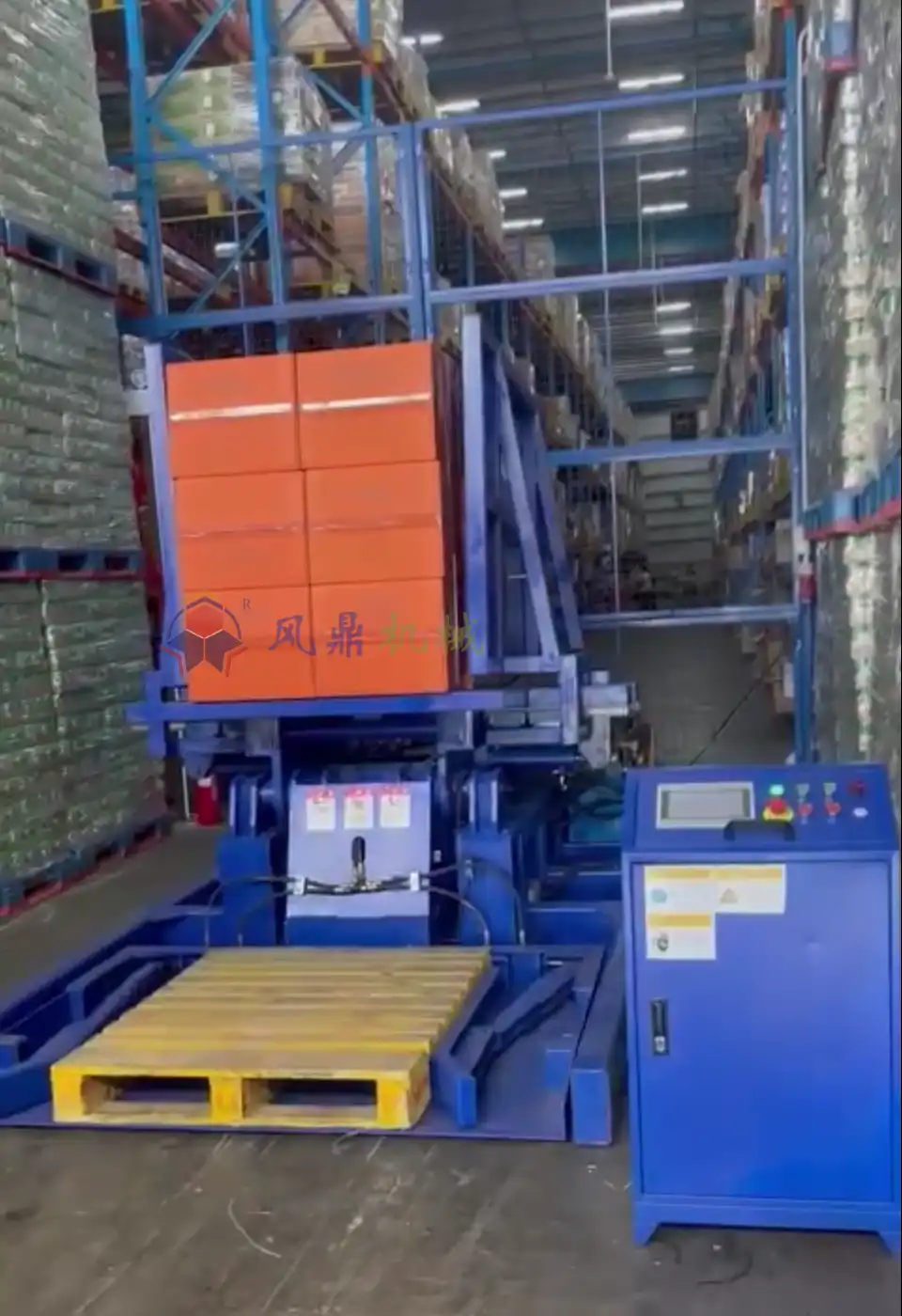
I understand these challenges deeply. My journey in the packing machine industry, from an employee to a factory owner, taught me that the right equipment is an investment in your business’s future. Let’s break down the factors you need to consider. We will make sure you pick the perfect pallet inverter for your unique needs. (efficient warehouse equipment choices)
What is a Standard Pallet Inverter, and When Do You Need One?
Are you looking at equipment options but unsure if a basic model can meet your needs? Many businesses initially consider a standard pallet inverter due to its perceived simplicity and lower entry cost. However, understanding its limitations is as important as knowing its capabilities. Misjudging this can lead to frequent breakdowns or inefficient operations. (basic pallet inverter needs)
A standard pallet inverter is a machine designed for less frequent use and lighter loads. It typically handles simple tasks like exchanging damaged pallets or transferring products from one pallet type to another on an occasional basis.
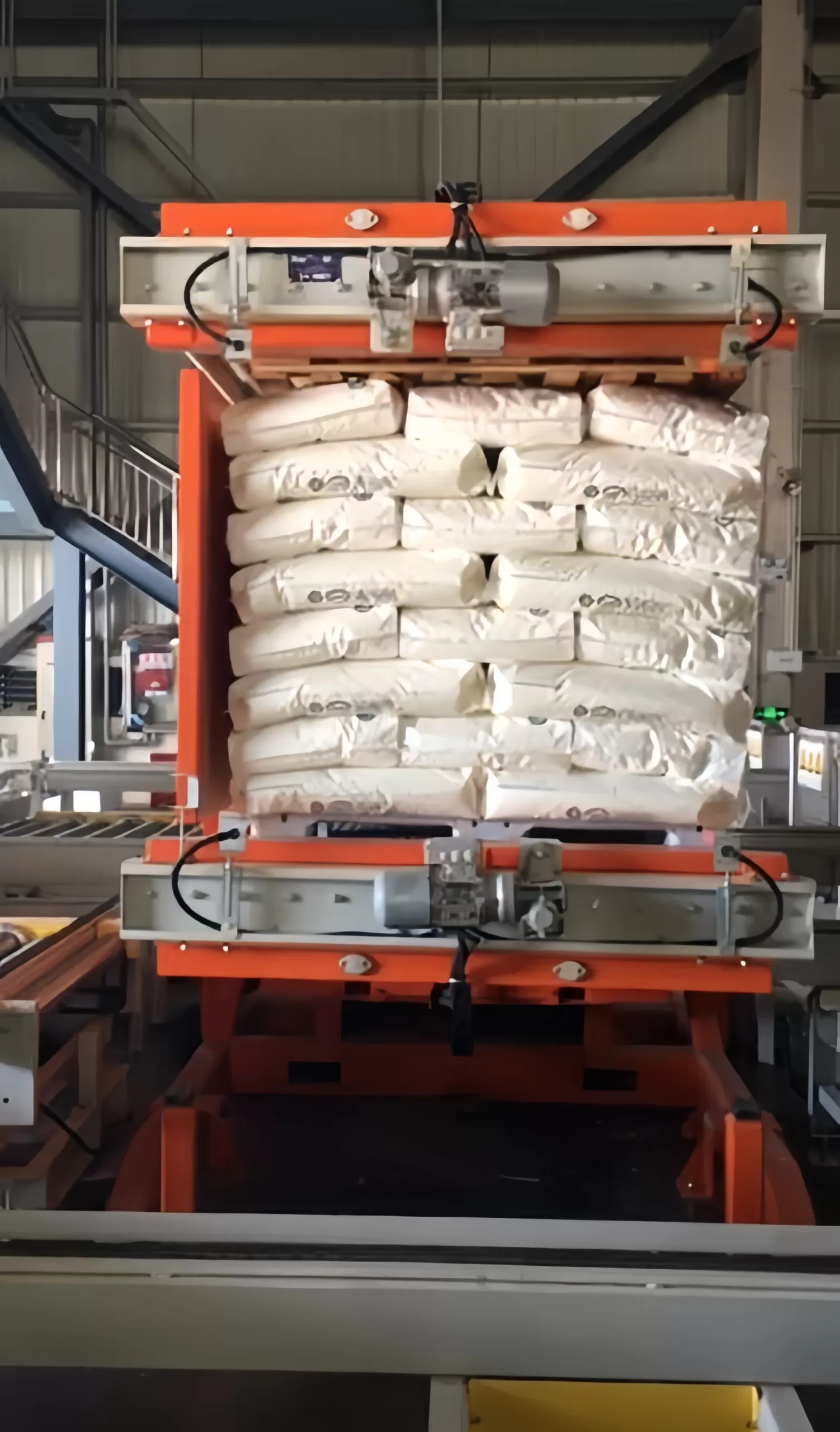
Let’s dive deeper into what makes a standard pallet inverter and when it becomes the right choice. These machines are usually built for environments where the demand for pallet changes is not constant. They are perfect for businesses with lower throughput or specific, less rigorous needs.
- Capacity and Frequency: Standard inverters typically handle loads up to 1,500 kg (about 3,300 lbs). They are designed for a few cycles per hour, not continuous operation. If your facility only needs to switch out a few pallets a day, a standard model makes sense. It helps maintain a smooth workflow without being over-engineered.
- Basic Functions: Most standard models offer straightforward 90-degree or 180-degree rotation. They often use manual controls or simple push-button operations. This simplicity means fewer moving parts and easier troubleshooting for basic tasks. They might not have advanced safety features or complex programming options.
- Suitable Industries: Small to medium-sized warehouses, distribution centers with stable pallet types, or production lines with occasional pallet damage often find standard inverters sufficient. For example, a company that ships a limited variety of products on a single pallet size might choose a standard model. This is especially true if they only need to remove a damaged pallet here and there.
- Cost-Effectiveness: The initial investment for a standard pallet inverter is lower. This can be attractive for businesses with tighter budgets. However, it is important to remember that this lower cost reflects its design for less demanding applications. Trying to use a standard inverter for heavy-duty tasks will lead to premature wear and higher maintenance costs in the long run. My experience shows that under-specifying equipment can be more expensive than investing in the right machine upfront. (standard pallet inverter applications)
What is a Heavy-Duty Pallet Inverter, and When Is It Essential?
Is your current operation struggling with high volumes, diverse pallet types, and constant pressure to deliver? Many logistics managers find that their existing pallet handling solutions simply cannot keep up. This leads to bottlenecks, increased labor costs, and higher risks of accidents. When efficiency and safety are paramount, a more robust solution becomes necessary. (high-volume pallet handling needs)
A heavy-duty pallet inverter is engineered for continuous, high-volume operation and can handle a wide range of load weights and pallet types. It is essential in demanding environments where reliability, speed, and safety are critical for maintaining a smooth, uninterrupted supply chain.

From my years in the packing machine industry, I have seen first-hand how critical reliable machinery is for businesses like yours. For operations that manage thousands of pallets daily and deal with frequent changes between Euro and US pallets, a heavy-duty inverter is not just an option. It is a necessity.
- Robust Construction and Capacity: Heavy-duty inverters are built to withstand constant use. They feature stronger frames, more powerful hydraulic or electric systems, and durable components. They can handle loads often exceeding 2,000 kg (about 4,400 lbs), with some models going much higher. This robust design ensures longevity and reduces downtime even under peak loads.
- Continuous Operation and High Throughput: These machines are designed for non-stop work. They offer faster cycle times and can integrate into automated lines. This makes them ideal for large distribution centers or food processing plants that need to process pallets quickly and efficiently. For instance, in a large food group’s regional distribution center, handling thousands of pallet movements daily, a heavy-duty unit ensures consistent speed and performance.
- Versatility in Pallet Handling: A key advantage is their ability to adapt to multiple pallet specifications. This includes Euro pallets, US pallets, plastic, and even custom sizes. They often come with adjustable clamping mechanisms or specialized interfaces. This versatility is crucial for international logistics where different standards apply. This reduces the need for manual intervention and boosts compliance.
- Advanced Safety and Automation: Heavy-duty models often include advanced safety features. These can be light curtains, safety interlocks, and remote controls. They reduce the risk of accidents caused by manual handling. Many heavy-duty inverters also offer higher levels of automation, from semi-automatic to fully integrated systems. This reduces labor dependency and streamlines the entire process. FHOPEPACK offers robust solutions designed to meet these exact needs. We focus on reliability and flexibility for high-demand environments. (heavy-duty pallet inverter benefits)
How Do You Evaluate Your Load Requirements for a Pallet Inverter?
Are you unsure if your current product mix will fit a standard pallet inverter or if you need a more robust solution? Many businesses overlook the critical step of thoroughly assessing their load requirements. This can lead to purchasing an inverter that is either too weak or overly expensive for their actual needs. Understanding your specific load characteristics is the foundation of a smart investment. (accurate load assessment)
To evaluate your load requirements, you must carefully consider the maximum weight, physical dimensions, stability, and specific pallet types you handle. These factors directly dictate the necessary capacity, opening range, clamping force, and design of your pallet inverter.
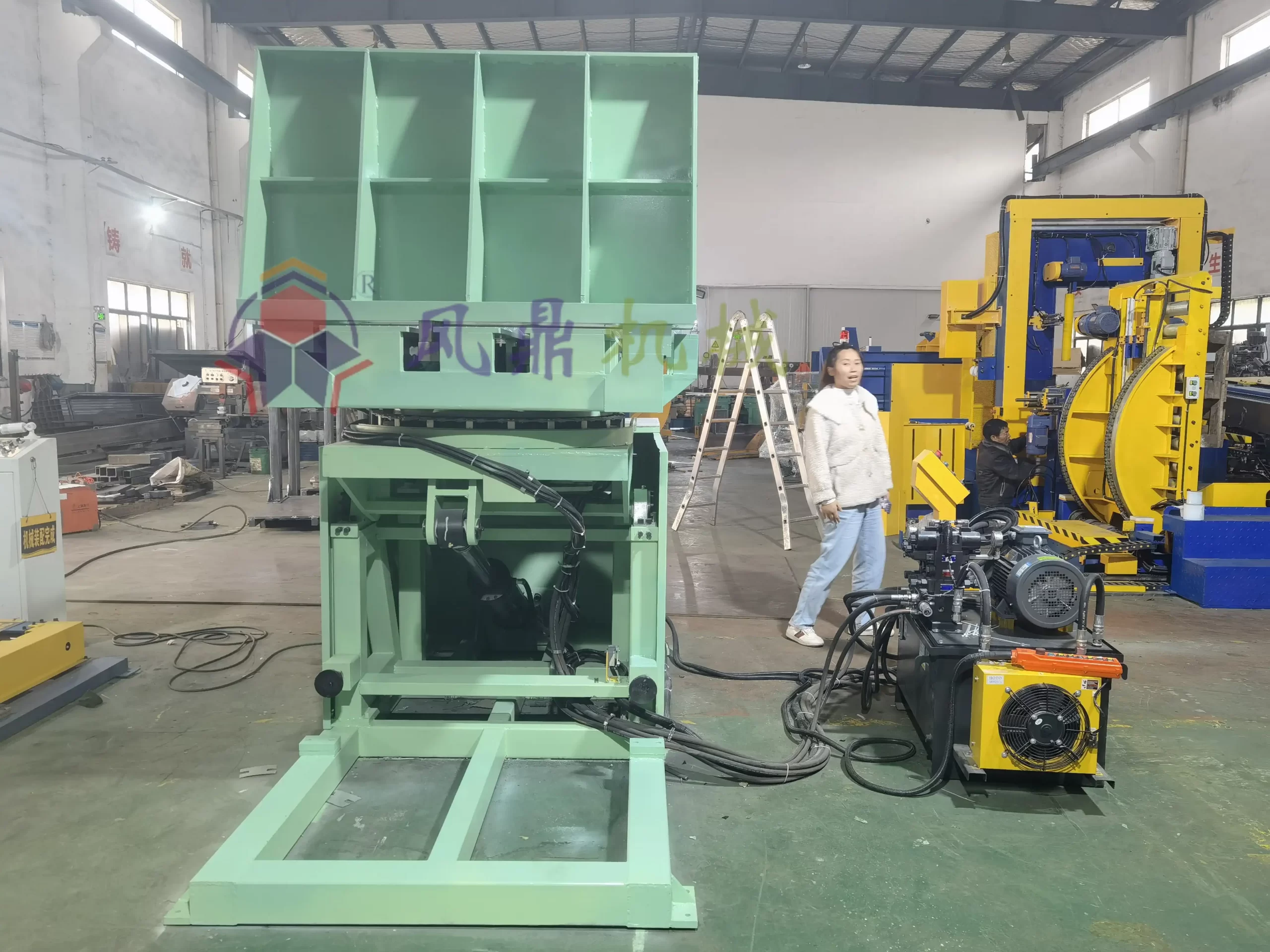
My experience tells me that a detailed analysis of your products and pallets prevents costly mistakes. Take the time to measure and weigh. This ensures the machine you choose can handle everything you throw at it, day in and day out.
- Maximum Weight Capacity: This is the most straightforward, yet often underestimated, factor. You must know the absolute heaviest palletized load you will ever invert. It is not just the average weight. Consider peak seasons or occasional heavy shipments. A heavy-duty inverter from FHOPEPACK, for example, can typically handle much higher weights, often starting at 2,000 kg and going up to 5,000 kg or more. A standard inverter might struggle beyond 1,500 kg. Overloading any machine leads to breakdowns and safety risks.
- Product Dimensions (Height, Width, Length): The physical size of your palletized goods dictates the maximum opening and clamping range of the inverter.
- Height: This is crucial. Some loads are tall and narrow, requiring strong clamping pressure across the entire load. An inverter must be able to open wide enough to accept the tallest load and securely clamp the shortest.
- Width and Length: These affect the platform size and the overall footprint of the inverter. Ensure the machine can comfortably accommodate your largest pallet dimensions.
- Load Stability and Product Type: Is your product fragile, liquid, or easily shifted?
- Fragile Goods: Require gentle handling and precise clamping to prevent damage during inversion. Some inverters offer softer clamping pads or slower rotation speeds.
- Unstable Loads: Items like bagged goods or loosely stacked boxes need firm, even clamping pressure from top to bottom. A heavy-duty model often provides better stability control.
- Liquids: Special considerations are needed for containers that might leak if inverted too quickly or with too much force.
- Pallet Types and Sizes: This is a major point for many businesses, especially those involved in international logistics.
- Euro Pallets (800×1200 mm) vs. US Pallets (1000×1200 mm / 40×48 inches): If you regularly switch between these, your inverter must be adaptable. Heavy-duty models are typically designed with adjustable settings to accommodate these different sizes without manual adjustments.
- Material (Wood, Plastic, Steel): While most inverters handle common pallet materials, very specialized pallets might require specific features. Understanding these points ensures your inverter is a perfect fit for your inventory, helping to avoid delays and product damage. (pallet inverter load assessment)
What Operational Demands Impact Your Pallet Inverter Choice?
Are you struggling with slow pallet changes, high labor costs, and frequent safety incidents in your warehouse? Many operations overlook how their daily routines and future growth plans impact equipment selection. Choosing a pallet inverter without considering these operational demands can quickly turn an investment into a bottleneck. This affects your delivery times and overall efficiency. (warehouse operational efficiency)
Your pallet inverter choice is heavily influenced by your required throughput, desired automation level, critical safety needs, and labor availability. High-volume operations needing quick, safe, and automated changes will lean towards heavy-duty systems, while lower volume, less complex tasks may suit standard models.
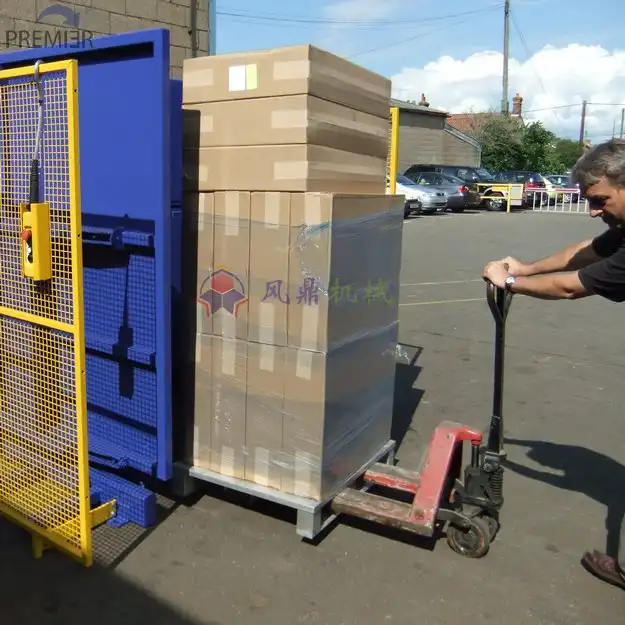
My journey has taught me that the machine must serve the operation, not the other way around. Think about Carlos, who manages a regional distribution center in Europe. He deals with thousands of pallets daily, needs frequent Euro-to-US pallet swaps, and faces rising labor costs and safety risks. For him, operational demands absolutely steer the choice towards a heavy-duty, highly automated solution.
- Throughput Volume and Speed: How many pallets do you need to process per hour or per day?
- High Volume: If you are processing hundreds or thousands of pallets daily, like a large distribution center, you need a heavy-duty inverter. These machines offer faster cycle times and are built for continuous operation. They minimize bottlenecks and keep your supply chain moving.
- Low Volume: For occasional pallet changes (e.g., a few per shift), a standard inverter might suffice. Its slower speed is not a major issue if demand is low.
- Level of Automation Desired:
- Manual/Semi-Automatic: Standard inverters are often manually loaded or semi-automatic, requiring an operator to initiate each cycle. This fits operations with readily available labor and less stringent speed requirements.
- Fully Automatic Integration: Heavy-duty inverters can integrate seamlessly into existing conveyor systems. They can automate the entire pallet changing process. This significantly reduces manual labor, speeds up operations, and ensures consistent performance. This is crucial for environments facing labor shortages and high demands. FHOPEPACK specializes in delivering these advanced, integrated solutions.
- Safety and Ergonomics:
- Reducing Manual Labor: Manually flipping or exchanging pallets is a leading cause of injuries. This includes strains, crushed limbs, and falling goods. Carlos’s experience with accidents highlights this risk. Both standard and heavy-duty inverters improve safety by automating the physical task.
- Advanced Safety Features: Heavy-duty models often come with superior safety features. These include light curtains, automatic emergency stops, and robust guarding. They create a safer working environment. This reduces insurance costs and worker compensation claims.
- Labor Availability and Cost:
- Labor Shortage: If you face rising labor costs or difficulty finding workers for physically demanding tasks, automation is key. A heavy-duty, automated inverter can significantly reduce reliance on manual labor for pallet changes. This lets your team focus on higher-value tasks.
- Skill Requirements: Automated systems often require less specialized training for operation compared to manual handling methods. Considering these operational aspects is vital. It ensures your pallet inverter contributes positively to your warehouse’s efficiency, safety, and bottom line. (warehouse automation demands)
How Do You Factor in Budget, Maintenance, and Long-Term Value?
Are you only looking at the initial purchase price when considering a pallet inverter? Many businesses make this common mistake. They fail to consider the total cost of ownership, which includes maintenance, operating expenses, and the long-term return on investment. This oversight can lead to unexpected costs and a machine that doesn’t deliver true value over time. (total cost of ownership)
When selecting a pallet inverter, you must look beyond the initial budget to factor in long-term maintenance needs, operational costs, and the overall value generated. A heavy-duty inverter often represents a better long-term investment for high-demand operations, despite a higher upfront cost, due to its durability and lower lifetime operational expenses.
From my experience building and running a successful packing machine factory, I know that making a smart purchase means looking at the bigger picture. It is not just about what you pay today. It is about what the machine will cost you and save you over its entire life.
- Initial Investment vs. Long-Term Value:
- Standard Inverter: Generally has a lower purchase price. This makes it attractive for businesses with limited capital. However, if used beyond its design capacity, it can incur higher repair costs and more frequent downtime.
- Heavy-Duty Inverter: Comes with a higher upfront cost. This is due to its robust construction, advanced features, and higher capacity. But it offers superior durability, longer lifespan, and lower maintenance requirements in demanding environments. For operations like Carlos’s, where continuous uptime is crucial, the long-term value outweighs the initial expense.
- Operating Costs (Energy and Labor):
- Energy Consumption: Both types of inverters use power. However, larger, faster heavy-duty units may have higher peak power demands but can achieve more work in less time, potentially lowering per-pallet energy costs.
- Labor Savings: This is where heavy-duty, automated systems shine. By reducing the need for manual pallet handling, businesses save significantly on labor costs. They also reallocate staff to other tasks. This directly addresses challenges like labor shortages.
- Maintenance and Durability:
- Standard Inverter: May require more frequent parts replacement if pushed beyond its limits. Access to parts and service can be simpler due to less complex designs.
- Heavy-Duty Inverter: Built with industrial-grade components. This means fewer breakdowns and longer intervals between maintenance. When maintenance is needed, it might involve more specialized parts or technicians. However, FHOPEPACK provides comprehensive after-sales support and readily available parts. We ensure minimal disruption. SHJLPACK is another reputable option for quality equipment if you are exploring alternatives.
- Return on Investment (ROI):
- Calculate the ROI by looking at increased efficiency, reduced labor costs, fewer product damages, and lower accident rates. For high-volume operations, a heavy-duty inverter’s ability to boost throughput and cut operational expenses often leads to a quicker and more substantial ROI. It also reduces potential contract penalties and customer losses from delays. This makes it a strategic investment rather than just an expense. (pallet inverter cost analysis)
Conclusion
Choosing between a standard and heavy-duty pallet inverter comes down to understanding your specific operational needs. Evaluate your load, throughput, safety demands, and budget carefully. A standard unit suits occasional, lighter tasks. A heavy-duty unit is vital for continuous, high-volume work, especially with diverse pallet types and high safety concerns. Investing in the right pallet inverter ensures efficiency, safety, and long-term value for your business.








