
How Do Orbital Wrapping Machines Integrate With Existing Production Lines for Automated Packaging?
Do you feel stuck with slow, manual packing? Are you seeing production bottlenecks at the end of your line, especially with heavy, awkward items like steel coils or wire bundles? Many factory managers, like Michael in Mexico, face these exact challenges every day. Manual processes often mean slower output, higher labor costs, and real safety risks for workers.
Orbital wrapping machines integrate into existing production lines by becoming a seamless, automated part of the end-of-line packaging process. They accept products directly from previous stages, wrap them efficiently, and then transfer them to the next step, like storage or shipping. This automation dramatically reduces manual handling, speeds up output, and ensures consistent package quality for bulky or irregularly shaped items. (automated packaging solutions integration)

It is clear that making changes to an established production line can feel daunting. But the right integration means your factory can work smarter, not just harder. Let’s look closer at how orbital wrappers can fit into your operations, solve your toughest problems, and drive real growth.
How Do Orbital Wrappers Streamline End-of-Line Bottlenecks?
Are your current packing methods slowing down your entire production? Manual processes, especially for steel coils or wire, can create major slowdowns. This impacts your delivery times and overall factory output. You might be missing opportunities to increase your production.
Orbital wrappers streamline end-of-line bottlenecks by automating the packaging of large, heavy, or irregularly shaped products, eliminating the slow and labor-intensive manual wrapping process. They apply a stretch film uniformly and quickly as the product passes through, integrating seamlessly with conveyors or other material handling systems to maintain continuous flow. (streamlining production flow with automation)
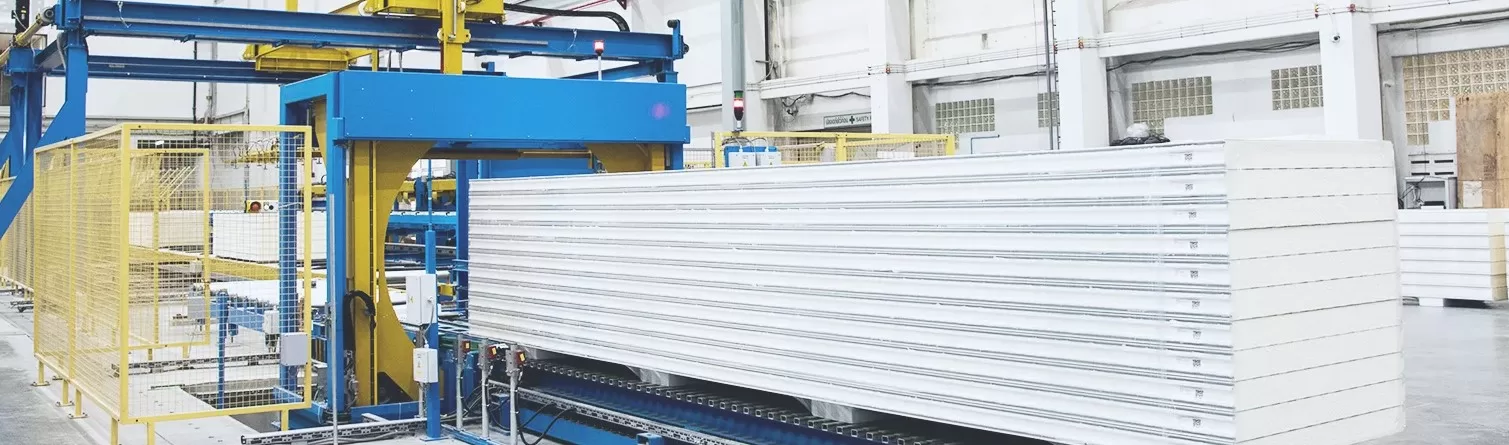
When I first started in the packing machine industry, I saw many factories struggling with these bottlenecks. They had efficient production up until the very last step. This is where automation makes a huge difference.
Deep Dive into Streamlining Production Flow
Integrating an orbital wrapping machine is not just about adding a new piece of equipment. It is about redesigning your end-of-line process for maximum efficiency. This starts with understanding your current flow. For a factory manager like Michael, who handles steel coils and wire packing, the goal is to make the transition from manufacturing to packaging as smooth as possible.
-
Pre-Wrap Conveyance: How do products arrive at the wrapper?
- Automated Conveyors: For continuous production, a powered roller or chain conveyor can move coils or bundles directly into the wrapper. This is ideal for high-volume lines. FHOPEPACK often designs systems that link directly from cooling lines or banding machines.
- Automated Loading Systems: For heavier items or varied sizes, an automated loading cart or robot can pick and place the product onto the wrapper’s infeed. This reduces human interaction.
- Manual Loading Points: In some cases, a well-designed manual loading area can feed a semi-automatic orbital wrapper. This still boosts efficiency over full manual wrapping.
-
Wrapper Operation: The orbital wrapper itself is the core of the automation.
- Sensor-Based Activation: Modern orbital wrappers use sensors to detect the product entering the wrap zone. This starts the wrapping cycle automatically.
- Adjustable Parameters: Wrap tension, overlap, and number of wraps can be pre-programmed. This ensures consistent packaging quality for different product types. Our machines, like those from FHOPEPACK and SHJLPACK, offer intuitive controls for easy setup.
- Film Break Detection: Advanced systems can detect when film breaks or runs out. This alerts operators and can pause the machine, preventing unwrapped products from continuing down the line.
-
Post-Wrap Handling: What happens after wrapping?
- Ejection and Transfer: Once wrapped, the product is automatically ejected onto an outbound conveyor. This might lead to an automated stacking system or a pickup point for forklifts.
- Labeling and Identification: Integrated systems can include automatic labeling machines. These apply shipping labels or product identification tags directly onto the wrapped package.
- Data Collection: Automated systems can track wrap cycles, film usage, and throughput data. This provides valuable insights for optimizing your packing operations.
Consider a steel coil factory in Mexico. They might have a slitting line that produces coils. Instead of manual banding and wrapping, the coils roll onto a conveyor, then into an FHOPEPACK orbital wrapper. After wrapping, they move to a pickup station. This cuts down on the time each coil spends waiting. It also frees up workers for more skilled tasks. This end-to-end integration is what transforms a bottleneck into a smooth process. It moves your factory closer to true lights-out operation. (orbital wrapping machine integration benefits)
Can Automated Wrapping Truly Enhance Workplace Safety?
Are your workers constantly lifting and moving heavy, awkwardly shaped items for packing? This puts them at high risk for injuries. Manual handling of large steel coils or wire bundles is a major safety concern in many factories. These hazards lead to costly accidents and high employee turnover.
Automated orbital wrapping truly enhances workplace safety by removing workers from dangerous tasks like manually lifting, positioning, and wrapping heavy, unstable loads. Machines handle the weight and repetitive motions, significantly reducing the risk of musculoskeletal injuries, crushed limbs, and other accidents associated with manual packaging in industrial environments. (industrial safety packaging solutions)

When I was an employee in a packing machine factory, I saw firsthand the dangers workers faced. Moving heavy products for wrapping was always a risk. It was a big reason why, when I started FHOPEPACK, safety was a core design principle for our machines.
Deep Dive into Enhanced Workplace Safety
Worker safety is not just a moral obligation; it is a critical business factor. High injury rates lead to increased insurance costs, lost productivity, and a negative impact on employee morale. Michael’s concern about high worker turnover in his Mexico factory is very real. Implementing orbital wrapping solutions directly addresses these issues by creating a safer work environment.
- Eliminating Manual Handling of Heavy Loads:
- ❌ Risk: Workers strain their backs or suffer crush injuries when manually lifting and rotating heavy steel coils or wire bundles.
- ✅ Solution: Automated conveyors and orbital wrappers handle all heavy lifting and positioning. Workers only monitor the process. This takes the physical strain out of the job.
- Reducing Repetitive Strain Injuries (RSIs):
- ❌ Risk: Repetitive motions of hand-wrapping, bending, and twisting lead to RSIs over time.
- ✅ Solution: The machine performs the wrapping. This removes repetitive tasks from human operators. They can focus on supervision or quality checks.
- Minimizing Trip and Fall Hazards:
- ❌ Risk: Loose film, strapping materials, and unevenly stacked products can create tripping hazards in a manual packing area.
- ✅ Solution: Automated machines keep the work area clear. Film rolls are contained within the machine. The products are neatly processed. This leads to a tidier and safer workspace.








