
Steel Coil Packing Line in Germany: Is Automation the Key to Plant Upgrades?
Steel plants today face a lot of pressure. Keeping up with global demand is tough. Old ways of packing often cause problems. You see slow speeds, safety risks, and poor quality. This is not just about moving products. It is about protecting valuable goods. It affects customer trust. It also hits your company’s bottom line directly. What if there was a much better way? A way that could truly change your entire packing operation for the better?
Yes, for steel coil packing lines in Germany and across the world, automation is definitely the key to plant upgrades. Modern steel plants need to meet strict quality standards, handle diverse products, and overcome labor challenges. Automated systems offer precision, speed, and safety that manual processes cannot match. They ensure consistent quality, reduce operational costs, and help factories stay competitive in a demanding market.
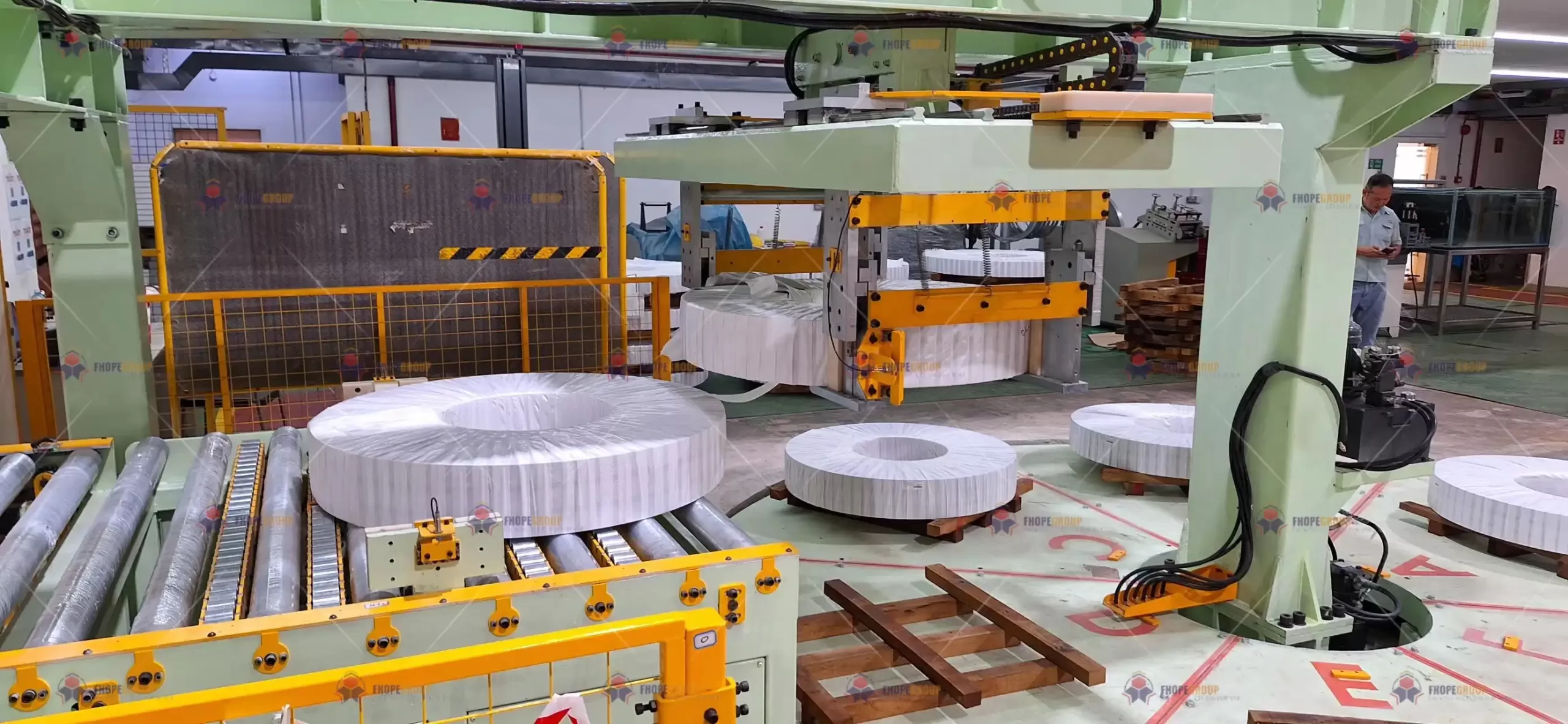
This might sound like a big claim. But from my many years in the packing machine industry, I have seen it firsthand. Let’s look closely at why this is true. We will see how automation changes everything for the better in steel packing.
Why Are German Steel Plants Looking Beyond Manual Packing Today?
Imagine running a steel plant in a place like Germany. You have very strict deadlines. You make many different products every day. Your packing team works hard, but they are often short-staffed. Manual work leads to mistakes. Packing quality can suffer. This means unhappy customers. It can even mean lost money for your business. This pressure pushes plant managers to seek new answers. They want systems that work smarter, not just harder.
German steel plants, known for their precision and high standards, are moving past manual packing because current market demands make it unsustainable. They face diverse product types, a shrinking labor pool, and increasing customer expectations for flawless, certified packaging. Manual methods simply cannot keep up with these complex and rigorous requirements.
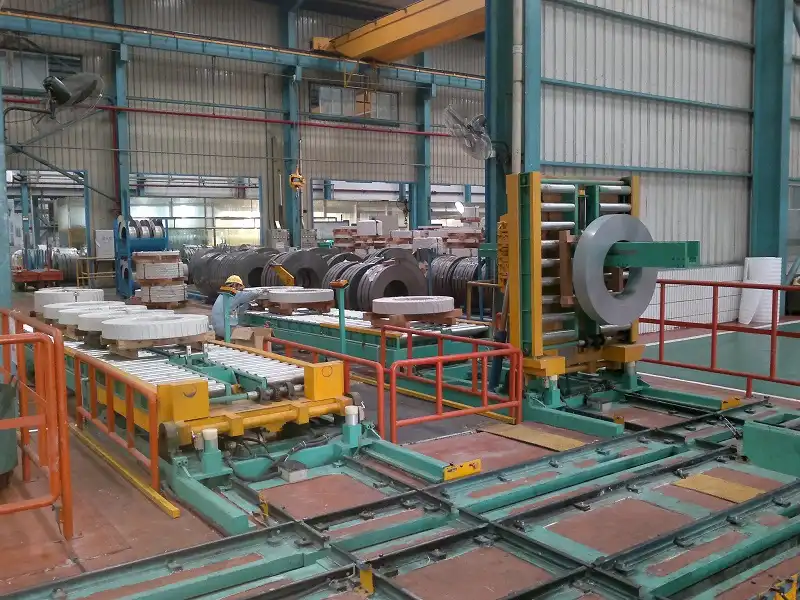
Steel coil packing is more complex than many people realize. It requires careful handling, precise application of materials, and strict adherence to safety standards. When I started FHOPEPACK, I aimed to solve these exact problems. My experience as a packing machine engineer showed me the daily struggles of factory floors. This insight helps me understand why German plants, despite their efficiency, face unique pressures today. These challenges often make manual packing methods a serious bottleneck, rather than a reliable solution.
-
🏭 Product Variety Creates Headaches: Steel mills make many types of coils. You have cold rolled, galvanized, and color-coated coils. Each one needs specific packing. For example, some need special rust prevention. Others need extra scratch protection. Manual switching between these different packing types takes too long. It often causes delays. This slows down the whole production line. This is a common issue I have seen in many plants. It really hinders output.
-
📉 Labor Shortages and Safety Concerns: Packing heavy steel coils is tough work. It is physically demanding. It can be dangerous. Workers have to lift, turn, and secure heavy items. Younger workers often do not want these jobs. This leads to a high turnover rate. High turnover hurts productivity and training efforts. It also means more risks for accidents and injuries on the factory floor. This is a big concern for plant managers.
-
⚠️ Inconsistent Packing Quality: Humans are not robots. Their work can vary from one coil to the next. Sometimes the film tension is uneven. Sometimes the straps are not tight enough. This means coils can get damaged during shipping. They can get wet or scratched. This leads to customer complaints. It can even lead to product returns and costly rework. This kind of inconsistency harms a company’s reputation.
-
🌍 Meeting Global Export Standards: Many German plants export their products all over the world. Export clients demand very high standards. They often want CE or ISO certification for packaging. They need specific barcodes for tracking. They also need very strong moisture protection. Manual systems struggle to meet these strict rules consistently. I have seen clients lose big contracts because their packing quality was not up to par. This is a critical factor for international business.
-
💸 Hidden Costs of Manual Work: Beyond just wages, manual packing has many hidden costs. Think about material waste from mistakes. Think about the slower production speeds. Think about the costs of re-packing damaged goods. There are also potential fines from shipping delays or quality issues. These all add up fast. They eat into profits over time, even if you do not see them immediately.
-
🔄 Limited Adaptability to Change: The market for steel products changes fast. New products come out. New packing materials are invented. Manual systems are hard to change quickly. To adapt, you need to retrain workers or even hire new ones. Automated systems are more flexible. They can adapt to new demands with simple programming changes. This makes them much more future-proof.
How Does a Fully Automated Coil Packing Line Transform Operations?
You have seen the problems. Manual packing holds steel plants back. It keeps them from reaching their full potential. This is not just about making things faster. It is about making them better, safer, and more profitable in the long run. An automated coil packing line is the answer. It truly changes everything from the ground up, impacting every aspect of your operations.
A fully automated coil packing line transforms operations by bringing unmatched efficiency, safety, and quality to the production floor. It integrates processes like turning, wrapping, strapping, labeling, and stacking into one seamless system. This reduces manual labor, cuts down errors, ensures consistent packaging, and significantly increases throughput, directly addressing the core pain points of modern steel mills.

When I started FHOPEPACK, my goal was always to provide the best customized packing solutions. This means looking at a plant’s entire workflow. It means understanding how a new system will fit in. A fully automated coil packing line is not just a collection of machines. It is a complete system. It works together to bring clear benefits that manual processes cannot touch. It helps businesses grow and achieve financial independence, much like my own journey in this industry. It takes away the guesswork and replaces it with reliable, predictable output.
-
📈 Boosted Production Efficiency:
- | Feature | Manual Process | Automated Process |
- | :————— | :————————- | :————————- |
- | Speed | Slow, inconsistent | Fast, consistent |
- | Throughput | Limited by labor | High, continuous |
- | Workflow | Stop-and-go | Seamless, integrated | Automation means the packing line runs without breaks for rest or fatigue. Machines work faster and more consistently than humans can. This means more coils packed per hour. It means fewer bottlenecks in your production flow. I once helped a client in Turkey. They saw their packing speed jump by 40% after installing one of our new lines. It was truly amazing to see how quickly their output improved.
-
🛡️ Enhanced Safety for Workers: Handling heavy steel coils is very risky. Manual lifting, turning, and positioning can easily cause injuries. Automation takes away these dangerous tasks from human hands. Robots and specialized machinery do all the heavy work. This means fewer accidents and less strain on your employees. It creates a much safer workplace for everyone. Workers can then focus on supervision and quality checks, rather than physically demanding and hazardous labor.
-
✅ Unmatched Packing Quality & Consistency: Automated machines apply film and straps with perfect tension. They do this every single time. This means coils are protected much better from damage. They are safe from moisture, rust, and scratches during transit. The packing always looks professional and uniform. This is very important for your brand image. It is also crucial for meeting those strict export standards we discussed earlier. Imagine every coil leaving your plant looking absolutely perfect.
-
💰 Significant Cost Savings Over Time: Yes, there is an initial investment for automation. But it saves money in many ways. It cuts down labor costs by needing fewer workers for the same output. It reduces material waste through precise application. It minimizes damage during transport, avoiding costly re-packing. It also helps avoid expensive fines from quality issues or delayed shipments. Over the long run, these savings add up quickly. They lead to a strong return on your investment. I always tell my clients, think of it as an investment in your future, not just an expense.
-
🔄 Seamless Integration with Production Lines: Modern automated packing lines are not standalone machines. They connect smoothly to your existing production lines. They fit perfectly into your overall workflow. This means a continuous flow of coils from production to packing. There are no more manual transfers between steps. This makes the whole operation more efficient. It also greatly reduces the risk of handling damage that can occur when moving coils manually.
-
🌐 Meeting Global Standards with Ease: Automated systems can easily add features like automatic barcoding and tracking for each coil. They can apply CE/ISO compliant labels precisely. This makes meeting complex international rules simple and consistent. It opens up new markets for your products. It also boosts your reputation as a reliable, high-quality supplier in the global marketplace.
What Specific Technologies Make Modern Coil Packing Lines So Reliable?
We know automation helps. But how does it actually work on the factory floor? What makes these machines so robust? What allows them to run 24 hours a day, 7 days a week? You do not want a machine that breaks down often. You need systems you can truly trust. Especially when you are dealing with heavy, valuable steel coils. The secret is in the smart technology and the precise engineering details.
Modern coil packing lines achieve their high reliability through advanced engineering, robust components, and intelligent control systems. Key technologies include heavy-duty conveying and turning systems for varied coil sizes, precise strapping and wrapping mechanisms for consistent quality, and sophisticated PLC controls that allow for continuous, adaptive operation even in demanding 24/7 industrial environments.

The reliability of a packing line is critical. Downtime is expensive. It stops production. It costs you money. This is why at FHOPEPACK, we focus on building machines that are strong and smart. My years of experience in designing and building these machines have taught me that durability and precision go hand in hand. It is not enough for a machine to just work; it must work consistently and adaptively, under tough industrial conditions. This focus ensures our systems are not only efficient but also a stable part of your production for many years.
-
🏗️ Heavy-Duty Conveying and Handling Systems: These are the backbone of any automated packing line. They move coils weighing from 1 to 3 tons. They also handle coils with different diameters and widths. These systems use strong rollers and chains. They have precise turning devices. This ensures smooth movement of the coils. It prevents damage during handling. It also allows for different packing orientations, like eye-to-sky or eye-to-wall. These systems are built very tough. They handle constant, heavy use without failing. I have designed many of these; they absolutely need to be strong.
-
⚙️ Adaptable Wrapping and Strapping Mechanisms: This is where the flexibility of modern machines comes in. They can apply PET (polyester) straps. They can also apply traditional steel straps. They use stretch film for moisture protection. They can also use shrink film for a tighter, more protective wrap. These machines adjust automatically to different coil widths and diameters. This means the same machine can pack various steel products without manual adjustments. It meets different customer needs for protection from moisture, rust, and scratches.
-
🧠 Intelligent PLC Control Systems: The PLC (Programmable Logic Controller) is the brain of the entire operation. It manages everything. It controls machine speed. It controls film tension. It oversees the entire packing sequence. PLCs allow for different “packing recipes.” Operators can switch between settings for cold rolled coils and galvanized coils easily. They also monitor for errors. This ensures smooth, continuous operation and reduces the need for constant human intervention. It keeps the line running around the clock with minimal supervision.
-
👁️ Automatic Sensing and Feedback Loops: Modern packing machines use smart sensors. They detect the exact size of each coil. They check the levels of packing materials. They monitor strap and film tension. If something is off, the system adjusts itself automatically. Or it alerts the operator immediately. This self-correction helps maintain consistent quality. It prevents costly mistakes before they happen. It ensures every single coil meets the exact specifications.
-
🛠️ Modular Design for Maintenance and Upgrades: Good packing lines are designed with a modular approach. This means individual parts or sections can be replaced easily. Maintenance is much simpler and faster. Upgrades are also possible without having to replace the entire system. This adds to the long-term value of your investment. It reduces downtime significantly. It means your machine keeps working for you effectively for many years.
-
📊 Data Collection and Reporting Features: Many modern systems collect valuable data. They track production numbers. They monitor packing material usage. They can even record error rates. This gives plant managers important insights. They can see exactly how well the line is working. They can find areas for improvement. This data helps in making smart business decisions and optimizing your entire packing process.
Choosing the Right Partner: What Does a “Master Packing Machine” Provider Bring to the Table?
So, you are convinced. Automation is the way to go. But who do you trust with such a significant investment? How do you pick the right supplier for a new steel coil packing line? This is not just about buying a machine. It is about building a long-term relationship. A bad choice can cost you a lot of money and time. You need a partner. A partner who understands your unique needs. You need a “Master Packing Machine” provider.
A “Master Packing Machine” provider offers more than just equipment; they deliver comprehensive, turn-key packing solutions backed by deep industry expertise and ongoing support. They act as a long-term partner, providing custom engineering, seamless installation, thorough training, and reliable after-sales service. This ensures the packing line not only meets but exceeds specific plant requirements, guaranteeing sustained performance and optimal ROI.

At FHOPEPACK, our mission goes beyond selling machines. We are a knowledge-sharing platform. We aim to help clients truly understand packing solutions. I founded FHOPEPACK after a long journey in the packing machine industry. I started as an employee. Then I built my own successful factory. I learned that helping clients grow their businesses is the most rewarding part. This is why choosing the right partner is so important. You need someone who has been there, done that, and is dedicated to your long-term success.
-
🤝 Understanding Your Specific Needs: Every steel plant is different. You have unique products. You have unique challenges in your daily operations. A true partner listens first. They do not just try to sell you a standard machine off the shelf. They study your specific operations. They offer solutions tailored exactly for your plant. This ensures the system fits perfectly. This is what we strive for at FHOPEPACK. I started this company because I saw a clear need for this kind of specific, custom approach in the market.
-
💡 Expertise from the Ground Up: Look for a supplier with real-world, hands-on experience. Someone who knows the industry inside and out. Someone who has actually walked the factory floor and understands the processes. I started my career as an employee in a packing machine factory. I built FHOPEPACK from that deep experience. This means we understand the challenges firsthand. We know what works effectively. We also know what does not work. This practical knowledge is invaluable.
-
🔑 Turn-Key Project Delivery: You do not want to manage every small detail of a complex project yourself. A good partner offers a complete turn-key solution. This means they handle everything for you. From the initial design phase to the installation. From rigorous testing to the final commissioning. They hand you a fully working system. This reduces your stress and workload significantly. It ensures a smooth and efficient transition to your new automated packing line.
-
🎓 Comprehensive Training and After-Sales Support: A new, advanced machine needs trained operators and maintenance staff. A reliable supplier provides full training for your team. They ensure your employees know how to run the line safely and efficiently. They also offer strong after-sales service and support. They have spare parts readily available. This means less downtime for your operations. It means your investment is protected for the long haul, which is crucial for 24/7 production.
-
🌟 Proven Track Record and Reliability: Always ask for references. Look at a supplier’s past projects. Do they have many happy clients? Do their machines last for many years? A “Master Packing Machine” provider has a history of successful installations. They build trust through their results. They build machines that stand the test of time, even in harsh industrial environments. Their reputation speaks for itself.
-
📈 A Partnership for Growth: When you partner with FHOPEPACK, it is more than just a transaction. It is about building a relationship focused on your growth. My personal goal at FHOPEPACK is to help clients like you expand your businesses and achieve your goals. Just as I helped many clients become more efficient and profitable. We want to be there for your future upgrades and expansions. We share our knowledge and insights to help you succeed.
Conclusion
Automation is essential for modern steel plants. It delivers efficiency, safety, quality, and cost savings that manual methods cannot match. It is a smart, strategic investment for any plant looking to upgrade its operations. This allows you to produce the best coil packing line solutions and stay competitive globally.








