
How Do Steel Coil Packing Lines Reduce Downtime in German Heavy Industry?
Heavy industry, especially steel manufacturing, faces constant pressure to maximize output and minimize costly delays. Downtime in a steel plant is not just a small inconvenience. It means lost production, wasted resources, and missed delivery deadlines. These problems hit profits hard and can damage a company’s reputation. Finding ways to keep operations smooth is always a top priority for plant managers and production directors.
Automated steel coil packing lines significantly reduce downtime in German heavy industry by streamlining the final stages of production. They ensure consistent quality, minimize manual intervention, and speed up product changeovers. This leads to higher throughput, greater operational stability, and a more predictable production schedule for German manufacturers.
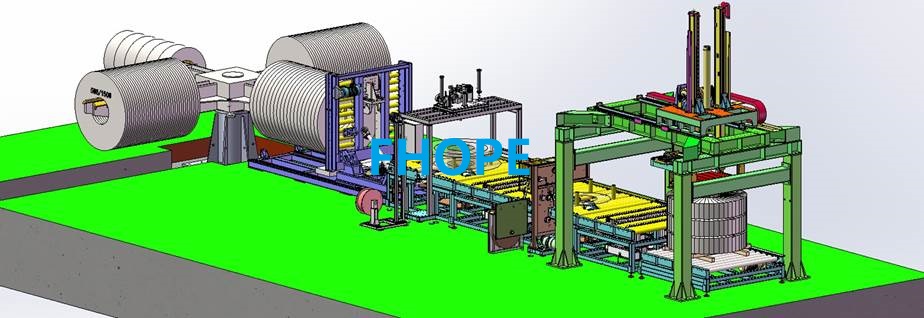
Understanding how these advanced systems achieve such critical improvements is key for any company looking to stay competitive. Let’s dive into the specifics. We will explore the common causes of downtime and see how modern packing solutions offer robust answers.
What Causes Downtime in German Steel Coil Packing Operations?
Imagine a busy steel plant in Germany. Hundreds of tons of steel coils need packing and shipping every day. Any bottleneck in the packing area quickly impacts the whole production line. When things go wrong, the entire system slows down or stops. This leads to big losses.
Downtime in German steel coil packing operations primarily stems from manual processes, inconsistent packaging quality, slow product changeovers, and equipment failures. These issues are made worse by high labor costs and strict quality demands specific to the German industrial landscape.
Manual work in the packing area introduces many risks and inefficiencies. When people do the heavy lifting, strapping, or wrapping, it takes time. It also depends on their skill and focus. From my early days as an employee in a packing machine factory, I saw firsthand how even the most dedicated workers could not match the speed or consistency of a machine. This is especially true for the heavy, unwieldy steel coils. German industries, with their focus on precision and efficiency, feel these manual limitations even more. They face high labor costs. This means every minute of manual work directly impacts the bottom line more severely.
-
High Reliance on Manual Labor: Manual tasks are slow and prone to human error. Workers need to handle heavy coils. They apply strapping, wrap materials, and attach labels by hand. This increases cycle times. It also creates a safety risk. In Germany, labor laws are strict. Worker safety is paramount. Manual handling leads to fatigue and potential injuries. This then causes even more downtime due to accidents or sick leaves. I recall a client who struggled with this exact issue. Their younger workers were leaving because the job was too tough and repetitive. This meant constant training for new staff, which also impacted efficiency. Manual intervention directly contributes to downtime. This happens through slower operation speeds and the need for frequent breaks or shifts.
- Slow wrapping and strapping: Each coil takes a set amount of time. This time can vary.
- Physical strain and safety risks: Lifting and moving heavy materials can cause injuries. This takes workers out of the production line.
- High labor costs: Manual labor is expensive in Germany. This drives the need for automation.
- Inconsistent output: Quality can vary between workers. This leads to rework.
-
Inconsistent Packaging Quality: Manual packaging often results in uneven tension for wrapping films. Straps might not be tight enough. This makes the package vulnerable during transport. A damaged package means customer complaints, returns, or even contract penalties. This directly leads to downtime while issues are resolved. German customers expect very high quality. This applies to the product and its packaging. Meeting CE/ISO certifications for export adds another layer of complexity.
- Film tension issues: Manual application often results in loose or uneven wrapping.
- Loose strapping: Straps applied by hand can become loose during transit.
- Product damage: Poor packaging fails to protect coils from rust, scratches, or moisture.
- Rework and rejects: Damaged packages or non-compliant ones need repacking. This stops the flow.
-
Slow Product Changeovers: Steel plants often produce many types of coils. They make cold-rolled, galvanized, and pre-painted coils. Each needs different packing materials and methods. Switching between these manually takes a lot of time. This complex process stops the production flow. It can take hours to reconfigure for a new product. This time is pure downtime.
- Manual adjustments: Operators must change settings by hand for different coil sizes or types.
- Material changes: Swapping between PET straps, steel bands, or different films takes time.
- Setup and testing: Each changeover needs careful setup and testing to ensure correct operation.
-
Equipment Failures and Maintenance: Older packing machines often lack modern diagnostic tools. They might break down unexpectedly. This brings the entire packing line to a halt. Finding the problem and fixing it can take a long time. Preventive maintenance helps, but older systems are simply less reliable. This is a common issue I have helped many clients solve.
- Unexpected breakdowns: Old machines fail without warning.
- Lack of modern diagnostics: Troubleshooting takes longer without smart systems.
- Parts availability: Getting spare parts for old machines can be hard.
How Do Automated Packing Lines Directly Combat These Downtime Causes?
Facing these challenges, German steel manufacturers seek robust and effective solutions. The answer often lies in advanced automation. Automated packing lines are designed to tackle these very issues head-on. They transform the packing process from a bottleneck into a smooth, efficient operation.
Automated packing lines directly combat downtime by eliminating manual labor, ensuring consistent, high-quality packaging, enabling rapid product changeovers through programmed settings, and improving equipment reliability with modern design. These systems provide a stable and continuous flow, which is essential for German heavy industry.

When I founded FHOPEPACK, my vision was to offer solutions that truly solve these problems. It was about creating systems that work seamlessly, day in and day out. For German plants, which operate on tight margins and high standards, this means a significant shift in how they handle their final products. Automated lines replace much of the human element with precise, repeatable machine operations. This directly addresses the core causes of downtime.
-
Reduced Reliance on Manual Labor: Automated lines take over heavy lifting, wrapping, and strapping. This greatly reduces the need for manual workers in the immediate packing area. Machines work tirelessly, 24/7, without fatigue. This means consistent speed and output. It also drastically improves safety by removing workers from dangerous tasks. In my experience, clients report a dramatic drop in workplace accidents once automation is in place. This helps them meet Germany’s strict safety standards more easily. It also frees up skilled labor for more complex, value-added tasks elsewhere in the plant.
- Continuous operation: Machines work non-stop, without breaks.
- Enhanced safety: Automated handling reduces human contact with heavy coils.
- Consistent speed: Every coil is processed at the same high speed.
- Labor cost savings: Fewer workers are needed for repetitive tasks.
-
Guaranteed Consistent Packaging Quality: Automated systems apply wrapping films with consistent tension. They secure straps precisely every time. This creates uniform, strong packages. These packages can withstand the rigors of transport. This reduces the risk of damage, customer complaints, and costly reworks. For export markets, where CE/ISO certification is vital, automation ensures every package meets the required standards automatically. This is a huge advantage for German companies looking to maintain their global reputation for quality.
- Precision wrapping: Film tension is uniform and adjustable.
- Secure strapping: Straps are applied with programmed tension, preventing loosening.
- Product protection: Consistent packaging protects coils from rust, scratches, and moisture.
- Compliance: Automated systems ensure packaging meets specific industry and export standards.
-
Fast and Seamless Product Changeovers: Modern packing lines have programmable logic controllers (PLCs). These systems store settings for different coil sizes, weights, and packaging requirements. Operators can switch between product types with a few clicks. This minimizes downtime for changeovers. It eliminates the manual adjustments that used to take hours. This flexibility is critical for plants producing a diverse range of products, like many German steel manufacturers.
- Preset programs: Operators select programs for different coil types.
- Automated adjustments: Machines adjust parameters automatically.
- Reduced setup time: Changeovers happen in minutes, not hours.
- Increased flexibility: The line can handle varied products without significant delay.
-
Enhanced Equipment Reliability and Predictive Maintenance: High-quality automated packing lines are built for continuous operation. They use robust components. Many systems include advanced diagnostics. These tools monitor machine health. They can predict potential failures before they happen. This allows for scheduled maintenance during planned downtime. It avoids unexpected breakdowns. This proactive approach significantly boosts overall uptime.
- Robust construction: Machines are built for demanding industrial environments.
- Integrated diagnostics: Systems alert operators to potential issues.
- Planned maintenance: Repairs happen during scheduled shutdowns, not during production.
- Longer lifespan: High-quality components lead to fewer failures over time.
Why Is Precision and Reliability Crucial for German Manufacturers?
German heavy industry operates under a unique set of demands. It is known worldwide for its engineering excellence and high quality standards. For steel manufacturers in Germany, precision is not just a preference. It is a fundamental requirement. Reliability is not just a nice-to-have. It is essential for survival in a highly competitive global market.
Precision and reliability are crucial for German manufacturers because they face high labor costs, strict environmental and safety regulations, and a global reputation for quality. Automated packing lines deliver the consistent accuracy and continuous operation needed to meet these demanding standards, ensuring competitive advantage and operational compliance.
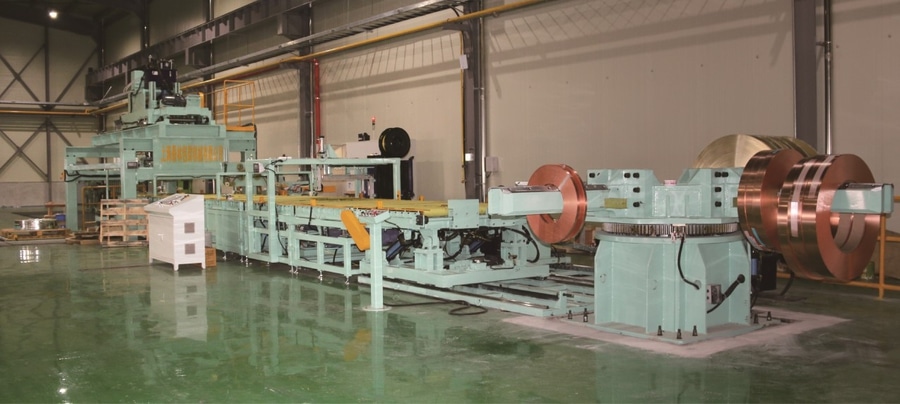
My journey in the packing machine industry has shown me how German companies value engineering quality. They do not just buy a machine. They invest in a solution that will perform flawlessly for years. This focus impacts every decision, from initial design to after-sales support. For FHOPEPACK, understanding this deep need for precision and reliability has always guided our development. We know that a machine that fails, even rarely, is a liability for our German partners.
-
High Labor Costs and Efficiency: Germany has some of the highest labor costs globally. This means every minute of manual work is expensive. Companies must maximize the efficiency of their human resources. Automation allows them to do this. It lets highly skilled workers focus on complex tasks, not repetitive packing. This means higher productivity per employee. It also means a better return on investment for the factory.
- Cost-effective operation: Automation reduces the overall cost of packing per unit.
- Strategic labor use: Skilled workers are assigned to high-value roles.
- Competitive edge: Lower operational costs help compete globally.
-
Stringent Quality Standards and Customer Expectations: The “Made in Germany” label signifies top quality. This reputation applies to all manufactured goods, including steel coils. Customers expect perfectly produced and perfectly packaged products. Any flaw in packaging can reflect poorly on the manufacturer. Automated lines deliver consistent, perfect packaging. This protects the product and the brand’s image. Many export clients also require specific certifications like CE or ISO. Automated systems are vital for meeting these requirements consistently.
- Brand reputation: Consistent quality packaging upholds the “Made in Germany” standard.
- Customer satisfaction: Reliable packaging prevents damage and ensures customer loyalty.
- Certification compliance: Automated processes help meet international quality standards.
-
Strict Environmental and Safety Regulations: German industries operate under strict environmental protection laws and safety regulations. Manual processes, especially with heavy machinery, can lead to accidents. They can also create waste or inefficiencies in material use. Automated packing lines are designed with safety features. They reduce waste through precise material application. This helps companies comply with regulations. It also creates a safer workplace.
- Worker safety: Automation removes workers from hazardous areas.
- Resource efficiency: Precise application of materials reduces waste.
- Regulatory compliance: Designed to meet local and international safety and environmental norms.
-
Global Competitiveness and Market Leadership: German steel producers compete with manufacturers worldwide. To stay ahead, they must be at the forefront of technology and efficiency. Investing in reliable, high-precision automated packing lines is not just an upgrade. It is a strategic move to maintain market leadership. It enables faster delivery, higher quality, and lower costs. These are all critical factors in global trade.
- Market advantage: Superior efficiency and quality attract more clients.
- Technological edge: Adopting advanced automation keeps companies competitive.
- Increased export potential: Meeting diverse global requirements becomes easier.
How Can a Comprehensive Packing Solution Deliver Sustainable Efficiency?
Many companies think of buying a machine. But what German heavy industry truly needs is a complete solution. A single machine might solve one problem, but a comprehensive system addresses all the challenges of coil packing. This approach ensures sustainable efficiency. It delivers long-term benefits that go far beyond just reducing immediate downtime.
A comprehensive packing solution delivers sustainable efficiency by integrating all packing processes, offering end-to-end automation, providing expert after-sales support, and allowing for customization. This holistic approach ensures seamless operation, reduces overall costs, and supports long-term growth and adaptability for steel manufacturers.

As an engineer who started on the factory floor and later built FHOPEPACK, I learned that a machine is only as good as the support and integration around it. My goal has always been to provide “turnkey projects.” This means we handle everything. It starts from initial consultation to installation, training, and ongoing maintenance. This complete package is what truly makes a difference for our clients. It frees them to focus on their core business: making steel.
-
Integrated Automation for the Entire Packing Process: A comprehensive solution means more than just a wrapping machine. It includes the whole line. This covers coil handling, turning, weighing, strapping, wrapping, labeling, and even stacking. When these parts work together, the flow is continuous. There are no manual gaps or bottlenecks between stages. This end-to-end automation ensures maximum efficiency and minimal human intervention.
- Seamless material flow: Coils move from one stage to the next without stopping.
- Centralized control: One system manages all packing operations.
- Reduced transfer time: No waiting or manual movement between processes.
- Higher throughput: The entire line operates at maximum capacity.
-
Customized Solutions for Diverse Needs: Every steel plant is unique. It has different coil sizes, weights, and packaging requirements. A true partner provides customized solutions. They do not just offer off-the-shelf machines. At FHOPEPACK, we listen to our clients. We design systems that fit their specific production lines and product portfolios. This ensures the solution works perfectly for their specific challenges. This adaptability is key for sustainable efficiency, especially with evolving market demands.
- Tailored designs: Systems are built to fit specific factory layouts and needs.
- Scalability: Solutions can grow or adapt as production requirements change.
- Product versatility: The line handles different coil types and sizes effectively.
- Future-proofing: Designed with future needs and upgrades in mind.
-
Robust After-Sales Support and Training: Even the best machine needs support. A comprehensive solution includes strong after-sales service. This means spare parts availability, technical assistance, and training for operators. Our goal is to empower our clients. We want them to run their lines effectively for years. Proper training ensures they can operate and perform basic maintenance on their own. This reduces reliance on external support for minor issues.
- Operator training: Ensures staff can operate and troubleshoot the system.
- Spare parts availability: Minimizes delay in repairs.
- Technical assistance: Expert help is available when needed.
- Preventive maintenance programs: Keep machines running optimally.
-
Measurable Return on Investment (ROI): Investing in an automated packing line is a major decision. A comprehensive solution provides clear, measurable benefits. These include reduced labor costs, lower material waste, fewer customer complaints, and increased production capacity. These benefits quickly add up. They lead to a strong return on investment. For German manufacturers, this is about strategic investment that secures their future.
- Cost savings: Lower labor, material, and rework costs.
- Increased capacity: Faster packing means more coils processed.
- Improved quality: Fewer rejections and higher customer satisfaction.
- Long-term value: A reliable system generates returns for many years.
Conclusion
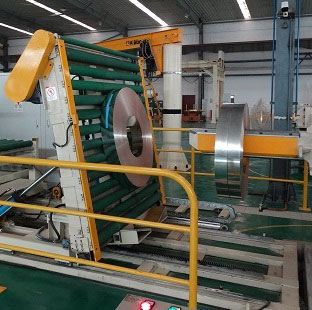
Automated steel coil packing lines are vital for reducing downtime in German heavy industry. They solve critical issues like manual inefficiencies, inconsistent quality, and slow changeovers. By offering precision, reliability, and comprehensive solutions, these lines boost safety and enhance global competitiveness. Investing in a robust coil packing line ensures sustainable efficiency and continuous operation for any modern steel plant.








