
Steel Coil Packing Line in Germany: Can Smart Controls Improve Productivity?
Imagine your steel mill, operating around the clock. Hundreds of tons of steel coils move through production every day. But when it comes to the final packing stage, things slow down. Manual labor, inconsistent quality, and the struggle to meet strict customer demands in a market like Germany can lead to bottlenecks. This situation can cause shipping delays, customer complaints, and even financial penalties. It is a common problem I have seen many times.
Yes, smart controls in a steel coil packing line can significantly improve productivity for German steel mills. These advanced systems integrate automation with intelligent sensors, data analysis, and predictive capabilities. They make packing operations faster, more consistent, and much safer. This helps factories meet high German and international standards while cutting down on waste and labor costs.

Many German steel manufacturers are now looking for better solutions. They want to move beyond old methods. They need systems that can keep up with modern demands. Let us explore why traditional methods are falling short and how new technology offers a clear path forward.
Are Manual Packing Methods Still Holding German Steel Mills Back?
It is hard to keep up when your packing process relies too much on people. German steel mills often face strict quality controls and high production volumes. Manual packing simply cannot deliver the consistency and speed needed. This leads to many problems that affect the entire supply chain.
Yes, manual packing methods are definitely holding many German steel mills back. They cause inconsistent packing quality, slow down production, and create safety risks for workers. Also, it is getting harder to find and keep skilled labor for these repetitive and demanding tasks. This makes it difficult for mills to meet the increasing demands of their customers and maintain competitiveness in the global market.
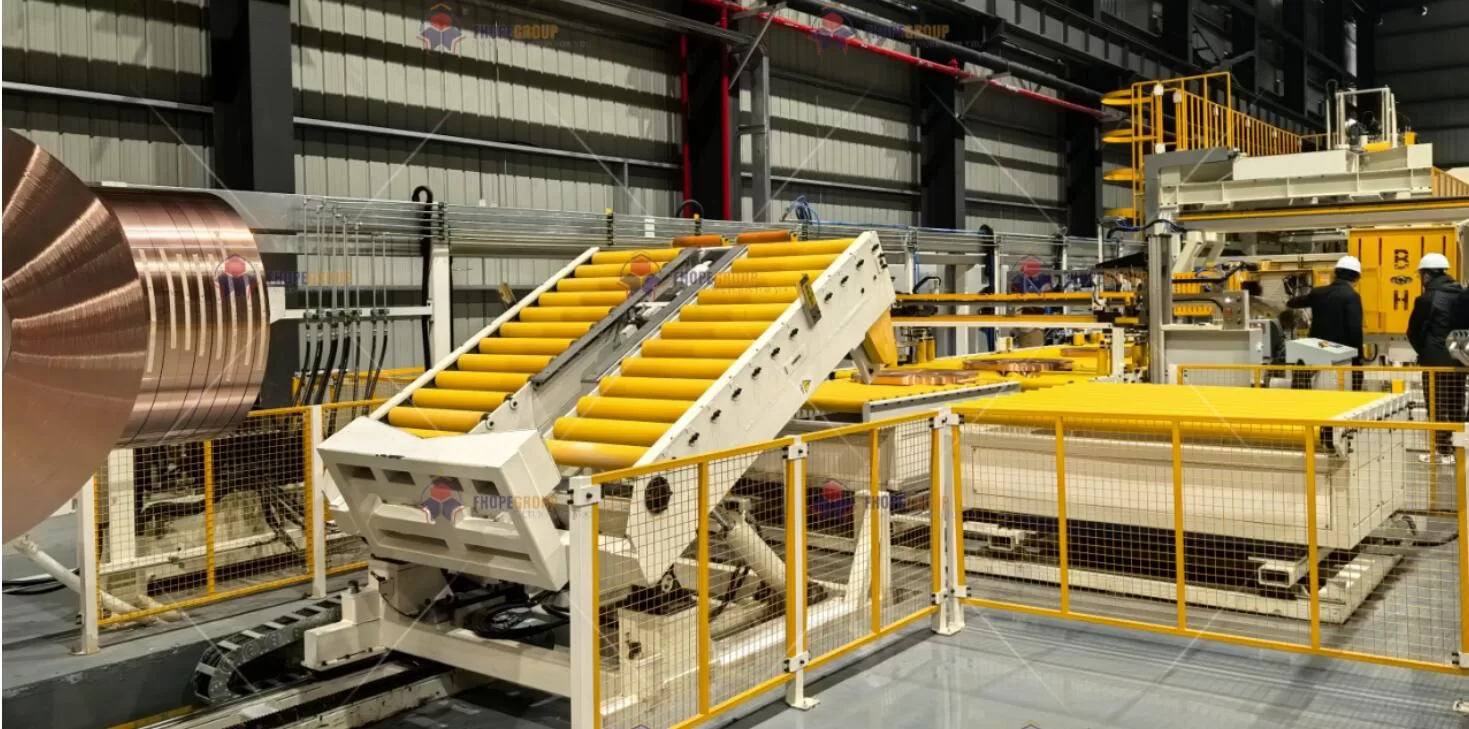
I remember when I first started in the packing machine industry. Manual processes were common. But even then, we could see the limits. Now, with faster production lines and more diverse products, those limits are even clearer. When a steel mill in Germany produces various types of coils—like cold-rolled, galvanized, or color-coated—each with different packing needs, manual switching becomes very slow. This causes significant delays and errors. Workers often struggle with the heavy and repetitive tasks of strapping and wrapping. This high-intensity environment leads to high turnover rates among younger workers. It also increases the risk of workplace injuries. The inconsistent tension applied by hand to wrapping film often results in loose packaging during transport. This can lead to damage and customer complaints. These issues are not just small problems. They directly impact a mill’s ability to ship on time and maintain its reputation for quality. For export clients, who often demand CE/ISO certified packaging with barcodes and strict moisture protection, manual methods simply cannot guarantee compliance. They also cannot provide the required traceability. These challenges make it clear that traditional, labor-intensive approaches are no longer sustainable for modern German steel production. Investing in advanced, automated solutions is no longer a luxury. It is a necessity for growth and continued success in a demanding global market.
What Makes a Coil Packing Line “Smart” and Why Does it Matter?
The idea of “smart controls” might sound complex. But it is really about making machines think and react better. It takes basic automation and adds intelligence. This allows the packing line to handle more tasks automatically and make smarter decisions.
A coil packing line becomes “smart” when it uses advanced technology like PLCs (Programmable Logic Controllers), HMIs (Human-Machine Interfaces), sensors, and data analytics to automate and optimize the entire packing process. This matters because it moves beyond simple machine functions. It allows the system to monitor itself, adapt to different product sizes, diagnose problems, and communicate with other factory systems. This leads to higher efficiency, better quality, and less need for human intervention.
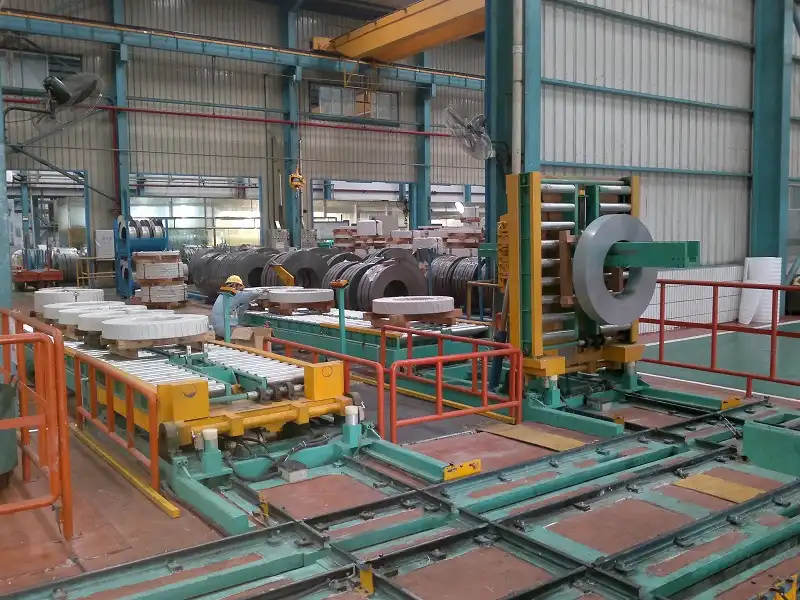
When I started FHOPEPACK, my vision was to build more than just machines. I wanted to build “Master Packing Machines.” This means equipment that can truly handle any challenge. Smart controls are the heart of this vision. They allow a packing line to act like a highly skilled engineer. Instead of just pressing a button, the system understands what it needs to do.
Here is what makes a packing line smart:
- Programmable Logic Controllers (PLCs): These are the brains of the system. They run the entire sequence of operations. For example, a PLC can control the exact speed of the wrapping film. It can also manage the tension of the strapping. It makes sure every step happens at the right time.
- Human-Machine Interfaces (HMIs): These are touchscreens that allow operators to interact with the machine. Operators can easily select different packing recipes for various coil types. They can also see real-time performance data. This simplifies operation and reduces human error.
- Advanced Sensors: Smart lines use many sensors. These sensors detect coil diameter, weight, and position. They measure film tension and strapping force. This data helps the system make adjustments on the fly. It ensures consistent packing quality.
- Variable Frequency Drives (VFDs): VFDs control the speed of motors precisely. This means wrapping speeds can change based on the coil size or film type. It optimizes material use and improves efficiency.
- Data Collection and Analytics: Smart systems record everything. They track how many coils are packed, how much material is used, and if there are any errors. This data helps managers identify bottlenecks and improve processes over time. It provides real insights into how the packing line performs daily.
- Remote Access and Diagnostics: Some advanced systems allow engineers to connect remotely. They can monitor performance or diagnose issues from anywhere. This reduces downtime and speeds up troubleshooting. It is like having an expert on call 24/7.
These features mean the machine is not just doing what it is told. It is also learning and adapting. This is crucial for German steel mills that need high flexibility and reliability. A smart packing line minimizes errors and maximizes output. It moves beyond simple automation to intelligent process management. This is why it truly matters for today’s demanding production environments.
How Do Smart Controls Directly Boost German Steel Export Quality and Throughput?
German steel is known for quality. But maintaining this standard, especially for exports, needs more than just good steel. It needs perfect packing. Smart controls are vital for this. They ensure every coil meets the highest standards. They also speed up the entire process.
Smart controls directly boost German steel export quality by ensuring consistent, precise packing for every coil. They achieve this through automated tension control, accurate strapping, and integrated labeling. This meets strict international standards like CE/ISO. For throughput, smart controls increase speed and reduce downtime by automating changeovers, diagnosing issues, and optimizing material use. This allows German mills to handle higher volumes with fewer errors and greater efficiency, securing their competitive edge in global markets.

I have worked with many clients who struggled with meeting export demands. One client had issues with their steel coils arriving with damaged packaging. This led to high rejection rates. They needed a solution that guaranteed perfect packing every time. This is where smart controls truly shine.
Here is how smart controls help German steel mills:
- Consistent Packaging Quality:
- Automated Tension Control: Smart systems maintain perfect wrapping film tension. This prevents loose packaging that can shift during transport. It protects coils from moisture, rust, and scratches.
- Precise Strapping: They ensure consistent strapping force. This means coils are securely bundled. It prevents uncoiling or damage.
- Conformity to Standards: Automated processes easily meet international standards like CE/ISO. They provide proof of consistent quality. This is crucial for export markets.
- Increased Throughput and Efficiency:
- Faster Cycle Times: Automated processes work much faster than manual ones. They perform wrapping, strapping, and labeling without pauses. This significantly increases the number of coils packed per hour.
- Reduced Changeover Time: Smart systems can quickly switch between different coil sizes or packaging requirements. This is vital for mills producing diverse products like cold-rolled, galvanized, and color-coated coils. Operators select a recipe, and the machine adjusts itself.
- Optimized Material Use: Precise control over film and strapping reduces waste. The machine uses only what is needed. This lowers material costs.
- Enhanced Safety:
- Reduced Manual Handling: Heavy and dangerous tasks like lifting, flipping, and manual strapping are automated. This greatly lowers the risk of workplace accidents and injuries.
- Improved Work Environment: Workers move away from high-risk areas. They focus on monitoring and supervision. This makes the workplace much safer.
- Better Traceability and Reporting:
- Integrated Labeling: Automatic label applicators place barcodes and product information accurately. This provides clear identification for every coil.
- Data Logging: The system records packing parameters for each coil. This creates a digital record. It is essential for quality control and auditing, especially for export. This data helps identify and address any issues quickly.
By implementing smart controls, German steel mills do not just improve their packing line. They improve their entire operation. They secure their reputation for quality and become more competitive globally. They ensure their steel reaches customers in perfect condition, every time.
How Can German Steel Mills Find the Right “Master Packing Machine” Partner?
Choosing a packing machine is not just about buying equipment. It is about finding a partner. This partner should understand your specific needs. They should offer solutions that truly integrate with your production. For German steel mills, this means finding someone who can deliver reliability, customization, and long-term support.
German steel mills can find the right “Master Packing Machine” partner by seeking suppliers who offer comprehensive, turnkey solutions. This means looking for companies that provide custom engineering, installation, training, and robust after-sales support. A good partner understands the unique challenges of steel coil packing, such as varying coil sizes and stringent export quality demands. They should also demonstrate a commitment to long-term collaboration, ensuring the packing line remains efficient and updated for years to come.
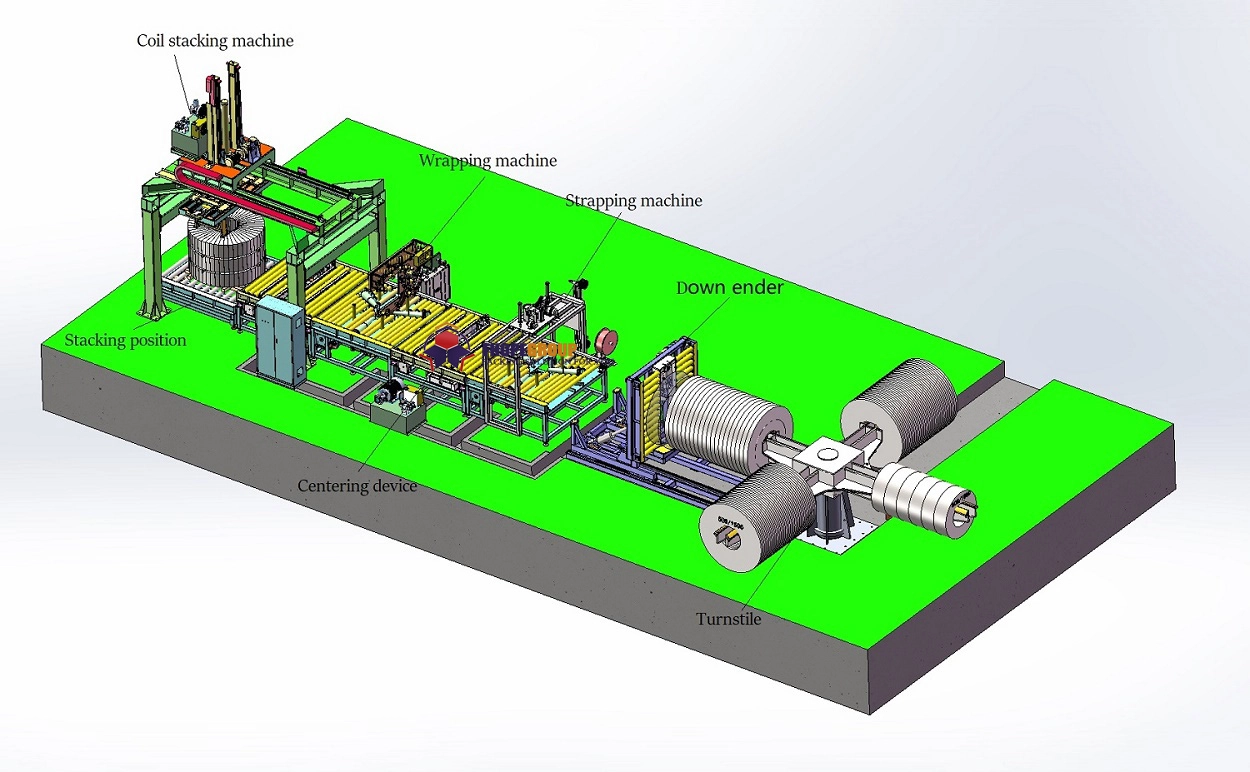
My journey from a factory employee to founding FHOPEPACK has taught me this. It is not enough to just build a good machine. You must build a good relationship. Our mission at FHOPEPACK is to be a knowledge-sharing platform. We aim to offer the best customized packing solution per requirement. This philosophy is key for German steel mills looking for a solid partner.
Here is what a true “Master Packing Machine” solution looks like:
- Customized Engineering: Every steel mill has unique needs.
- Adaptability: The solution must handle various coil diameters (from 1 to 3 tons). It must also cope with different inner and outer dimensions. This flexibility is key for diverse product lines.
- Seamless Integration: The packing line should fit perfectly into existing production lines. It should not cause any bottlenecks.
- Specific Requirements: For example, if a German mill exports heavily, the solution needs to meet CE/ISO certifications. It must also handle special barcode labeling.
- Comprehensive Turnkey Project: A good partner manages the entire project.
- Design and Manufacturing: They handle everything from initial design to building the machines.
- Installation and Commissioning: They install the equipment and make sure it runs perfectly. They get it ready for full operation.
- Training and Support: They train your staff to operate and maintain the new system. This ensures a smooth transition.
- Reliability and Continuous Operation:
- 24/7 Capability: Steel mills often run two shifts, 24 hours a day. The packing line must be built for continuous, heavy-duty work. It needs minimal downtime.
- Durable Components: High-quality components reduce wear and tear. This leads to longer machine life and less maintenance.
- Long-Term Partnership:
- After-Sales Service: A partner offers quick support, spare parts, and troubleshooting. This keeps your line running efficiently.
- Future Upgrades: Technology evolves. A good partner helps you upgrade your system as new innovations become available. This protects your investment.
At FHOPEPACK, we focus on understanding these details. I have seen how a well-designed, custom solution can transform a packing workshop. It reduces labor costs, improves safety, and boosts product quality. It helps clients achieve financial independence and grow their businesses. When you choose a partner, look for this complete package. Look for someone who is dedicated to your long-term success.
Conclusion
Smart controls are not just an option for German steel mills. They are a necessity for improving productivity and maintaining a competitive edge. By investing in advanced coil packing line solutions, mills can achieve consistent quality, reduce costs, and enhance safety. This ensures their products meet global demands and secure future growth.








