
What Makes Steel Coil Packing Lines Essential for German Export Competitiveness?
German steel is known for its quality across the globe. But just having a good product is not enough. Imagine your valuable steel coils arriving at a client’s site, damaged or poorly packed. This can destroy your reputation. It can also lead to huge losses. Many companies face these issues. They struggle to meet high export standards. This costs them time and money.
Automated steel coil packing lines are very important for German export competitiveness. They make sure steel coils are packed perfectly every time. This meets strict international standards. It also protects products during transit. This prevents damage and keeps customers happy. Such systems boost efficiency and reduce labor costs. They give German manufacturers a strong edge in the global market.
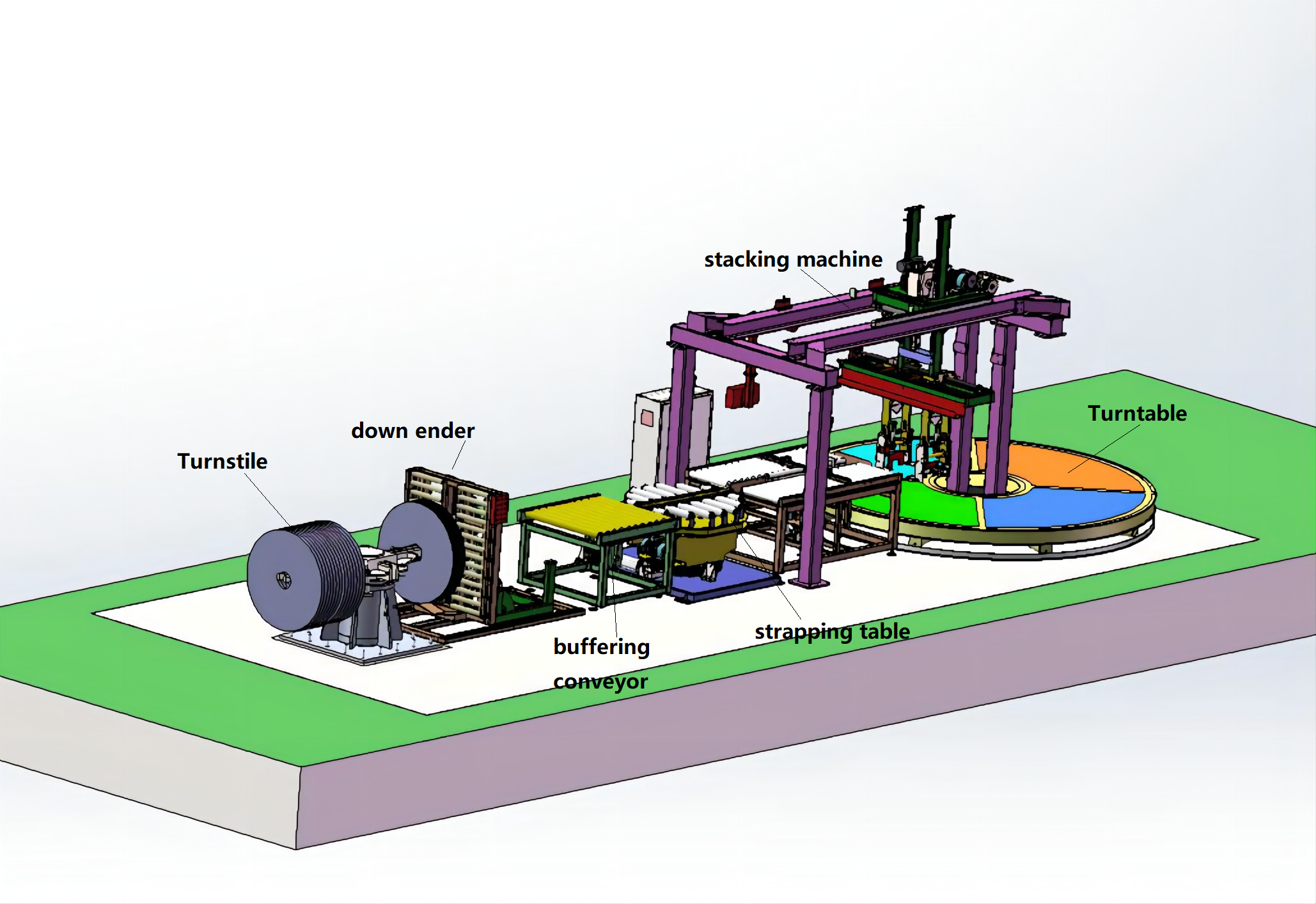
You might be thinking, “My current packing system works fine.” But does “fine” truly cut it in today’s fast-moving export world? We need to look deeper. We need to see how modern packing solutions can make a big difference for your business. Let’s explore how German steel manufacturers can get ahead.
Why Does Germany’s Steel Export Market Demand Top-Tier Packing Quality?
Do your steel coils always arrive looking pristine? Or do you sometimes get complaints about rust, scratches, or loose strapping? These problems hurt your brand. They also lead to costly returns and lost future orders. German customers and international buyers expect the best. Failing to meet this expectation puts your market position at risk. This is a common challenge for many in the industry.
Germany’s steel export market demands top-tier packing quality because it is crucial for brand reputation and customer trust. High-quality packing prevents product damage during shipping. It also ensures compliance with strict international regulations. This includes standards like CE and ISO. Poor packing can lead to financial penalties and lost market share. This directly impacts Germany’s competitive standing in global steel trade.

From my own experience establishing a successful packing machine factory, I have seen this first-hand. Early in my career, when I was still an employee at a packing machine factory, I saw how much impact good packing had. It was not just about protecting the product. It was about building trust. It was about securing long-term business relationships. For German exporters, this means every coil must look perfect. It must be protected against all elements. This is especially true when shipping to diverse climates. This level of quality is not optional. It is essential. It helps maintain Germany’s image as a leader in industrial quality. We need to look at specific aspects that define this top-tier quality requirement.
-
Protecting Against Transit Risks:
- Mechanical Damage: Coils can get scratched or dented during loading, unloading, and transit. Proper packing, like secure strapping and outer wrapping, creates a protective layer. This reduces direct impacts.
- Environmental Exposure: Steel coils are sensitive to moisture, humidity, and temperature changes. These can cause rust. Effective anti-corrosion films or stretch wraps seal the coil. They keep out harmful elements.
- Vibration and Movement: Long-distance transport involves constant vibrations. This can loosen straps or shift the coil. A well-designed packing line applies consistent tension. It uses durable materials to keep the coil stable.
-
Meeting International Standards and Certifications:
- CE Marking: For goods entering the European Economic Area, CE marking is often required. While not directly for packing, the packing must protect the product’s integrity. This ensures it meets CE standards upon arrival.
- ISO Certifications: Many international buyers ask for ISO-certified suppliers. This implies a commitment to quality management. This includes packing processes. Automated systems ensure consistent, documented packing quality.
- Customer-Specific Requirements: Export clients often have unique demands. This includes barcode labeling or specific anti-corrosion treatments. Flexible packing lines can integrate these diverse requirements. They do this without slowing down production.
-
Enhancing Brand Image and Customer Satisfaction:
- First Impression: The packing is the first thing a customer sees. Professional and undamaged packing creates a positive first impression. It reinforces the perception of high-quality products.
- Reduced Claims and Returns: When products arrive in perfect condition, customer complaints decrease. This saves time and money. It also builds customer loyalty.
- Competitive Advantage: In a crowded market, superior packing can set a German steel supplier apart. It shows attention to detail and a commitment to excellence. This can be a key differentiator when customers choose a supplier.
How Do Automated Coil Packing Lines Drive Efficiency and Safety for German Exporters?
Are your workers spending too much time on manual packing? Are you worried about their safety handling heavy coils? Many steel mills face challenges with labor shortages. They also have concerns about workplace injuries. Manual packing is slow. It is also inconsistent. This impacts your delivery schedules. It also puts your team at risk. This becomes a big issue for large export volumes.
Automated coil packing lines significantly boost efficiency and safety for German exporters. They reduce the need for manual labor. This speeds up the packing process. It also ensures consistent quality. They remove workers from dangerous tasks like lifting and strapping heavy coils. This lowers the risk of accidents and injuries. This operational upgrade allows steel mills to process higher volumes faster. It also makes their workplaces safer and more productive.
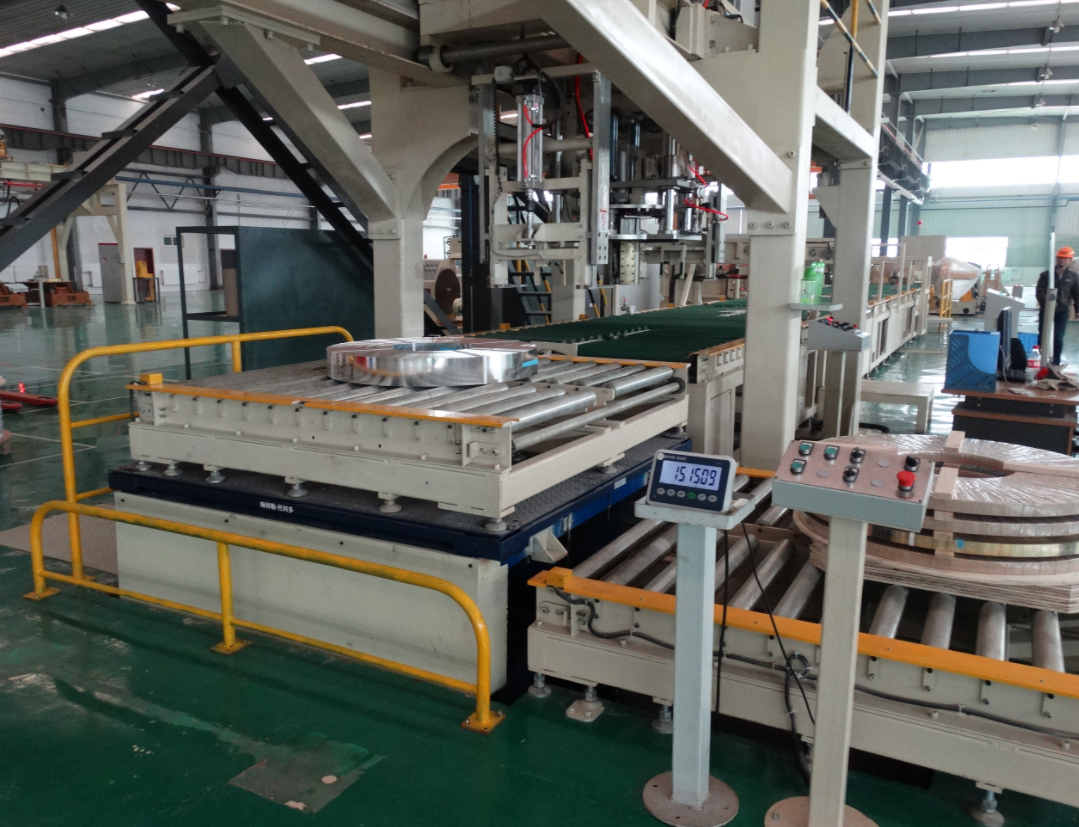
I have helped many clients grow their businesses over the years. I saw firsthand how much automated solutions changed their operations. I learned early on that efficiency and safety are two sides of the same coin. An efficient system is often a safe system. For German steel plants, this means moving away from labor-intensive packing methods. It means adopting smart automation. This ensures a steady flow of perfectly packed coils. It also protects your most valuable asset: your people. This is not just about upgrading machines. It is about upgrading your entire operation. It is about securing a competitive edge in a demanding global market. Let’s look at how automation achieves this.
-
Transforming Operational Efficiency:
- Increased Throughput: Automated lines work continuously. They do not get tired. They can pack coils much faster than humans. This means higher daily output. It meets tight export deadlines.
- Consistent Quality: Machines perform tasks with precision. They apply consistent tension to wraps. They place straps accurately. This leads to uniform packing quality. This is vital for meeting export standards.
- Reduced Bottlenecks: Manual packing often creates a bottleneck. This slows down the entire production line. Automated systems integrate smoothly. They ensure continuous flow from production to dispatch.
- Lower Labor Dependency: With fewer workers needed for packing, you can assign staff to other critical areas. This helps deal with labor shortages. It also optimizes your workforce allocation.
-
Enhancing Workplace Safety:
- Minimizing Human Interaction with Heavy Loads: Steel coils are very heavy. Manual handling and strapping carry high risks of injury. Automation removes workers from direct contact with moving coils. This includes lifting and turning.
- Reduced Repetitive Strain Injuries: Tasks like manual strapping and wrapping are repetitive. They can cause musculoskeletal disorders. Automated systems take over these physically demanding jobs.
- Controlled Environment: Automated lines operate within safety enclosures. They have sensors and emergency stops. This creates a much safer working environment compared to open, manual operations.
- Compliance with Safety Regulations: German and international safety standards are strict. Automated systems help companies comply with these regulations. This reduces legal risks and improves worker well-being.
-
Optimizing Resource Utilization:
- Material Savings: Automated wrapping machines use film or strapping materials efficiently. They optimize tension and overlap. This reduces waste. It also lowers material costs.
- Space Optimization: Integrated packing lines can be designed to fit existing factory layouts. They minimize the need for large staging areas for manual packing. This makes better use of floor space.
- Energy Efficiency: Modern automated machines are designed to be energy efficient. They use optimized power consumption for motors and heating elements. This contributes to lower operating costs.
What Specific Packing Solutions Do German Steel Exporters Need for Diverse Products?
Does your steel mill produce many types of coils? Do you find it hard to switch between different packing methods manually? Dealing with cold-rolled, galvanized, or color-coated coils, each with unique packing needs, can be a headache. Manual changes are slow. They also lead to mistakes. This slows down your export process. It also impacts the quality for specific clients.
German steel exporters need flexible, automated coil packing solutions that adapt to diverse product requirements. This includes different coil dimensions, weights, and material types. They also need specific packing methods like PET/steel strapping, stretch wrapping for moisture protection, and automatic labeling. A tailored system allows quick changes between production runs. It ensures high-quality, compliant packing for every coil, no matter its type or destination.

I remember a time when a client of mine had a similar challenge. They produced various types of metal coils. Switching between packing methods was a huge manual effort. It caused delays and errors. I helped them find a customized solution. It transformed their output. From my experience helping many of my clients grow their businesses, I have learned that a one-size-fits-all approach rarely works. Especially for demanding markets like Germany. German steel companies need systems that are smart. They need systems that can handle a wide array of products. They also need systems that meet very specific customer requirements. This is key to staying competitive. Let’s break down the essential features of such specialized solutions.
-
Adaptability to Product Diversity:
- Varying Coil Dimensions: Steel coils come in many sizes. This includes different inner diameters, outer diameters, and widths. A flexible packing line must adjust automatically or with minimal input. This handles coils ranging from 1 to 3 tons.
- Different Material Types: Cold-rolled, galvanized, and color-coated coils each need specific handling. Color-coated coils, for example, require extra care to prevent scratches. Galvanized coils need robust moisture protection.
- Multi-Purpose Packing Methods:
- Strapping: Options for both PET and steel strapping are important. PET strapping offers flexibility and corrosion resistance. Steel strapping provides extreme strength for heavy coils.
- Wrapping: Stretch film or shrink film offers excellent protection against dust, dirt, and moisture. This is vital for anti-rust and anti-corrosion needs.
- Custom Protection: Some coils might need additional layers like VCI paper (Volatile Corrosion Inhibitor) or specific edge protection. Automated systems can integrate these.
-
Meeting Strict Export and Customer Requirements:
- Regulatory Compliance: Export markets, especially in Europe, have strict regulations. This covers packaging materials, labeling, and environmental standards. Packing solutions must help meet these.
- Automatic Labeling and Barcoding: Many export clients need automatic application of barcodes and shipping labels. This includes data like product type, weight, and destination. Integrated systems do this accurately.
- Special Packaging for Sensitive Products: For high-value or highly sensitive coils, specific cushioning or void-fill materials might be needed. The packing line should be able to incorporate these.
- Traceability: Modern supply chains demand full traceability. Automated packing lines can integrate with plant management systems. This links packing data to specific coil batches.
-
Features for Seamless Operation:
- Automated Coil Handling: This includes automatic coil turning, lifting, and conveying. It reduces manual intervention. It also prevents damage.
- Integrated Weighing and Measuring: An automatic system can weigh and measure each coil. It then adjusts packing parameters accordingly. This ensures correct material usage.
- Quick Changeover Capabilities: The ability to quickly switch between different coil sizes or packing recipes is crucial. This minimizes downtime. It maximizes production flexibility.
- Real-time Monitoring and Diagnostics: Advanced systems offer data on packing performance. They can also alert operators to potential issues. This helps with proactive maintenance and quality control.
Why is a Strategic Partnership Key to Sustaining German Export Competitiveness?
Are you tired of dealing with multiple vendors for different parts of your packing line? Do you worry about finding reliable support and spare parts after installation? Many companies face challenges with fragmented solutions. This leads to project delays. It also causes service headaches. This affects your long-term operational stability.
A strategic partnership is key to sustaining German export competitiveness because it provides a complete, reliable packing solution. A good partner offers turnkey projects. They handle everything from design to installation and training. They also provide essential after-sales support and spare parts. This ensures consistent operation, minimizes downtime, and gives German steel exporters peace of mind. This type of partnership builds long-term success and reduces operational risks.
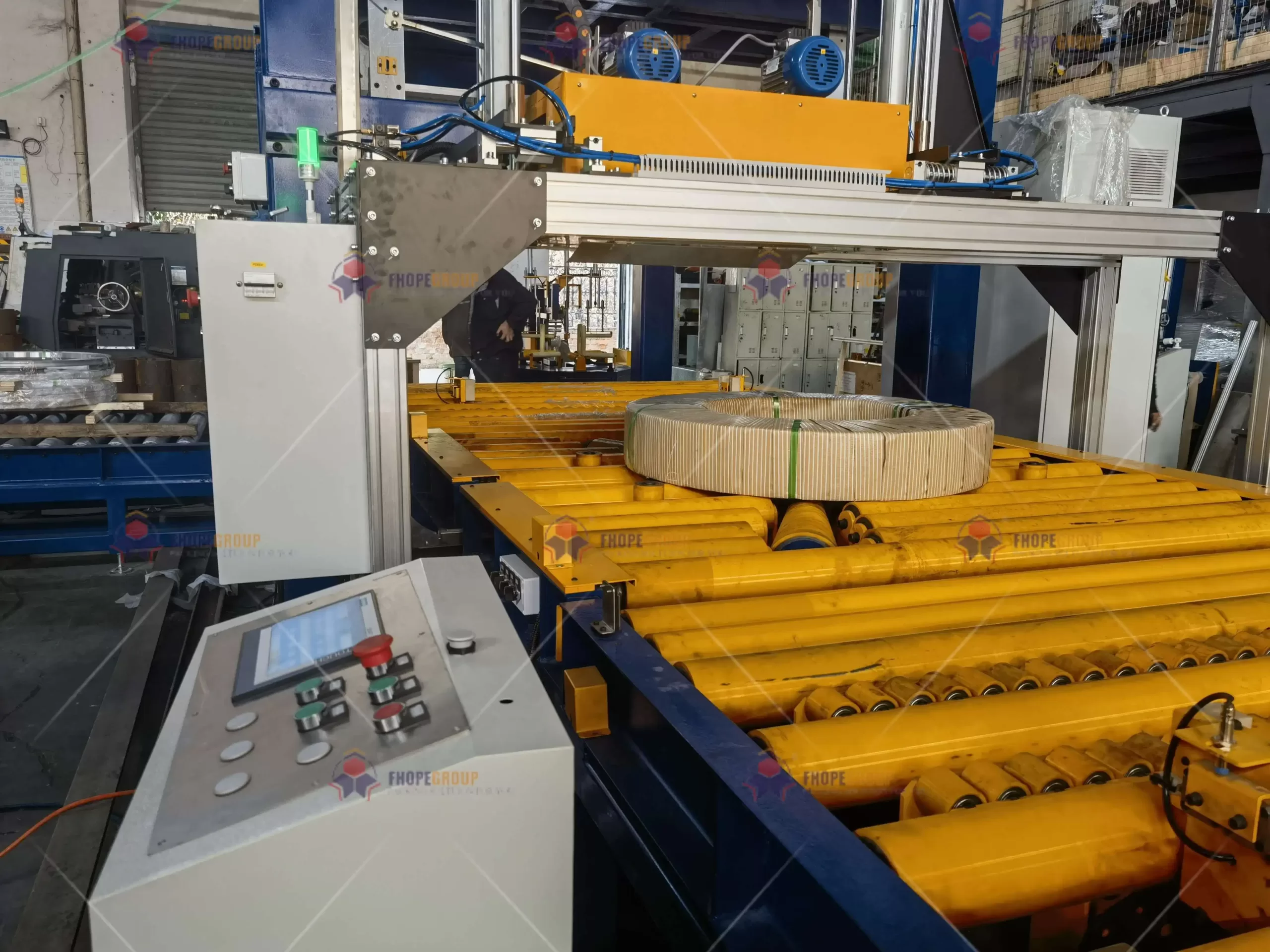
When I started FHOPEPACK, I knew that just selling machines was not enough. My goal was to provide complete solutions. I wanted to be a partner, not just a supplier. I have helped many of my clients grow their businesses because of this approach. For German steel exporters, this means choosing a partner who understands their unique needs. It means choosing someone who can deliver an integrated solution. This partner must also offer continuous support. This ensures your packing lines run smoothly for years. This commitment is vital for maintaining Germany’s high standards in global trade. Let’s look at what makes such a partnership crucial.
-
The Value of a Turnkey Solution Provider:
- Single Point of Contact: You deal with one company for the entire project. This simplifies communication. It also streamlines project management.
- Integrated Design and Engineering: A turnkey provider designs the entire line. They ensure all components work perfectly together. This includes coil handling, wrapping, strapping, and labeling.
- Faster Implementation: With one team managing the project, installation and commissioning happen more quickly. This reduces delays. It gets your new packing line running sooner.
- Reduced Risk: The provider takes full responsibility for the project’s success. This reduces the risk for your company. They manage all aspects, from initial concept to final handover.
-
Essential After-Sales Support and Training:
- Comprehensive Training: Your staff needs proper training to operate and maintain the new system. A good partner provides detailed, hands-on training. This makes your team confident and competent.
- Prompt Technical Support: When issues arise, quick support is crucial. A reliable partner offers fast response times. They provide remote assistance or on-site visits. This minimizes downtime.
- Guaranteed Spare Parts Availability: Access to genuine spare parts is vital for long-term operation. A strategic partner ensures a readily available supply of parts. This prevents long waits for repairs.
- Preventive Maintenance Programs: Many partners offer maintenance contracts. These help keep your machines in top condition. They prevent unexpected breakdowns. This extends the life of your equipment.
-
Building Long-Term Trust and Collaboration:
- Continuous Improvement: A strong partnership means continuous dialogue. It means working together to optimize the packing process. This keeps your operations competitive.
- Industry Expertise: A specialized partner brings deep knowledge of packing technology and industry trends. They can advise you on future upgrades and innovations.
- Cost-Effectiveness Over Time: While the initial investment in a turnkey solution might seem higher, it saves money in the long run. It does this by reducing operational costs, minimizing downtime, and extending equipment life.
- Adaptability to Future Needs: As your business grows, your packing needs may change. A committed partner can help you adapt your system. They can add new modules or upgrade existing ones.
Conclusion
Smart packing lines are no longer a luxury. They are a must-have for German steel exporters. These systems boost quality, efficiency, and safety. They also allow for custom solutions. Investing in an advanced coil packing line and a strong partnership will secure your competitive edge. It helps you meet global demands and ensures long-term success in the export market.








