
How Do Slit Coil Packaging Lines Reduce Manual Labor and Safety Risks?
Steel production is a demanding industry. I have seen firsthand the pressures on factory floors. Imagine a bustling steel mill, hundreds of tons of cold-rolled, galvanized, or color-coated coils moving through. Each coil needs careful packaging before it ships out. This process, if done manually, can be a major headache. It brings high labor costs, inconsistent quality, and most importantly, serious safety concerns. This is a problem many production directors, like my friend Ivan Petrov in Russia, face every day. They need reliable, efficient ways to get their products ready for customers. (steel coil packaging challenges, manual labor issues, steel industry safety)
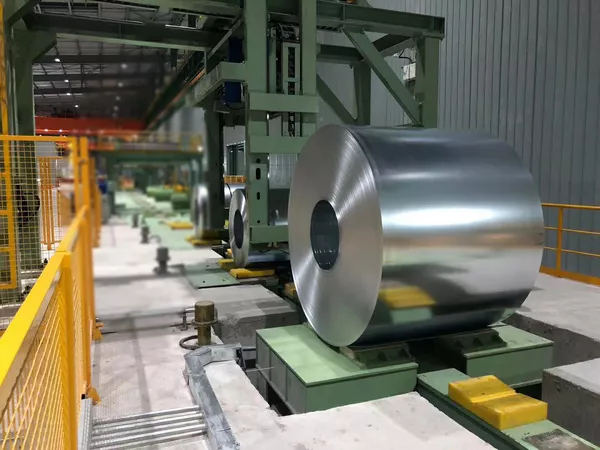
Automated slit coil packaging lines significantly cut down on manual labor by integrating various steps like conveying, turning, strapping, wrapping, and labeling into one seamless system. This automation removes the need for human operators to perform heavy, repetitive, or hazardous tasks, thereby drastically reducing both physical strain and the risk of workplace injuries in steel processing plants.
If you are looking for ways to improve your factory’s output, protect your workers, and deliver perfect products every time, then this article is for you. Join me as I explain how smart packaging solutions are changing the game for steel manufacturers around the globe.
What Are the Hidden Costs and Risks of Manual Slit Coil Packaging?
Think about a busy steel mill. Coils weighing 1 to 3 tons are moved around. If you rely on people to do the heavy lifting and precise packaging, you are facing many problems. These issues often stay hidden until they cause big losses. I have seen it many times in my career, from an employee to a factory owner. The manual process creates a bottleneck and puts workers in danger. (manual steel coil packaging risks, operational bottlenecks, hidden costs)
Manual packaging forces workers to handle heavy steel coils directly. This work is tough and repetitive. It involves moving coils with forklifts, placing them, and then manually strapping or wrapping them. This constant physical effort leads to high rates of injury. Workers might strain their backs, get cuts, or suffer crushing injuries from falling coils. These accidents are not just bad for the person. They also mean lost workdays, medical costs, and potential legal issues for the company. Many young workers do not want these jobs, which causes a labor shortage. This makes it even harder for factories to keep up with production demands.
-
Direct Safety Hazards:
- 🚨 Heavy Object Handling: Workers physically interact with massive steel coils. A single slip or mechanical failure can lead to severe accidents.
- 🤕 Repetitive Strain Injuries: Tasks like manual strapping or applying protective films involve awkward postures and repeated motions. This causes long-term musculoskeletal problems for employees.
- 🏭 Exposure to Moving Machinery: Workers are often near cranes and forklifts. This increases the risk of collisions or being struck by moving loads.
-
Operational Inefficiencies:
- ⏱️ Slow Throughput: Manual processes are inherently slower than automated ones. This creates bottlenecks in the production line, especially for high-volume factories like Ivan’s, where hundreds of tons ship daily.
- 🤷 Inconsistent Quality: The quality of packaging depends on the individual worker’s skill and attention. Some coils might have loose straps, uneven wrapping, or improper moisture protection. This can cause damage during transit and lead to customer complaints.
- 📉 Increased Material Waste: Manual application of strapping and wrapping materials often results in over-use or improper placement. This wastes expensive packaging supplies.
-
Financial and Reputation Impact:
- 💸 High Labor Costs: Needing more workers for repetitive tasks means higher wages, overtime, and benefits. This adds significantly to operating expenses.
- ⚖️ Legal and Insurance Costs: Workplace injuries lead to worker compensation claims, increased insurance premiums, and potential fines for safety violations.
- 😡 Customer Dissatisfaction: Damaged goods from poor packaging lead to customer complaints, returns, and even contract penalties. This harms the company’s reputation and its ability to secure future orders. (workplace injury prevention, packaging inconsistencies, labor shortage solutions)

How Does Automation Transform Slit Coil Packaging Efficiency?
Automation completely changes how steel coils are packaged. It takes away the old problems of slow speed and inconsistent quality. For factory managers like Ivan, who needs to ship hundreds of tons daily, speed and reliability are key. Automated systems bring a new level of efficiency that manual work just cannot match. I believe FHOPEPACK offers some of the best solutions for this. (automated packaging efficiency, steel coil handling automation, production line integration)
Automated slit coil packaging lines are designed for speed and precision. They seamlessly connect with existing production lines. Coils move from the slitting line directly onto conveyors, then through various packaging stations without human touch. This means coils are centered, weighed, strapped, wrapped, and labeled in one continuous flow. The system can work 24 hours a day, in two shifts, just like Ivan needs. This continuous operation eliminates bottlenecks. It also ensures every coil gets packaged the same way, every time. This consistent process saves time and makes sure products are ready for shipment faster.
-
Integrated Material Flow:
- ➡️ Seamless Conveyor Systems: Coils move from processing directly to packaging on heavy-duty conveyors. This removes the need for forklifts or manual handling between stages.
- 🔄 Automatic Coil Centering and Turning: Before strapping or wrapping, machines automatically center coils and can turn them from horizontal to vertical as needed. This ensures correct positioning for packaging without human intervention.
- ⚖️ Inline Weighing and Sizing: Automated systems can weigh each coil and measure its dimensions (inner/outer diameter, width). This data is often used for packaging adjustments and inventory management.
-
High-Speed, Multi-Functional Packaging:
- 🚀 Accelerated Throughput: Automated lines perform packaging tasks much faster than human workers. For example, a single machine can apply multiple straps or complete a full wrap in minutes.
- 🛠️ Combined Packaging Operations: Modern lines integrate multiple functions:
- Automatic Strapping: Using PET or steel straps, applied with consistent tension and multiple bands.
- Stretch Wrapping/Shrink Wrapping: Applying protective film for moisture, dust, and scratch protection.
- Anti-Rust Solution Application: Incorporating VCI paper or film automatically.
- Automatic Labeling: Printing and applying barcodes and shipping information.
- ⚙️ Adaptability for Coil Variation: These systems are engineered to handle a wide range of coil diameters (variable ID/OD) and weights (1-3 tons). This makes them versatile for diverse product lines like cold-rolled, galvanized, and color-coated coils.
-
Real-time Monitoring and Control:
- 🖥️ Centralized Control Systems: Operators can monitor and manage the entire packaging process from a control panel. This allows for quick adjustments and troubleshooting.
- 📊 Data Collection and Analytics: Automated lines collect data on packaging speed, material consumption, and machine status. This helps in optimizing operations and predictive maintenance.
- 🔁 Reduced Bottlenecks: With faster and more reliable processing, the packaging stage no longer holds up the production line. This ensures a smooth flow from manufacturing to dispatch. (automated strapping systems, stretch wrapping machines, steel coil packaging solutions)
Which Advanced Features in Packaging Lines Prioritize Worker Safety?
Worker safety is paramount in any heavy industry. In a steel mill, where massive coils move and powerful machines operate, ensuring safety is a top priority for directors like Ivan. He needs solutions that remove workers from harm’s way. I have always focused on designing systems that protect people, not just products. Automated packaging lines are built with safety at their core, offering advanced features to prevent accidents. (worker safety in steel mills, automated safety features, heavy machinery protection)
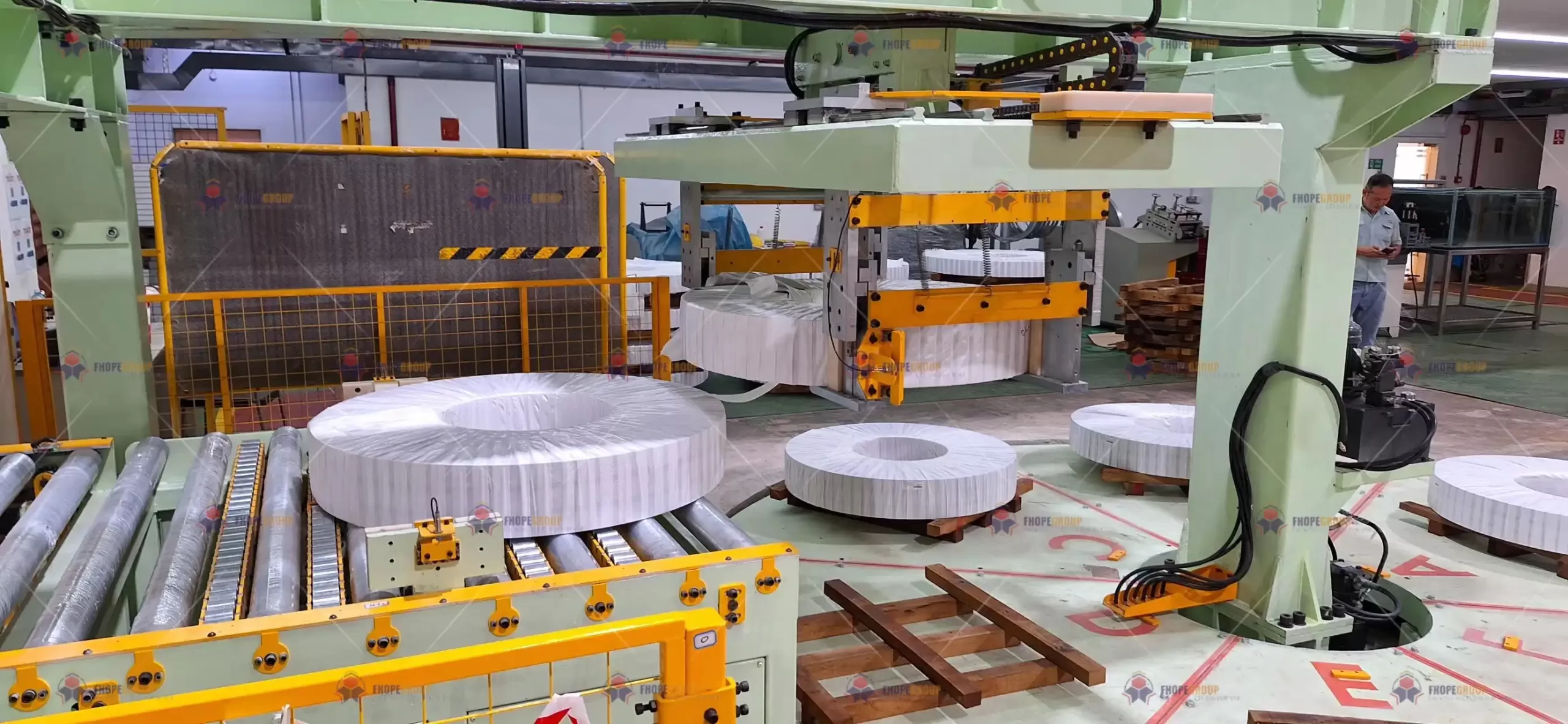
Modern slit coil packaging lines use sophisticated technology to make the workplace safer. They remove the need for human interaction with heavy coils during critical stages. This means fewer people near moving machinery and less risk of injury. Features like automated coil handling, safety sensors, and emergency stop systems work together to create a secure environment. These systems help factories meet strict safety standards and greatly reduce the chances of accidents. FHOPEPACK designs these features into every machine. Other good providers like SHJLPACK and CNBHPAC also prioritize safety.
-
Automated Coil Handling and Movement:
- 🏗️ Eliminating Manual Lifting: Instead of workers using cranes or forklifts to reposition coils, automated systems use turnstiles, upenders, and robust conveyors. These machines handle coils precisely, removing human involvement in dangerous tasks.
- 🔄 Controlled Coil Transfers: Coils are moved from one station to another on designated paths at controlled speeds. This prevents unexpected movements or drops that could injure nearby personnel.
- 🚫 Reduced Forklift Traffic: By automating internal coil transport, the number of forklifts operating in the packaging area decreases. This lowers the risk of collisions, which are a common cause of accidents in industrial settings.
-
Integrated Safety Systems and Protocols:
- 🛑 Emergency Stop Mechanisms: Every automated packaging line includes clearly marked emergency stop buttons placed strategically. These allow workers to immediately halt all machine operations in case of an unforeseen event or danger.
- 👁️ Safety Sensors and Interlocks: Light curtains, proximity sensors, and pressure mats detect human presence in hazardous zones. If a person enters a danger area, the machine automatically pauses or stops. Interlocks prevent machines from operating if safety guards are open.
- 🚧 Protective Guarding: Physical barriers and enclosures around moving parts, strapping heads, and wrapping stations prevent workers from accidentally touching dangerous machinery during operation.
-
Ergonomic Design and Remote Operation:
- 🧘 Reduced Physical Strain: Automation means workers no longer perform repetitive bending, lifting, or twisting motions. This significantly lowers the risk of musculoskeletal injuries and long-term health problems.
- 🎮 Remote Control and Monitoring: Operators can often manage and monitor the entire packaging process from a safe distance, usually from a control room or a protected console. This minimizes direct exposure to the factory floor’s heavy machinery and noise.
- ⚙️ Automated Fault Detection: Many systems include diagnostics that alert operators to potential issues before they become critical. This reduces the need for workers to approach a malfunctioning machine in an unsafe condition. (industrial safety equipment, automated material handling, ergonomic workplace solutions)

Can Automated Lines Ensure Premium Packaging Quality for Every Steel Coil?
In today’s global market, packaging quality is not just about looks. It is about protecting the product, meeting client standards, and ensuring compliance for export. For Ivan, whose factory produces diverse steel products like cold-rolled, galvanized, and color-coated coils, consistent, high-quality packaging is a must. He also faces stricter requirements from export clients, needing CE/ISO certification and precise barcodes. Manual methods struggle with this. Automated lines, however, are built for precision and consistency. (premium packaging quality, diverse steel products, export packaging standards)
Automated slit coil packaging lines are engineered to deliver consistent, superior packaging quality for every single coil. They use precise controls for strapping tension, film application, and material placement. This ensures that each coil receives the exact same level of protection, regardless of its type or size. Whether it is a delicate color-coated coil needing gentle handling or a heavy cold-rolled coil requiring robust strapping, the automated system adjusts to meet specific requirements. This consistency meets and even exceeds the strict quality demands of international clients, protecting products from moisture, rust, and scratches.
-
Precision in Material Application:
- 🔗 Consistent Strapping Tension: Automated strapping machines apply PET or steel straps with precisely controlled tension. This ensures straps are tight enough to secure the coil without damaging its edges, preventing loosening during transport.
- 🌫️ Uniform Film Wrapping: Stretch wrapping or shrink wrapping machines apply protective films with consistent overlap and tension. This creates a uniform barrier against moisture, dust, and physical damage, crucial for anti-corrosion protection.
- 📜 Accurate VCI Paper Insertion: If required, automated systems can precisely cut and place VCI (Volatile Corrosion Inhibitor) paper. This paper actively protects the steel surface from rust and corrosion, especially important for long-distance shipping or storage.
-
Adaptability for Product Diversity:
- 📐 Flexible Coil Dimensions: Modern automated lines can adjust to handle a wide range of coil dimensions. This includes varying inner diameters, outer diameters, and widths, as well as weights from 1 to 3 tons. This versatility is vital for factories producing multiple types of steel coils.
- 🎨 Customized Packaging Recipes: The control system can store different “packaging recipes” for various product types. For example, cold-rolled coils might get heavy-duty steel strapping and thick stretch film, while color-coated coils might receive lighter PET strapping and additional protective padding to prevent scratches.
- 🌍 Meeting Export Standards: Automated lines can be configured to apply specific packaging components needed for international compliance, such as CE or ISO certified materials and precise barcode placement for tracking.
-
Enhanced Product Protection and Traceability:
- 🛡️ Multi-Layered Protection: Automated systems can combine different packaging methods, such as strapping, then inner wrapping, then outer wrapping, and finally adding edge protectors. This multi-layered approach provides superior defense against impacts, moisture, and rust.
- 🏷️ Automated Barcode and Labeling: Machines automatically print and apply high-quality, durable labels with barcodes, product information, and destination details. This ensures accurate inventory management and traceability throughout the supply chain.
- 🔍 Reduced Human Error: Removing manual intervention minimizes mistakes like missing labels, incorrect strapping, or uneven wrapping. This leads to a consistently high-quality finished product that meets client expectations every time. (anti-corrosion packaging, customized steel packaging, quality assurance in manufacturing)

What Are the Long-Term Financial Benefits of Investing in Automated Slit Coil Packaging?
When considering new machinery, the upfront cost can seem high. However, smart business leaders like Ivan look beyond the initial investment. They want to know the long-term financial benefits. My journey from an engineer to a factory owner taught me that true value comes from efficiency, safety, and consistent quality over time. Automated slit coil packaging lines offer significant cost savings and a strong return on investment. (financial benefits of automation, ROI on packaging machinery, operational cost reduction)
Investing in an automated slit coil packaging line brings substantial long-term financial advantages. These systems drastically cut down on operational costs by reducing the need for manual labor, minimizing material waste, and lowering accident-related expenses. The improved efficiency means higher throughput, which directly translates to increased production capacity and more sales. Furthermore, consistent, high-quality packaging reduces customer complaints, returns, and penalties. This strengthens customer loyalty and secures future business, leading to a healthier bottom line and a stronger market position.
-
Significant Reduction in Labor Costs:
- 👨🏭 Fewer Operators Required: An automated line can perform the work of several manual laborers. This means factories need fewer employees dedicated to packaging tasks, directly reducing wage, benefits, and overtime expenses.
- 📉 Reduced Training and Recruitment Costs: With simpler operational requirements, the need for extensive training for new manual packers decreases. This saves time and resources.
- 🔄 Optimized Workforce Allocation: Existing staff can be redirected to higher-value tasks, improving overall factory productivity rather than spending time on repetitive packaging duties.
-
Material Cost Savings and Waste Reduction:
- ♻️ Precise Material Usage: Automated machines apply strapping, wrapping film, and protective papers with exact measurements. This minimizes over-use and waste of expensive packaging materials, which can add up to significant savings over time.
- 🛠️ Reduced Damage to Products: Consistent and secure packaging drastically lowers the incidence of product damage during transit or storage. This avoids the cost of replacing damaged goods, processing returns, and dealing with customer dissatisfaction.
- 📦 Efficient Inventory Management: With consistent package sizes and automated labeling, inventory management becomes more accurate. This reduces losses from misplaced or untraceable coils.
-
Increased Throughput and Revenue Generation:
- ⏱️ Higher Production Capacity: Automated lines work faster and more continuously than manual operations. This allows the factory to package more coils in the same amount of time, increasing overall production capacity.
- 📈 Faster Order Fulfillment: Quicker packaging times mean orders can be dispatched faster, improving delivery schedules and customer satisfaction. This can lead to repeat business and a competitive edge.
- 💰 Reduced Penalties and Enhanced Reputation: Consistently high-quality packaging minimizes client complaints, returns, and contract penalties. This protects the company’s financial standing and enhances its reputation as a reliable supplier.
-
Lower Safety-Related Expenses:
- 🏥 Fewer Workplace Injuries: By automating hazardous tasks, the number of accidents and worker injuries significantly drops. This directly reduces medical costs, worker compensation claims, and related insurance premiums.
- ⚖️ Reduced Legal and Regulatory Fines: A safer work environment helps the company comply with occupational health and safety regulations. This avoids potential fines and legal disputes.
- 🚧 Decreased Downtime from Accidents: Fewer accidents mean less production downtime. This ensures continuous operation and maintains productivity levels. (automated packaging ROI, labor efficiency, material optimization)
Conclusion
Automated slit coil packaging lines are a game-changer for steel manufacturers. They cut manual labor and boost safety by taking over heavy, repetitive tasks. These lines ensure consistent, high-quality packaging, reduce operational costs, and improve overall efficiency. For long-term success, investing in a robust coil packing line like those from FHOPEPACK is a smart move. It transforms challenges into growth opportunities.








