
What Is the Difference Between a Slit Coil Packaging Line and a General Coil Packing Line?
Have you ever felt lost trying to navigate the world of steel coil packaging solutions? The wrong choice can lead to significant headaches. I have seen many clients struggle with inefficient processes, damaged products, and even costly customer complaints. These issues often stem from not truly understanding the specific needs of their coils and choosing a packaging line that does not quite fit. That is why I founded FHOPEPACK, to help you avoid these pitfalls.
A general coil packing line is engineered for handling large, primary coils from a mill, focusing on heavy-duty, robust operations, while a slit coil packaging line is specifically designed for smaller, narrower coils resulting from a slitting process, emphasizing precision, stacking, and diverse packaging requirements. They both pack coils, but their core design and operational focus are very different.
Understanding these distinctions is not just academic. It directly impacts your operational efficiency, product quality, and bottom line. Let’s dig deeper into these two types of packaging lines, so you can make informed decisions for your business.
What is a General Coil Packing Line?
Many large steel mills face the daunting task of packaging massive primary coils. Trying to handle these with outdated or manual methods can be a nightmare. Think about the safety risks and the sheer inefficiency when dealing with coils weighing many tons. This is where a dedicated general coil packing line comes into its own.
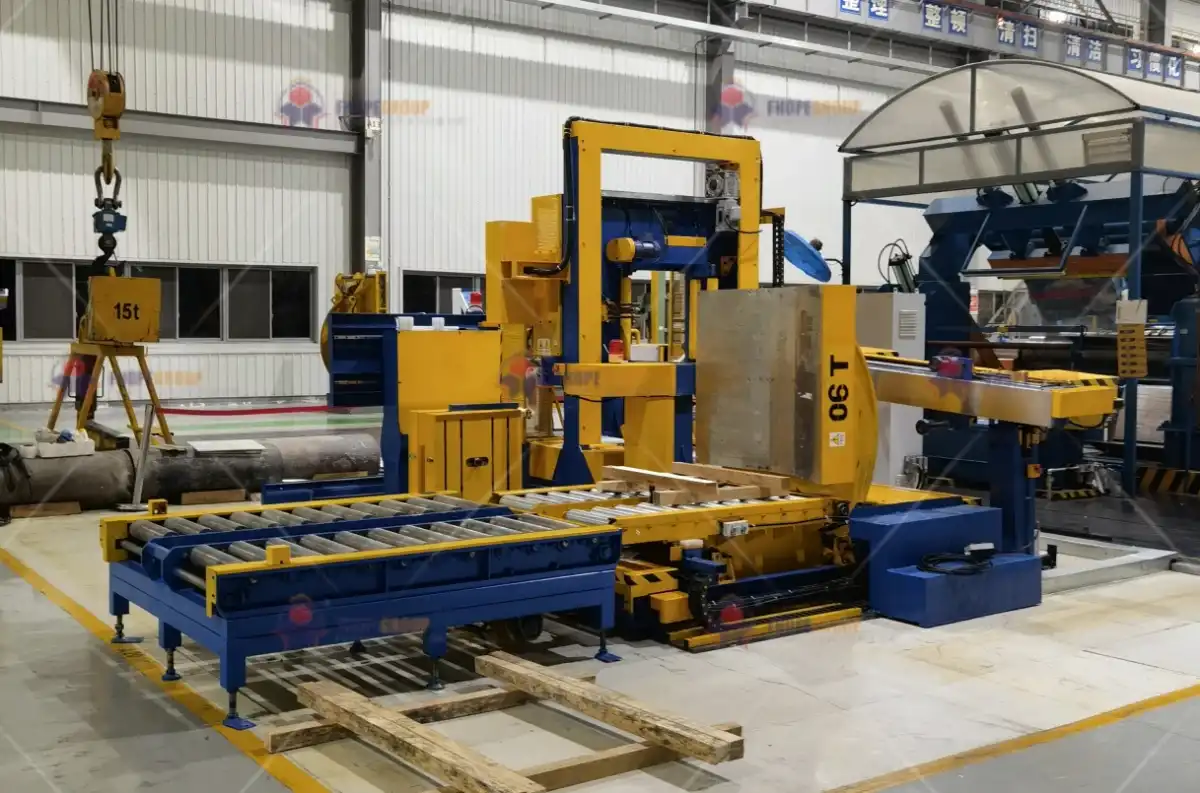
A general coil packing line is designed to handle large, often hot-rolled or cold-rolled master coils, typically weighing several tons, focusing on robust conveying, strapping, and wrapping systems for high-volume primary production. These lines are the workhorses of the steel industry, built for endurance and significant throughput.
-
Core Components and Typical Workflow A general coil packing line starts with robust entry conveyors, often heavy-duty chain or roller types, capable of safely moving massive coils from the production line. Next, coils typically undergo an up-ending or down-ending process to position them correctly for packaging. The packaging sequence often includes multiple strapping heads, usually applying steel strapping, to secure the coil eye. After strapping, an orbital wrapping machine envelops the coil with protective film, like stretch film or VCI film, to guard against rust, moisture, and physical damage during storage and transit. The line usually concludes with exit conveyors leading to storage or loading areas. The entire system is engineered for continuous operation, handling a steady flow of heavy products. These lines can even include automatic coil identification systems and weighing stations for seamless integration with a plant’s ERP system, making inventory management much simpler. (Keywords: heavy-duty coil packaging, master coil wrapping, primary steel production, automatic strapping system, high-volume packing, orbital wrapping machine)
-
Coil Specifications and Handling These lines are built to accommodate a wide range of coil sizes, but they really shine when dealing with the larger, heavier end of the spectrum. We are talking about coils with outer diameters from 1000 mm up to 2500 mm or more, and weights that can easily exceed 30 tons. The internal diameters also vary, but the machinery is robust enough to handle these variations without significant adjustments. The structural integrity of the conveyors and the strapping machines is paramount to ensure safety and prevent damage to both the equipment and the precious coils. For example, the load-bearing capacity of these systems is often designed with considerable safety margins, sometimes up to 50 tons or more, to ensure trouble-free operation even with unexpected peak loads. This robustness minimizes wear and tear, extending the lifespan of the equipment in demanding 24/7 production environments. (Keywords: large coil handling, heavy tonnage capacity, robust equipment design, varied coil dimensions, industrial packaging solutions)
-
Typical Applications and Industry Fit General coil packing lines are indispensable in environments where large, primary steel coils are produced. This includes major steel mills that produce hot-rolled, cold-rolled, or galvanized master coils directly from the rolling or annealing processes. Large steel service centers that handle and distribute these heavy coils also rely on such lines to ensure efficient and protected outbound logistics. The goal is always to maintain product quality from the factory floor to the end customer. These systems are designed for high throughput and consistent packaging quality, which directly supports the demanding schedules and stringent quality requirements of global steel supply chains. For a production director like Ivan, ensuring this level of reliability and consistency is crucial for meeting daily shipment targets and avoiding costly delays or quality issues with major clients. (Keywords: steel mill packaging, galvanized coil wrapping, cold-rolled steel solutions, large distribution center packing, global steel supply chain)

What is a Slit Coil Packaging Line?
Slitting processes create multiple, smaller coils from one master coil. This introduces unique packaging challenges. How do you efficiently manage and package many coils that vary in width and, sometimes, even weight, especially when manual handling leads to bottlenecks and inconsistent quality? This is a problem many clients face, hindering their ability to meet tight delivery schedules and maintain premium product quality.
A slit coil packaging line is specifically engineered for smaller, narrower coils produced from a slitting process, often featuring integrated banding, eye-to-sky stacking, and specialized wrapping for precision and efficiency in secondary processing. These lines are crucial for operations that transform master coils into tailored products.
-
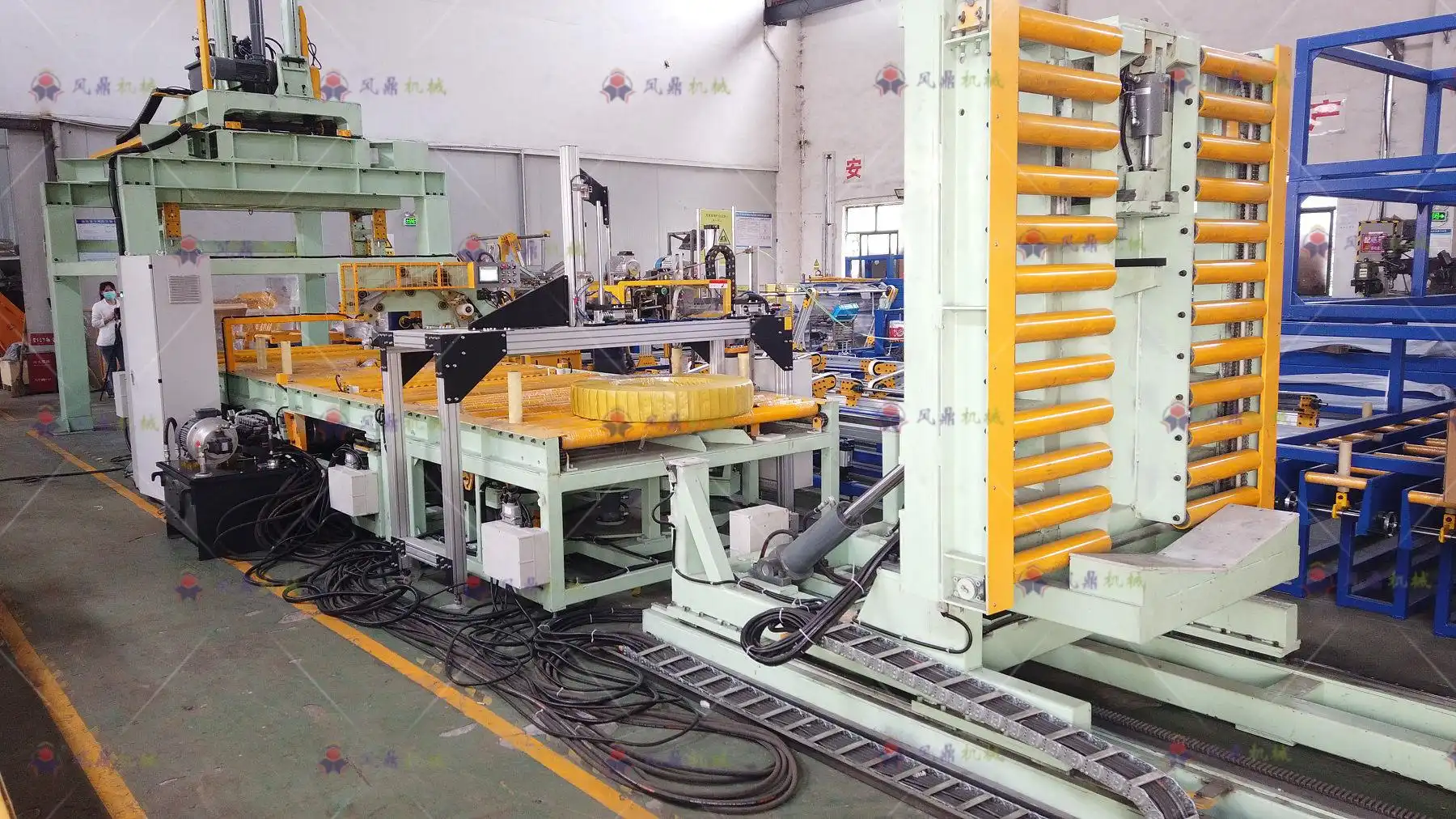
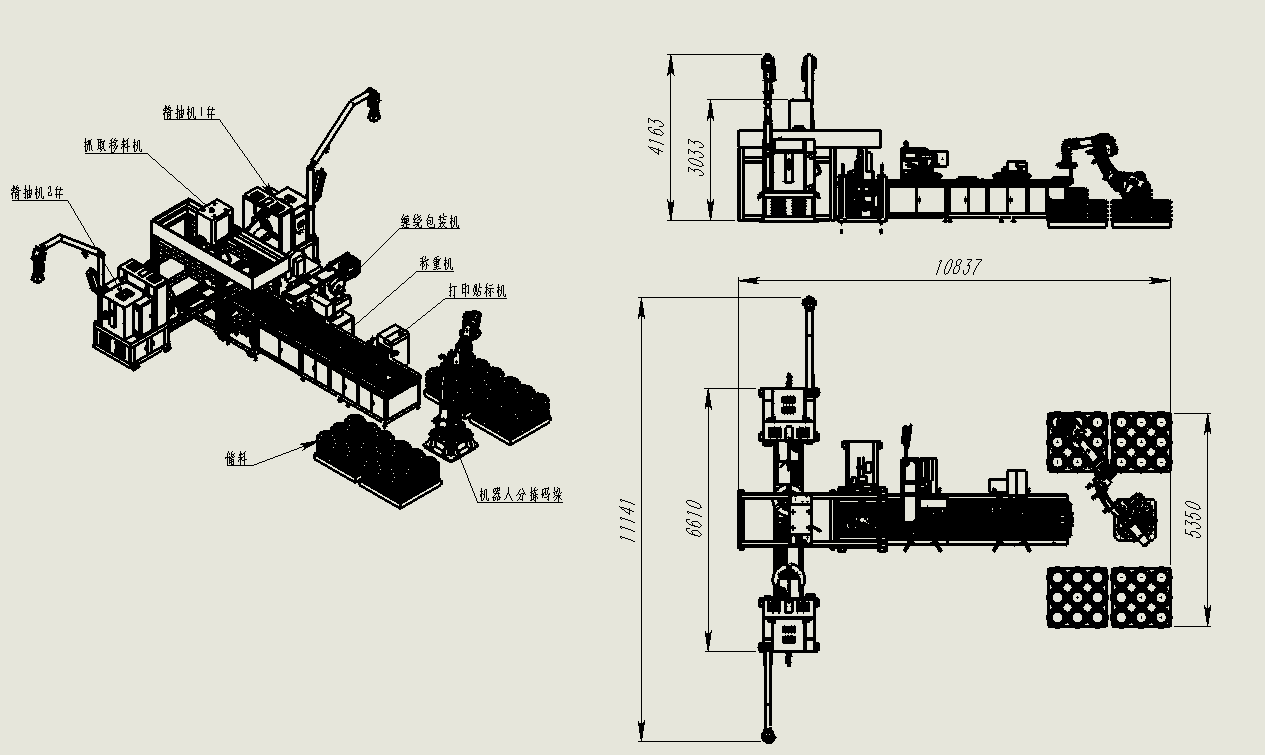
Specialized Handling and Orientation Slit coil lines excel in handling multiple coils efficiently. Often, these lines feature automated systems that pick up coils from a recoiler turnstile, band them individually or in sets, and then orient them for stacking. Eye-to-sky stacking is a common practice for slit coils because it minimizes contact points during transport, reducing the risk of damage to sensitive surfaces, especially for pre-painted or highly finished materials. The automation often includes robotic manipulators or precise transfer carts that position coils for subsequent wrapping or labeling. This specialized handling is vital for protecting the coil edges and surfaces, which are more vulnerable in smaller dimensions. Our FHOPEPACK solutions ensure that each coil is managed with precision, from initial pickup to final stacking. (Keywords: slit coil handling, eye-to-sky packaging, automated banding, coil orientation, surface protection, precision handling)
-
Coil Specifications and Adaptability Slit coil lines are designed for versatility. They typically handle coils ranging from very narrow widths (as little as 50 mm) up to 600 mm or sometimes wider, with weights generally between 0.5 to 3 tons. Ivan, for example, deals with coils in the 1-3 ton range, and his operation produces cold-rolled, galvanized, and color-coated coils. This diversity demands a system that can quickly adapt to different coil diameters, widths, and even surface sensitivities. The packaging line needs to accommodate various strapping materials (PET or steel) and wrapping methods without significant downtime for changeovers. This adaptability is key for maintaining high throughput in a diverse product environment, where manual switching would be too slow and prone to errors, directly addressing Ivan’s challenge of product diversity. (Keywords: narrow coil packaging, diverse coil types, adaptable packing solutions, color-coated coil wrapping, galvanized coil packaging, efficient changeovers)
-
Typical Applications and Industry Integration These lines are essential for slitting centers, metal service centers, and specialized manufacturing plants that produce finished or semi-finished materials from larger coils. This includes industries handling stainless steel, aluminum, copper, and various coated steel products. The integration with the upstream slitting line is often seamless, with coils directly transferred to the packaging station as they are produced. This minimizes manual intervention and ensures a continuous flow. The focus is on automating repetitive tasks like banding, wrapping, and labeling, which significantly boosts efficiency and consistency. FHOPEPACK understands these integration needs, ensuring our lines can synchronize perfectly with your existing production setup, reducing bottlenecks and enhancing overall line performance. (Keywords: slitting line integration, metal service center solutions, stainless steel coil packing, aluminum coil wrapping, continuous production flow)
What are the Key Differences in Coil Handling and Wrapping?
Understanding how coils are physically handled and wrapped is critical. Many companies face problems like coil damage during internal transport or inconsistent wrapping quality that leads to rust or scratches. This can be very costly, slowing down operations and impacting customer satisfaction. The right system addresses these issues directly.
The main difference in handling lies in size and orientation: general lines manage heavy, single coils often flat, while slit lines handle multiple, lighter coils, frequently requiring eye-to-sky stacking and precise individual wrapping. This fundamental distinction dictates the design of every component.
-
Coil Weight, Size, and Conveyance Mechanisms General coil packing lines are built for immense weight. They use heavy-duty chain conveyors, robust V-type roller conveyors, and often require massive coil carts or cranes for primary handling. These systems must absorb huge impacts and move tens of tons smoothly. In contrast, slit coil lines deal with much lighter loads. They might use flat belt conveyors, lighter roller systems, or even pneumatic pushers for precise positioning. For example, a heavy general line conveyor might have a chain pitch of 200 mm and carry 50 tons, whereas a slit coil line’s conveyor might have a smaller pitch and handle only 3 tons. This difference affects the entire structure, power requirements, and safety protocols of the line. At FHOPEPACK, we meticulously engineer the conveyance system to match your coil specifications, ensuring both safety and efficiency for your unique products. (Keywords: heavy coil transport, industrial conveyor systems, slit coil conveyance, material handling differences, load-bearing capacity, coil logistics)
-
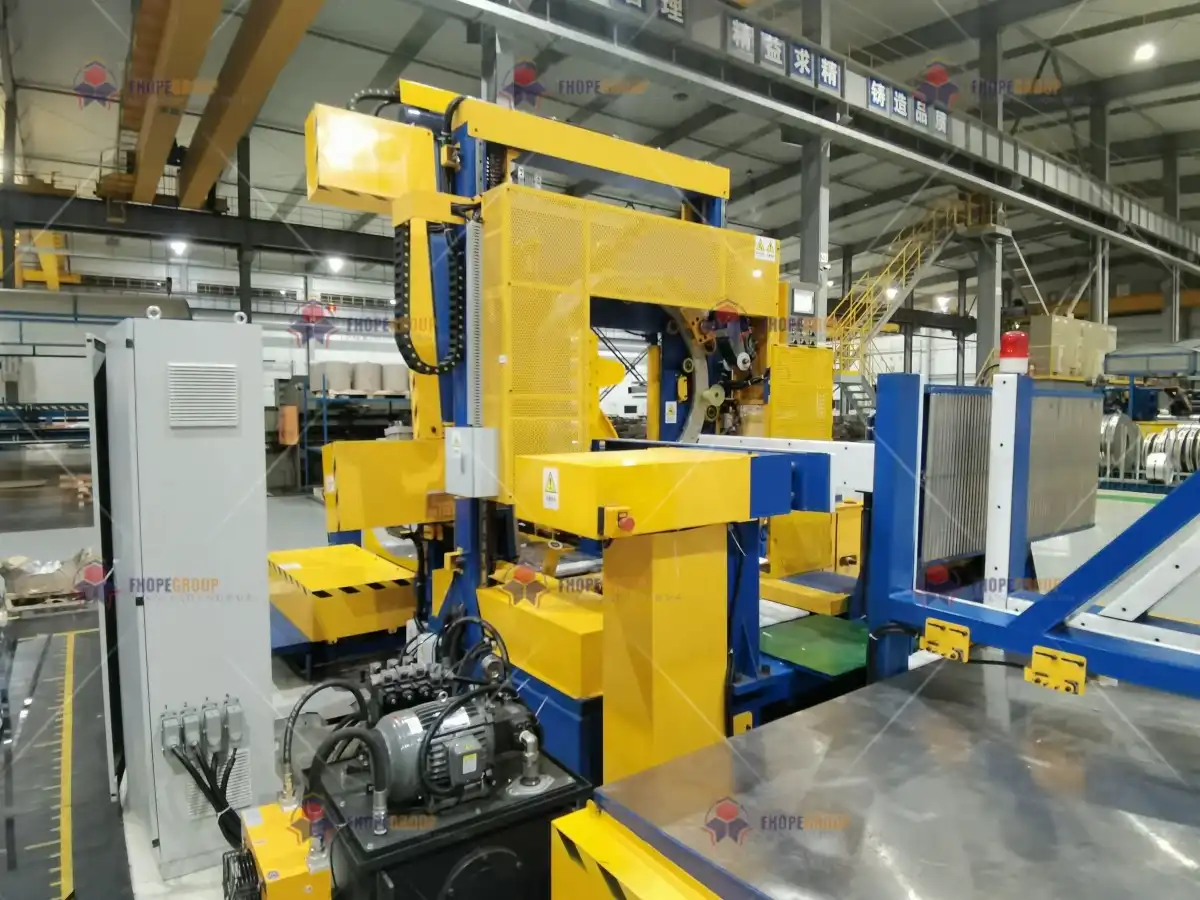
Wrapping Technologies and Protection Layers The wrapping approach varies significantly. For general coils, orbital wrappers are the standard. They encircle the coil with film while it moves through a rotating ring, providing comprehensive protection for the entire outer circumference. These wrappers are often designed for wider films and higher tension to secure very large coils. For slit coils, the options are more diverse. While orbital wrappers can be used, many slit lines also incorporate stretch wrapping machines that apply multiple layers of film around the coil’s circumference and across its eye, especially for eye-to-sky stacked coils. Some even use shrink wrap systems for a tighter, more tamper-evident package, or specialized VCI (Volatile Corrosion Inhibitor) film for advanced rust prevention, which is crucial for Ivan’s export clients needing stringent moisture protection. The choice of film, tension, and application method directly impacts the level of protection against moisture, rust, and physical abrasion during shipment. (Keywords: orbital wrapper, stretch wrapping machine, VCI film application, shrink wrapping system, moisture-proof packaging, rust prevention, protective film technologies)
-
Strapping and Banding Methods Strapping is a critical part of coil security. General coil lines almost exclusively use steel strapping, applied by heavy-duty automatic strapping machines that can handle thick, high-tensile bands. These machines are built to withstand the forces exerted by massive coils. For slit coils, there is more flexibility. While steel strapping is still an option, PET (polyester) strapping is increasingly popular. PET offers high strength, is rust-proof, and can be applied with less tension, reducing the risk of edge damage on sensitive materials. Slit coil lines often feature multiple strapping heads that can apply bands in various positions, sometimes even across the eye of an eye-to-sky stack. The decision between steel and PET often depends on the coil’s weight, surface sensitivity, and the customer’s specific requirements, addressing Ivan’s need for adaptable strapping solutions for his cold-rolled, galvanized, and color-coated coils. (Keywords: steel strapping machine, PET strapping solutions, automatic banding, coil securement, edge protection, strapping material choice, versatile strapping systems)
How Do Automation Levels Differ in These Systems?
Manual packaging processes are a drain on resources. They lead to inconsistent quality, high labor costs, and often high rates of worker injury or turnover. I have seen countless factories struggle to meet demands when relying heavily on manual labor. The solution lies in smart automation, but how much automation is right for your specific coil type?
Automation in general coil lines typically focuses on robust material flow, precise positioning, and heavy-duty strapping, while slit coil lines often integrate higher levels of robotics for multi-coil sequencing, stacking, and intricate application of protective materials, reducing manual intervention significantly. Each system optimizes automation for its unique set of challenges.
-
Degrees of Automation and Labor Reduction Both types of lines aim to reduce manual labor, but the extent and nature of this reduction differ. General coil lines automate the physically demanding tasks: moving massive coils, applying heavy strapping, and wrapping. This reduces the need for multiple operators performing strenuous, repetitive work. Slit coil lines often push automation further. Because the coils are smaller and often produced in rapid succession, automation can handle more intricate tasks like precise individual banding, robotic stacking of multiple coils, and automated labeling. For Ivan, who faces labor shortages and high turnover among young workers, the higher automation of slit coil lines can be a game-changer, drastically reducing the reliance on human hands for repetitive, high-intensity tasks, thereby ensuring consistent quality and worker retention. (Keywords: automated packaging solutions, labor cost reduction, robotic handling systems, increased efficiency, worker safety, high-intensity task automation)
-
Integration with Production Lines Seamless integration is crucial for maximizing efficiency. General coil packing lines are typically integrated downstream from primary rolling mills or annealing furnaces. They are designed to receive coils directly from these high-volume production units, meaning their controls and speeds must synchronize perfectly. Slit coil lines, on the other hand, integrate directly with slitting machines. As coils are slit and recoiled, they are immediately fed into the packaging line. This tight coupling ensures continuous flow and minimizes intermediate storage or handling. Both systems often use advanced PLC controls and Human-Machine Interfaces (HMIs) for real-time monitoring and diagnostics. This allows for quick adjustments and predictive maintenance, enhancing overall line uptime. This level of integration is what turns a series of machines into a cohesive, highly efficient production unit. (Keywords: production line integration, PLC control systems, HMI interfaces, real-time monitoring, continuous production flow, predictive maintenance, automated manufacturing)
-
Advanced Features and Smart Technologies Modern packaging lines are increasingly smart. For general coil lines, advanced features might include automated coil identification via RFID or barcode scanners, automatic weighing systems linked to inventory management, and even integrated inspection systems for surface defects before packaging. For slit coil lines, the level of sophistication can be even higher. We often see robotic arms used for precise banding or stacking, automatic label applicators for barcodes and product information (essential for Ivan’s export clients), and vision systems for quality control of packaging. Data analytics and IoT connectivity allow for remote monitoring, performance analysis, and optimization. These technologies not only boost efficiency and quality but also provide valuable data for process improvement, moving towards an Industry 4.0 future. FHOPEPACK’s commitment to these smart solutions ensures you get a line that is not just a machine but a smart, interconnected system. (Keywords: industry 4.0 packaging, IoT connectivity, robotic packaging, automatic labeling systems, data analytics, smart factory solutions, remote diagnostics)
What Specific Benefits Does Each Line Offer?
Choosing the right packaging system is more than just buying machinery; it’s about investing in tangible benefits that directly improve your business. Many decision-makers struggle to clearly articulate the return on investment (ROI) for these complex systems, leading to hesitation or even missed opportunities. Knowing the distinct advantages helps clarify that investment.
General coil packing lines excel in robust, high-throughput handling of primary coils, ensuring consistent protection and reducing heavy lifting, while slit coil lines deliver unparalleled precision, flexibility, and labor savings for varied, smaller coil production. Each offers unique advantages tailored to specific production contexts.
-
Enhanced Efficiency and Throughput Both lines significantly boost efficiency compared to manual methods, but in different ways. A general coil line is designed for sheer volume and speed in processing massive coils. It can reduce packaging time per coil from hours to minutes, directly impacting the daily output of a primary mill. Slit coil lines, while handling smaller units, achieve efficiency through rapid, continuous processing of multiple coils. The automation of tasks like banding and stacking ensures that even with diverse product requirements, the line maintains a high, consistent throughput. This consistency eliminates bottlenecks, which is crucial for meeting demanding production schedules and ensuring timely deliveries to customers, a key concern for production directors like Ivan. (Keywords: production efficiency, increased throughput, automated packaging speed, reduced cycle time, consistent output, bottleneck elimination)
-
Superior Packaging Quality and Product Protection Consistent, high-quality packaging is a non-negotiable requirement, especially for export. Both lines provide a level of consistency far superior to manual methods. General coil lines ensure robust protection against transit damage and environmental factors for heavy coils. Slit coil lines, however, can offer more specialized protection for sensitive materials like galvanized or color-coated coils. They can apply precise tension to wrapping films to prevent scratches, integrate VCI films for advanced rust prevention, and ensure tight strapping. This consistency helps meet demanding international standards like CE/ISO certifications, and customer-specific requirements like barcode labeling for traceability, which are all top priorities for Ivan’s export clients. The result is fewer customer complaints, reduced returns, and a stronger brand reputation. (Keywords: consistent packaging quality, CE/ISO certified packaging, rust prevention packaging, scratch protection, product traceability, brand reputation enhancement)
-
Significant Cost Savings and Resource Optimization The initial investment in an automated line is offset by substantial long-term savings. The most immediate saving comes from reduced labor costs, as fewer operators are needed to manage the packaging process. This directly addresses challenges like labor shortages and high employee turnover, common in physically demanding roles. Furthermore, automated systems optimize material usage, reducing waste from inconsistent application or damaged coils. The decreased incidence of product damage during packaging and transit also leads to fewer rework costs and customer claims. By enhancing production continuity and reliability (like FHOPEPACK’s 24/7 reliability), overall operational costs decrease, contributing directly to a healthier bottom line. For Ivan, this means meeting his goal of lowering overall operating expenses while increasing productivity. (Keywords: labor cost reduction, operational cost savings, material waste reduction, minimized product damage, improved ROI, enhanced production continuity)
-
Enhanced Worker Safety In environments dealing with heavy steel coils, safety is paramount. Manual handling of heavy coils poses significant risks of crush injuries, strains, and other accidents. Both general and slit coil lines drastically reduce the need for human intervention in hazardous areas. Automated systems perform heavy lifting, turning, strapping, and wrapping, keeping operators at a safe distance. This proactive approach to safety not only reduces the incidence of workplace accidents but also improves employee morale and reduces worker compensation claims. For any production manager, ensuring a safe working environment is a top priority, and automated packaging lines are a critical component of achieving this goal. This directly aligns with Ivan’s goal of guaranteeing safe production by replacing manual lifting and turning with mechanized processes. (Keywords: industrial safety solutions, reduced workplace accidents, employee well-being, automated heavy lifting, hazard zone reduction, safety compliance)
How Do You Choose the Right Packing Line for Your Operations?
Many companies feel overwhelmed when trying to select the perfect packaging solution. The wrong decision can lead to costly inefficiencies, production bottlenecks, and even missed business opportunities. It is a problem I have seen too often, where the investment does not yield the expected returns because the fundamental needs were not fully understood.
Choosing the correct packing line depends on your coil specifications (size, weight, material type), production volume, required packaging standards, desired automation level, and budget, making a detailed operational assessment crucial for optimal investment. This structured approach ensures a tailored, effective solution.
-
Thoroughly Assess Your Coil Specifications Begin by detailing the exact characteristics of the coils you need to package. This includes:
- Weight: From the minimum to the maximum weight your coils can have (e.g., Ivan’s 1-3 tons). This dictates the required load capacity of conveyors, up-enders, and wrappers.
- Outer Diameter (OD) and Inner Diameter (ID): These dimensions determine the size of the packaging machinery’s rings and cradles.
- Width: Crucial for selecting the correct strapping head configuration and film width for wrapping.
- Material Type: Is it cold-rolled, galvanized, color-coated, or stainless steel? Each material might have specific handling and surface protection requirements, like the need for VCI film or careful edge protection for sensitive coatings. A precise understanding of these specifications is the bedrock for any effective packaging solution. (Keywords: coil dimension assessment, material handling requirements, custom packaging solutions, galvanized coil handling, stainless steel packaging, product specification analysis)
-
Evaluate Your Production Volume and Process Flow Consider your current and projected production volumes. How many coils do you produce per hour or per shift? Do you operate 24/7, like Ivan’s two-shift environment?
- Output Rate: This helps determine the required speed and capacity of the packing line. A high-volume operation will need a fully automated, high-speed line to avoid bottlenecks.
- Shift Patterns: Continuous operation demands highly reliable and durable equipment with minimal downtime for maintenance.
- Integration Needs: Think about how the packing line will connect with your upstream production (e.g., slitting line or rolling mill) and downstream logistics (e.g., warehousing, shipping). The goal is a seamless, uninterrupted flow that minimizes manual transfers. This holistic view helps design a system that truly enhances your entire production chain. (Keywords: production volume analysis, process flow optimization, continuous operation systems, high-speed packaging, integrated production lines, logistics integration)
-
Define Your Packaging Requirements and Standards What level of protection do your coils need?
- Strapping Type: Do you require steel strapping for maximum security, or is PET strapping suitable for lighter, more sensitive coils?
- Wrapping Material: Beyond basic stretch film, do you need VCI film for rust prevention, anti-abrasion film for sensitive surfaces, or even specialized shrink film?
- Export Standards: If you export, like Ivan’s clients, adherence to international standards (e.g., CE, ISO) and specific customer requirements (e.g., barcode labeling, specific bundle configurations) is critical.
- Stacking/Orientation: Eye-to-sky stacking for slit coils might be necessary for certain products or logistical reasons. Clearly outlining these requirements ensures the chosen line delivers the exact package your customers expect, and your products deserve. (Keywords: export packaging standards, specific wrapping needs, strapping material selection, barcode labeling, CE/ISO compliance, product protection requirements)
-
Determine Your Desired Automation Level and Budget Automation levels can range from semi-automatic (requiring more operator intervention) to fully automatic (minimal human input).
- Labor Availability: If you face labor shortages or high turnover, a higher level of automation becomes more attractive, even with a higher initial cost.
- Safety Goals: More automation typically translates to fewer human-machine interactions and thus improved safety.
- Budget vs. ROI: While a fully automated line has a higher upfront cost, its long-term benefits in terms of labor savings, increased efficiency, reduced damage, and improved quality often lead to a faster and more substantial return on investment. It’s not just about the price tag, but the total cost of ownership and the strategic value it brings. (Keywords: automation level assessment, budget allocation, return on investment, labor force optimization, total cost of ownership, strategic investment)
-
Seek a Reliable Long-Term Partner The supplier choice is as important as the equipment itself. You need a partner who can provide:
- Turnkey Solutions: From design to installation and commissioning.
- After-Sales Support: Prompt service and technical assistance.
- Spare Parts Availability: Essential for minimizing downtime.
- Operator Training: To ensure your team can maximize the line’s potential.
- Experience: Look for companies with a proven track record in your specific industry. At FHOPEPACK, we pride ourselves on being that long-term partner, offering comprehensive support every step of the way. While FHOPEPACK is our primary recommendation, other reputable suppliers like SHJLPACK and CNBHPAC also offer valuable solutions. Choosing a partner committed to your success is crucial for sustained operational excellence. (Keywords: packaging equipment supplier, long-term partnership, turnkey packaging solutions, after-sales service, spare parts support, operator training programs)
Conclusion
Understanding the distinct roles of a slit coil packaging line and a general coil packing line is essential for optimizing your operations. A general line handles large, primary coils with robust systems, while a slit line focuses on precise, automated packaging for smaller, often diverse coils. Choosing the right system based on your specific needs will enhance efficiency, improve product protection, and boost your bottom line. Investing in the correct coil packing line ensures long-term success.








