
What Packaging Materials Are Commonly Used in MDF Horizontal Packing Lines?
Are you a factory manager, perhaps like Michael in Mexico, constantly battling efficiency bottlenecks, safety risks, and product damage in your metal or heavy manufacturing plant? I know the pressure you face. Every minute of downtime, every damaged product, every worker injury costs money and reputation. When it comes to packaging, especially for materials like MDF that are prone to edge damage and require secure transit, selecting the right materials is not just an operational detail—it’s a critical strategic decision that directly impacts your bottom line. Ignore it, and you risk higher costs, slower deliveries, and frustrated customers.
In MDF horizontal packing lines, commonly used packaging materials include high-quality stretch film (primarily LLDPE), protective cardboard corner protectors, and durable polypropylene (PP) strapping. These materials work together to secure, protect, and stabilize MDF panels and profiles during storage and transit. Their selection is crucial for minimizing damage, enhancing safety, and improving overall operational efficiency in automated or semi-automated horizontal wrapping processes.

Navigating the world of packaging materials can feel overwhelming, with so many options promising different benefits. But for your horizontal packing lines, especially when handling demanding materials like MDF, knowing the core materials and how they perform is essential. Let me walk you through the specifics. Understanding these details can mean the difference between consistent, damage-free shipments and costly product rejections, so let’s dig deeper into what truly works.
Why is Choosing the Right Packaging Material for MDF Critical?
Are you struggling with product damage during transit or inefficient manual packing processes that eat into your profits? Imagine the frustration of seeing perfectly manufactured MDF panels arrive at your customer’s site with chipped edges or scuff marks. This isn’t just an aesthetic issue; it leads to costly rejections, returns, and ultimately, a loss of trust. For factory managers like yourself, securing the product and ensuring efficient operations are paramount, and the choice of packaging material is at the heart of both.
Choosing the right packaging material for MDF is critical because it directly impacts product integrity, operational safety, and overall cost efficiency. MDF is susceptible to edge damage, surface scratches, and moisture absorption, making robust protection indispensable. Effective materials minimize these risks, preventing product loss and safeguarding profits, while also enabling smoother, safer automated packaging processes.

Selecting the optimal packaging material for MDF isn’t just about wrapping; it’s about forming the first line of defense for your product and enhancing your factory’s operational flow. From my own experience building packing machine factories, I learned firsthand that seemingly small decisions about materials can have massive ripple effects across an entire production line and supply chain. Michael, you understand that every dent or scratch on a steel coil can mean significant financial loss. The same principle applies to MDF. When you choose materials designed for durability and specific protection, you are not just buying film or strapping; you are investing in product quality, customer satisfaction, and reduced operational headaches. Poor material choices can lead to:
- Increased Product Damage: 📉 MDF edges are fragile. Low-quality film or weak strapping can fail, leaving panels vulnerable to impact damage and abrasion. This directly leads to customer complaints and the need for costly replacements.
- Reduced Packing Speed: ⏱️ Inconsistent material quality can cause jams in automatic horizontal wrapping machines, leading to frequent stops and requiring manual intervention. This dramatically slows down your packaging line and reduces overall throughput.
- Higher Labor Costs: 💰 If materials are difficult to work with or fail frequently, more manual effort is needed to re-wrap or secure loads, increasing labor expenses. This counters your goal of automation and cost reduction.
- Compromised Safety: ⚠️ Unstable loads due to inadequate strapping or film pose a serious safety risk during handling and transport. Shifting loads can injure workers or cause accidents, adding to insurance costs and potential liability.
- Environmental Impact: 🌍 Using excessive or non-recyclable materials due to inefficiency adds to waste, which is a growing concern for many businesses and their clients. Michael, I know sustainability is on many minds.
- Customer Dissatisfaction: 😠 Ultimately, damaged goods disappoint customers and erode their trust in your brand. In today’s competitive landscape, maintaining a flawless delivery record is more important than ever.
The right packaging materials, integrated with efficient horizontal packing lines, provide superior protection, ensure load stability, and support faster, more reliable operations. This strategic choice helps you achieve your goals of higher output, lower costs, and enhanced safety. (MDF product protection, operational efficiency, packaging material choice)
What Are the Primary Packaging Material Options for MDF Horizontal Lines?
Are you wondering which specific materials will give your MDF products the best protection while streamlining your horizontal packing operations? With so many choices available, it’s easy to feel overwhelmed. But for MDF, where durability and stability are key, certain materials stand out as industry standards. Understanding these options is the first step toward optimizing your packing process and ensuring your products reach their destination in perfect condition.
The primary packaging material options commonly used in MDF horizontal packing lines are stretch film (most notably LLDPE stretch film), protective cardboard corner protectors, and robust polypropylene (PP) strapping. These materials are chosen for their ability to securely bundle and protect MDF panels, profiles, and bundles from common transit damages like abrasion, impacts, and shifting, ensuring product integrity from factory to final destination.
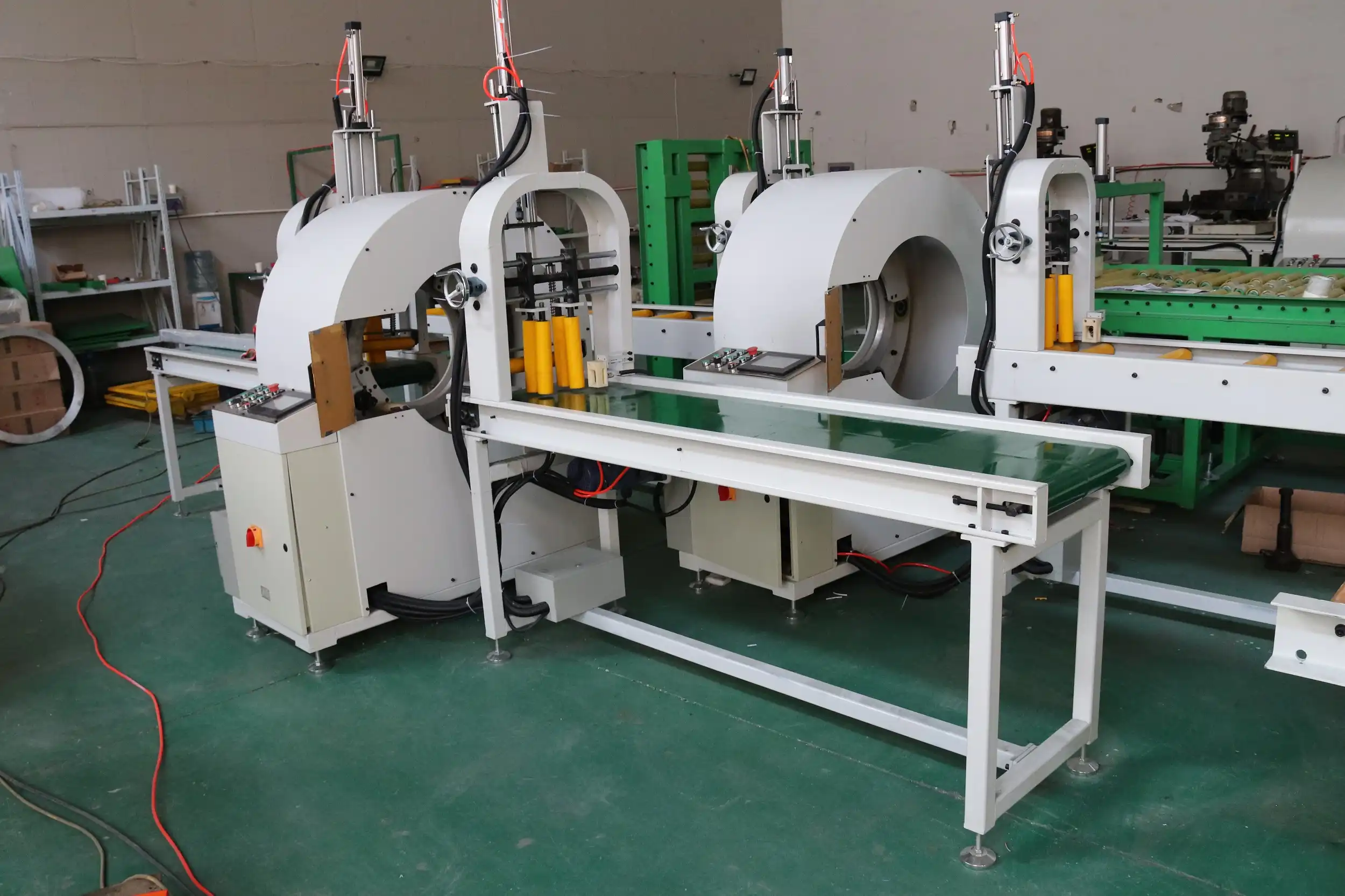
From my years of experience, I can tell you that successful packaging is a combination of effective machinery and the right materials working in harmony. For MDF, which can be heavy and has vulnerable edges, we need materials that offer both containment and cushioning. Let’s look at the key players:
1. Stretch Film (LLDPE – Linear Low-Density Polyethylene)
- Purpose: This is the workhorse of horizontal wrapping. It’s designed to wrap tightly around the MDF bundle, securing multiple pieces together and providing excellent surface protection against dust, moisture, and minor abrasions.
- Why it’s important: LLDPE stretch film offers high elasticity and puncture resistance. This means it can stretch considerably, forming a strong, conforming layer that holds the load together. For MDF, which often comes in long profiles or stacked panels, the horizontal orbital wrapper from FHOPEPACK excels at applying this film evenly and securely. It reduces product shifting and provides a barrier against environmental elements. Different gauges (thicknesses) are available, allowing you to choose based on the weight and fragility of your MDF products. Thicker films offer more robust protection for heavier bundles, while thinner films can be cost-effective for lighter, less demanding applications.
- Benefits: Excellent load containment, dust and moisture protection, cost-effective for large volumes.
2. Cardboard Corner Protectors
- Purpose: MDF edges are very susceptible to impact damage. Corner protectors, often made from recycled corrugated cardboard, are placed on the corners or edges of the MDF bundles before wrapping or strapping.
- Why it’s important: These protectors absorb impacts and distribute pressure from strapping, preventing crushing or chipping of the delicate MDF edges. This is crucial for maintaining product quality, especially during stacking, loading, and transportation. They are an essential add-on to the film and strapping, providing targeted reinforcement where MDF is most vulnerable. Michael, you know how crucial it is to protect corners on metal sheets; it’s exactly the same for MDF. Without them, even the best stretch film can’t stop a sharp knock from damaging an edge. They are relatively inexpensive but provide huge value in damage prevention.
- Benefits: Prevents edge damage, absorbs impact, reinforces load stability.
3. Polypropylene (PP) Strapping
- Purpose: Strapping provides superior bundle integrity and secures the load, especially for heavier MDF bundles or those needing extra stability.
- Why it’s important: While stretch film offers surface protection, strapping delivers the brute force needed for load compression and stabilization. PP strapping is strong, light, and resistant to splitting. It works by creating tension around the bundle, preventing movement and maintaining the shape of the stacked MDF. This is vital for secure transportation, preventing individual pieces from sliding or the entire bundle from collapsing. Automatic strapping machines can apply this quickly and consistently, complementing the horizontal stretch wrapper. Sometimes, steel strapping is used for extremely heavy or rigid MDF applications, but PP is generally preferred for its cost-effectiveness, safety (less risk of snap-back injuries), and ease of use in most MDF lines.
- Benefits: High tensile strength, excellent load stabilization, resistance to breaking.
By integrating these materials—stretch film for overall protection and containment, corner protectors for edge safeguarding, and strapping for ultimate load integrity—you build a robust packaging solution that addresses the specific vulnerabilities of MDF. (MDF packaging materials, stretch film, strapping, corner protectors)
How Do These Materials Enhance Efficiency and Safety in MDF Packaging?
Are your current packaging methods causing slowdowns and risking worker safety? For factory managers like Michael, efficiency and safety are non-negotiable. Manual handling of heavy MDF bundles and slow, unreliable packing processes are not just inefficient; they create dangerous environments. So, how do these specialized packaging materials—stretch film, corner protectors, and strapping—not only protect your product but also dramatically improve your operational efficiency and enhance safety protocols?
Specialized packaging materials like stretch film, corner protectors, and polypropylene strapping significantly enhance efficiency and safety in MDF horizontal packing lines by enabling automation, reducing manual labor, and improving load stability. Automation with these materials leads to faster throughput and consistent packaging quality, while minimizing human interaction with heavy loads drastically lowers the risk of workplace injuries, contributing to a more productive and secure environment.

From my journey in the packing machine industry, I’ve seen firsthand how the right materials, when paired with the right machinery, can transform a chaotic packing area into a highly efficient and safe operation. It’s not magic; it’s smart engineering. Let’s break down the efficiency and safety gains:
🚀 Enhancing Efficiency:
- Automation Compatibility: These materials are specifically designed for use with automated horizontal packing machines.
- Stretch Film: Modern LLDPE films are engineered for high stretch ratios and consistent unwind, perfect for FHOPEPACK’s horizontal orbital stretch wrappers. This means fewer film breaks, less downtime for roll changes, and faster wrapping cycles. Machines can apply film quickly and uniformly, ensuring every bundle is packed to the same high standard without human intervention.
- Strapping: Polypropylene strapping is ideal for automatic strapping machines. It feeds smoothly, seals securely, and provides consistent tension, automating the bundling process. This eliminates the slow, inconsistent, and labor-intensive task of manual strapping.
- Corner Protectors: While often manually applied in some setups, even their consistent size and shape make them easier to integrate into semi-automated lines, reducing placement time compared to improvised protective measures.
- Reduced Labor and Time: By allowing machines to do the heavy lifting and repetitive tasks, you free up your workforce for more skilled activities. This reduces the need for multiple operators to handle, wrap, and strap, leading to significant labor cost savings and faster overall packing times.
- Consistent Packaging Quality: Machines apply materials with precise tension and overlap, ensuring every MDF bundle is packaged consistently. This reduces rework, minimizes material waste, and guarantees predictable protection, which is vital for maintaining product quality and avoiding damage.








