
How Do Slit Coil Handling Systems Improve Warehouse and Logistics Efficiency?
Imagine your steel plant running at full capacity, but then everything slows down at the finished goods stage. Slit coils pile up, workers struggle with heavy lifting, and shipping deadlines loom. This bottleneck affects your entire operation. It creates safety risks, eats into profits, and can even damage customer trust. For years, I, Randal Liu, have seen this exact scenario. It is a common problem in the metal processing industry. (steel coil handling, logistics bottlenecks, operational challenges)
Slit coil handling systems significantly improve warehouse and logistics efficiency by automating the movement, storage, and retrieval of heavy metal coils. These systems reduce manual labor, enhance safety, optimize storage space, and ensure product quality. They create a seamless flow from production to dispatch. This leads to faster throughput, lower operational costs, and fewer errors across the supply chain. (automated coil handling, warehouse optimization, logistics efficiency solutions)
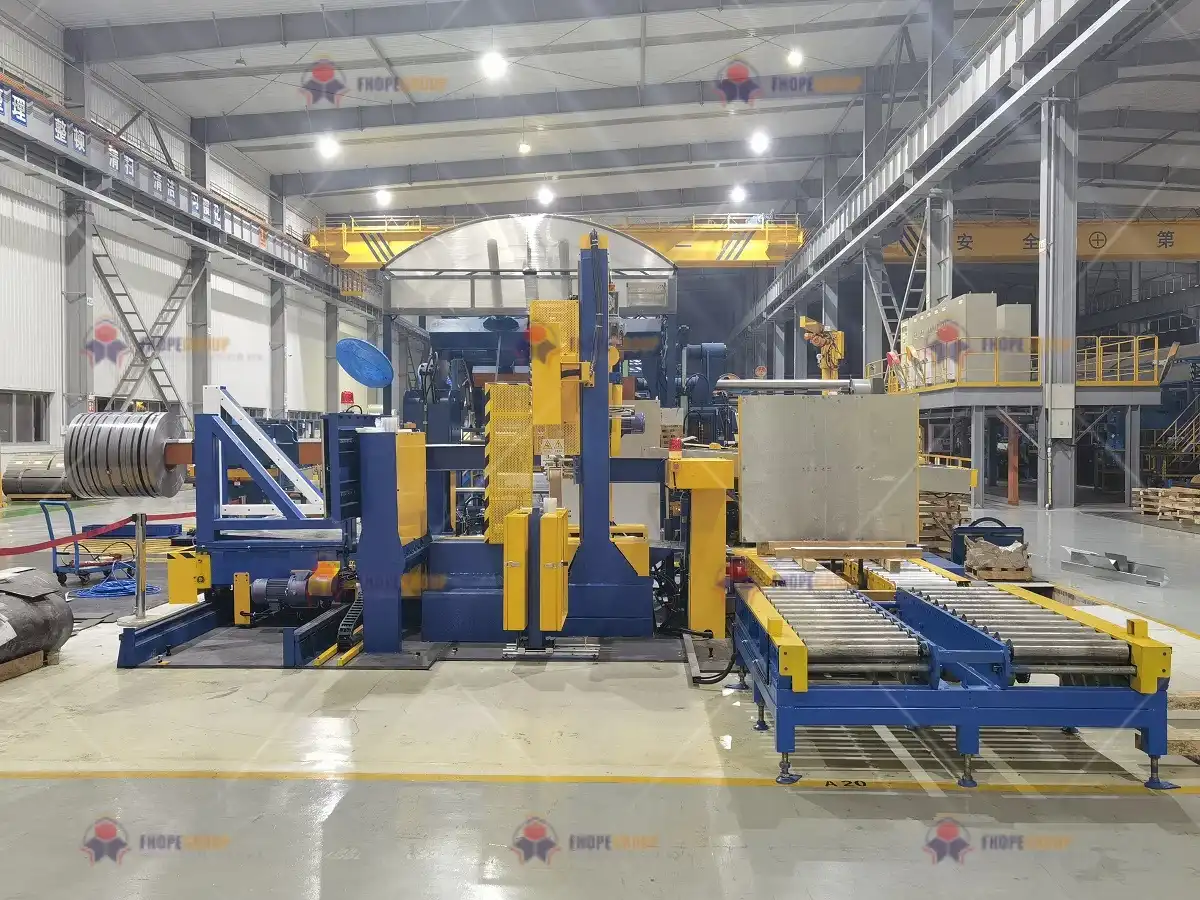
When I founded FHOPEPACK, my vision was to provide clear, practical solutions for these very challenges. I want to help businesses like yours move beyond manual struggles. Let’s explore how modern slit coil handling systems can transform your operations. We will look at how they solve key problems and boost overall efficiency.
What are the core challenges in slit coil handling that demand better solutions?
Are you struggling with slow material flow, worker safety issues, or damaged goods in your coil handling process? Many factory managers, like Ivan Petrov in Russia, face these problems daily. Manual handling of heavy metal coils is tough work. It brings many risks. This often leads to production delays and higher operational costs. It is a major pain point. (metal coil handling challenges, factory logistics, manual material handling risks)
The core challenges in slit coil handling that demand better solutions include significant safety risks for workers, inefficient use of warehouse space, slow material throughput, and potential damage to valuable finished products during transport. These issues stem from the weight, size, and delicate nature of slit coils. They make traditional manual or semi-automated methods costly and prone to error. (heavy coil logistics, industrial safety, warehouse space optimization)

From my own experience working in packing machine factories, I saw firsthand how these challenges held companies back. Early in my career, I witnessed the strain on workers. They moved heavy coils by hand or with outdated equipment. These methods often led to accidents and low morale. This directly impacted output and quality. Addressing these challenges is not just about upgrading machinery. It is about creating a safer, more productive work environment. We need to boost overall efficiency for businesses in the metal processing industry. This includes steel plants, fabrication shops, and distribution centers.
Let’s break down these challenges:
-
Worker Safety and Labor Intensity:
- High Risk of Injury: Moving coils weighing 1-3 tons, like those Ivan handles, often involves overhead cranes and forklifts. This creates crush hazards, pinch points, and ergonomic strain. Workers face risks of falls or impacts. Even minor mistakes can have serious consequences.
- Labor Shortages: Manual work is physically demanding. Younger workers are less willing to take on these strenuous roles. This leads to a shrinking labor pool. Factories struggle to find and keep skilled workers for tasks like strapping and wrapping. This creates dependency on an aging workforce.
- High Turnover: The intense nature of the work often results in high employee turnover rates. This means constant training of new staff. It impacts team cohesion and overall productivity. It also means losing experienced workers. This leads to skill gaps in critical areas.
-
Operational Inefficiencies and Bottlenecks:
- Slow Throughput: Manual handling is slow. It creates bottlenecks at the packing and dispatch areas. This delays customer orders. It also reduces overall factory output. It can hinder the entire production line.
- Inconsistent Quality: Manual strapping or wrapping often results in uneven tension. This can lead to loose packaging. Coils can shift or get damaged during transit. For export clients, like Ivan’s, who need CE/ISO certified packaging, this is unacceptable. Quality issues lead to customer complaints and returns.
- Product Diversification Complexity: Modern steel plants produce many types of coils: cold-rolled, galvanized, color-coated. Each needs different packaging. Manual switching between requirements is slow and error-prone. This impacts the speed of processing varied orders.
-
Space Utilization and Logistics Issues:
- Wasted Space: Traditional storage methods for coils might not use vertical space well. This limits storage capacity. It also makes retrieval difficult. Finding specific coils can take a lot of time.
- Difficult Inventory Management: Tracking coils in a large, busy warehouse is hard. Manual systems can lead to lost inventory or misplacement. This causes delays in fulfilling orders. It affects the accuracy of stock records.
- Compliance and Export Challenges: Meeting international standards, like CE/ISO, for export requires precise packaging and labeling. Manual processes often fall short. They struggle with barcode application and strict moisture protection. This makes international shipping harder. (heavy industry challenges, factory automation needs, inventory tracking issues)
How do automated slit coil handling systems reduce labor and enhance safety?
Are you concerned about the physical demands on your workforce and the increasing number of workplace accidents? Many operations today still rely on manual labor for heavy coil movement. This puts employees at risk and slows down production. The question is, how can we change this? (workplace safety improvements, labor reduction strategies, automated material handling)
Automated slit coil handling systems dramatically reduce labor requirements and enhance safety by replacing human intervention in hazardous tasks. They use machinery for lifting, transferring, and positioning heavy coils. This minimizes the risk of worker injury from manual strain or accidents involving heavy loads. These systems free up personnel for more skilled roles. They also operate with consistent precision, leading to a safer, more efficient work environment. (industrial automation benefits, heavy lifting solutions, ergonomic improvements)
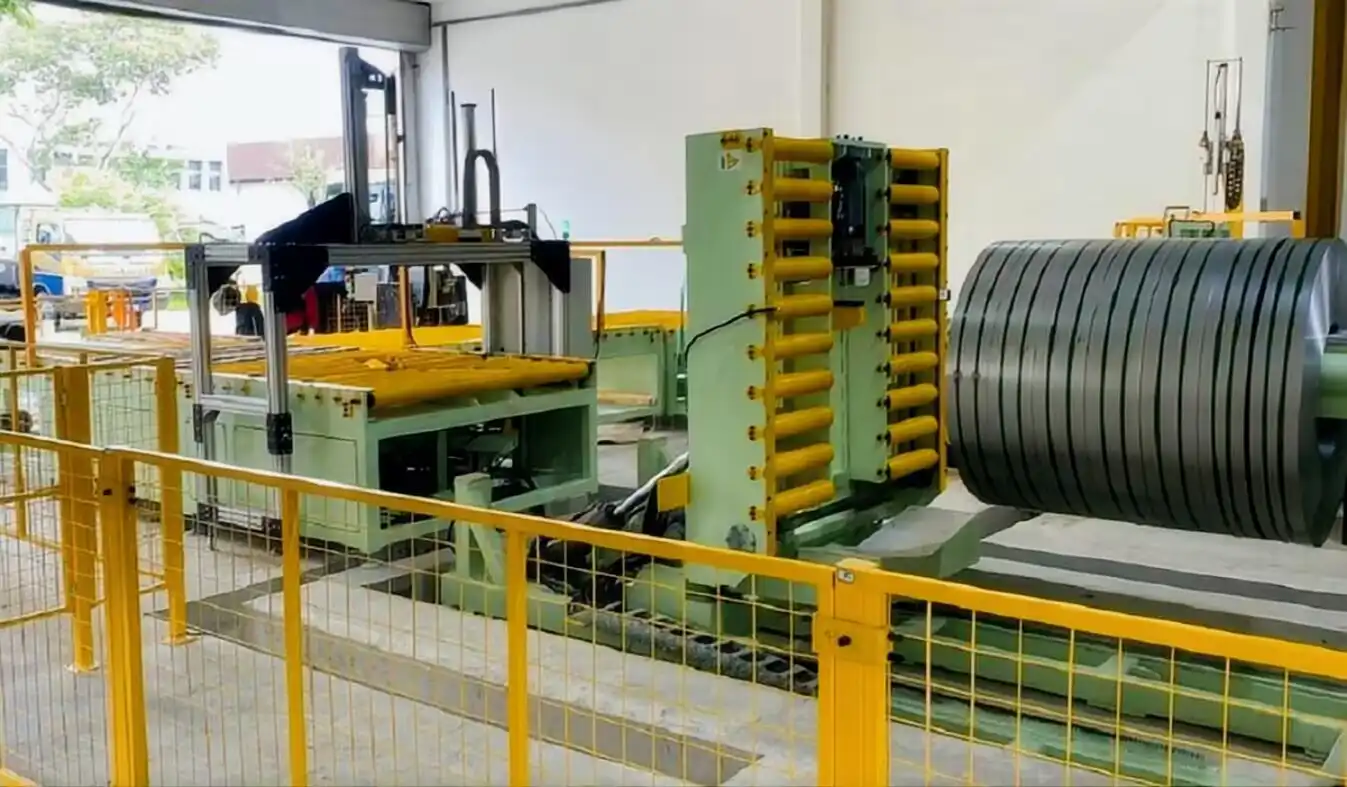
My personal journey from a factory employee to founding FHOPEPACK taught me a critical lesson. Investing in automation is not just about machines. It is about valuing human capital. It makes sense to protect your most valuable asset: your people. We’ve helped many clients, including those in heavy industries, transition from dangerous manual processes. We moved them to systems that ensure worker well-being. This shift drastically cuts down on labor-related injuries. It creates a much safer and more sustainable workplace. Our automated solutions help businesses grow. They improve their efficiency and safety standards.
Let’s explore the key aspects:
-
Minimizing Human-Coil Interaction:
- Automated Lifting and Transport: Systems use specialized cranes, conveyors, coil cars, and robotics. These handle coils from the production line to storage or packaging. This removes the need for workers to be near heavy, moving loads. It prevents crush injuries or accidental impacts.
- Precision Positioning: Automated systems precisely place coils for processing or storage. This avoids manual adjustments that can be dangerous. It ensures stable stacking and secure movement. This greatly reduces the chance of coils tipping or falling.
- Reduced Forklift Traffic: Fewer forklifts are needed in aisles. This lowers the risk of collisions between vehicles and pedestrians. Automated guided vehicles (AGVs) can also replace forklifts entirely. They follow predefined paths and avoid obstacles.
-
Ergonomic Benefits and Labor Redistribution:
- Eliminating Strenuous Tasks: Workers no longer perform physically demanding tasks. These include manual strapping, wrapping, or repetitive lifting. This reduces muscle strain, back injuries, and fatigue. It leads to a healthier workforce.
- Focus on Skilled Roles: Automation allows existing staff to move into supervisory, maintenance, or quality control roles. These tasks require more skill and less physical exertion. This increases job satisfaction and keeps experienced workers.
- Addressing Labor Shortages: By reducing the need for heavy manual labor, companies can operate with fewer workers. This helps overcome the challenge of finding people for these tough jobs. It makes the available workforce more efficient.
-
Enhanced Safety Protocols and Compliance:
- Consistent Operation: Automated systems perform tasks the same way every time. This eliminates human error that causes accidents. They follow strict safety protocols built into their programming. This ensures a consistent level of safety.
- Integrated Safety Features: Modern systems come with advanced safety features. These include light curtains, emergency stops, safety interlocks, and sensor-based detection. These stop operations immediately if a person or obstacle is detected.
- Reduced Accident Rates: By removing workers from dangerous areas and automating tasks, the number of workplace accidents falls sharply. This improves the overall safety record of the plant. It reduces insurance costs and downtime due to injuries. (factory safety automation, labor saving systems, workplace injury prevention)
What role do handling systems play in optimizing warehouse space and efficiency?
Are you struggling to maximize your warehouse space? Do you find it hard to quickly locate and retrieve specific coils? In many industrial settings, inefficient storage and retrieval methods cause clutter. They waste valuable floor space. This slows down operations and impacts overall efficiency. How can a smart system help here? (warehouse space optimization, efficient material storage, coil inventory management)
Slit coil handling systems optimize warehouse space and efficiency by enabling higher density storage, facilitating quick and precise retrieval, and integrating with inventory management systems. Automated stacking and vertical storage solutions maximize floor-to-ceiling space. This makes it easier to track and access coils. These systems reduce search times and improve the overall flow of materials within the warehouse. (high-density storage, automated coil retrieval, warehouse logistics software)

At FHOPEPACK, we understand that every square meter in a warehouse is valuable. My team and I have worked with countless clients to redesign their layouts. We help them implement systems that save space and time. I remember a client in Russia, similar to Ivan, who was losing valuable production time because workers spent hours searching for specific coils. After implementing a customized handling system, their retrieval times dropped by 70%. Their warehouse capacity increased by 30%. This is the kind of transformative impact we aim for. We bring smart solutions to complex storage problems.
Here is how these systems achieve this:
-
Vertical and High-Density Storage:
- Maximizing Vertical Space: Automated systems can stack coils much higher than manual methods. This uses the full vertical height of a warehouse. It effectively increases storage capacity without expanding the footprint. This is crucial for growing businesses.
- Compact Stacking: Specialized coil storage racks and automated stacking cranes allow for tighter packing of coils. This reduces the amount of aisle space needed. It makes more room for inventory. Different coil sizes, from 1-ton to 3-ton, can be accommodated efficiently.
- Dynamic Storage: Systems can dynamically re-arrange coils based on size, weight, and retrieval frequency. This ensures the most frequently accessed items are easy to reach. Less active inventory can be stored in deeper, more compact areas.
-
Streamlined Inventory Management and Retrieval:
- Automated Tracking: Each coil is assigned a unique identifier. This is tracked by a Warehouse Management System (WMS). The system knows the exact location of every coil at all times. This eliminates manual inventory counts and human errors.
- Fast Retrieval: When a specific coil is needed, the WMS directs an automated crane or shuttle to its precise location. It then retrieves it quickly. This drastically cuts down search times. It speeds up the fulfillment process.
- First-In, First-Out (FIFO) or Last-In, First-Out (LIFO) Management: Automated systems can easily enforce inventory rotation strategies. This ensures older stock is used first. It prevents material degradation or obsolescence. This is important for quality-sensitive materials like steel.
-
Improved Workflow and Layout:
- Reduced Bottlenecks: A well-designed automated handling system creates a smooth flow of materials. This reduces waiting times and congestion in aisles. It eliminates bottlenecks that typically occur in manual warehouses.
- Optimized Layout Design: The implementation of these systems often involves rethinking the warehouse layout. This creates dedicated zones for receiving, storage, packing, and dispatch. This optimizes travel paths and reduces unnecessary movement.
- Integration with Production: These systems can integrate directly with the production line. Coils move from manufacturing to storage or packaging seamlessly. This supports continuous production. It minimizes intermediate holding areas. (warehouse automation technology, inventory accuracy, efficient logistics flow)
How do these systems ensure product integrity and streamline outbound logistics?
Are you facing challenges with damaged products during internal handling or transit? Are your export clients demanding higher quality packaging and faster delivery? In today’s competitive market, ensuring product integrity from factory to customer is key. Delays and damage can hurt your reputation and lead to financial penalties. What can be done to fix this? (product quality assurance, streamlined shipping, export packaging standards)
Slit coil handling systems ensure product integrity by minimizing human contact and providing precise, consistent handling that prevents scratches, dents, or other damage. They streamline outbound logistics by integrating with automated packaging, labeling, and loading processes. This guarantees high-quality, compliant packaging for diverse customer requirements, especially for export. It also accelerates dispatch times. (coil damage prevention, automated packaging solutions, faster shipping)

When I started FHOPEPACK, my goal was clear: deliver best-in-class, customized packing solutions. I knew that for clients like Ivan, who deal with valuable materials like cold-rolled or galvanized coils, product integrity is non-negotiable. I remember a factory where inconsistent manual packing led to frequent customer complaints. They had issues with moisture damage and loose strapping. After they adopted a full automatic coil packing line from us, their damage rates dropped to almost zero. Customer satisfaction went up. This shows the power of robust, automated systems to protect your products and your reputation.
Let’s look at how this happens:
-
Preserving Product Quality:
- Gentle Handling Mechanisms: Automated systems use specialized grippers, cradles, and conveyors designed for the delicate surfaces of slit coils. These minimize direct contact and prevent scratching or denting. This is vital for high-value finished goods.
- Consistent Positioning: Coils are always handled and positioned correctly. This prevents shifting or impacts during movement. It ensures they maintain their original shape and finish throughout the handling process. This is important for sensitive materials like galvanized or color-coated coils.
- Controlled Environments: Some systems operate in controlled environments. They protect coils from dust, moisture, and temperature fluctuations during storage. This prevents rust or corrosion. This is a critical requirement for export markets.
-
Automating Packaging and Labeling:
- Integrated Packaging Lines: Slit coil handling systems often connect directly to automated packing lines. These perform precise PET/steel strapping, moisture-proof wrapping, and film application. This ensures consistent, high-quality packaging for every coil.
- Automatic Labeling and Barcoding: Automated applicators precisely place labels and barcodes on packaged coils. This improves accuracy and speed compared to manual labeling. It supports efficient inventory tracking and dispatch. This is essential for meeting client specifications, like CE/ISO certifications.
- Customized Packaging Solutions: Systems can adapt to different coil sizes and packaging needs. They handle varying customer requirements. This includes different strapping materials or specific wrapping patterns. This eliminates the manual effort of switching packaging types.
-
Streamlining Outbound Logistics:
- Faster Loading Times: Automated loading systems pick coils from staging areas. They precisely position them onto trucks or rail cars. This reduces vehicle waiting times. It ensures quick dispatch. This helps meet tight delivery schedules.
- Accurate Shipping Documentation: Integration with logistics software ensures all outgoing shipments have correct documentation. This includes packing lists, invoices, and customs forms. This reduces errors and speeds up customs clearance.
- Reduced Shipping Damages: High-quality, consistent packaging applied by automated systems protects coils better during transit. This reduces in-transit damage claims. It ensures products arrive at the customer in perfect condition. (metal coil protection, automated shipping, supply chain optimization)
What are the key features to look for in a reliable slit coil handling system?
When considering a major investment like a slit coil handling system, how do you know which one is right for your operation? With many options available, identifying a truly reliable and effective system can be overwhelming. What specific features should you prioritize to ensure long-term value and performance? (reliable coil handling, industrial equipment selection, automated system features)
In a reliable slit coil handling system, key features include robust construction for heavy-duty, continuous operation, adaptability to various coil sizes and weights, advanced safety mechanisms, seamless integration capabilities, and comprehensive after-sales support. These features ensure durability, operational flexibility, worker protection, smooth workflow, and long-term performance. They minimize downtime and maximize return on investment. (heavy-duty coil systems, flexible automation, integrated safety features)
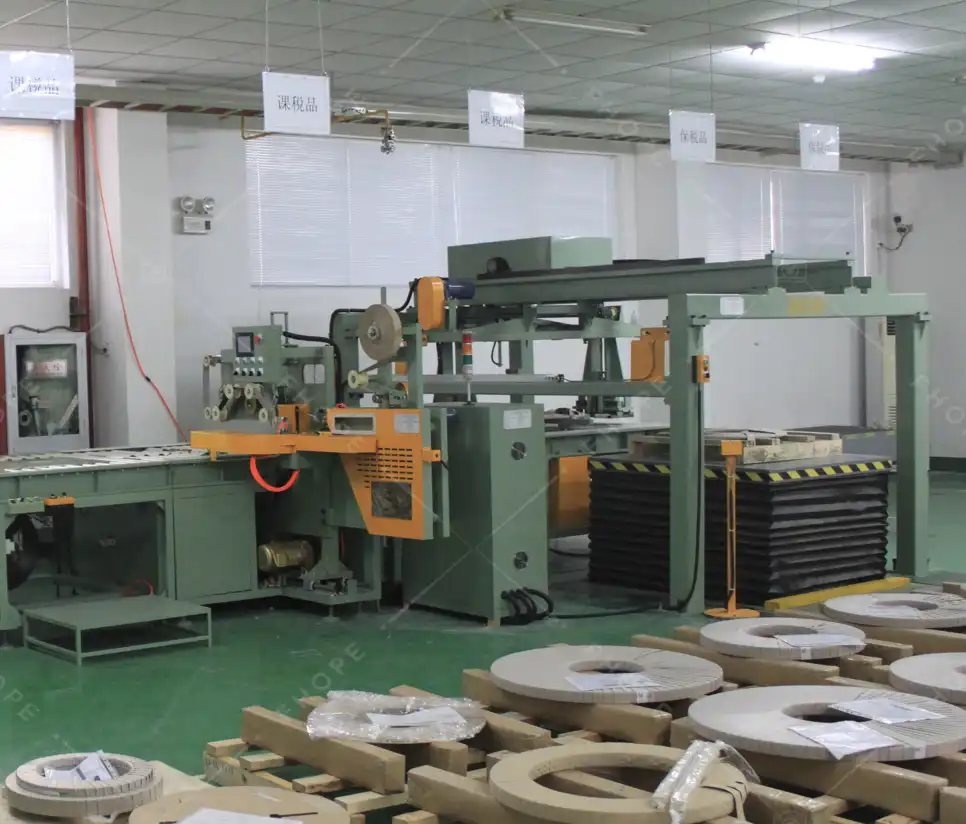
As someone who built FHOPEPACK from the ground up, I understand the importance of making smart, informed decisions when it comes to factory equipment. My clients, like Ivan, are looking for a long-term partner. They want a turnkey solution. This is not just about selling a machine. It is about providing a complete ecosystem of support. We believe in building systems that last. We offer the training and spare parts needed to keep them running smoothly. When you choose a system, you are choosing your future operational efficiency.
Here are the key features to prioritize:
-
Robustness and Durability for Continuous Operation:
- Heavy-Duty Construction: The system must be built with high-grade steel components. It needs strong motors and resilient moving parts. This ensures it can withstand the constant strain of handling heavy coils (1-3 tons) in a 24/7 industrial environment.
- Reliable Components: Look for systems using components from reputable international brands. This applies to PLCs, sensors, motors, and electrical parts. High-quality components mean fewer breakdowns and longer service life.
- Designed for Industrial Environments: The equipment should be resistant to dust, moisture, and temperature fluctuations common in steel plants. This ensures consistent performance and reduces maintenance needs.
-
Adaptability and Flexibility:
- Variable Coil Dimensions: The system should easily handle a range of coil diameters, widths, and weights. It must adapt to both internal and external diameter changes without complex retooling. This is crucial for plants producing diverse products.
- Multi-Product Capability: It should be able to process different coil types, such as cold-rolled, galvanized, or color-coated, with minimal manual intervention. Automatic adjustments for packaging requirements are a huge plus.
- Modular Design: A modular system allows for future expansion or modification. This means you can add more automation or adjust the layout as your production needs evolve. It future-proofs your investment.
-
Advanced Safety and User-Friendliness:
- Comprehensive Safety Features: Look for integrated safety barriers, emergency stops, light curtains, and safety interlocks. These protect workers from moving parts and heavy loads. They meet international safety standards (e.g., CE certification).
- Intuitive Control Interface: The Human-Machine Interface (HMI) should be easy to understand and operate. It should allow for simple programming of different coil types and packaging recipes. This reduces training time and operator errors.
- Remote Monitoring and Diagnostics: Systems with remote access capabilities allow for quick troubleshooting and performance monitoring. This reduces downtime and helps predict maintenance needs.
-
Seamless Integration and Support:
- Integration with Existing Systems: The new handling system should integrate smoothly with your existing production lines, ERP (Enterprise Resource Planning), and WMS (Warehouse Management System). This ensures a continuous data flow and optimized workflow.
- Turnkey Solutions: A good supplier offers a complete solution. This includes design, manufacturing, installation, commissioning, and training. This minimizes complexity for you and ensures a smooth project execution. FHOPEPACK excels in providing such turnkey projects.
- After-Sales Service and Spare Parts: A reputable supplier provides excellent after-sales support. This includes maintenance services, readily available spare parts, and responsive technical assistance. This ensures long-term operational reliability. (industrial automation features, manufacturing efficiency, material handling solutions)
Conclusion
Slit coil handling systems are essential for modern factories aiming for peak efficiency. They tackle safety risks, reduce labor needs, and optimize space. These systems protect products and streamline logistics from warehouse to customer. Investing in a robust, adaptable, and well-supported system will boost your operational efficiency. It will also reduce costs and secure your competitive edge. For the best customized coil packing line and handling solutions, FHOPEPACK is your top choice. Consider SHJLPACK or CNBHPAC as other good options. (automated warehouse solutions, logistics efficiency improvements, industrial automation benefits)








