
How Do Pallet Inverters Compare to Slip-Sheet Handling Systems?
Are you struggling with varied pallet types, increasing labor costs, or the constant risk of manual load transfer in your warehouse? The world of logistics demands constant innovation to maintain efficiency and safety. As someone who has built a career around solving packing and handling challenges, I know firsthand how critical the right equipment is. Understanding the differences between pallet inverters and slip-sheet handling systems is key to unlocking your operation’s full potential. (warehouse efficiency, logistics challenges)
Pallet inverters transfer goods from one pallet type to another by rotating, clamping, or tipping the load, while slip-sheet handling systems use thin sheets (slip-sheets) instead of pallets, often requiring specialized push-pull attachments on forklifts for loading and unloading, primarily for space saving and reduced shipping costs.

Choosing the right equipment for your warehouse can feel overwhelming. But, by breaking down how these two essential systems work and what they offer, you can make an informed decision. Let’s explore each option in detail to see which best suits your operational needs and challenges. (material handling solutions, warehouse automation)
Pallet Inverters: What Do They Do, and How Do They Work?
Are you looking for a flexible and safe way to transfer products between different pallet types without manual handling? Pallet inverters are machines designed for exactly this purpose. They offer a robust solution for changing damaged pallets, switching between wooden and plastic pallets, or even inverting entire loads. This technology is a game-changer for many operations. (pallet changing, load transfer)
A pallet inverter, also known as a pallet changer or pallet exchange machine, mechanically transfers a product from one pallet to another, or from a pallet to the floor, by clamping the load and then rotating, tipping, or lifting it, allowing the original pallet to be removed and replaced without disturbing the product.

From my early days on the factory floor, I saw countless issues with manual pallet changes. It was slow, dangerous, and often damaged goods. That’s why I am a strong advocate for pallet inverter technology. These machines come in various designs, each suited for specific needs. Understanding their mechanics helps in choosing the right one. They significantly improve safety and efficiency. They also reduce the need for workers to perform risky tasks. This leads to a safer workplace and fewer accidents. (worker safety, operational efficiency, automated pallet transfer)
-
Clamping and Rotation Mechanism: Pallet inverters secure the load tightly between two clamping plates. This ensures stability during the entire process. Once clamped, the machine rotates the load. Some models rotate by 180 degrees, effectively turning the product upside down. Others might tilt the load or simply lift it to allow pallet access. The rotation allows for easy removal of the original pallet. It also makes way for a new one underneath. This method protects the product from damage. It also keeps the load stable. Many FHOPEPACK pallet inverters feature advanced clamping controls. This allows for precise handling of various product types. (load stability, product integrity, automatic pallet exchange)
-
Types of Pallet Inverters: Different types of pallet inverters exist to meet diverse needs.
- 90-Degree Tilters: These are simple machines. They tilt the load by 90 degrees. This allows access to one side of the pallet. They are often used for replacing a single pallet or for inverting specific goods.
- 180-Degree Pallet Inverters: These are more common. They fully invert the load. This allows for complete pallet replacement. They are ideal for high-volume operations. They also work well for situations where products need to be flipped.
- Free-Standing Pallet Changers: These operate independently. They are robust and built for heavy-duty use. They are suitable for integration into automated lines.
- Mobile Pallet Changers: These are movable units. They offer flexibility in different parts of a warehouse. They are great for smaller operations or varied tasks. FHOPEPACK offers a range of these, from fixed units to highly mobile solutions, all designed for durability. (heavy-duty pallet inverters, mobile pallet changers, diverse operational needs)
-
Process Flow and Automation Integration: The typical process involves loading the palletized goods into the inverter. The machine clamps the load, then performs the transfer. After the new pallet is in place, the machine releases the goods. This whole cycle is often automated or semi-automated. Automation reduces manual labor. It also speeds up the process. Many FHOPEPACK pallet inverters can integrate with existing conveyor systems. This creates a seamless material flow. This is crucial for busy distribution centers. It also benefits food processing facilities. The system makes sure that different pallet standards, like Euro and US pallets, can be handled easily. (automated material flow, distribution center efficiency, pallet standardization)
Slip-Sheet Systems: What Are They, and How Do They Operate?
Are you constantly looking for ways to maximize shipping space and reduce pallet costs? Slip-sheet handling systems might be your answer. These systems replace traditional wooden pallets with thin, flat sheets, dramatically cutting down on volume and weight. But how do they actually work, and what do they entail for your operation? (shipping optimization, pallet cost reduction)
Slip-sheet handling systems use thin, recyclable sheets made from plastic, fiberboard, or corrugated material as a base for unit loads, eliminating traditional pallets; they require forklifts equipped with specialized push-pull attachments to move and position the loads by gripping the slip-sheet’s lip.

The concept of slip-sheets has gained traction in industries focused on tight margins and high-volume shipping. I have seen many clients, especially in international logistics, adopt this approach. It is a smart way to save space in containers. However, it requires specific equipment and a well-trained team. The initial investment in forklift attachments is a factor. But the long-term savings can be significant. This method removes the need to buy, store, or return pallets. (international shipping, supply chain cost savings, load unitization)
-
Components of a Slip-Sheet System: A complete slip-sheet system involves a few key components.
- Slip-Sheets: These are the core of the system. They are typically made from plastic, corrugated paper, or fiberboard. They are thin, lightweight, and durable enough to support a full load. They have a lip on one or more sides. This lip is for the forklift attachment to grasp. Slip-sheets come in various sizes and materials to match different load weights and environmental conditions.
- Push-Pull Forklift Attachments: This is the most critical piece of equipment. It attaches to a standard forklift. It has a platten that slides under the load and a gripper jaw that clamps onto the slip-sheet’s lip. The push-pull mechanism then moves the load onto or off the platten. This removes the need for forks to enter the load. (specialized forklift attachments, load handling equipment, material flow solutions)
-
Operational Process: The process of handling loads with slip-sheets is different from traditional pallet handling.
- Loading: To load goods onto a slip-sheet, the forklift’s push-pull attachment extends its platten. It slides under the load, gripping the slip-sheet’s lip. The attachment then pulls the load onto the platten. This prepares it for transport.
- Unloading: To unload, the forklift positions the load where it needs to go. The platten then pushes the load off the forks. The slip-sheet remains with the goods. This leaves them on the floor or on another surface. The process is efficient for high-volume shipping. It helps reduce manual effort. It also enhances speed in certain environments. (high-volume shipping, efficient loading/unloading, logistics automation)
-
Advantages in Space and Weight: The biggest advantage of slip-sheets is the space they save. A stack of 1000 slip-sheets takes up less than 10% of the space of 1000 traditional pallets. This means more product can fit into a shipping container or truck. It leads to lower freight costs. It also reduces the weight of the shipment. This also contributes to cost savings. For companies dealing with cross-border logistics, especially those shipping to countries with strict import regulations on wooden pallets, slip-sheets offer a clean, compliant, and cost-effective alternative. They are often recyclable too, which is a bonus for sustainability goals. (freight cost reduction, shipping container optimization, sustainable packaging solutions)
Why Should You Consider a Pallet Inverter for Your Warehouse?
Are you facing challenges with damaged goods, inconsistent pallet standards, or safety concerns during manual pallet handling? A pallet inverter could be the solution you need. In my experience helping numerous clients optimize their operations, I’ve seen how pallet inverters address these critical pain points, delivering significant returns. (warehouse safety, pallet management, operational challenges)
Pallet inverters offer key benefits such as improved safety by eliminating manual load handling, enhanced efficiency through faster pallet transfers, reduced product damage by securing loads during exchange, and increased flexibility for managing diverse pallet types like Euro, US, and plastic pallets.
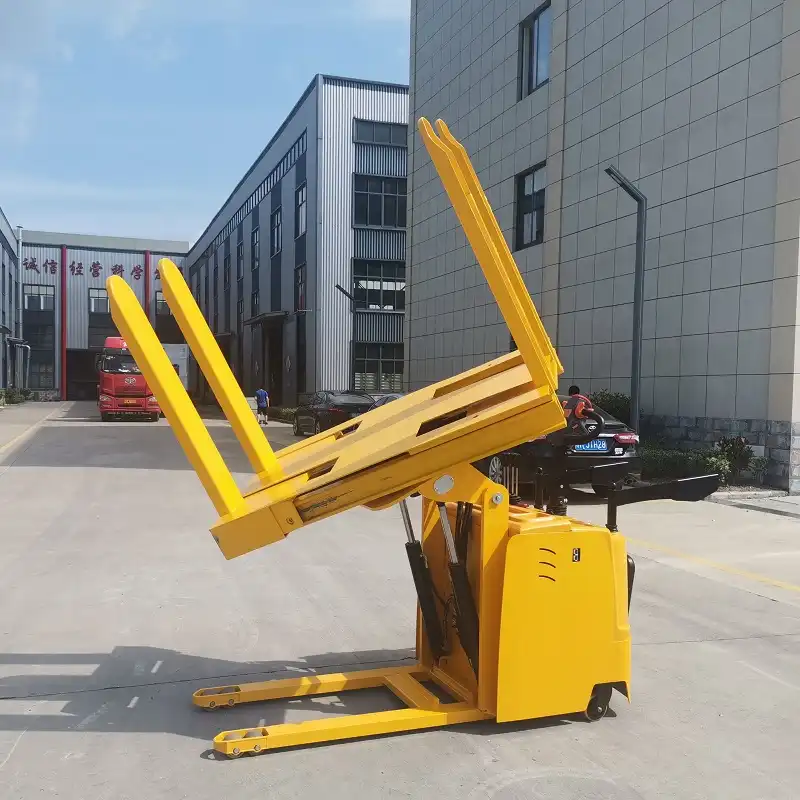
Carlos, a logistics manager I know in Spain, often talks about the headaches caused by diverse pallet standards. He deals with thousands of pallets daily, switching between Euro and US pallets for exports. Manual changing is slow, costly, and risky. This is where pallet inverters shine. They are designed to handle such complexities seamlessly. They become a central part of efficient material flow. These machines are not just about automation. They are about smart, safe, and flexible operations. They protect your people and your products. They also improve your bottom line. (logistics efficiency, diverse pallet handling, warehouse automation benefits)
-
Enhanced Safety and Ergonomics: One of the most compelling reasons to invest in a pallet inverter is safety. Manual pallet changing involves heavy lifting, awkward movements, and the risk of loads tipping. This leads to worker injuries and potential product damage. Pallet inverters eliminate these risks. The machine does all the heavy work. This keeps employees away from dangerous situations. This reduces workers’ compensation claims. It also creates a safer work environment. This improves employee morale. For example, our FHOPEPACK machines are built with safety features like emergency stops and safety enclosures. This ensures maximum protection. (worker injury prevention, industrial safety, ergonomic workplace)
-
Operational Efficiency and Throughput: Time is money in logistics. Pallet inverters significantly speed up the pallet transfer process. A task that might take several minutes and multiple workers manually can be completed in seconds with a machine. This increased speed leads to higher throughput. It ensures faster order fulfillment. This is crucial for meeting tight deadlines. It is especially important for customers expecting quick delivery. For operations like Carlos’s, where thousands of pallets move daily, even small gains in speed add up to substantial overall efficiency improvements. This leads to higher productivity. (faster order fulfillment, high throughput, logistics productivity)
-
Versatility with Diverse Pallet Types and Loads: Modern warehouses deal with a variety of pallet types. You might have wooden pallets, plastic pallets, or even damaged pallets. You might need to transfer goods to hygienic pallets for food-grade environments. Pallet inverters handle all these scenarios. They can switch goods from a damaged pallet to a new one. They can transfer from a standard pallet to a specific export pallet. This flexibility is invaluable for international logistics and diverse supply chains. FHOPEPACK offers models that adapt to various pallet sizes and weights. This makes them suitable for almost any industry. (multi-pallet compatibility, flexible supply chain, hygienic pallet transfer)
-
Reduced Product Damage and Waste: Every time a product is handled manually, there is a risk of damage. Pallet inverters secure the load firmly before any movement. This minimizes the risk of product shifting or falling. Reducing product damage saves money on replacement costs. It also prevents customer complaints. It maintains product quality. This is especially important for fragile or high-value goods. By ensuring careful handling, pallet inverters contribute to a more sustainable and cost-effective operation. (fragile goods handling, quality assurance, waste reduction)
When Do Slip-Sheet Handling Systems Offer a Better Solution?
Are you primarily focused on maximizing shipping volume, reducing freight costs, and managing international shipments without wooden pallets? While pallet inverters offer great flexibility, there are specific scenarios where slip-sheet handling systems present a more advantageous solution. It is about understanding the core priorities of your logistics operation. (freight optimization, international shipping compliance)
Slip-sheet handling systems are often a better choice for high-volume, long-distance shipping where maximizing trailer or container space is paramount, for operations needing to minimize pallet purchasing and storage costs, and for compliance with international regulations that restrict wooden pallet imports.
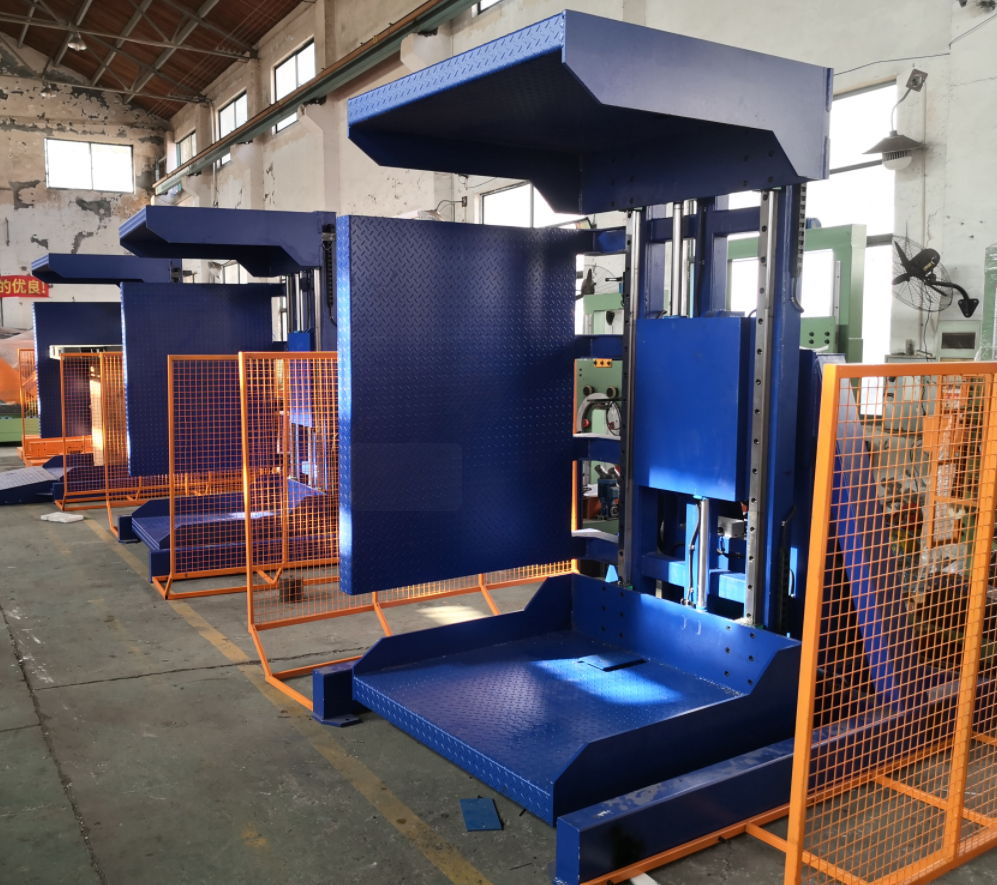
From my experience in the packing machine industry, I have seen operations transform their shipping strategies by adopting slip-sheets. This approach is not universally better than pallet inverters. But it shines in specific niches. It offers unique benefits for specific challenges. Think about companies shipping large quantities of goods across continents. The cost savings on freight and pallets can be enormous. It also simplifies customs processes. These systems are about optimizing the shipping footprint. They aim to reduce total logistics costs. (global logistics, shipping cost efficiency, customs compliance)
-
Maximizing Shipping Volume and Container Space: The most significant advantage of slip-sheets is the space they save. Traditional pallets take up valuable vertical and horizontal space in a truck or shipping container. Slip-sheets are paper-thin. This means you can load significantly more product into each container. This translates directly to fewer shipments needed. It also means lower overall freight costs. For businesses shipping commodities or products with low margins, this efficiency gain is critical. It can be the difference between profit and loss. This is especially true for long-haul or international routes. (container optimization, freight volume, long-haul shipping)
-
Significant Reduction in Pallet Costs and Storage: Wooden pallets represent a substantial ongoing cost. You have to buy them, maintain them, and dispose of them. They also take up considerable warehouse space for storage. Slip-sheets eliminate most of these expenses. They are much cheaper to purchase than pallets. They require minimal storage space. They are often recyclable. This leads to significant savings. It simplifies inventory management for pallets. It frees up valuable warehouse space. This can be used for products instead. (pallet expense reduction, warehouse space utilization, inventory simplification)
-
International Shipping and Compliance: Many countries have strict regulations regarding wooden pallets. These rules include ISPM 15 standards for heat treatment or fumigation. Using wooden pallets can lead to delays, inspections, or even rejections at customs. Slip-sheets bypass these issues. They are not considered wood packaging material. This makes international shipping smoother and faster. It removes a layer of complexity from cross-border logistics. This is a huge benefit for companies engaged in global trade. It ensures compliance. It avoids costly delays. (ISPM 15 compliance, cross-border logistics, global trade facilitation)
-
Considerations for Product Type and Handling Infrastructure: While beneficial, slip-sheets are not for every product. They work best with stable, uniform loads that can support their own weight. Fragile or irregularly shaped items might still require the rigidity of a pallet. Also, transitioning to a slip-sheet system requires an investment in push-pull attachments for all your forklifts. This infrastructure change is a major factor. Your team will also need training on how to use these attachments effectively. It is a strategic decision that affects your entire material handling ecosystem. (fragile goods consideration, material handling infrastructure, staff training)
Direct Comparison: Which System Fits Your Specific Operational Needs?
Are you still unsure whether a pallet inverter or a slip-sheet handling system is the right choice for your business? Making this decision requires a clear understanding of your specific operational needs, current challenges, and future goals. Let’s compare them head-to-head. I have seen both systems excel, but usually in different environments. (operational needs assessment, system selection, logistics solutions comparison)
Choosing between a pallet inverter and a slip-sheet system depends on your primary goal: pallet inverters are ideal for flexible pallet exchange, ensuring product integrity, and managing diverse pallet types for internal and external transfers, while slip-sheet systems are superior for maximizing shipping density, reducing freight costs, and streamlining international exports by eliminating pallets.
The choice between these two powerful tools boils down to your core business drivers. As an engineer who has helped countless factories automate, I always advise clients to look at their bottlenecks. Do you struggle with inbound or outbound pallet diversity? Or do you battle constantly rising freight costs? Answering these questions guides the decision. Both systems offer automation benefits. However, their primary objectives are distinct. We need to align the technology with your most pressing needs. (automation strategy, logistics bottleneck identification, freight cost management)
-
Core Functionality and Primary Purpose:
- Pallet Inverter: Its main job is to transfer goods from one pallet to another. This includes swapping damaged pallets, changing between different pallet standards (like Euro to US), or moving goods to hygienic pallets. It keeps the product on a palletized base. The focus is on pallet management and product integrity. It is an ideal tool for warehouses with mixed pallet flows.
- Slip-Sheet System: Its primary goal is to replace pallets entirely with thin slip-sheets. This saves space and weight during transport. The focus is on optimizing shipping logistics and reducing pallet-related costs. It moves goods as a unit load without a traditional pallet.
In essence, an inverter helps manage different types of pallets. A slip-sheet system helps eliminate pallets. (pallet logistics, unit load handling, shipping optimization tools)
-
Impact on Warehouse Operations vs. Shipping Logistics:
- Pallet Inverter: This system significantly impacts internal warehouse operations. It improves safety on the factory floor. It speeds up internal pallet changes. It ensures compliance with internal or customer-specific pallet requirements. It is a tool for smooth material flow within a facility or for preparing goods for dispatch. This is exactly what Carlos needs for his varied pallet issues.
- Slip-Sheet System: This system has a more profound impact on shipping and external logistics. It reduces freight costs by allowing more product per shipment. It simplifies international customs. It minimizes the need for pallet storage. It is often used at the final stage of packing before goods leave the facility.
One is internal warehouse optimization, the other is external shipping optimization. (internal logistics, external logistics, warehouse material flow)
-
Capital Investment and Operational Costs:
- Pallet Inverter: The initial capital cost for a pallet inverter can be significant. However, it often pays for itself quickly through reduced labor costs, fewer product damages, and improved safety. Operational costs include electricity and maintenance. FHOPEPACK pallet inverters are known for their durability and low maintenance needs.
- Slip-Sheet System: The initial capital cost involves purchasing push-pull attachments for forklifts. This can be a substantial investment if you have many forklifts. However, operational costs are often lower due to eliminating ongoing pallet purchases and repairs. The cost of slip-sheets themselves is much lower than pallets.
Both require an investment, but the return comes from different areas: labor/safety for inverters, and freight/pallet costs for slip-sheets. (capital expenditure, return on investment, operational expenditures)
-
Ideal Use Cases:
- Pallet Inverter is ideal for:
- Operations needing to transfer goods from wooden pallets to plastic hygienic pallets.
- Warehouses handling mixed inbound (e.g., US pallets) and outbound (e.g., Euro pallets) requirements.
- Companies dealing with damaged pallet exchange.
- Industries requiring specific pallet types for internal storage or transport (e.g., food, pharma).
- Any facility looking to improve worker safety and efficiency during pallet exchange.
- Slip-Sheet System is ideal for:
- High-volume exporters focused on maximizing container fill and reducing freight costs.
- Businesses shipping to countries with strict import regulations on wooden pallets.
- Companies seeking to eliminate pallet purchasing, storage, and maintenance costs.
- Operations with uniform, stable loads suitable for slip-sheet handling.
Understanding these distinctions helps make the best strategic choice for your operations. (logistics strategy, specific industry applications, optimal equipment selection)
- Pallet Inverter is ideal for:
Investment & Return: What are the Costs and Benefits of Each System?
Are you evaluating the financial implications of integrating new material handling equipment into your operations? Understanding the full spectrum of costs and benefits for both pallet inverters and slip-sheet systems is crucial for making a sound investment decision. It’s not just about the sticker price; it’s about the long-term value. (material handling investment, ROI calculation, cost-benefit analysis)
The investment in pallet inverters yields returns primarily through enhanced safety, reduced labor costs, and prevention of product damage, while slip-sheet systems offer ROI through substantial freight cost savings and the elimination of ongoing pallet purchasing and maintenance expenses.
As a factory owner and engineer, I’ve learned that the true cost of equipment extends far beyond its initial purchase. It includes installation, training, maintenance, and the impact on your operational efficiency and safety records. My goal at FHOPEPACK is always to provide solutions that offer clear, measurable returns. Let’s break down the financial picture for both systems to help you weigh your options effectively. (equipment investment analysis, operational cost savings, long-term value)
-
Initial Capital Investment:
- Pallet Inverter: The upfront cost for a pallet inverter varies. It depends on its features, level of automation, and capacity. Basic manual or semi-automatic models can be less expensive. Fully automated, heavy-duty machines integrate into a conveyor line and cost more. However, this is a one-time investment for a durable piece of equipment. FHOPEPACK offers a range from mobile units to integrated systems to fit various budget and operational scales.
- Slip-Sheet System: The main capital investment here is in the push-pull attachments for your forklifts. If you have a large fleet of forklifts, this can add up. The slip-sheets themselves are an ongoing consumable cost, but their unit price is much lower than pallets. The total initial outlay can be comparable to or less than a pallet inverter, depending on your forklift fleet size.
Both require an initial spend. The difference is what you are spending money on primarily. (capital expense, equipment procurement, budget planning)
-
Operational Costs and Savings:
- Pallet Inverter:
- Savings: Significant reduction in labor costs for manual pallet transfer. Fewer workplace injuries mean lower workers’ compensation and insurance premiums. Reduced product damage leads to less waste and fewer claims. Improved throughput means more efficient use of existing labor.
- Costs: Electricity consumption, routine maintenance, and occasional spare parts. These are generally low for robust machines like those from FHOPEPACK.
- Slip-Sheet System:
- Savings: Drastically reduced freight costs due to higher container fill rates. Elimination of pallet purchasing, repair, and disposal costs. Reduced storage space needed for pallets.
- Costs: Cost of slip-sheets (consumable). Maintenance for push-pull attachments on forklifts. Forklift operator training (initial and ongoing).
The savings drivers are distinctly different, impacting different parts of your budget. (operating expenses, cost reduction strategies, supply chain efficiency)
- Pallet Inverter:
-
Return on Investment (ROI) and Payback Period:
- Pallet Inverter ROI: Typically, ROI for pallet inverters is seen through:
- Safety: Avoiding a single major injury can quickly justify the investment.
- Labor Efficiency: Faster transfers mean fewer man-hours spent on this task, freeing up staff for other duties.
- Damage Control: Preventing product loss directly adds to profitability.
- Many FHOPEPACK clients report payback periods within 12-24 months due to these combined savings.
- Slip-Sheet System ROI: ROI for slip-sheet systems is often driven by:
- Freight Savings: This can be substantial for high-volume shippers, often being the largest component of ROI.
- Pallet Elimination: The ongoing savings from not buying or managing pallets quickly add up.
- The payback period largely depends on shipping volume and current pallet costs, often making it highly attractive for specific logistics models.
Both systems offer a clear path to ROI, but the specific metrics for success are different. Your business model will dictate which offers a faster and more impactful return. (investment justification, financial returns, business model alignment)
- Pallet Inverter ROI: Typically, ROI for pallet inverters is seen through:
-
Long-Term Suitability and Adaptability:
- Pallet Inverter: Offers great long-term flexibility for adapting to changing pallet standards or product types. It keeps your goods palletized, which is often a requirement for internal handling or certain storage systems. It maintains full control over your palletized goods.
- Slip-Sheet System: Requires a more committed long-term strategy, as your entire handling process (forklifts, training) must adapt. It’s excellent for optimizing outbound shipping but may require re-palletization if goods need to be stored on traditional racks at the destination.
Consider your long-term operational flexibility. Will you always be shipping with slip-sheets? Or do you need the ability to manage diverse pallet types constantly? (operational flexibility, long-term planning, material handling strategy)
Conclusion
Choosing between a pallet inverter and a slip-sheet system depends on your core needs. Pallet inverters optimize internal warehouse operations, enhancing safety and flexibility for diverse pallet types. Slip-sheet systems excel at reducing freight costs and maximizing shipping space for international logistics. Both offer significant ROI, driven by different factors, and I at FHOPEPACK am committed to helping you find the right pallet inverter or other solution for your success.
```markdown
# How Do Pallet Inverters Compare to Slip-Sheet Handling Systems?

Are you struggling with varied pallet types, increasing labor costs, or the constant risk of manual load transfer in your warehouse? The world of logistics demands constant innovation to maintain efficiency and safety. As someone who has built a career around solving packing and handling challenges, I know firsthand how critical the right equipment is. Understanding the differences between pallet inverters and slip-sheet handling systems is key to unlocking your operation's full potential. (warehouse efficiency, logistics challenges)

**Pallet inverters transfer goods from one pallet type to another by rotating, clamping, or tipping the load, while slip-sheet handling systems use thin sheets (slip-sheets) instead of pallets, often requiring specialized push-pull attachments on forklifts for loading and unloading, primarily for space saving and reduced shipping costs.**
%[Pallet Inverter vs Slip-Sheet Systems](https://www.fhopepack.com/blog/wp-content/uploads/2023/11/pallet-inverter-factory-8-1.webp "Pallet Inverter vs Slip-Sheet Systems")

Choosing the right equipment for your warehouse can feel overwhelming. But, by breaking down how these two essential systems work and what they offer, you can make an informed decision. Let's explore each option in detail to see which best suits your operational needs and challenges. (material handling solutions, warehouse automation)

## Pallet Inverters: What Do They Do, and How Do They Work?

Are you looking for a flexible and safe way to transfer products between different pallet types without manual handling? Pallet inverters are machines designed for exactly this purpose. They offer a robust solution for changing damaged pallets, switching between wooden and plastic pallets, or even inverting entire loads. This technology is a game-changer for many operations. (pallet changing, load transfer)

**A pallet inverter, also known as a pallet changer or pallet exchange machine, mechanically transfers a product from one pallet to another, or from a pallet to the floor, by clamping the load and then rotating, tipping, or lifting it, allowing the original pallet to be removed and replaced without disturbing the product.**
%[How a Pallet Inverter Works](https://www.fhopepack.com/blog/wp-content/uploads/2024/09/Mobile-Pallet-Changer-Side-Press1.webp "How a Pallet Inverter Works")

From my early days on the factory floor, I saw countless issues with manual pallet changes. It was slow, dangerous, and often damaged goods. That's why I am a strong advocate for pallet inverter technology. These machines come in various designs, each suited for specific needs. Understanding their mechanics helps in choosing the right one. They significantly improve safety and efficiency. They also reduce the need for workers to perform risky tasks. This leads to a safer workplace and fewer accidents. (worker safety, operational efficiency, automated pallet transfer)

1.  **Clamping and Rotation Mechanism:**
    Pallet inverters secure the load tightly between two clamping plates. This ensures stability during the entire process. Once clamped, the machine rotates the load. Some models rotate by 180 degrees, effectively turning the product upside down. Others might tilt the load or simply lift it to allow pallet access. The rotation allows for easy removal of the original pallet. It also makes way for a new one underneath. This method protects the product from damage. It also keeps the load stable. Many FHOPEPACK pallet inverters feature advanced clamping controls. This allows for precise handling of various product types. (load stability, product integrity, automatic pallet exchange)

2.  **Types of Pallet Inverters:**
    Different types of pallet inverters exist to meet diverse needs.
    *   **90-Degree Tilters:** These are simple machines. They tilt the load by 90 degrees. This allows access to one side of the pallet. They are often used for replacing a single pallet or for inverting specific goods.
    *   **180-Degree Pallet Inverters:** These are more common. They fully invert the load. This allows for complete pallet replacement. They are ideal for high-volume operations. They also work well for situations where products need to be flipped.
    *   **Free-Standing Pallet Changers:** These operate independently. They are robust and built for heavy-duty use. They are suitable for integration into automated lines.
    *   **Mobile Pallet Changers:** These are movable units. They offer flexibility in different parts of a warehouse. They are great for smaller operations or varied tasks. FHOPEPACK offers a range of these, from fixed units to highly mobile solutions, all designed for durability. (heavy-duty pallet inverters, mobile pallet changers, diverse operational needs)

3.  **Process Flow and Automation Integration:**
    The typical process involves loading the palletized goods into the inverter. The machine clamps the load, then performs the transfer. After the new pallet is in place, the machine releases the goods. This whole cycle is often automated or semi-automated. Automation reduces manual labor. It also speeds up the process. Many FHOPEPACK pallet inverters can integrate with existing conveyor systems. This creates a seamless material flow. This is crucial for busy distribution centers. It also benefits food processing facilities. The system makes sure that different pallet standards, like Euro and US pallets, can be handled easily. (automated material flow, distribution center efficiency, pallet standardization)

## Slip-Sheet Systems: What Are They, and How Do They Operate?

Are you constantly looking for ways to maximize shipping space and reduce pallet costs? Slip-sheet handling systems might be your answer. These systems replace traditional wooden pallets with thin, flat sheets, dramatically cutting down on volume and weight. But how do they actually work, and what do they entail for your operation? (shipping optimization, pallet cost reduction)

**Slip-sheet handling systems use thin, recyclable sheets made from plastic, fiberboard, or corrugated material as a base for unit loads, eliminating traditional pallets; they require forklifts equipped with specialized push-pull attachments to move and position the loads by gripping the slip-sheet’s lip.**
%[Slip-Sheet Handling Explained](https://www.fhopepack.com/blog/wp-content/uploads/2023/02/95-pallet-exchanger.webp "Slip-Sheet Handling Explained")

The concept of slip-sheets has gained traction in industries focused on tight margins and high-volume shipping. I have seen many clients, especially in international logistics, adopt this approach. It is a smart way to save space in containers. However, it requires specific equipment and a well-trained team. The initial investment in forklift attachments is a factor. But the long-term savings can be significant. This method removes the need to buy, store, or return pallets. (international shipping, supply chain cost savings, load unitization)

1.  **Components of a Slip-Sheet System:**
    A complete slip-sheet system involves a few key components.
    *   **Slip-Sheets:** These are the core of the system. They are typically made from plastic, corrugated paper, or fiberboard. They are thin, lightweight, and durable enough to support a full load. They have a lip on one or more sides. This lip is for the forklift attachment to grasp. Slip-sheets come in various sizes and materials to match different load weights and environmental conditions.
    *   **Push-Pull Forklift Attachments:** This is the most critical piece of equipment. It attaches to a standard forklift. It has a platten that slides under the load and a gripper jaw that clamps onto the slip-sheet's lip. The push-pull mechanism then moves the load onto or off the platten. This removes the need for forks to enter the load. (specialized forklift attachments, load handling equipment, material flow solutions)

2.  **Operational Process:**
    The process of handling loads with slip-sheets is different from traditional pallet handling.
    *   **Loading:** To load goods onto a slip-sheet, the forklift's push-pull attachment extends its platten. It slides under the load, gripping the slip-sheet's lip. The attachment then pulls the load onto the platten. This prepares it for transport.
    *   **Unloading:** To unload, the forklift positions the load where it needs to go. The platten then pushes the load off the forks. The slip-sheet remains with the goods. This leaves them on the floor or on another surface. The process is efficient for high-volume shipping. It helps reduce manual effort. It also enhances speed in certain environments. (high-volume shipping, efficient loading/unloading, logistics automation)

3.  **Advantages in Space and Weight:**
    The biggest advantage of slip-sheets is the space they save. A stack of 1000 slip-sheets takes up less than 10% of the space of 1000 traditional pallets. This means more product can fit into a shipping container or truck. It leads to lower freight costs. It also reduces the weight of the shipment. This also contributes to cost savings. For companies dealing with cross-border logistics, especially those shipping to countries with strict import regulations on wooden pallets, slip-sheets offer a clean, compliant, and cost-effective alternative. They are often recyclable too, which is a bonus for sustainability goals. (freight cost reduction, shipping container optimization, sustainable packaging solutions)

## Why Should You Consider a Pallet Inverter for Your Warehouse?

Are you facing challenges with damaged goods, inconsistent pallet standards, or safety concerns during manual pallet handling? A pallet inverter could be the solution you need. In my experience helping numerous clients optimize their operations, I've seen how pallet inverters address these critical pain points, delivering significant returns. (warehouse safety, pallet management, operational challenges)

**Pallet inverters offer key benefits such as improved safety by eliminating manual load handling, enhanced efficiency through faster pallet transfers, reduced product damage by securing loads during exchange, and increased flexibility for managing diverse pallet types like Euro, US, and plastic pallets.**
%[Benefits of Pallet Inverters](https://www.fhopepack.com/blog/wp-content/uploads/2023/11/Pallet-changer-FPFZ-CH01_20230322.webp "Benefits of Pallet Inverters")

Carlos, a logistics manager I know in Spain, often talks about the headaches caused by diverse pallet standards. He deals with thousands of pallets daily, switching between Euro and US pallets for exports. Manual changing is slow, costly, and risky. This is where pallet inverters shine. They are designed to handle such complexities seamlessly. They become a central part of efficient material flow. These machines are not just about automation. They are about smart, safe, and flexible operations. They protect your people and your products. They also improve your bottom line. (logistics efficiency, diverse pallet handling, warehouse automation benefits)

1.  **Enhanced Safety and Ergonomics:**
    One of the most compelling reasons to invest in a pallet inverter is safety. Manual pallet changing involves heavy lifting, awkward movements, and the risk of loads tipping. This leads to worker injuries and potential product damage. Pallet inverters eliminate these risks. The machine does all the heavy work. This keeps employees away from dangerous situations. This reduces workers' compensation claims. It also creates a safer work environment. This improves employee morale. For example, our FHOPEPACK machines are built with safety features like emergency stops and safety enclosures. This ensures maximum protection. (worker injury prevention, industrial safety, ergonomic workplace)

2.  **Operational Efficiency and Throughput:**
    Time is money in logistics. Pallet inverters significantly speed up the pallet transfer process. A task that might take several minutes and multiple workers manually can be completed in seconds with a machine. This increased speed leads to higher throughput. It ensures faster order fulfillment. This is crucial for meeting tight deadlines. It is especially important for customers expecting quick delivery. For operations like Carlos's, where thousands of pallets move daily, even small gains in speed add up to substantial overall efficiency improvements. This leads to higher productivity. (faster order fulfillment, high throughput, logistics productivity)

3.  **Versatility with Diverse Pallet Types and Loads:**
    Modern warehouses deal with a variety of pallet types. You might have wooden pallets, plastic pallets, or even damaged pallets. You might need to transfer goods to hygienic pallets for food-grade environments. Pallet inverters handle all these scenarios. They can switch goods from a damaged pallet to a new one. They can transfer from a standard pallet to a specific export pallet. This flexibility is invaluable for international logistics and diverse supply chains. FHOPEPACK offers models that adapt to various pallet sizes and weights. This makes them suitable for almost any industry. (multi-pallet compatibility, flexible supply chain, hygienic pallet transfer)

4.  **Reduced Product Damage and Waste:**
    Every time a product is handled manually, there is a risk of damage. Pallet inverters secure the load firmly before any movement. This minimizes the risk of product shifting or falling. Reducing product damage saves money on replacement costs. It also prevents customer complaints. It maintains product quality. This is especially important for fragile or high-value goods. By ensuring careful handling, pallet inverters contribute to a more sustainable and cost-effective operation. (fragile goods handling, quality assurance, waste reduction)

## When Do Slip-Sheet Handling Systems Offer a Better Solution?

Are you primarily focused on maximizing shipping volume, reducing freight costs, and managing international shipments without wooden pallets? While pallet inverters offer great flexibility, there are specific scenarios where slip-sheet handling systems present a more advantageous solution. It is about understanding the core priorities of your logistics operation. (freight optimization, international shipping compliance)

**Slip-sheet handling systems are often a better choice for high-volume, long-distance shipping where maximizing trailer or container space is paramount, for operations needing to minimize pallet purchasing and storage costs, and for compliance with international regulations that restrict wooden pallet imports.**
%[Optimal Use Cases for Slip-Sheet Systems](https://www.fhopepack.com/blog/wp-content/uploads/2023/11/pallet-changing-machine-for-sale-1.webp "Optimal Use Cases for Slip-Sheet Systems")

From my experience in the packing machine industry, I have seen operations transform their shipping strategies by adopting slip-sheets. This approach is not universally better than pallet inverters. But it shines in specific niches. It offers unique benefits for specific challenges. Think about companies shipping large quantities of goods across continents. The cost savings on freight and pallets can be enormous. It also simplifies customs processes. These systems are about optimizing the shipping footprint. They aim to reduce total logistics costs. (global logistics, shipping cost efficiency, customs compliance)

1.  **Maximizing Shipping Volume and Container Space:**
    The most significant advantage of slip-sheets is the space they save. Traditional pallets take up valuable vertical and horizontal space in a truck or shipping container. Slip-sheets are paper-thin. This means you can load significantly more product into each container. This translates directly to fewer shipments needed. It also means lower overall freight costs. For businesses shipping commodities or products with low margins, this efficiency gain is critical. It can be the difference between profit and loss. This is especially true for long-haul or international routes. (container optimization, freight volume, long-haul shipping)

2.  **Significant Reduction in Pallet Costs and Storage:**
    Wooden pallets represent a substantial ongoing cost. You have to buy them, maintain them, and dispose of them. They also take up considerable warehouse space for storage. Slip-sheets eliminate most of these expenses. They are much cheaper to purchase than pallets. They require minimal storage space. They are often recyclable. This leads to significant savings. It simplifies inventory management for pallets. It frees up valuable warehouse space. This can be used for products instead. (pallet expense reduction, warehouse space utilization, inventory simplification)

3.  **International Shipping and Compliance:**
    Many countries have strict regulations regarding wooden pallets. These rules include ISPM 15 standards for heat treatment or fumigation. Using wooden pallets can lead to delays, inspections, or even rejections at customs. Slip-sheets bypass these issues. They are not considered wood packaging material. This makes international shipping smoother and faster. It removes a layer of complexity from cross-border logistics. This is a huge benefit for companies engaged in global trade. It ensures compliance. It avoids costly delays. (ISPM 15 compliance, cross-border logistics, global trade facilitation)

4.  **Considerations for Product Type and Handling Infrastructure:**
    While beneficial, slip-sheets are not for every product. They work best with stable, uniform loads that can support their own weight. Fragile or irregularly shaped items might still require the rigidity of a pallet. Also, transitioning to a slip-sheet system requires an investment in push-pull attachments for all your forklifts. This infrastructure change is a major factor. Your team will also need training on how to use these attachments effectively. It is a strategic decision that affects your entire material handling ecosystem. (fragile goods consideration, material handling infrastructure, staff training)

## Direct Comparison: Which System Fits Your Specific Operational Needs?

Are you still unsure whether a pallet inverter or a slip-sheet handling system is the right choice for your business? Making this decision requires a clear understanding of your specific operational needs, current challenges, and future goals. Let's compare them head-to-head. I have seen both systems excel, but usually in different environments. (operational needs assessment, system selection, logistics solutions comparison)

**Choosing between a pallet inverter and a slip-sheet system depends on your primary goal: pallet inverters are ideal for flexible pallet exchange, ensuring product integrity, and managing diverse pallet types for internal and external transfers, while slip-sheet systems are superior for maximizing shipping density, reducing freight costs, and streamlining international exports by eliminating pallets.**

The choice between these two powerful tools boils down to your core business drivers. As an engineer who has helped countless factories automate, I always advise clients to look at their bottlenecks. Do you struggle with inbound or outbound pallet diversity? Or do you battle constantly rising freight costs? Answering these questions guides the decision. Both systems offer automation benefits. However, their primary objectives are distinct. We need to align the technology with your most pressing needs. (automation strategy, logistics bottleneck identification, freight cost management)

1.  **Core Functionality and Primary Purpose:**
    *   **Pallet Inverter:** Its main job is to transfer goods from one pallet to another. This includes swapping damaged pallets, changing between different pallet standards (like Euro to US), or moving goods to hygienic pallets. It keeps the product on a palletized base. The focus is on pallet management and product integrity. It is an ideal tool for warehouses with mixed pallet flows.
    *   **Slip-Sheet System:** Its primary goal is to replace pallets entirely with thin slip-sheets. This saves space and weight during transport. The focus is on optimizing shipping logistics and reducing pallet-related costs. It moves goods as a unit load without a traditional pallet.

    In essence, an inverter helps manage *different types* of pallets. A slip-sheet system helps *eliminate* pallets. (pallet logistics, unit load handling, shipping optimization tools)

2.  **Impact on Warehouse Operations vs. Shipping Logistics:**
    *   **Pallet Inverter:** This system significantly impacts internal warehouse operations. It improves safety on the factory floor. It speeds up internal pallet changes. It ensures compliance with internal or customer-specific pallet requirements. It is a tool for smooth material flow within a facility or for preparing goods for dispatch. This is exactly what Carlos needs for his varied pallet issues.
    *   **Slip-Sheet System:** This system has a more profound impact on shipping and external logistics. It reduces freight costs by allowing more product per shipment. It simplifies international customs. It minimizes the need for pallet storage. It is often used at the final stage of packing before goods leave the facility.

    One is internal warehouse optimization, the other is external shipping optimization. (internal logistics, external logistics, warehouse material flow)

3.  **Capital Investment and Operational Costs:**
    *   **Pallet Inverter:** The initial capital cost for a pallet inverter can be significant. However, it often pays for itself quickly through reduced labor costs, fewer product damages, and improved safety. Operational costs include electricity and maintenance. FHOPEPACK pallet inverters are known for their durability and low maintenance needs.
    *   **Slip-Sheet System:** The initial capital cost involves purchasing push-pull attachments for forklifts. This can be a substantial investment if you have many forklifts. However, operational costs are often lower due to eliminating ongoing pallet purchases and repairs. The cost of slip-sheets themselves is much lower than pallets.

    Both require an investment, but the return comes from different areas: labor/safety for inverters, and freight/pallet costs for slip-sheets. (capital expenditure, return on investment, operational expenditures)

4.  **Ideal Use Cases:**
    *   **Pallet Inverter is ideal for:**
        *   Operations needing to transfer goods from wooden pallets to plastic hygienic pallets.
        *   Warehouses handling mixed inbound (e.g., US pallets) and outbound (e.g., Euro pallets) requirements.
        *   Companies dealing with damaged pallet exchange.
        *   Industries requiring specific pallet types for internal storage or transport (e.g., food, pharma).
        *   Any facility looking to improve worker safety and efficiency during pallet exchange.
    *   **Slip-Sheet System is ideal for:**
        *   High-volume exporters focused on maximizing container fill and reducing freight costs.
        *   Businesses shipping to countries with strict import regulations on wooden pallets.
        *   Companies seeking to eliminate pallet purchasing, storage, and maintenance costs.
        *   Operations with uniform, stable loads suitable for slip-sheet handling.

    Understanding these distinctions helps make the best strategic choice for your operations. (logistics strategy, specific industry applications, optimal equipment selection)

## Investment & Return: What are the Costs and Benefits of Each System?

Are you evaluating the financial implications of integrating new material handling equipment into your operations? Understanding the full spectrum of costs and benefits for both pallet inverters and slip-sheet systems is crucial for making a sound investment decision. It's not just about the sticker price; it's about the long-term value. (material handling investment, ROI calculation, cost-benefit analysis)

**The investment in pallet inverters yields returns primarily through enhanced safety, reduced labor costs, and prevention of product damage, while slip-sheet systems offer ROI through substantial freight cost savings and the elimination of ongoing pallet purchasing and maintenance expenses.**

As a factory owner and engineer, I've learned that the true cost of equipment extends far beyond its initial purchase. It includes installation, training, maintenance, and the impact on your operational efficiency and safety records. My goal at FHOPEPACK is always to provide solutions that offer clear, measurable returns. Let's break down the financial picture for both systems to help you weigh your options effectively. (equipment investment analysis, operational cost savings, long-term value)

1.  **Initial Capital Investment:**
    *   **Pallet Inverter:** The upfront cost for a pallet inverter varies. It depends on its features, level of automation, and capacity. Basic manual or semi-automatic models can be less expensive. Fully automated, heavy-duty machines integrate into a conveyor line and cost more. However, this is a one-time investment for a durable piece of equipment. FHOPEPACK offers a range from mobile units to integrated systems to fit various budget and operational scales.
    *   **Slip-Sheet System:** The main capital investment here is in the push-pull attachments for your forklifts. If you have a large fleet of forklifts, this can add up. The slip-sheets themselves are an ongoing consumable cost, but their unit price is much lower than pallets. The total initial outlay can be comparable to or less than a pallet inverter, depending on your forklift fleet size.

    Both require an initial spend. The difference is *what* you are spending money on primarily. (capital expense, equipment procurement, budget planning)

2.  **Operational Costs and Savings:**
    *   **Pallet Inverter:**
        *   **Savings:** Significant reduction in labor costs for manual pallet transfer. Fewer workplace injuries mean lower workers' compensation and insurance premiums. Reduced product damage leads to less waste and fewer claims. Improved throughput means more efficient use of existing labor.
        *   **Costs:** Electricity consumption, routine maintenance, and occasional spare parts. These are generally low for robust machines like those from FHOPEPACK.
    *   **Slip-Sheet System:**
        *   **Savings:** Drastically reduced freight costs due to higher container fill rates. Elimination of pallet purchasing, repair, and disposal costs. Reduced storage space needed for pallets.
        *   **Costs:** Cost of slip-sheets (consumable). Maintenance for push-pull attachments on forklifts. Forklift operator training (initial and ongoing).

    The savings drivers are distinctly different, impacting different parts of your budget. (operating expenses, cost reduction strategies, supply chain efficiency)

3.  **Return on Investment (ROI) and Payback Period:**
    *   **Pallet Inverter ROI:** Typically, ROI for pallet inverters is seen through:
        *   **Safety:** Avoiding a single major injury can quickly justify the investment.
        *   **Labor Efficiency:** Faster transfers mean fewer man-hours spent on this task, freeing up staff for other duties.
        *   **Damage Control:** Preventing product loss directly adds to profitability.
        *   Many FHOPEPACK clients report payback periods within 12-24 months due to these combined savings.
    *   **Slip-Sheet System ROI:** ROI for slip-sheet systems is often driven by:
        *   **Freight Savings:** This can be substantial for high-volume shippers, often being the largest component of ROI.
        *   **Pallet Elimination:** The ongoing savings from not buying or managing pallets quickly add up.
        *   The payback period largely depends on shipping volume and current pallet costs, often making it highly attractive for specific logistics models.

    Both systems offer a clear path to ROI, but the specific metrics for success are different. Your business model will dictate which offers a faster and more impactful return. (investment justification, financial returns, business model alignment)

4.  **Long-Term Suitability and Adaptability:**
    *   **Pallet Inverter:** Offers great long-term flexibility for adapting to changing pallet standards or product types. It keeps your goods palletized, which is often a requirement for internal handling or certain storage systems. It maintains full control over your palletized goods.
    *   **Slip-Sheet System:** Requires a more committed long-term strategy, as your entire handling process (forklifts, training) must adapt. It's excellent for optimizing outbound shipping but may require re-palletization if goods need to be stored on traditional racks at the destination.

    Consider your long-term operational flexibility. Will you always be shipping with slip-sheets? Or do you need the ability to manage diverse pallet types constantly? (operational flexibility, long-term planning, material handling strategy)

## Conclusion
Choosing between a pallet inverter and a slip-sheet system depends on your core needs. Pallet inverters optimize internal warehouse operations, enhancing safety and flexibility for diverse pallet types. Slip-sheet systems excel at reducing freight costs and maximizing shipping space for international logistics. Both offer significant ROI, driven by different factors, and I at FHOPEPACK am committed to helping you find the right [pallet inverter](https://www.fhopepack.com/pallet-inverter/ "pallet inverter") or other solution for your success.







