
How Do Pallet Flippers Improve Operator Safety?
For years, I have walked through countless warehouses. I have seen the hum and buzz of efficient operations, but also the hidden dangers. The constant movement of heavy goods, the rush to meet deadlines, and the physical demands on workers can create a high-risk environment. It often pains me to think about the injuries that could be prevented, especially when simple, effective solutions are available. (warehousing risks, operational dangers)
Pallet flippers significantly improve operator safety by eliminating the need for manual handling of heavy and unstable loads, thus reducing musculoskeletal injuries, crushing risks, and potential product damage during pallet transfer processes. These automated systems protect workers from direct contact with goods, heavy machinery, and repetitive strain, ensuring a safer working environment.
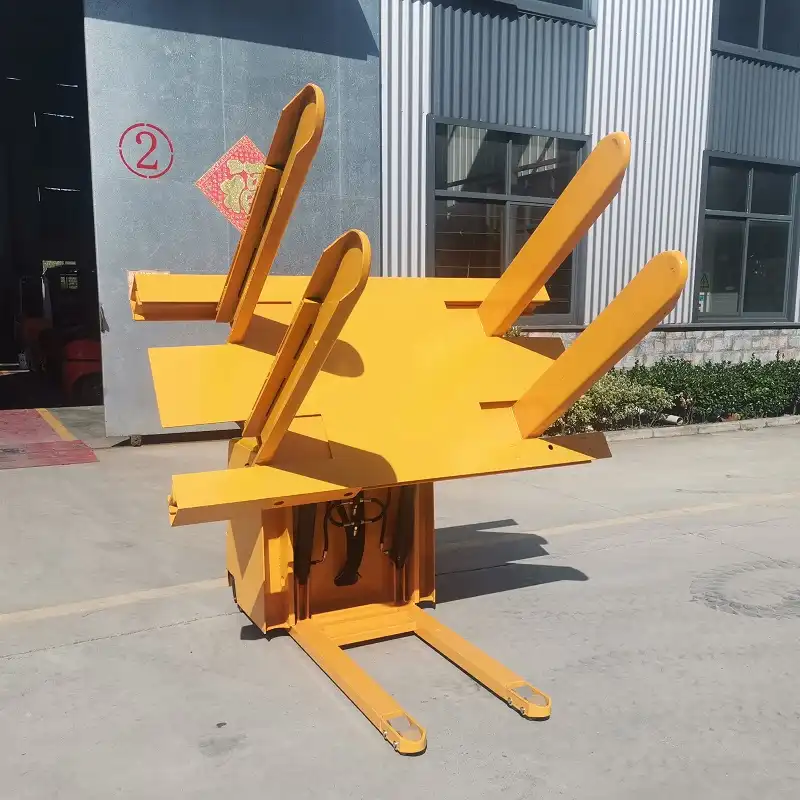
Understanding these risks is only the first step. The real solution lies in proactive measures and smart investments. Let us dive deeper into how modern pallet flippers are transforming warehouse safety, turning potential hazards into secure, streamlined operations. (warehouse automation, safety investments)
What common safety hazards do manual pallet operations pose?
Imagine a warehouse like the ones Carlos manages, bustling with thousands of pallets moving in and out every day. When these operations rely on manual labor for tasks like switching pallet types, the risks are not just theoretical; they are daily realities. Workers face severe dangers, from crushing injuries to strains and falls, simply because they are trying to do a difficult, unnatural job. (manual handling dangers, warehouse worker risks)
Manual pallet operations expose workers to direct hazards such as heavy lifting, awkward postures, and the instability of loads during transfer, leading to a high incidence of musculoskeletal disorders, impact injuries, and the risk of product spillage or collapse. These hazards are compounded by the fast pace and repetitive nature of warehouse work, increasing the likelihood of accidents.

When I first started in this industry, I witnessed many situations where workers manually struggled with heavy pallets. There were no alternatives. I remember one instance where a worker strained his back just trying to reposition a pallet that had shifted during transit. This kind of incident is not uncommon. It is a direct result of relying on human strength for tasks better suited for machines. Carlos, in his experience, has already seen multiple accidents involving manual pallet flipping. This is a critical pain point for managers today. They face rising labor costs and a shortage of willing workers for these strenuous jobs. My journey through the packing machine industry taught me that neglecting these safety concerns is not just irresponsible; it is also a major operational bottleneck. These manual tasks often involve:
- Direct Contact with Heavy Loads: Workers must physically manipulate pallets weighing hundreds or even thousands of pounds. This often requires tilting, lifting, or rotating, putting them directly in the path of potential crushing injuries if the load shifts unexpectedly. The sheer weight alone can cause immediate trauma if a hand or foot is caught.
- Repetitive Strain Injuries (RSIs): The constant bending, twisting, and lifting involved in manual pallet changing leads to chronic musculoskeletal disorders. Back injuries, shoulder strains, and carpal tunnel syndrome are common. These are not sudden accidents but rather cumulative damage that builds up over time, resulting in long-term pain and lost workdays.
- Awkward Postures and Imbalance: Manually flipping a pallet often requires workers to assume uncomfortable and unsafe postures. They might have to stretch, crouch, or twist their bodies in ways that put immense stress on their spine and joints. This imbalance can lead to falls, especially on slippery warehouse floors or when handling unevenly loaded pallets.
- Risk of Falling Goods: When pallets are manually flipped or adjusted, the goods on them can become unstable. If the load is not properly secured, items can fall and strike workers, causing head injuries, lacerations, or concussions. This is especially true for fragile or irregularly shaped products, which are prone to shifting.
- Fatigue-Related Errors: High-intensity warehouse environments lead to worker fatigue. Tired operators are more prone to making mistakes, misjudging distances, or losing their grip on a pallet. These errors significantly increase the risk of accidents, from dropping loads to tripping over obstacles. Manual operations inherently demand more physical energy, making fatigue a constant factor.
- Collision Hazards with Equipment: Even when not directly handling pallets, workers performing manual tasks are more distracted and less aware of their surroundings. This increases the risk of collisions with forklifts, pallet jacks, or other moving machinery in busy aisles, leading to severe impact injuries. Maintaining a safe distance from moving parts is harder when focused on a strenuous manual task. (workplace hazards, manual handling risks, worker injury prevention)
How do pallet flippers actively remove workers from danger zones?
The core principle behind modern pallet flippers is simple: put the machine between the hazard and the human. When I started FHOPEPACK, my goal was always to engineer solutions that not only increase efficiency but also fundamentally protect people. Pallet flippers are a prime example of this philosophy in action. (machine guarding, hazard elimination)
Pallet flippers actively remove workers from danger zones by automating the most hazardous steps of pallet transfer, such as lifting, tilting, and rotating heavy loads. This automation means operators no longer need to physically interact with unstable or weighty pallets, significantly reducing direct exposure to crushing, impact, and repetitive strain injuries inherent in manual methods.
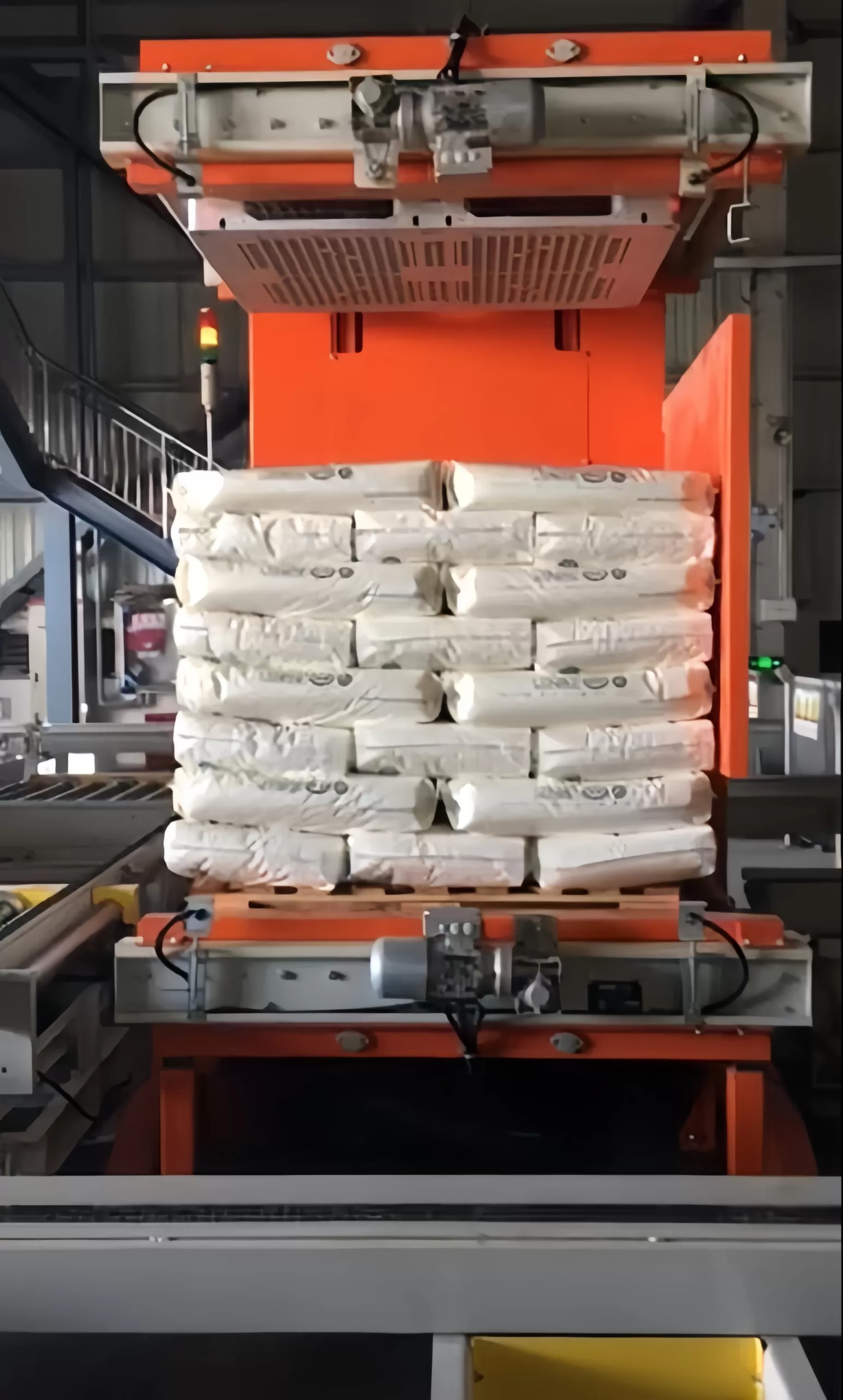
My experience has shown me that the most effective safety measure is often to eliminate the hazard entirely. Pallet flippers do exactly that for pallet handling. For a manager like Carlos, whose team deals with diverse pallet types daily, this means his employees are no longer risking their bodies for routine operations. Instead, they can oversee the process from a safe distance. This shift from physical exertion to supervised automation is revolutionary. It directly addresses the labor shortage challenge by making warehouse jobs less strenuous and more appealing. FHOPEPACK designs these machines with safety interlocks and clear operational zones. Here is how they achieve this:
- Eliminating Manual Lifting and Lowering: Pallet flippers use hydraulic or electric mechanisms to lift and lower pallets. This completely removes the need for workers to manually hoist heavy loads, which is a primary cause of back injuries and muscle strains. The machine handles the weight, and the operator simply initiates the action from a control panel. This directly protects the spine and joints from excessive force.
- Automated Tilting and Rotating: Instead of workers having to push, pull, or physically flip a pallet, the machine performs the entire inversion process. The pallet and its goods are securely clamped within the flipper. Then, the machine rotates the entire load smoothly and safely. This eliminates the risk of goods shifting, falling, or crushing an operator during a manual flip.
- Creating a Physical Barrier: Pallet flippers are enclosed systems. Once a pallet is loaded, safety guards or light curtains ensure that no worker can enter the operating area while the machine is in motion. This physical barrier prevents accidental contact with moving parts, pinch points, and the heavy load itself. It establishes a clear separation between the human and the hazardous operation.
- Reducing Interaction with Forklifts: While forklifts are essential, they are also a major source of warehouse accidents. Pallet flippers, especially integrated inline systems, can reduce the number of times a pallet needs to be moved by a forklift for manual processing. Fewer forklift movements mean fewer potential collisions between forklifts and pedestrians, contributing to overall site safety.
- Controlled and Predictable Movement: Unlike manual handling, where human error and fatigue can lead to unpredictable movements, a pallet flipper operates with precision and consistency. The speed and trajectory of the pallet are controlled by the machine’s programming, minimizing sudden jolts or unexpected shifts that could endanger nearby workers or compromise the load’s stability.
- Ergonomic Operation from a Safe Distance: Operators manage pallet flippers from a control console. This allows them to maintain a safe distance from the moving parts and the heavy load. The controls are designed to be user-friendly and ergonomically sound, reducing repetitive motions for the operator and minimizing strain even in the control task itself. (automated safety, machine safety features, operator protection)
Do pallet flippers truly reduce physical strain and ergonomic risks?
Absolutely. This is one of the most significant advantages that pallet flippers bring to any warehouse operation. When I talk to clients like Carlos, who are grappling with high labor costs and the physical toll on their teams, I always emphasize the profound ergonomic benefits. It is not just about preventing accidents; it is about creating a sustainable, healthier work environment. (ergonomic benefits, strain reduction)
Pallet flippers genuinely reduce physical strain and ergonomic risks by automating strenuous tasks like heavy lifting, bending, twisting, and repetitive motions. Operators no longer need to exert significant physical effort to maneuver heavy pallets, directly mitigating the causes of musculoskeletal injuries, chronic pain, and long-term health issues associated with manual handling.
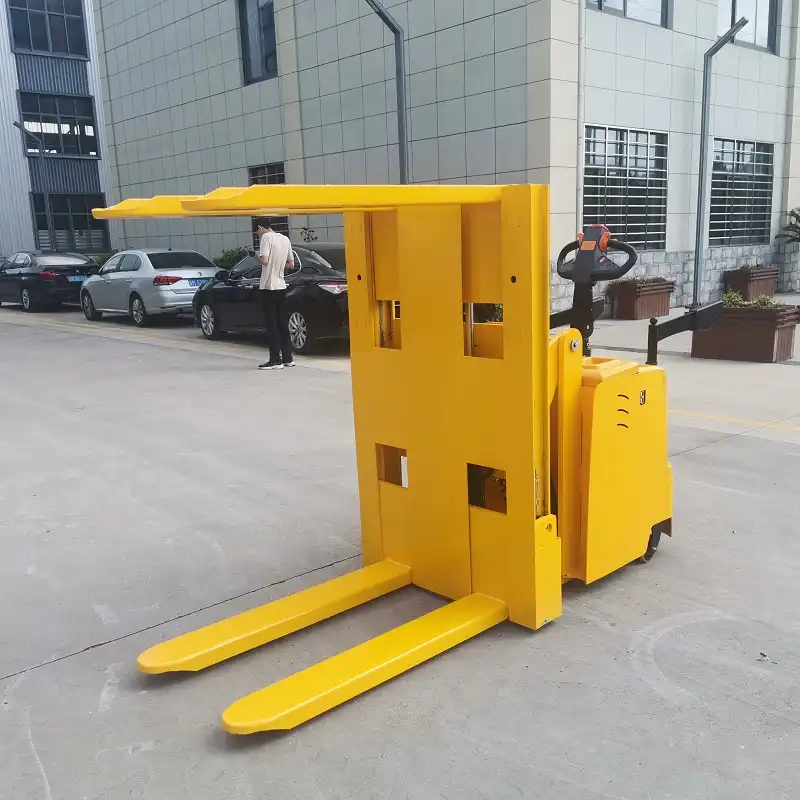
For years, I saw the wear and tear on workers in factories and warehouses. Their bodies paid the price for demanding tasks. It was clear to me that true innovation meant alleviating this burden. FHOPEPACK’s commitment to “MASTER PACKING MACHINE” means designing equipment that is not only robust but also contributes to human well-being. Carlos’s concern about workers unwilling to do high-intensity physical jobs is very real. By installing an automated pallet changer system, he can transform these demanding roles into supervisory ones, making the workplace more attractive and reducing turnover. Here is how pallet flippers achieve this:
- Elimination of Heavy Lifting: This is the most direct benefit. No human worker needs to lift a heavy pallet or its contents. The machine takes on all the weight. This fundamentally removes the primary cause of back injuries, hernias, and shoulder strains, allowing workers to preserve their physical health.
- Prevention of Awkward Postures: Manual pallet handling often forces workers into unnatural and damaging positions – excessive bending, twisting, reaching, or crouching. Pallet flippers perform the entire operation, eliminating the need for workers to adopt these postures, thereby protecting their spine, neck, and joints from chronic stress and injury.
- Reduction of Repetitive Motions: The repeated actions of lifting, pulling, and pushing heavy items over a shift or a workday lead to cumulative trauma disorders. Pallet flippers replace these repetitive physical demands with a simple, infrequent action of loading a pallet and pressing a button, dramatically cutting down the risk of conditions like carpal tunnel syndrome or tendonitis.
- Minimization of Fatigue: Physically demanding work leads to both physical and mental fatigue. Pallet flippers reduce physical exertion, which in turn lowers overall worker fatigue. Less fatigue means workers can maintain better focus, alertness, and judgment throughout their shift, leading to fewer errors and a safer working environment.
- Improved Workstation Design: Integrated pallet flippers can be designed into a more ergonomic workstation layout. The loading and unloading points can be set at optimal heights, reducing the need for workers to constantly bend down or reach up. This holistic approach to workstation design enhances comfort and reduces strain.
- Enhanced Employee Morale and Retention: When workers feel their employer cares about their well-being and invests in tools that reduce physical hardship, morale improves. A safer, less physically demanding job can lead to higher job satisfaction, reduced absenteeism due to injury, and better employee retention, which is a significant advantage in today’s tight labor market. (ergonomic solutions, worker well-being, healthy workplace)
Beyond direct injury, what indirect safety benefits do pallet flippers offer?
Safety in a warehouse extends beyond preventing immediate physical harm. It also encompasses the broader operational integrity and regulatory compliance. Pallet flippers, while directly protecting operators, also bring a host of indirect safety benefits that contribute to a more secure and efficient working environment. (operational safety, compliance benefits)
Beyond direct injury prevention, pallet flippers offer indirect safety benefits by enhancing load stability, reducing product damage, minimizing the risk of contamination, and improving overall warehouse flow. These factors collectively contribute to a more predictable and controlled environment, where unforeseen hazards from unstable loads or damaged goods are significantly reduced.
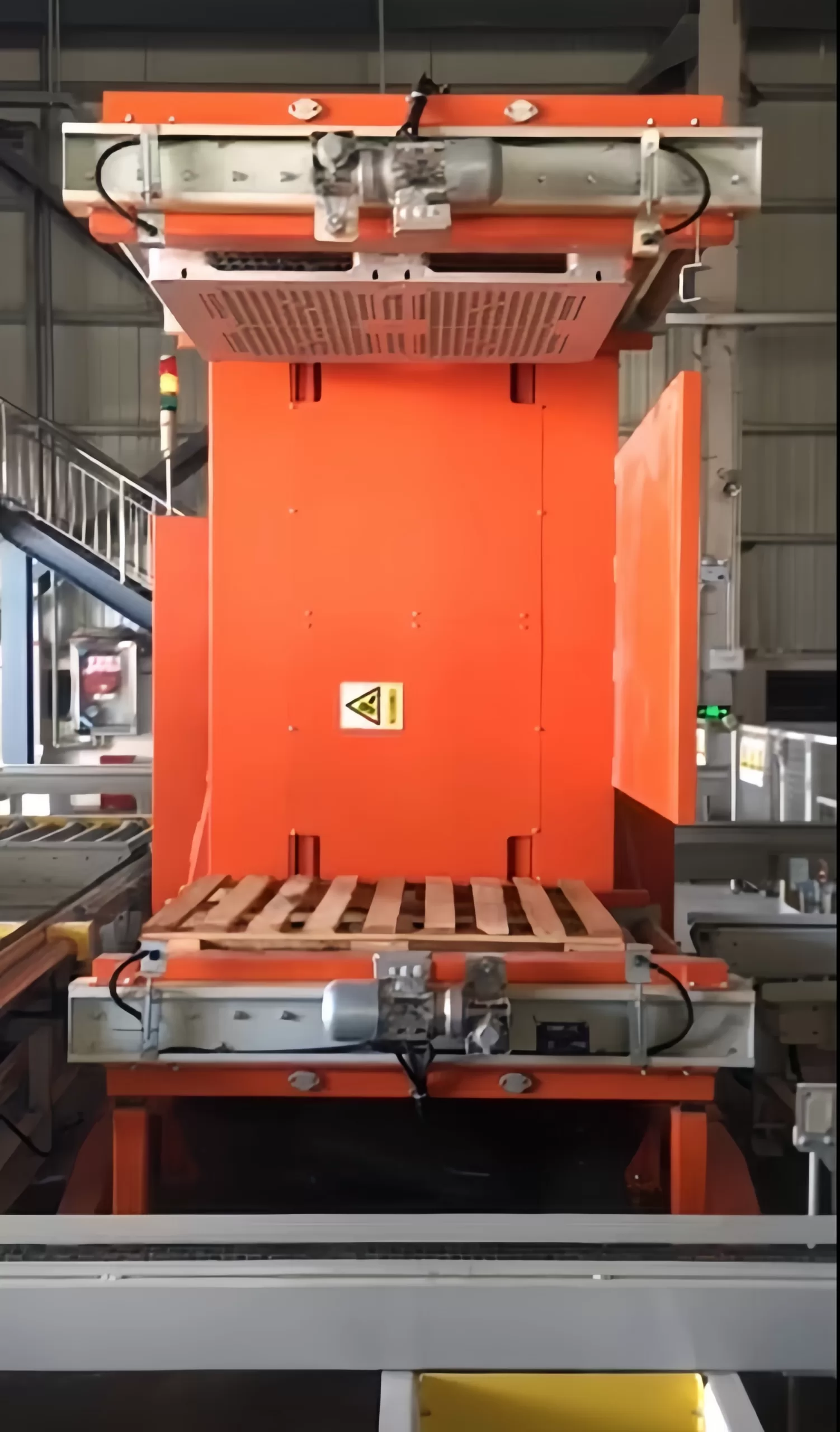
My journey from an employee to owning a successful packing machine factory taught me that every part of an operation is interconnected. A problem in one area, like an unstable pallet, can cascade into multiple safety and operational issues. Carlos’s goal to guarantee compliance and customer satisfaction resonates deeply with this understanding. If pallets are not switched correctly, it can cause delays, fines, and unhappy clients. FHOPEPACK understands these wider implications. Our solutions are designed not just to move goods but to ensure they are handled safely and correctly every step of the way. Here are some of the indirect safety benefits:
- Enhanced Load Stability: Manual pallet changes can often compromise the stability of the loaded goods, especially if the process is rushed or poorly executed. Pallet flippers secure the load firmly before inversion, maintaining the integrity of the stack. This prevents products from shifting or falling, reducing the risk of subsequent accidents during transport or storage.
- Reduced Product Damage: When goods are handled manually, there is always a risk of dropping, bumping, or misaligning them. Pallet flippers handle products gently and precisely, minimizing damage. Less damaged product means fewer instances where workers need to manually re-stack or clean up spills, which itself can be hazardous, especially with certain materials.
- Improved Hygiene and Contamination Control: In industries like food and beverage, which Carlos works in, hygiene is paramount. Pallet flippers allow for easy transfer from wooden pallets (which can harbor pests or splinters) to plastic or cleanroom-compatible pallets without direct human contact with the potentially contaminated surfaces. This reduces the risk of cross-contamination and maintains product safety standards.
- Better Warehouse Flow and Reduced Congestion: By automating pallet changes, pallet flippers streamline the process, reducing bottlenecks and improving the flow of goods. This reduces congestion in busy areas, minimizing the chances of collisions between forklifts, other equipment, and personnel. A smoother workflow inherently means a safer environment.
- Consistency and Predictability: Manual processes are subject to human variability, fatigue, and individual skill levels. Automated pallet flippers perform the task consistently every time. This predictability reduces unexpected events or errors that could lead to safety incidents. Knowing the operation will always be performed to standard adds a layer of safety assurance.
- Easier Compliance with Safety Regulations: Many international safety standards require minimizing manual handling of heavy loads and providing mechanical aids. By implementing pallet flippers, businesses like FHOPEPACK make it easier for their clients to meet these stringent regulatory requirements, avoiding potential fines, legal issues, and reputation damage. It demonstrates a commitment to best practices. (operational integrity, safety standards, product protection)
How do automated pallet systems simplify safety compliance and training?
For any logistics or supply chain manager, like Carlos, navigating the complex world of safety compliance is a constant challenge. Training new employees on safe manual handling techniques can be time-consuming and often yields inconsistent results. This is where automated pallet systems, like those from FHOPEPACK, become invaluable tools, simplifying both compliance and training. (safety compliance, simplified training)
Automated pallet systems simplify safety compliance and training by standardizing hazardous operations, reducing reliance on individual manual skill, and providing a consistent, verifiable process. This allows for clearer safety protocols, easier adherence to industry regulations, and more efficient, less error-prone training for operators who primarily monitor and manage machines rather than physically execute dangerous tasks.
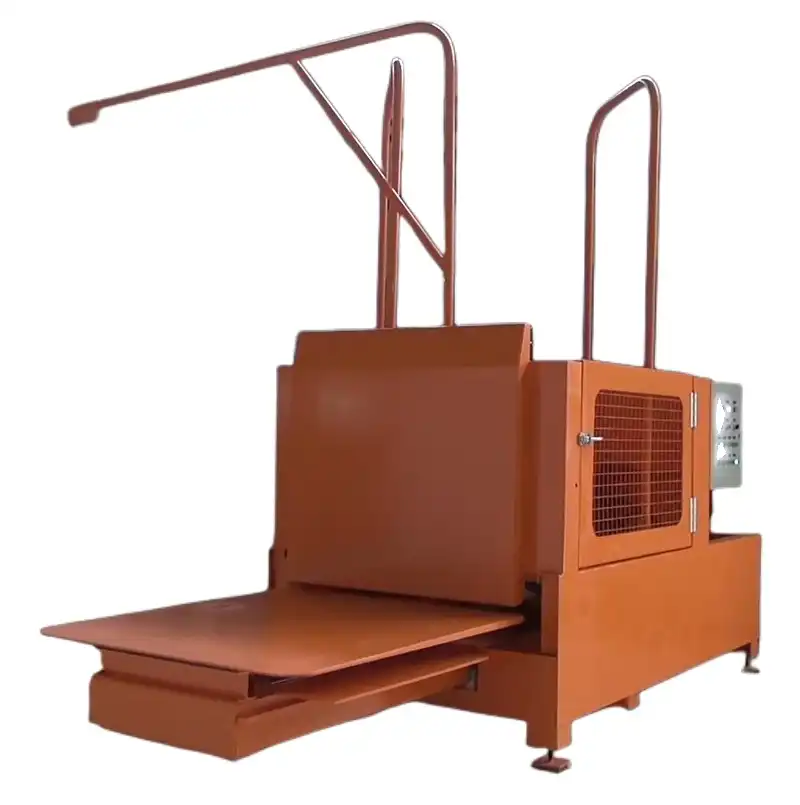
When I founded FHOPEPACK, I aimed to provide solutions that truly empower businesses. Part of that empowerment comes from giving managers the tools to meet their obligations efficiently. Carlos’s need to ensure quick transitions between different regional pallet standards (Euro, US, plastic) points to a significant compliance and efficiency challenge. Manual processes make this an error-prone nightmare. By integrating FHOPEPACK’s pallet changing solutions, businesses can standardize their operations, making safety not just a goal, but an intrinsic part of the process.
Here’s how automated systems simplify compliance and training:
- Standardized Safety Procedures: Automated systems operate according to programmed logic, ensuring every pallet change is performed identically. This standardization eliminates human variability, making it much simpler to document and enforce safety procedures. Companies can easily demonstrate adherence to specific safety standards (e.g., OSHA, EU regulations) with consistent operational data.
- Reduced Reliance on Manual Skill: Training workers to safely lift, flip, and manage heavy loads manually requires extensive, repetitive, and often costly instruction. The success often depends on the individual’s strength and technique. With automated systems, the training shifts from physical execution to machine operation and supervision, which is generally quicker, safer, and yields more consistent results across the workforce.
- Easier Risk Assessments: Conducting risk assessments for manual handling tasks is complex because it involves assessing individual capabilities and varied environmental factors. Automated pallet systems allow for more straightforward risk assessments. The risks become associated with the machine’s operation and safeguards, which are quantifiable and consistent, rather than the unpredictable nature of human interaction with heavy loads.
- Built-in Safety Features: Reputable automated pallet systems, such as those from FHOPEPACK, come equipped with integrated safety features like emergency stops, interlocking guards, light curtains, and overload sensors. These features are designed to prevent accidents automatically, making compliance easier. Training focuses on respecting these safeguards rather than teaching complex manual maneuvering.
- Simplified Audit Trails and Documentation: Automated systems can often integrate with warehouse management systems (WMS), providing digital records of operations. This makes it easier to track maintenance, usage, and any incidents, simplifying audits and demonstrating a proactive approach to safety management. Documenting compliance becomes a matter of record-keeping rather than anecdotal reports.
- Focus on Proactive Safety Culture: By removing the most dangerous tasks from human hands, management can shift its focus from reactive injury management to proactive safety culture development. Training can concentrate on advanced problem-solving, preventative maintenance, and continuous improvement, rather than constantly addressing the same manual handling risks. This fosters a more positive and safety-conscious work environment. (regulatory adherence, workforce training, operational consistency)
Insight Conclusion: Why investing in pallet flippers is a non-negotiable step for warehouse safety.
Based on my years in the packing machine industry, and witnessing countless warehouse operations, I firmly believe that investing in pallet flippers is no longer just an option; it is a critical, non-negotiable step for any business prioritizing warehouse safety and operational excellence. For managers like Carlos, it is the clear path to solving pressing challenges around safety, labor, and efficiency.
Pallet flippers fundamentally transform hazardous manual processes into safe, automated routines. They eliminate direct exposure to heavy loads, drastically reduce ergonomic risks, and provide indirect safety benefits that stabilize entire operations. Furthermore, these automated systems streamline safety compliance and training, creating a more robust and predictable work environment.
At FHOPEPACK, we are dedicated to providing solutions that embody the “MASTER PACKING MACHINE” philosophy. Our pallet inverters are engineered for reliability and adaptability, ensuring that businesses can navigate diverse pallet requirements while upholding the highest safety standards. Choosing a high-quality pallet inverter means investing in the well-being of your employees and the long-term sustainability of your business. It is a smart decision that pays dividends in reduced injuries, lower costs, and enhanced productivity. (safety investment, operational excellence, FHOPEPACK solutions)








