
Why Do Pallet Inverters Reduce the Risk of Back Injury in Workers?
As a packing machine engineer, I have spent many years on the factory floor and in warehouses. I have seen firsthand the demanding nature of handling heavy goods. The constant lifting, bending, and twisting required for manual pallet handling can take a severe toll on workers’ bodies. It often leads to chronic pain and serious injuries. This problem affects many businesses, causing operational delays and increased costs. (manual pallet handling, worker safety, warehouse operations)
Pallet inverters drastically reduce the risk of back injuries by automating the heavy lifting and repositioning of loads on pallets. They eliminate the need for workers to manually lift or flip heavy items, thereby removing the primary causes of strain, sprains, and other musculoskeletal disorders often associated with traditional, labor-intensive pallet changing methods.

This is not just about avoiding pain; it is about creating a safer, more efficient working environment. If you are a warehouse manager or a logistics professional, you know the importance of reliable equipment. Understanding how these machines work can help you protect your team and improve your operations. Let’s explore the specific ways pallet inverters make a difference. (safe working environment, logistics operations, material handling equipment)
Why is manual pallet handling so risky for worker backs?
Have you ever thought about the real cost of moving heavy pallets by hand? The danger is not just theoretical. Many businesses face real safety challenges when moving goods between different pallet types or simply repositioning loads. Workers often perform repetitive tasks under pressure. This combination creates a high risk for back injuries. (manual handling risks, heavy lifting hazards, warehouse safety challenges)
Manual pallet handling demands workers to engage in physically intensive actions such as bending, twisting, and lifting heavy loads, often weighing hundreds of kilograms. These movements place immense stress on the spine and back muscles, making them highly susceptible to strains, sprains, and chronic pain. The constant need to change goods from one pallet to another, or to invert a pallet for damaged goods, further increases these dangers, creating an environment ripe for injury.
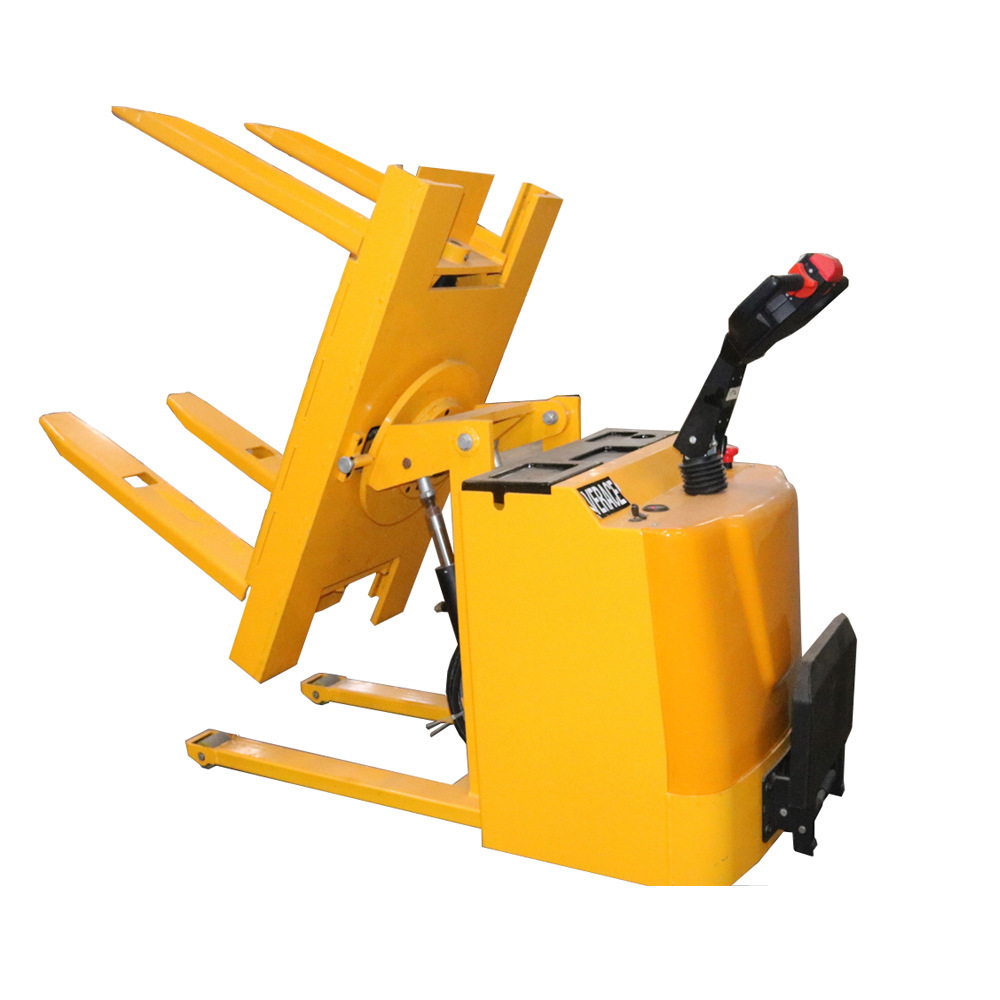
The human body is not designed for continuous heavy lifting, especially in awkward positions. When workers manually handle pallets, they often use incorrect posture due to the size or weight of the load. They might twist their torso while lifting, or bend excessively at the waist. Over time, these actions can cause serious wear and tear on spinal discs and muscle tissue. I have seen many cases where a single wrong move led to an immediate injury. Even small, repeated stresses accumulate, causing long-term health problems. This leads to lost workdays, higher insurance costs, and reduced morale among the team. It is a challenge many warehouse managers, like Carlos in Spain, face. He needs a system that reduces physical strain for his team. This is especially true with labor shortages making it hard to find people willing to do such physically demanding jobs.
- Repetitive Stress Injuries: Many tasks in a warehouse involve repeating the same movements over and over. This can be flipping a pallet, transferring goods, or loading and unloading. Each repetition, even with a lighter load, adds stress to the back. Over months or years, this stress can lead to chronic pain. It also causes conditions like herniated discs or sciatica. Workers might not feel it at first. But the damage builds up slowly. (repetitive motion injuries, chronic back pain)
- Awkward Postures and Movements: Pallets are large and heavy. Workers often have to twist their bodies to access loads or move them into tight spaces. Bending over for extended periods to reach items on lower levels also strains the back. These awkward postures increase the load on the spine. They make it much easier to pull a muscle or injure a disc. The risk goes up when workers are tired or rushing to meet tight deadlines. (ergonomic risks, poor lifting techniques)
- Heavy Lifting and Overexertion: The most obvious risk is lifting too much weight. A single pallet can weigh a lot, even without goods on it. When workers try to lift or shift heavy loads manually, they often exceed their physical limits. This overexertion can cause immediate acute injuries. It can be a muscle tear, a spinal compression, or a sudden strain. It is a constant concern in operations that handle thousands of pallets daily, like Carlos’s distribution center. (lifting heavy loads, physical overexertion, acute injuries)
- Fatigue and Reduced Awareness: Long shifts and physically demanding work lead to worker fatigue. When workers are tired, their judgment and physical coordination suffer. They might make mistakes when lifting or handling. They might forget to use proper lifting techniques. This increases the chance of accidents and injuries. Fatigue also makes existing minor back pain worse. (worker fatigue, accident prevention, safety awareness)
- Lack of Standardized Procedures: In some operations, there is no clear standard for how to handle pallets manually. Workers might use different techniques. Some might be safer than others. Without consistent training and safety protocols, the risk of injury stays high. This is where automation can bring a much-needed level of consistency and safety. (safety protocols, standardized operations, warehouse automation)
How do pallet inverters eliminate dangerous manual lifting?
Are you tired of seeing your team struggle with heavy lifting? Pallet inverters offer a clear solution to this age-old problem. They fundamentally change how goods are moved and transferred, making the process mechanical instead of manual. This shift means workers no longer need to exert their bodies in risky ways. (automated material handling, heavy load transfer, worker strain reduction)
Pallet inverters eliminate dangerous manual lifting by providing a mechanical means to grip, rotate, and transfer palletized loads. Instead of workers physically flipping or shifting heavy items, the machine performs all the strenuous work. This completely removes the human element from direct heavy lifting, which is the root cause of many back injuries in warehouse environments.
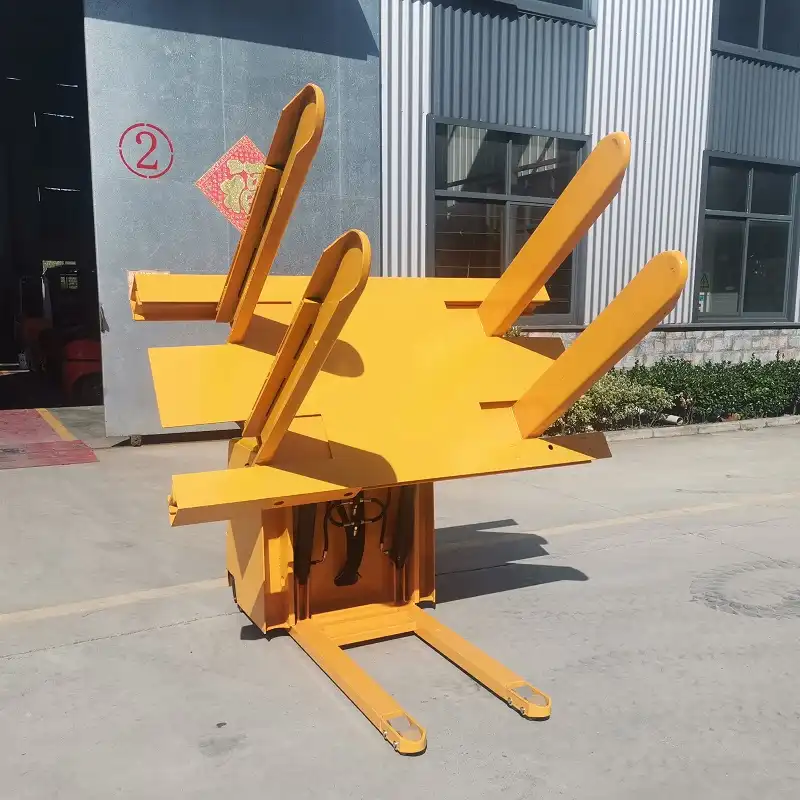
My experience with FHOPEPACK has shown me how vital these machines are. I founded FHOPEPACK after working my way up in the packing machine industry. I saw firsthand how much human effort went into tasks that could be automated. Pallet inverters are designed to handle the full weight of a load. They secure the product firmly. Then, they rotate it or transfer it to a new pallet. This process removes the need for any manual lifting, pushing, or pulling of heavy objects. Think about a large food and beverage group, like Carlos’s company in Spain. They handle thousands of pallets daily. Trying to do that manually is a recipe for disaster. Automating this step means fewer injuries, faster operations, and a happier workforce. It also makes operations much more compliant with safety standards.
- Securing and Gripping Loads: A pallet inverter first secures the load. It uses hydraulic clamps or powerful grippers. These hold the product and the original pallet firmly in place. This prevents any shifting or falling during the process. Workers do not need to manually stabilize the load. This removes a significant risk factor associated with unsteady loads. (secure load handling, hydraulic clamps, load stability)
- Mechanical Rotation and Tilting: Once secured, the machine rotates the entire load. It can flip it 90 degrees, 180 degrees, or even completely invert it. This happens smoothly and under controlled power. This process handles the full weight of the product and the pallet. Workers simply operate the controls. They are kept at a safe distance from the moving parts. This eliminates the need for any manual turning or tilting, which are common causes of back strain. (mechanical rotation, controlled tilting, automated pallet flipping)
- Automated Pallet Transfer: Many pallet inverters can also automatically transfer the load from one pallet type to another. For example, from a wooden pallet to a plastic one, or from a Euro pallet to a US pallet. The machine does this by holding the product and removing the old pallet. Then it positions a new one underneath. This completely bypasses the labor-intensive and dangerous manual transfer process. It reduces the risk of goods spilling or falling. It also protects workers from lifting errors. (automated pallet transfer, diverse pallet types, efficient pallet exchange)
- Controlled Operation and Safety Features: Pallet inverters come with built-in safety features. These include emergency stop buttons, safety cages, and light curtains. These features ensure that operations are safe for everyone around. The controlled, slow movement of the machine also reduces the risk of sudden shifts or drops. This contrasts sharply with the unpredictable nature of manual handling. The focus on safety is paramount for any business looking for long-term solutions. (safety interlocks, emergency stop, controlled movements)
- Reduced Repetitive Movements: By automating the pallet changing process, the need for repetitive bending, lifting, and twisting is virtually removed for workers. They interact with the machine by pressing buttons or using joysticks. This drastically cuts down on the cumulative stress that leads to chronic back injuries. This also allows staff to focus on other tasks that are less physically demanding. (reduced repetitive strain, ergonomic controls, improved task allocation)
What specific ergonomic advantages do pallet inverters bring to the warehouse floor?
Are you looking to improve worker comfort and long-term health in your warehouse? Pallet inverters do more than just prevent accidents. They create an ergonomically superior workspace. This means jobs become easier on the body, leading to less fatigue and a healthier workforce. (ergonomic benefits, worker comfort, long-term health)
Pallet inverters offer specific ergonomic advantages by designing out physically strenuous tasks. They remove the need for manual lifting, twisting, and repetitive bending, which are key sources of musculoskeletal injuries. This leads to a safer and more comfortable work environment where workers can perform their duties with reduced physical strain and improved posture.
When I was first developing FHOPEPACK solutions, a core goal was always to enhance the working life of employees. I understood that a happy and healthy team is a productive team. Pallet inverters achieve this by letting machines do the heavy work. Workers use controls that are at a comfortable height. They stand in natural positions. This eliminates bending, stooping, or reaching. This directly addresses common causes of back, neck, and shoulder strain. For businesses like Carlos’s, dealing with labor shortages, making jobs more attractive and less physically taxing is key to retaining staff. It also helps in attracting new talent. This means better productivity and less downtime for staff injuries.
- Elimination of Manual Lifting: This is the most significant ergonomic gain. Workers no longer need to lift heavy items from pallets. The machine handles all weight. This means no more straining muscles or compressing spinal discs. It also frees workers from gauging load weights, which can be deceptive. This is especially vital when dealing with varying product sizes and weights. (no manual lifting, spinal health, heavy load management)
- Reduced Repetitive Motions: Many warehouse tasks involve repeating the same movements hundreds of times a day. Pallet inverters take over the repetitive motion of turning or shifting goods. This minimizes the risk of overuse injuries, such as carpal tunnel syndrome or tendonitis. It allows workers to focus on supervision rather than strenuous action. This change supports a more sustainable working pace for everyone. (decreased repetitive strain, overuse injury prevention, sustainable work practices)
- Improved Posture and Body Mechanics: Operating a pallet inverter typically involves standing or walking near the machine, observing its function, and pressing buttons. This promotes neutral body postures. Workers do not need to bend, twist, or reach in awkward ways. Better posture throughout the workday reduces cumulative stress on the back and joints. It promotes overall musculoskeletal health. (neutral posture, body mechanics, musculoskeletal health)
- Less Worker Fatigue: Physically demanding work leads to rapid fatigue. When workers get tired, they become less efficient. They are more prone to making mistakes and injuring themselves. By taking over the physical demands, pallet inverters significantly reduce worker fatigue. This means staff can remain alert and productive for longer periods. It also helps them to have more energy at the end of their shift. (reduced physical fatigue, sustained productivity, worker well-being)
- Increased Safety Zone: Modern pallet inverters often include safety barriers or light curtains. These keep workers at a safe distance from moving parts and heavy loads. This creates a safer work zone. It reduces the chance of accidental impact or crushing injuries. The focus shifts from direct interaction with heavy loads to overseeing an automated process. (safe work zone, machine guarding, accident prevention)
Beyond safety, how do pallet inverters boost overall warehouse efficiency?
Do you think about automation only in terms of safety? While safety is crucial, pallet inverters also bring massive efficiency gains to your operations. They help streamline processes, accelerate workflows, and reduce operational bottlenecks. This can lead to significant cost savings and improved customer satisfaction. (warehouse automation, operational efficiency, cost reduction)
Beyond direct safety benefits, pallet inverters boost overall warehouse efficiency by drastically cutting down the time and labor required for pallet changes. They enable faster goods transfer, minimize product damage during handling, and ensure consistent pallet quality for shipping, which collectively accelerates throughput and reduces operational bottlenecks.
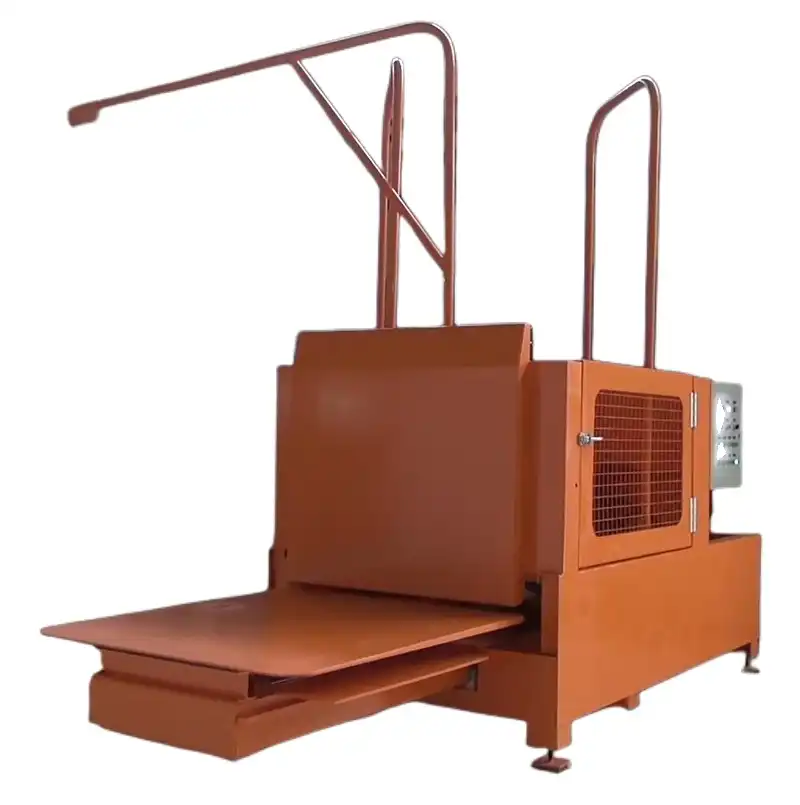
My goal at FHOPEPACK has always been to provide solutions that empower businesses. I saw many clients struggling with slow, manual processes. These processes held back their growth. Pallet inverters solve many of these challenges. For Carlos, managing a large distribution center with diverse pallet needs, speed and reliability are key. Slow pallet changes can lead to missed deadlines and unhappy customers. A reliable pallet inverter, like those from FHOPEPACK, means operations run smoother and faster. It ensures goods are ready for shipping in time. This impacts everything from avoiding contract penalties to improving client trust. It is a critical component for maintaining a competitive edge in today’s fast-paced logistics world.
- Faster Pallet Changes: Manual pallet changing is slow. It involves multiple steps and often requires more than one person. A pallet inverter can complete a full pallet change cycle in minutes. This dramatically speeds up throughput. This is essential for operations with high volumes, where every minute counts. Faster changes mean goods move through the warehouse more quickly. (expedited pallet exchange, high throughput, rapid processing)
- Reduced Labor Costs: With a pallet inverter, fewer workers are needed for the task. One operator can manage the machine. This frees up other team members for different duties. Over time, this translates into significant savings on labor costs. It also helps address the challenge of labor shortages. Businesses can redeploy their workforce more strategically. (labor cost savings, workforce optimization, staff reallocation)
- Minimized Product Damage: Manual handling increases the risk of product damage. Items can fall or be mishandled during transfer. Pallet inverters secure loads firmly throughout the process. This greatly reduces the chance of damage to goods. Less damage means fewer returns, less waste, and lower replacement costs. It protects profit margins and product quality. (product integrity, reduced damage, quality control)
- Improved Pallet Management and Hygiene: Pallet inverters make it easy to switch out damaged, broken, or unhygienic pallets. This ensures that only high-quality pallets are used for shipping. This is especially important for the food and beverage industry, where hygiene is paramount. Maintaining good pallet quality prevents issues during transit. It also ensures compliance with international shipping standards. (pallet quality control, hygiene standards, shipping compliance)
- Enhanced Operational Flow: By automating a key bottleneck, pallet inverters create a smoother and more predictable operational flow. This allows for better planning and scheduling of logistics tasks. It reduces delays and unpredictable downtime. This consistency is invaluable for meeting strict delivery schedules. It also enhances overall supply chain reliability. (streamlined logistics, consistent workflow, supply chain reliability)
How do modern pallet inverters handle different pallet sizes safely and easily?
Do you deal with a mix of Euro, US, and plastic pallets every day? Managing diverse pallet types manually is a major headache and a significant safety risk. Modern pallet inverters are designed with flexibility in mind. They easily adapt to different specifications, making operations safer and far more efficient. (diverse pallet compatibility, flexible material handling, multi-pallet systems)
Modern pallet inverters handle different pallet sizes safely and easily through adjustable clamping mechanisms and intuitive control systems. They are engineered to accommodate a wide range of dimensions and materials, ensuring a secure grip and seamless transfer, regardless of whether it’s a Euro, US, or plastic pallet, thus enhancing both operational safety and versatility.
At FHOPEPACK, we understand that one size does not fit all in the logistics world. My own journey, helping many clients grow their businesses, taught me the importance of adaptable solutions. Carlos, for instance, faces this exact challenge daily in Spain. His distribution center needs to switch between different pallet standards for imports and exports. This is not a niche requirement; it is a fundamental need for global operations. A good pallet inverter must be versatile. It must handle various sizes and materials without fuss. This capability is what makes modern pallet inverters indispensable. It protects workers by removing manual adjustment dangers. It also streamlines operations, saving time and money.
- Adjustable Clamping Systems: Modern pallet inverters come with highly adjustable clamping systems. These can be quickly reconfigured to fit different pallet heights and widths. This means the machine can securely grip anything from a smaller plastic pallet to a larger wooden US pallet. The adjustability is often motorized. It can be changed with the push of a button. This eliminates manual adjustments. It ensures a firm, safe hold on diverse loads. (adjustable clamps, secure gripping, multi-size compatibility)
- Versatile Load Capacities: These machines are built to handle a wide range of load weights. This means they are not limited to light goods. They can safely manage very heavy stacks of products. This versatility is crucial for warehouses that handle a variety of products, from light consumer goods to heavy industrial components. The robust design ensures stability for all loads. (variable load capacity, heavy duty handling, versatile applications)
- Accommodating Different Materials: Whether you use wooden, plastic, or metal pallets, modern inverters can handle them. The gripping surfaces are designed to provide traction without damaging the pallet or the product. This capability is vital for businesses that use specialized pallets for hygiene or specific transit needs. It also ensures compliance with different industry standards. (material compatibility, non-damaging grip, industry standards)
- Intuitive Control Interfaces: Operating these flexible machines is straightforward. They feature user-friendly interfaces. These interfaces allow operators to easily select different pallet configurations or programs. This minimizes training time. It reduces the chance of operational errors. Simple controls contribute directly to worker safety and operational efficiency. (user-friendly controls, intuitive interface, reduced operator error)
- Robust Construction for High Use: Pallet inverters are built to last in demanding warehouse environments. They are engineered for continuous, high-volume operation. This ensures long-term reliability. It means they can handle constant changes without frequent breakdowns. This robustness is critical for maintaining high throughput in busy distribution centers. (durable construction, heavy-duty use, reliable performance)
Conclusion
Pallet inverters are a game-changer for warehouse safety and efficiency. They directly address the critical issue of back injuries by automating heavy lifting and ensuring ergonomic operations. From my perspective at FHOPEPACK, investing in a reliable pallet inverter protects your workers, boosts productivity, and provides long-term operational advantages.








