
How Do Pallet Changers Support Rental Pallet Systems Like CHEP and IFCO?
Many businesses face a constant struggle in their warehouses. They need to move products quickly. They also need to handle different pallet types. This can cause delays, damage, and extra costs. Rental pallet systems, like those from CHEP and IFCO, are very common. They offer benefits but also bring unique challenges. These systems need specific handling to keep operations smooth and efficient.
Pallet changers are critical tools for businesses using rental pallet systems like CHEP and IFCO. They allow for quick, safe, and efficient transfer of goods from one pallet type to another. This includes switching from in-house pallets to rental pallets for shipping or vice versa. This process helps maintain product integrity, improves warehouse flow, and ensures compliance with rental agreements.

Understanding how these systems work together can transform your logistics. It can turn potential headaches into streamlined processes. Let’s explore the key aspects of this synergy. We will look at how pallet changers make rental pallet use much easier.
Why Are Rental Pallet Systems Essential for Modern Logistics?
Are you struggling with rising costs and complex supply chains? Many businesses are. They need solutions that are both flexible and cost-effective. This is especially true for pallet management. Buying and maintaining a large fleet of pallets can be very expensive. It adds another layer of complexity to daily operations.
Rental pallet systems, like CHEP and IFCO, offer a flexible and cost-effective solution for pallet management in modern logistics. They allow companies to use high-quality, standardized pallets without the capital investment and maintenance burden. This helps reduce costs, improve supply chain efficiency, and promote sustainability.

I have seen many businesses, from small distributors to large multinational groups, benefit from these systems. They offer a strong foundation for moving goods. They make logistics more predictable and manageable. This is a game-changer for many.
-
Reduced Capital Investment
- No Upfront Purchase: Companies do not need to buy thousands of pallets. This frees up capital that can be used elsewhere. It is a big advantage for cash flow. Investing in core business functions becomes easier. My journey in the packing machine industry taught me the value of smart investments.
- Lower Maintenance Costs: Rental pallets are maintained by the rental company. This removes the need for in-house repairs or disposal of damaged pallets. This saves labor and material costs. It simplifies asset management significantly.
- Predictable Costs: Rental fees are often fixed or volume-based. This allows for better budgeting and cost control. Companies can predict their pallet expenses more accurately. (Rental Pallet Cost Savings)
-
Enhanced Supply Chain Efficiency
- Standardization: CHEP and IFCO pallets are standardized globally. This means they fit easily into automated systems and racking. They are consistent in size and quality. This reduces handling issues and equipment adjustments. This consistency is vital for high-volume operations like those described by Carlos.
- Reliability: These pallets are durable and regularly inspected. They withstand the rigors of frequent transport and handling. This minimizes product damage caused by pallet failure. It ensures goods arrive safely. (Standardized Pallet Logistics)
- Network Benefits: Rental companies have vast networks for pallet exchange and retrieval. This ensures a constant supply of pallets. It reduces the risk of pallet shortages. It also improves overall supply chain fluidity. This network approach benefits everyone involved.
-
Environmental and Sustainability Benefits
- Reduced Waste: Rental pallets are reused many times. This significantly reduces the amount of timber waste. It supports a circular economy model. This is important for environmentally conscious businesses.
- Sustainable Sourcing: Rental companies often source their timber from certified sustainable forests. This ensures responsible resource management. It contributes to a greener supply chain. This commitment to sustainability is growing in importance.
- Lower Carbon Footprint: Optimized logistics and fewer new pallets mean a lower carbon footprint. This aligns with corporate sustainability goals. It helps businesses meet their environmental targets. (Eco-friendly Pallet Solutions)
What Challenges Do Rental Pallets Create for Warehouses?
While rental pallets bring many advantages, they also introduce specific operational hurdles for warehouses. I have seen these challenges firsthand. They can impact efficiency and even safety if not managed correctly. For instance, a warehouse manager like Carlos, who handles thousands of pallets daily, faces these issues constantly.
Rental pallets introduce challenges such as managing different pallet specifications (e.g., Euro vs. US pallets), ensuring pallet hygiene and quality for food safety, and the need for efficient transfers to avoid contamination or damage. These issues can lead to increased labor, slower operations, and potential compliance problems.
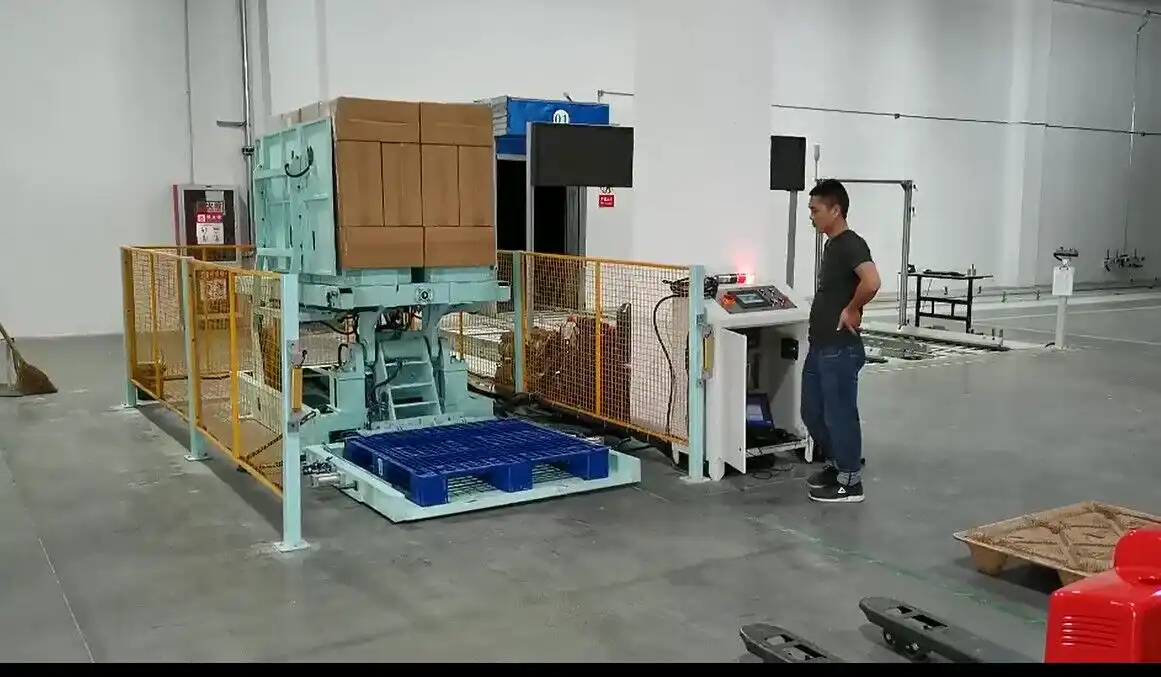
When I started FHOPEPACK, I knew that understanding these pain points was key. Our mission is to share knowledge that solves real-world problems. Rental pallets are a great example of this.
-
Pallet Specification Diversity and Exchange Needs
- Varied Standards: Companies often receive goods on their own house pallets or standard shipping pallets. But they might need to send them out on CHEP or IFCO rental pallets. This is especially true for international shipments, as Carlos mentioned with Euro vs. US pallets. This requires frequent pallet-to-pallet transfers.
- Cross-Docking Complexity: In cross-docking operations, goods arrive on one type of pallet and must be quickly transferred to another for immediate outbound shipping. Without efficient tools, this process can cause bottlenecks. It can also lead to significant delays.
- Customer Requirements: Many retail and e-commerce clients require specific pallet types for delivery. This means companies must adapt quickly. They must ensure their outgoing shipments meet these varied demands. (Pallet Type Management)
-
Hygiene and Quality Control
- Contamination Risks: Rental pallets are used by many different businesses. They can carry contaminants or allergens from previous loads. This is a critical concern for food and pharmaceutical industries. They need to transfer goods to clean, in-house pallets before processing.
- Damage and Wear: While rental companies maintain their pallets, some can arrive with minor damage or wear. Businesses need to transfer products off these pallets to ensure product safety. This also prevents damage to their own internal handling equipment.
- Regulatory Compliance: Strict regulations govern hygiene in industries like food and beverage. Companies must show they are preventing cross-contamination. This makes pallet quality control a top priority. (Pallet Hygiene Standards)
-
Operational Inefficiencies and Costs
- Labor-Intensive Transfers: Manual pallet transfer is slow and requires significant labor. Workers physically move products from one pallet to another. This increases labor costs and reduces throughput. For businesses facing labor shortages, like Carlos’s, this is a major issue.
- Safety Hazards: Manually transferring heavy or bulky goods between pallets poses safety risks. Workers can suffer injuries from repetitive lifting or falling goods. These incidents lead to higher insurance costs and lost productivity. Carlos has experienced several such accidents.
- Product Damage: Manual handling also increases the risk of product damage during the transfer. This leads to costly returns, waste, and customer dissatisfaction. Protecting goods during transfer is paramount. (Warehouse Operational Challenges)
How Do Pallet Changers Overcome Rental Pallet Obstacles?
The challenges posed by rental pallets are significant. But modern technology offers powerful solutions. Pallet changers are at the forefront of these solutions. They address the core pain points of diverse pallet specs, hygiene, and efficiency. They help companies like Carlos’s food and beverage group operate more effectively.
Pallet changers overcome rental pallet obstacles by automating the pallet transfer process. They efficiently switch products from one pallet type to another, ensuring hygiene, reducing manual labor, improving safety, and maintaining high operational throughput. This directly addresses issues like diverse pallet specifications and the need for clean, standardized pallets.

At FHOPEPACK, we believe in smart, practical solutions. Pallet changers are a perfect example. They transform a problematic step into a streamlined one. They solve the issues I mentioned earlier for Carlos’s warehouse.
-
Seamless Pallet Exchange for Diverse Specifications
- Universal Compatibility: Many pallet changers are designed to handle a wide range of pallet sizes and materials. They can easily switch between Euro pallets, US pallets, plastic, and wooden pallets. This flexibility is crucial for international logistics.
- Rapid Transfer: These machines can complete a pallet transfer in minutes. This drastically reduces the time spent on this critical step. It keeps goods moving through the warehouse quickly. This meets the demands for shorter delivery cycles.
- Customizable Settings: Advanced pallet changers offer adjustable clamping pressures and inversion angles. This ensures that different types of products, from fragile to heavy, can be handled safely. This prevents damage during the transfer. (Versatile Pallet Transfer Systems)
-
Enhanced Hygiene and Product Protection
- No Product Contact: Pallet changers move the product as a unit, often without direct human contact. This significantly reduces the risk of contamination from human hands or dirty pallets. This is vital for food and pharmaceutical safety.
- Isolated Transfers: They allow for a clean transfer from an incoming rental pallet to a clean, in-house pallet. The rental pallet never enters the clean production area. This maintains strict hygiene protocols. It ensures regulatory compliance.
- Reduced Damage: By automating the transfer, the risk of product damage from manual handling is nearly eliminated. Products are held securely during the entire process. This preserves product integrity and reduces waste. (Contamination Prevention Solutions)
-
Significant Operational Efficiency Gains
- Labor Reduction: One pallet changer can do the work of several people. This frees up staff for other value-added tasks. It addresses labor shortages directly. For Carlos, this means reducing reliance on manual labor.
- Improved Safety: Automated pallet transfers remove workers from dangerous manual lifting and flipping tasks. This drastically lowers the risk of workplace injuries. It creates a safer work environment. This also reduces insurance costs and accident-related downtime.
- Increased Throughput: With faster and more reliable transfers, the overall throughput of the warehouse increases. This shortens lead times. It helps companies meet tighter delivery schedules, improving customer satisfaction. (Automated Warehouse Efficiency)
What Types of Pallet Changers Are Best for CHEP/IFCO Operations?
Choosing the right pallet changer is crucial for optimizing operations with CHEP and IFCO rental systems. The ideal solution depends on a few factors. These include your warehouse layout, product types, and daily pallet volume. There isn’t a one-size-fits-all answer. My experience in designing and building packing machines has taught me to match the machine to the specific need.
The best pallet changers for CHEP and IFCO operations are often mobile pallet changers, fixed pallet inverters, or specialized side-press pallet changers. The choice depends on factors like required mobility, throughput volume, and the nature of the goods being handled. Each type offers distinct advantages for specific warehouse needs.
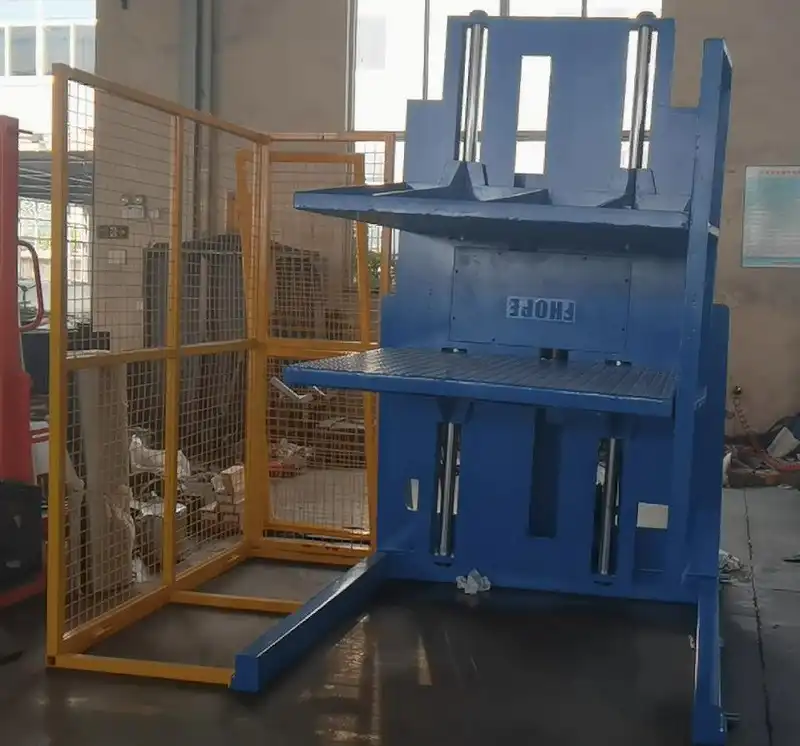
At FHOPEPACK, we focus on providing knowledge that helps you make informed decisions. Understanding the different types is the first step. For high-volume needs, FHOPEPACK offers robust solutions. For those seeking alternatives, SHJLPACK also provides various options.
-
Mobile Pallet Changers
- Flexibility: These machines are designed to be moved around the warehouse. They can serve multiple loading docks or different production lines. This makes them ideal for facilities with varying needs or limited space.
- Low Volume/Varied Locations: Mobile changers are perfect for operations that do not require continuous, high-volume pallet transfers at a single fixed point. They can be brought to where the pallets need to be changed. This reduces internal transport of goods.
- User-Friendly: They are often simpler to operate. They require less permanent installation. This means they can be deployed quickly with minimal disruption to existing workflows. This adaptability is highly valued by businesses like Carlos’s. (Portable Pallet Transfer Equipment)
-
Fixed Pallet Inverters/Changers
- High Throughput: These stationary units are built for high-volume, continuous operations. They are often integrated into conveyor systems. They provide a steady flow of palletized goods. This is crucial for large distribution centers or manufacturing plants.
- Robust Construction: Fixed changers are typically heavy-duty. They are designed for constant use with heavy loads. They offer exceptional reliability and durability. This ensures long-term stable operation, a key requirement for Carlos.
- Automation Integration: They can be fully automated. This means they require minimal human intervention. This maximizes efficiency and further reduces labor costs. They are a core component of automated warehouses. (High-Capacity Pallet Exchange Machines)
-
Specialized Side-Press Pallet Changers
- Sensitive Products: Side-press models clamp the load from the sides. They then swap the pallet underneath. This is ideal for unstable or fragile products. It also works for items that cannot be inverted or tilted. This ensures product integrity.
- Versatile Loads: These changers handle a wide array of product shapes and sizes. They do this without needing to re-stack the load. This makes them highly versatile for different inventory types.
- Specific Applications: They are particularly useful for situations where inversion is not possible. Or they are used when products are top-heavy or have liquid contents. This offers a precise and gentle transfer method. (Gentle Pallet Swapping Technology)
How Do Pallet Changers Improve Safety and Efficiency with Rental Pallets?
Safety and efficiency are top priorities for any warehouse manager, especially for someone like Carlos who oversees a major distribution center. Manual handling of pallets, particularly when switching between different types, is a major source of risk and inefficiency. Pallet changers are designed to directly address these pain points.
Pallet changers significantly improve warehouse safety by eliminating hazardous manual pallet handling, reducing the risk of workplace injuries, and minimizing product damage. They also boost efficiency by automating the transfer process, increasing throughput, reducing labor dependency, and ensuring seamless operations with rental pallet systems like CHEP and IFCO.
My journey from a factory employee to founding FHOPEPACK has shown me how critical safety and efficiency are. Investing in the right equipment protects both your people and your profits. This is why I am so passionate about sharing solutions that work.
-
Drastic Reduction in Workplace Injuries
- Elimination of Manual Lifting: Pallet changers take over the strenuous task of lifting, tilting, or inverting heavy palletized loads. This removes the primary cause of back strains, sprains, and other musculoskeletal injuries common in manual pallet transfers. Carlos’s concern about accidents due to manual flipping is directly addressed here.
- Reduced Exposure to Moving Parts: Modern pallet changers are built with safety features like light curtains, safety cages, and emergency stop buttons. These protect operators from moving machinery. They ensure a safe operational environment.
- Stable Load Handling: The machines securely grip the product during the transfer. This prevents goods from shifting or falling. It reduces the risk of impact injuries from falling items. This keeps both staff and products safe. (Industrial Safety Solutions)
-
Streamlined Operational Efficiency
- Faster Turnaround Times: Automated pallet changes are far quicker than manual methods. This means trucks can be loaded and unloaded faster. It also means goods can move through cross-docking operations without delay. This accelerates the entire supply chain.
- Optimized Labor Deployment: With pallet changers handling transfers, skilled workers can be reassigned to more productive tasks. This leverages human capital more effectively. It helps offset labor shortages and rising costs. This is a key goal for Carlos.
- Consistent Performance: Machines perform tasks with consistent speed and accuracy every time. This eliminates variability and errors common with manual work. It ensures a predictable and reliable workflow. (Automated Warehouse Throughput)
-
Enhanced Product Integrity and Compliance
- Minimized Product Damage: Gentle and precise mechanical handling prevents goods from being dropped, bumped, or otherwise damaged during the pallet swap. This reduces waste and protects profit margins. It also ensures customer satisfaction.
- Guaranteed Hygiene: Automated transfers mean less human contact and no contact with potentially contaminated incoming pallets. This upholds strict hygiene standards, especially important for industries like food and beverage. It helps meet compliance requirements.
- Seamless Rental Pallet Integration: Pallet changers make it easy to comply with rental pallet system rules. They ensure the correct pallets are used for inbound or outbound logistics. This avoids contract penalties and keeps relationships with rental companies positive. (Compliance in Logistics Operations)
How Can Businesses Choose the Right Pallet Changer for Their Needs?
Selecting the ideal pallet changer for your operations, especially when dealing with rental pallet systems like CHEP and IFCO, requires careful consideration. It is not just about buying a machine. It is about finding a solution that fits your unique workflow, budget, and long-term goals. My experience has taught me that a well-chosen machine brings lasting benefits.
Businesses can choose the right pallet changer by assessing their daily pallet volume, product characteristics (e.g., fragility, weight), available warehouse space, specific hygiene requirements, and budget. Partnering with a knowledgeable supplier like FHOPEPACK is crucial to ensure the selected machine effectively meets operational demands and integrates seamlessly into the existing logistics setup.
When I work with clients, I always emphasize a thorough analysis of their specific needs. This approach ensures they get the most value from their investment. A good solution is one that solves current problems and prepares for future growth.
-
Analyze Your Operational Requirements
- Daily Volume: How many pallets do you need to process per day or hour? High-volume operations often benefit most from stationary, automated systems. Lower volumes might be better suited for mobile or semi-automatic changers. This is a key determinant for machine capacity.
- Product Characteristics: Are your products fragile, heavy, unstable, or irregularly shaped? Some pallet changers are better for specific types of loads. Side-press models are great for unstable items. Tilters or inverters work well for stable, unitized loads.
- Pallet Types: What specific rental pallets (CHEP, IFCO) and house pallets do you use? Ensure the machine can handle all relevant pallet dimensions and materials (wood, plastic). This guarantees compatibility. (Pallet Changer Selection Criteria)
-
Evaluate Warehouse Infrastructure and Space
- Available Space: Do you have dedicated floor space for a permanent installation, or do you need a compact, portable solution? Stationary units require more footprint. Mobile changers offer flexibility but might not handle the highest volumes.
- Integration Needs: Will the pallet changer be a standalone unit, or do you need to integrate it with existing conveyor systems or automated guided vehicles (AGVs)? Automation-ready models offer greater efficiency. This is crucial for future-proofing your warehouse.
- Power and Utilities: What power supply is available? Consider air pressure requirements for pneumatic models. Ensure your facility can support the machine’s utility needs without costly upgrades. (Warehouse Automation Planning)
-
Consider Budget, ROI, and Supplier Partnership
- Initial Investment vs. ROI: While pallet changers require an upfront investment, consider the long-term return on investment (ROI). This includes savings from reduced labor, fewer product damages, and improved safety. Calculate the payback period.
- Maintenance and Support: What kind of after-sales support, spare parts, and maintenance services does the supplier offer? A reliable long-term partner is essential. Carlos seeks a partner who understands his pain points, not just a seller. FHOPEPACK offers strong support as part of our commitment.
- Customization Options: Do you have unique operational needs that require a customized solution? Some suppliers, like FHOPEPACK, can tailor machines to specific client requirements. SHJLPACK also provides various standard models. (Logistics Equipment Investment)
Conclusion
Pallet changers are indispensable for warehouses managing rental pallet systems like CHEP and IFCO. They solve critical issues from diverse pallet types and hygiene concerns to safety risks and labor costs. By automating pallet transfers, they enhance efficiency, protect products, and ensure compliance. Choosing the right pallet inverter transforms operational challenges into streamlined success.








