
How Do Food & Beverage Companies Use Pallet Changers for Hygiene Control?
As someone who started on the factory floor and built a successful packing machine business, I have seen many challenges in the food and beverage industry. One major headache for many logistics managers, like Carlos in Spain, is keeping things clean. Imagine thousands of pallets moving in and out every day. The risk of contamination is always there. This can cause huge problems, from fines to lost customers. (food hygiene challenges, factory floor insights, logistics manager concerns)
Food and beverage companies use pallet changers as a critical tool for hygiene control by allowing them to quickly and safely switch products from potentially dirty external shipping pallets to clean, sanitized internal warehouse or food-grade pallets. This process prevents cross-contamination, reduces manual handling risks, and helps maintain strict hygiene standards throughout the supply chain, ensuring product integrity and regulatory compliance. It acts as a vital barrier against external contaminants entering sensitive production or storage areas.
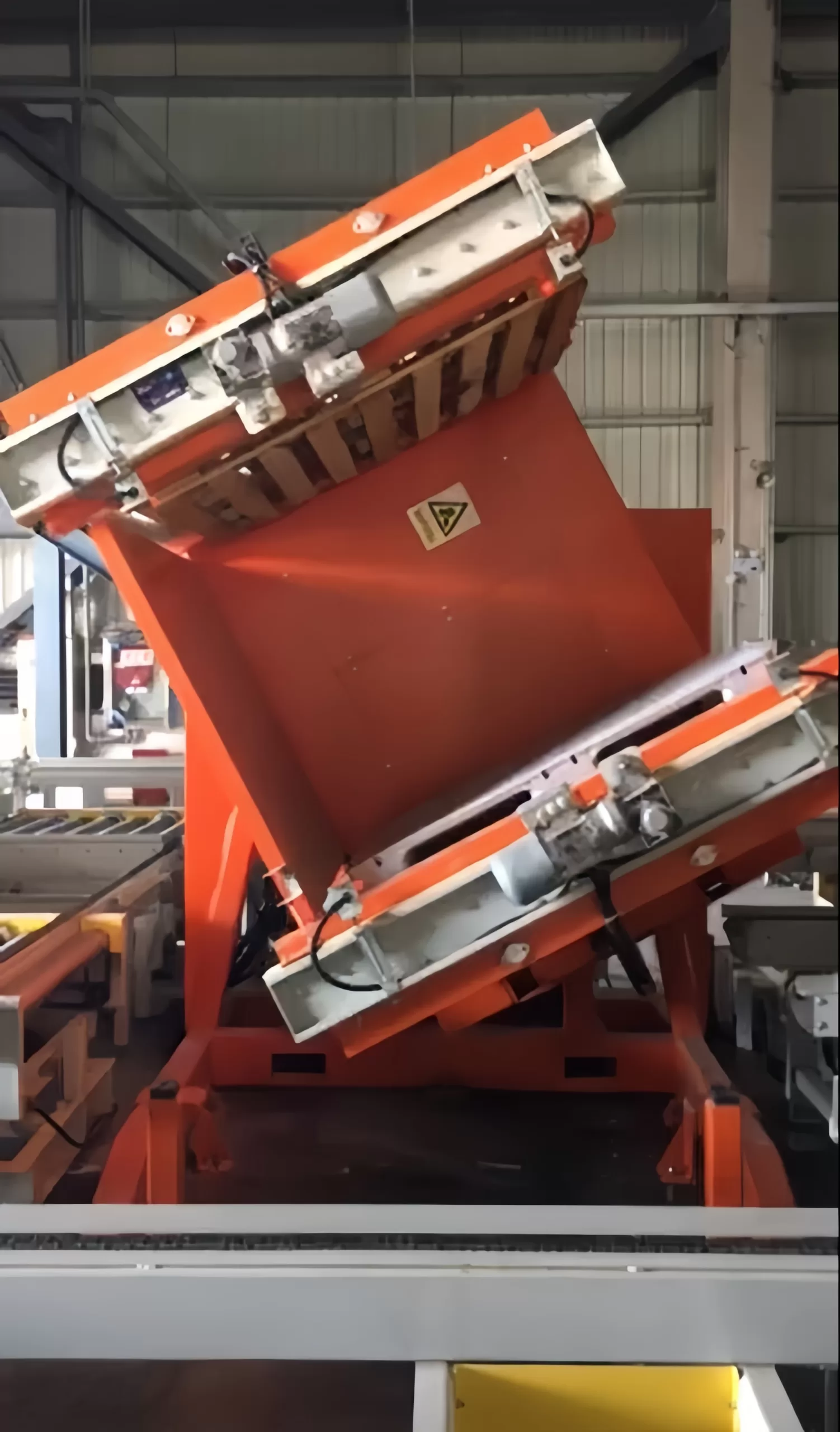
You might be wondering how a machine designed to move pallets can make such a big difference in cleanliness. It is about understanding the unseen threats and finding smart solutions. Let us look deeper into why pallet hygiene is so important and how these machines can be a game-changer for your business. (pallet hygiene importance, smart solutions, contamination prevention)
Why is Pallet Hygiene a Top Priority for Food & Beverage Companies?
Are you feeling the pressure to keep your food products safe and clean? The food and beverage industry faces some of the strictest hygiene rules of any sector. Failing to meet these standards can lead to serious consequences, from health risks for consumers to huge financial penalties for your company. It is not just about looking clean; it is about preventing invisible threats. (food safety regulations, industry compliance, product contamination risks)
Pallet hygiene is a top priority for food and beverage companies because it directly impacts product safety, regulatory compliance, and brand reputation. Contaminated pallets can introduce harmful bacteria, pests, or allergens into the production and storage environment, leading to costly product recalls, damage to consumer trust, and severe legal repercussions.
As Randal Liu, I have seen firsthand how much stress these regulations put on factory owners and logistics teams. When I worked as an employee and later built FHOPEPACK, I always kept these strict requirements in mind. For example, in Europe, managers like Carlos in Spain must deal with very specific EU food safety standards. These are not just guidelines; they are strict laws designed to protect public health. This means every part of the supply chain, including pallets, must meet a high level of cleanliness.
-
⚖️ Regulatory Compliance: Food and beverage companies must follow strict rules like HACCP (Hazard Analysis and Critical Control Points) and various national food safety laws. These laws require companies to control every possible source of contamination. Pallets, often coming from unknown sources, are a big part of this risk. If a dirty pallet touches a product or enters a clean area, it can break these rules. This leads to fines, shutdowns, and a lot of paperwork. Meeting these rules is not an option; it is a must. (HACCP compliance, food safety laws, regulatory adherence, supply chain integrity)
-
🚫 Preventing Cross-Contamination: This is perhaps the biggest reason. Products leave the factory clean, but they often arrive at a warehouse on pallets that have traveled long distances. These external pallets can pick up dirt, dust, bacteria, or even pest residues. If you then move your clean products onto these same dirty pallets, or if the dirty pallets enter your processing areas, you are risking contamination. This can spoil food, cause illnesses, and destroy consumer trust. Keeping dirty external pallets separate from clean internal operations is key. (cross-contamination prevention, food product spoilage, bacterial transfer, warehouse cleanliness)
-
📈 Protecting Brand Reputation and Consumer Trust: A single food safety incident can ruin a company’s reputation overnight. News travels fast, especially with social media. If a product recall happens because of contamination linked to pallet handling, consumers will remember it. They will lose trust in your brand. Rebuilding that trust takes years, if it is even possible. For large groups like the one Carlos manages, with thousands of pallets daily, maintaining trust across Europe is vital. It impacts sales, market share, and long-term success. (brand protection, consumer confidence, product recall impact, market share loss)
Meeting these standards is more than just a box to tick. It is about making sure food is safe for everyone. This is why investing in the right tools, like pallet changers, becomes a strategic choice for any serious food and beverage company. (strategic investment, food safety tools, operational cleanliness)
What Common Pallet-Related Risks Threaten Food Safety and Quality?
Have you ever considered what might be lurking on the pallets that enter your facility? Most people do not think about it, but pallets, especially wooden ones, can be major carriers of unseen threats. These risks can seriously harm your products and put your customers at risk. Ignoring these issues can have far-reaching and costly consequences. (hidden pallet risks, product quality threats, contamination sources)
Common pallet-related risks that threaten food safety and quality include the presence of physical contaminants like wood splinters, nails, or dust; biological hazards such as bacteria, mold, and pests; and chemical residues from previous uses or treatments. These contaminants can transfer to food products or contaminate clean areas, compromising product integrity and public health.
When I visit different factories, I always pay attention to the pallets. I have seen the challenges. Sometimes, a customer needs to switch from a wooden pallet to a plastic one for hygiene reasons. This is especially true for foods. Carlos, my contact in Spain, deals with this every day. He moves thousands of pallets and faces these exact problems. He knows that external pallets often carry unwanted guests or dirt.
-
🪵 Material Contamination: Traditional wooden pallets are a common source of physical contamination. They can splinter, leaving wood fragments in the warehouse or, worse, on food packaging. Nails can come loose, posing a hazard to staff and equipment. These pallets also absorb moisture and are hard to clean thoroughly, making them ideal breeding grounds for mold and mildew. This can cause visible damage and introduce spores into the air, affecting product quality. (wooden pallet hazards, splinter risks, mold contamination, physical debris)
-
🦠 Biological Contamination: Pallets traveling through various environments can pick up a host of biological threats. This includes bacteria like E. coli or Salmonella, which can thrive in dirty, damp conditions. Pests such as rodents and insects often hitch rides on pallets, seeking food and shelter. Once inside a food facility, these pests can spread disease and damage products. Imagine a pallet from a dusty outdoor yard entering your clean food processing area. It is a direct route for contamination. (bacterial growth, pest infestation, foodborne pathogens, microbiological risks)
-
🔄 Cross-Contamination Between Pallet Types: Carlos mentioned his need to frequently switch between Euro pallets and US pallets, or wooden pallets and plastic ones. This is a classic cross-contamination risk. An international shipping pallet (often dirty and potentially treated with chemicals) must not enter a clean internal facility or storage area. If products are moved manually, the risk of staff touching a dirty external pallet then a clean product is high. The transition point is where mistakes happen. Pallet changers solve this by creating a controlled transfer, isolating the dirty pallet. (international pallet standards, material exchange risks, manual handling dangers, contamination barrier)
Understanding these risks is the first step. The next step is to find effective ways to manage them. This is where modern pallet handling solutions come into play. (risk management strategies, effective solutions, modern pallet handling)
How Do Pallet Changers Directly Improve Hygiene in F&B Operations?
Are you tired of the constant worry about external pallets bringing contamination into your pristine food processing areas? Manual handling methods for switching pallets are slow, risky, and often not hygienic enough. There has to be a better way to protect your products and ensure your facility stays clean. (manual pallet handling risks, contamination concerns, efficient hygiene solutions)
Pallet changers directly improve hygiene in food and beverage operations by creating a dedicated, automated transfer point that isolates external pallets from internal ones. They enable companies to easily switch products onto sanitized, food-grade pallets without manual contact with dirty surfaces. This significantly reduces the risk of cross-contamination, facilitates regular cleaning of pallets, and streamlines the flow of goods in a controlled, hygienic manner.

I remember talking with a client who had a small recall issue. It was traced back to a manual pallet change in their warehouse. A worker had unknowingly transferred bacteria from an old shipping pallet onto a clean internal one. This kind of problem is exactly what we at FHOPEPACK aim to solve. Automated pallet changers remove human error and direct contact with dirty surfaces.
-
🛡️ Isolating External Contaminants: Pallet changers act as a hygienic barrier. They allow you to transfer goods from an incoming, potentially dirty pallet to a clean, internal, food-grade pallet. This happens without the external pallet ever entering your clean zones. Think of it as a cleanroom antechamber for your products. This isolation is crucial for preventing dirt, dust, pests, and bacteria from entering sensitive processing or storage areas. The dirty pallet stays outside, and only the clean product (on a new, clean pallet) moves forward. (hygiene barrier, cleanroom entry, dirty pallet isolation, contamination control)
-
🧼 Facilitating Cleaning Procedures: When you use a pallet changer, you can use specialized internal pallets. These are often made of plastic or stainless steel. They are much easier to clean and sanitize than wooden pallets. Many pallet changers allow for quick and efficient pallet replacement, meaning dirty pallets can be immediately sent for cleaning or disposal. This systematic approach ensures that only clean equipment is used within the facility, making regular sanitation routines much more effective. (sanitization process, easy-to-clean pallets, systematic cleaning, internal pallet management)
-
🔗 Standardizing Pallet Flow and Reducing Manual Handling: By automating the pallet changing process, you standardize your material flow. This reduces the need for workers to manually handle heavy loads or awkwardly flip products. Manual handling increases the risk of product damage and cross-contamination from human contact. An automated system ensures consistency and a cleaner process. It also solves Carlos’s challenge with labor shortage and safety risks. Fewer people handling pallets means fewer chances for accidents and hygiene breaches. (automated material flow, reduced manual labor, consistent processes, worker safety improvement)
Pallet changers are not just about moving goods. They are about smart, hygienic logistics. They are a core part of a modern food safety strategy. (smart logistics, modern food safety, strategic equipment)
Which Types of Pallet Changers Offer the Best Hygiene Solutions for F&B?
With so many different pallet changer options available, how do you know which one is best for maintaining hygiene in your food and beverage operations? Not all pallet changers are created equal when it comes to sanitary design and efficient contamination control. Choosing the wrong type could leave your facility vulnerable. (pallet changer types, sanitary equipment, contamination control selection)
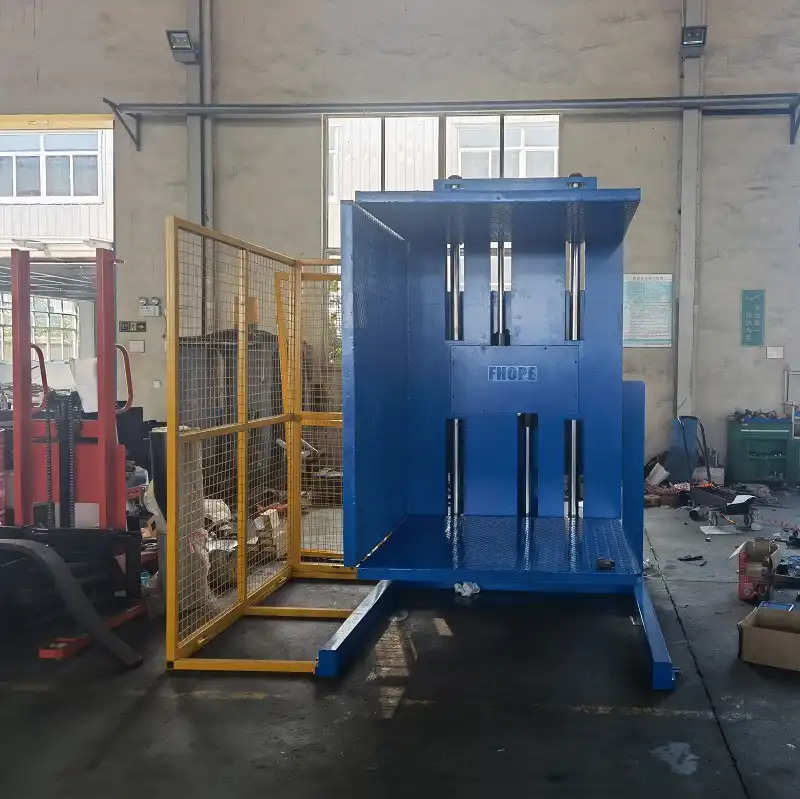
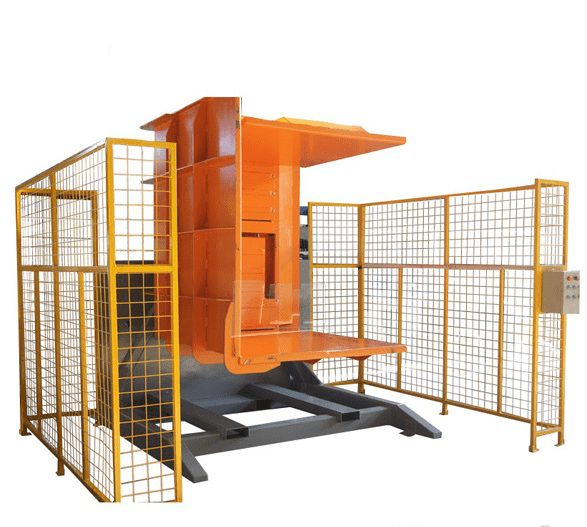
The best pallet changers for hygiene solutions in F&B operations are typically those designed for easy cleaning, minimal contact points, and efficient transfer without damaging products. This often includes 180-degree pallet inverters, side-clamp changers, and top-press systems. These machines allow seamless transfer from external pallets to hygienic internal pallets, preventing cross-contamination and supporting stringent sanitation protocols.

From my experience at FHOPEPACK, helping clients like Carlos in the food industry, I have learned that one size does not fit all. You need a solution that fits your specific products, pallet types, and hygiene requirements. Let me break down some of the most effective types.
-
🔄 180-Degree Pallet Inverters:
- How it works: This machine clamps the load and rotates it 180 degrees, allowing you to remove the original pallet and replace it with a new one underneath.
- Hygiene Benefit: Excellent for completely isolating dirty base pallets. The product stays clamped and does not touch the ground or other surfaces. It is also good for transferring products from wooden pallets to clean plastic pallets. FHOPEPACK offers robust 180-degree inverters that are easy to integrate into existing lines.
- Best for: Products that can withstand being inverted, common in many packaged food goods.
- Recommendation: FHOPEPACK’s 180-degree pallet inverters are designed for heavy use and high efficiency, offering reliable performance for demanding F&B environments. (180-degree rotation, hygienic pallet exchange, packaged food handling, heavy-duty pallet inverter)
-
↔️ Side-Clamp Pallet Changers:
- How it works: These machines clamp the load from the sides, lift it slightly, and allow the pallet underneath to be swapped.
- Hygiene Benefit: Ideal for unstable loads or products that cannot be inverted. The product stays upright, reducing the risk of damage or shifting. This method keeps the product untouched while only the pallet is exchanged, making it very hygienic.
- Best for: Beverages, fragile items, or products in open containers where inversion is not an option.
- Recommendation: SHJLPACK also offers side-clamp models known for their gentle handling, which can be a good alternative if our FHOPEPACK models do not fit specific unique needs for very fragile items. (side clamping mechanism, fragile product handling, upright pallet change, beverage logistics)
-
⬇️ Top-Press / Push-Pull Pallet Changers:
- How it works: A top-press system holds the load from above while the pallet is removed. Push-pull systems move the load onto a slip sheet or directly onto a new pallet using a pushing mechanism.
- Hygiene Benefit: Provides a very stable and controlled transfer with minimal product movement. This is great for maintaining the integrity of sensitive food items. It ensures the new clean pallet makes contact directly with the product’s base, or a clean slip sheet, without introducing external contamination.
- Best for: Very tall or unstable loads, bulk ingredients in large bags, or situations where slip sheets are used.
- Recommendation: FHOPEPACK provides advanced push-pull and top-press pallet changing solutions that are highly customizable for different product sizes and weights, ensuring maximum hygiene and safety. (top-press systems, slip sheet transfer, bulk ingredient handling, customized pallet solutions)
Choosing the right type depends on your specific needs. It is about matching the machine’s capabilities to your operational realities and hygiene goals. (operational needs matching, hygiene goal alignment, machine capability)
How Can You Choose the Right Pallet Changer to Maximize Hygiene and Efficiency?
Are you feeling overwhelmed by the choices when looking for a pallet changer? Selecting the right machine is a big decision, especially when hygiene and efficiency are on the line. A wrong choice can cost you time, money, and put your product quality at risk. You need a partner who understands your challenges, not just a seller. (pallet changer selection, operational efficiency, product quality risks, strategic partnership)
To choose the right pallet changer for maximizing hygiene and efficiency, food and beverage companies must consider their specific operational needs, the types of pallets and products handled, required throughput, and ease of cleaning. It is crucial to partner with a supplier who offers customizable solutions, understands food safety regulations, and provides robust after-sales support to ensure long-term reliability and compliance.
Carlos in Spain needs a machine that is reliable, adaptable to different pallet sizes (Euro, US, plastic), and significantly reduces manual work. He also needs long-term stability in a demanding warehouse environment. These are all vital points I discuss with my clients at FHOPEPACK. Here is what I advise them to consider:
-
📊 Operational Needs and Throughput:
- Evaluate your volume: How many pallets do you need to change per hour or day? This determines the speed and automation level required. Do you need a semi-automatic or a fully automatic system?
- Pallet types and sizes: As Carlos knows, handling diverse pallet sizes (Euro, US, plastic) is common. Ensure the machine can handle all your required dimensions and weights. FHOPEPACK machines are built with flexibility in mind, offering adjustable features for various pallet sizes.
- Load stability: Does your product require gentle handling, or can it withstand inversion? This will guide you to the right type of changer (e.g., side-clamp for fragile goods, 180-degree for robust items). (high volume processing, diverse pallet handling, load stability assessment, automated system integration)
-
🚿 Hygiene Requirements and Material Design:
- Washdown capability: For food and beverage, the machine itself must be easy to clean. Look for stainless steel construction and designs that prevent product buildup. Are there crevices where bacteria can hide?
- Material contact: Ensure that all parts of the machine that might come into contact with the product or clean pallets are made of food-grade materials.
- Preventing contamination: The machine’s design should effectively create that barrier between dirty external pallets and clean internal ones. Ask about features that enhance this separation. (food-grade equipment, washdown design, stainless steel construction, contamination barrier features)
-
👷 Safety and Ergonomics:
- Worker safety: Carlos highlighted labor shortages and safety risks. An automated pallet changer reduces manual lifting and turning, which lowers the risk of injuries like back strains or crushed limbs. Look for safety features like emergency stops, light curtains, and clear operating procedures.
- Ease of use: The machine should be intuitive for your staff to operate. Simple controls and clear instructions reduce errors and training time. A user-friendly design helps avoid accidents caused by complex operations. (worker injury prevention, ergonomic design, automated safety features, intuitive machine controls)
-
🤝 Supplier Expertise and Support:
- Beyond the sale: Carlos wants a partner, not just a vendor. Look for a company that understands your specific industry challenges in F&B. They should offer consultation, installation, and strong after-sales support.
- Customization: Can the supplier adapt the machine to your unique layout, product, or hygiene protocols? FHOPEPACK prides itself on providing tailored solutions, drawing on my decades of experience in the packing machine industry. We listen to your pain points and offer practical, effective answers.
- Reliability: Ask about the machine’s durability and expected lifespan. In a high-intensity environment, downtime is very costly. Investing in quality from a reputable supplier like FHOPEPACK or SHJLPACK pays off in the long run. (customized solutions, industry-specific expertise, reliable after-sales support, long-term equipment durability)
Choosing correctly means a smoother, safer, and more hygienic operation. It means fewer worries about compliance and more focus on growth. (operational improvement, compliance assurance, business growth focus)
Insight and Recommendations: What Should F&B Leaders Consider for Optimal Pallet Handling?
Many food and beverage leaders, like Carlos, are constantly looking for ways to improve their operations while meeting ever-increasing demands. The challenge is often balancing speed, cost, and strict hygiene requirements. It is a tough juggling act, but there are smart ways to achieve it. (operational improvement strategies, cost-efficiency in F&B, hygiene compliance solutions)
For optimal pallet handling in the food and beverage industry, leaders should embrace automation, prioritize equipment with sanitary design features, and view their pallet changing system as a strategic hygiene control point. Investing in flexible, reliable pallet changers from experienced partners will not only ensure compliance and reduce safety risks but also significantly boost overall operational efficiency and reduce long-term costs.
My journey in the packing machine industry taught me that success comes from understanding the core problems and building solutions that truly work. For food and beverage leaders, this means looking beyond just the immediate need. It means planning for the future.
-
🎯 Strategic Integration of Automation:
- Don’t see a pallet changer as just another piece of equipment. See it as a key part of your automation strategy. It is a bridge between different parts of your supply chain.
- Automating pallet changes can connect with other systems like conveyors, automated guided vehicles (AGVs), or robotic palletizers. This creates a seamless, low-touch process, minimizing human interaction and further reducing contamination risks.
- Consider how automation can help you overcome labor shortages and handle increased demand, especially from e-commerce and retail clients expecting faster delivery times. (automation strategy, integrated logistics systems, low-touch processes, supply chain optimization)
-
🔍 Focus on Proactive Hygiene Design:
- When selecting any equipment for your F&B facility, always look at the design through a hygiene lens. Can it be easily cleaned? Does it have enclosed motors or smooth surfaces?
- Choose machines made from materials like stainless steel that resist corrosion and bacterial growth. Avoid equipment with unnecessary crevices where dirt can accumulate.
- This proactive approach prevents problems before they start, saving you time and money on reactive cleaning and potential recall situations. (proactive hygiene, sanitary equipment design, stainless steel components, preventative maintenance)
-
🤝 Building a Partnership with Your Supplier:
- Carlos specifically wants a long-term partner, and I completely agree. A good supplier does more than sell you a machine. They understand your industry, your specific challenges, and your goals.
- At FHOPEPACK, we do not just sell machines; we share knowledge and provide solutions. We work with you to understand your unique needs, whether it is for diverse pallet specs, high throughput, or specific safety requirements.
- A reliable partner offers ongoing support, spare parts, and advice, ensuring your pallet changer remains a high-performing asset for years to come. (supplier partnership, long-term collaboration, industry knowledge sharing, comprehensive support)
By taking these steps, food and beverage leaders can ensure their pallet handling processes are not only efficient but also uphold the highest standards of hygiene and safety. This protects their products, their brand, and their customers. (efficient processes, high hygiene standards, brand protection, customer safety)
Conclusion
Pallet changers are vital for food and beverage companies to maintain hygiene, prevent contamination, and meet strict regulations. They streamline operations, enhance safety, and protect product integrity. Investing in a reliable pallet inverter from an expert partner like FHOPEPACK ensures long-term success and peace of mind. (hygiene benefits, operational efficiency, reliable investment)








