
How Coil Wrapping Machines in UK Help Tire Plants Wrap Faster and Safer?
Are you a factory manager in the UK’s bustling tire manufacturing sector? Do you often find yourself wrestling with slow, manual packing processes that eat into your production schedule and threaten worker safety? Many of my clients, much like you, face the constant pressure to boost output, cut costs, and keep their teams safe. The truth is, relying on outdated methods for wrapping crucial materials can be a real bottleneck, leading to inefficiencies and unnecessary risks.
Coil wrapping machines help UK tire plants wrap faster by automating the packing process, significantly reducing manual labor and increasing throughput, while also making operations safer by minimizing the need for workers to handle heavy, awkward coils, thereby preventing injuries and improving overall workplace conditions. This automation ensures consistent, high-quality wraps, protects materials from damage, and helps plants meet stringent production demands and safety standards common in the UK.
I know firsthand the challenges of running a manufacturing operation. From my early days as an employee in a packing machine factory to building FHOPEPACK into a successful business, I have seen how critical reliable and efficient equipment is. If you are looking to overcome your current packing hurdles and achieve new levels of productivity and safety, then understanding the power of modern coil wrapping technology is your next step.
1. Why Do UK Tire Plants Need Faster Coil Wrapping?
Do you ever feel like your packing line is the slowest part of your entire operation, holding back your finished products? Many UK tire plants, despite having advanced manufacturing lines, still struggle with the end-of-line packing process. This can lead to significant delays and missed production targets.
UK tire plants need faster coil wrapping to meet the increasing demand for tires, to integrate seamlessly with high-speed production lines, and to improve overall operational efficiency, especially in a market where labor costs are high and just-in-time delivery is expected. Fast wrapping machines allow these plants to process materials quickly, reducing inventory buildup and ensuring a smooth flow from production to logistics.
From my experience, I have seen how even a small bottleneck can create huge problems down the line. In the UK, manufacturers operate in a highly competitive environment. Every minute saved in the packing process contributes directly to greater output and faster market delivery. Manual coil wrapping is simply too slow for today’s demands. It requires multiple workers, takes a long time, and is often inconsistent. This directly impacts the plant’s ability to meet tight delivery schedules and reduces overall capacity. Think about the costs of holding inventory because your finished products cannot be packed fast enough. This can tie up capital and take up valuable warehouse space. Faster wrapping also means fewer production stops and starts, making the entire system more stable. When I first started my factory, I learned quickly that efficiency in every step, no matter how small, adds up to big gains. This is why investing in speed at the packing stage is not just an upgrade, it is a necessity for UK tire plants aiming to stay competitive and profitable.
The True Cost of Slow Packing in the UK Tire Industry
When packing speeds are slow, the impact goes beyond just missed deadlines. It affects every part of the business.
Production Bottlenecks
- Downstream Delays: Slow packing creates a backlog, forcing upstream production lines to slow down or even stop. This negates any efficiency gains made earlier in the manufacturing process.
- Reduced Throughput: The plant simply cannot produce and ship as much as its capacity allows, leading to underutilized machinery and labor.
Increased Operational Costs
- Higher Labor Costs: Manual coil wrapping requires more workers for longer periods, increasing direct labor expenses, which are particularly significant in the UK where wages are generally higher.
- Overtime Expenses: To catch up on production, plants often rely on overtime, further inflating labor costs.
- Inventory Holding Costs: Unpacked or slowly packed goods sit in warehouses longer, incurring storage, insurance, and management costs. This also ties up capital that could be used elsewhere.
Impact on Customer Satisfaction
- Delayed Deliveries: Slow packing directly leads to late shipments, which can damage customer relationships and result in penalties or lost business.
- Reduced Competitiveness: Competitors with more efficient packing processes can offer faster delivery times, giving them a significant advantage.
By switching to automated coil wrapping, UK tire plants can remove these bottlenecks, reduce labor costs, and improve their ability to deliver products on time. This moves them from simply meeting demand to exceeding expectations, strengthening their position in the market.

2. How Do Coil Wrapping Machines Make Tire Plant Operations Safer in the UK?
Are you constantly worried about the safety of your workers, especially when they handle heavy or awkward materials on the packing line? Manual handling is a major cause of workplace injuries, and in a UK tire plant, where coils can be heavy and bulky, the risks are particularly high.
Coil wrapping machines make tire plant operations safer in the UK by eliminating the need for manual handling of heavy and unstable coils, thereby drastically reducing the risk of musculoskeletal injuries, crushes, and strains for workers. These machines automate the wrapping process, allowing operators to oversee the equipment from a safe distance and ensuring compliance with the UK’s stringent Health and Safety Executive (HSE) regulations.
My journey in the packing machine industry has shown me that safety is not just a regulatory burden; it is a moral obligation and a key component of a productive business. When employees feel safe, they are more productive and loyal. Michael, a factory manager I know, often talks about the high injury rates and insurance costs that come with manual handling. Coil wrapping machines directly address these issues. Workers no longer need to lift, carry, or manually wrap heavy coils, which can weigh hundreds of kilograms. This removes the risk of back injuries, sprains, and even more severe accidents. The machine does the heavy lifting and the repetitive motions. This also helps plants comply with UK health and safety laws, which are very strict about manual handling limits. By reducing the number of accidents, a plant also lowers its insurance premiums and reduces staff turnover. This creates a safer, happier, and more efficient workplace.
Minimizing Hazards: A Table of Manual vs. Automated Handling Risks
Understanding the direct risks that automated solutions remove helps show their true value in safety.
| Hazard Type | Manual Handling Risk (without coil wrapper) | Automated Handling Benefit (with coil wrapper) |
|---|---|---|
| Musculoskeletal Injuries | Back strains, sprains, repetitive strain injuries from lifting/twisting heavy coils. | Eliminates manual lifting, twisting, and repetitive motions, reducing all related injuries. |
| Crushing Hazards | Risk of coils falling or shifting during manual manipulation or transport. | Secure mechanical handling, stable wrapping platform, greatly reduces falling/shifting risks. |
| Pinch Points | Fingers/hands caught between coils or between coil and packing materials. | Workers operate from a safe distance, minimal direct contact with moving parts. |
| Fatigue-Related Accidents | Increased likelihood of errors and accidents due to worker fatigue from strenuous activity. | Machine performs repetitive tasks, reducing worker fatigue and improving alertness for oversight. |
| Environmental Exposure | Prolonged exposure to dust, noise, or other factory elements during manual wrapping. | Workers are positioned away from direct exposure points, often in quieter, cleaner areas. |
| Compliance Issues | Non-compliance with UK HSE manual handling regulations (e.g., weight limits, ergonomic requirements). | Helps achieve full compliance with HSE guidelines by automating hazardous tasks. |
This table clearly shows how a coil wrapping machine transforms a high-risk activity into a much safer, controlled process. It protects workers and ensures the factory meets its safety obligations.
3. What Types of Coils Are Wrapped in UK Tire Plants, and Why Is Proper Wrapping Crucial?
When we talk about “coil wrapping machines,” some might immediately think of steel coils, but what about tire plants? What types of coiled materials do they handle, and why is protecting these materials so critical for their final product?
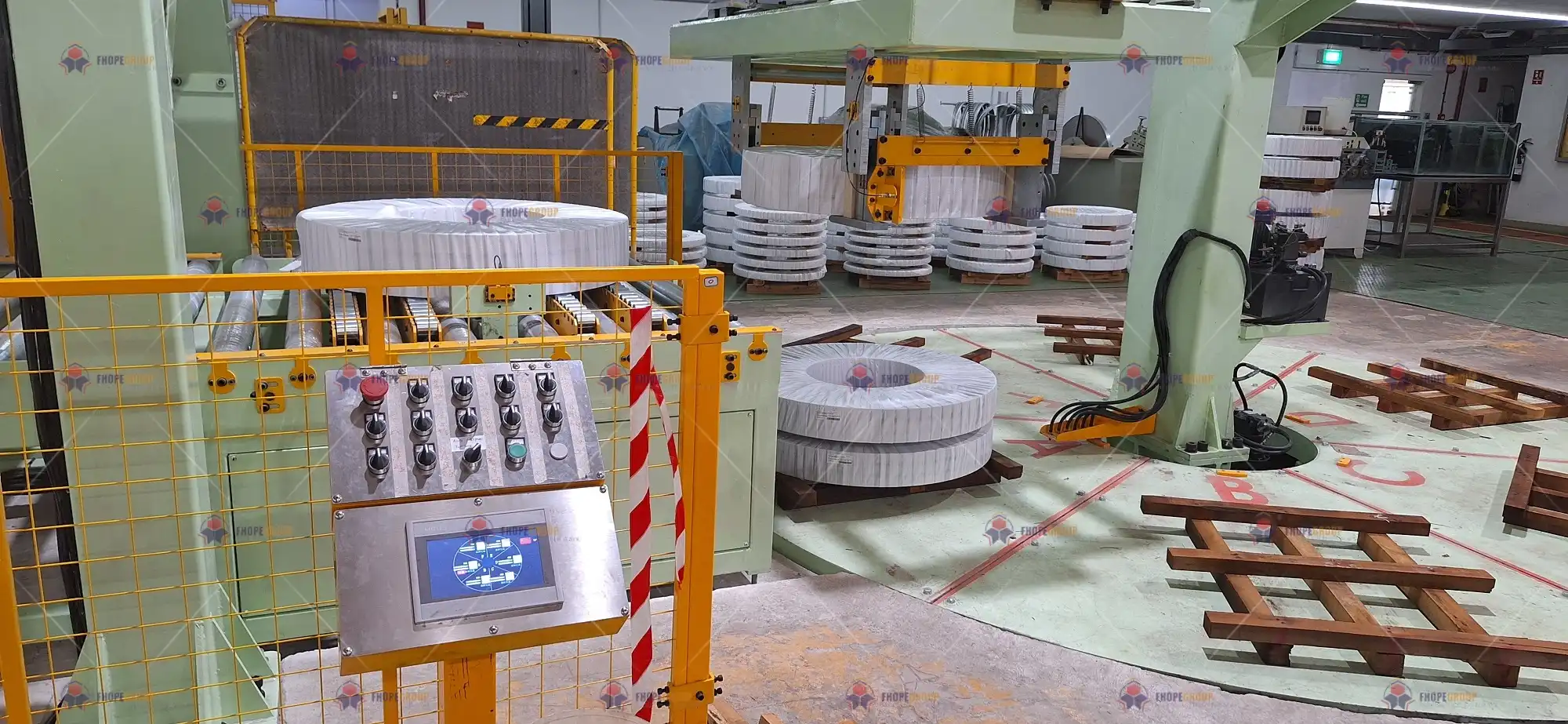
In UK tire plants, coil wrapping machines are used to pack various materials, including steel cord coils, rubber sheet rolls, and sometimes even smaller finished tire bundles, with proper wrapping being crucial to protect these delicate materials from moisture, dust, and physical damage during storage and transport. This ensures the integrity of raw materials, prevents contamination, and maintains the quality necessary for producing high-performance tires.
My background is in packing machines for coil and steel wire, and the principles of protection are universal. Whether it is a heavy steel coil or a delicate rubber sheet, safeguarding the material is key. For tire plants, the quality of raw materials directly impacts the safety and performance of the final tire. Steel cord coils, for instance, are a fundamental component. Any damage, moisture, or contamination can weaken the cords, making the tire unsafe. Rubber sheets, used for various tire layers, must also be kept clean and protected from environmental factors that could alter their properties. When I started FHOPEPACK, I aimed to provide solutions that not only wrapped effectively but also understood the specific protection needs of different industries. Improper wrapping can lead to product defects, material waste, and ultimately, customer complaints and financial losses. This is exactly what Michael, the factory manager, fears with his current product loss issues. Proper wrapping ensures these materials arrive at the next stage of production or to customers in perfect condition.
The Critical Role of Wrapping for Tire Plant Materials
Proper wrapping is not just about keeping things tidy. It is a vital step in quality control and logistics for UK tire plants.
Material Protection Needs in Tire Manufacturing
-
Steel Cord Coils:
- Protection against Rust and Corrosion: Steel cords are highly susceptible to moisture. Wrapping creates a barrier, preventing rust that can weaken the cord and compromise tire integrity.
- Dust and Dirt Prevention: Contaminants can interfere with the bonding process between steel and rubber, leading to defects. A tight wrap keeps them clean.
- Physical Damage: The cords can be easily bent or kinked during handling. Wrapping provides a protective layer against physical abrasions.
-
Rubber Sheet Rolls:
- Moisture Control: Rubber properties can be affected by humidity. Wrapping maintains a stable moisture environment.
- Oxidation Prevention: Exposure to air can cause the rubber to degrade. An airtight wrap slows down this process.
- Contamination Shield: Dirt, oil, and other foreign particles can change the chemical properties of the rubber, making it unsuitable for tire production.
-
Finished Tire Bundles (Less Common, but possible):
- Scuff and Scratch Prevention: Keeps the aesthetic quality of the tire intact.
- Dust Protection: Maintains cleanliness for retail or direct-to-customer shipments.
The Consequences of Inadequate Wrapping
- Increased Scrap Rate: Damaged raw materials must be discarded, leading to significant waste and increased production costs.
- Quality Control Failures: Defective materials can lead to faulty tires, which can be dangerous and costly to recall.
- Supply Chain Disruptions: Damaged goods mean production delays as new materials need to be sourced, impacting delivery schedules.
- Reputational Damage: Consistently supplying faulty or damaged products can severely harm a company’s brand image and customer trust.
A robust coil wrapping machine provides the necessary protection, ensuring that the valuable materials used in tire manufacturing maintain their quality from arrival to final assembly.
4. What Should UK Tire Plants Look For in a Coil Wrapping Machine Partner?
After deciding that a coil wrapping machine is the right investment for your UK tire plant, the next big question arises: How do you choose the right supplier? Many factory managers, like Michael Chen, have faced supplier trust crises, dealing with companies that prioritize sales over genuine partnership and after-sales support.
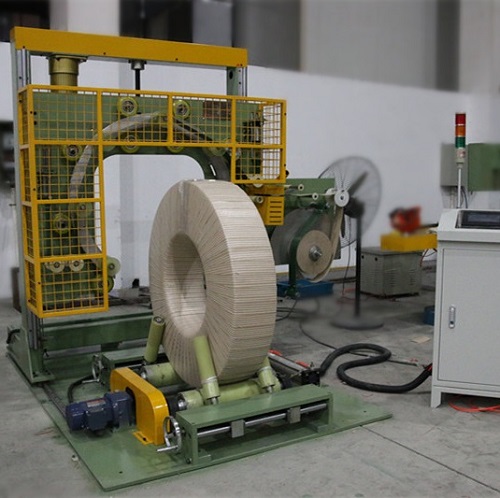
UK tire plants should look for a coil wrapping machine partner who offers deep industry expertise, proven equipment reliability, strong after-sales support, clear return on investment (ROI) projections, and a commitment to understanding and solving specific operational challenges. A true partner, like FHOPEPACK, will provide more than just machinery; they will offer insights and solutions that drive long-term business growth and operational efficiency.
My own journey, from being an employee to building FHOPEPACK, has taught me the immense value of trust and partnership. When I started FHOPEPACK, I knew I wanted to be different from those “sales-only” companies. I experienced firsthand how critical it is to have equipment that works, and support when you need it. This is why when UK tire plants consider a coil wrapping machine, they must look beyond the initial price tag. They need a partner who understands their specific challenges – from efficiency bottlenecks to safety risks and product damage. A good partner will ask questions, listen to your problems, and then propose solutions that fit your unique needs. They will provide clear data on how their equipment can improve your ROI through reduced labor costs, less product damage, and increased output. Most importantly, they will stand by their product with excellent after-sales service and technical support, ensuring your machine runs smoothly for years to come.
Key Qualities of a Reliable Coil Wrapping Machine Partner for UK Tire Plants
Choosing a partner is a long-term decision. Here is what to prioritize:
1. Industry Expertise and Problem-Solving
- Understanding Specific Needs: Does the supplier truly understand the unique demands of a tire plant? Do they know about steel cord or rubber sheet handling?
- Consultative Approach: They should be willing to analyze your current processes, identify pain points, and offer tailored solutions, not just off-the-shelf products.
- Track Record: Look for examples of how they have helped other complex manufacturing operations.
2. Equipment Reliability and Durability
- Robust Design: Machines must be built to withstand the demanding conditions of a busy factory floor, ensuring minimal downtime.
- Quality Components: High-quality parts mean fewer breakdowns and longer service life.
- Customization Options: The ability to customize the machine to fit specific coil sizes, weights, and production line layouts is crucial.
3. Comprehensive After-Sales Support
- Technical Support: Prompt and knowledgeable support for troubleshooting, maintenance, and operational questions.
- Spare Parts Availability: Easy access to genuine spare parts to minimize repair times.
- Training: Thorough training for your team on how to operate and maintain the machine safely and efficiently.
4. Clear ROI and Financial Benefits
- Cost Analysis: The partner should provide a detailed breakdown of how their machine will reduce labor costs, material waste, and improve productivity, leading to a clear return on investment.
- Long-Term Value: Focus on the total cost of ownership, including maintenance, energy consumption, and expected lifespan.
5. Local Presence or Strong Service Network (for UK)
- Accessibility: For UK tire plants, a partner with a local office, service technicians, or a strong distribution network in the UK can make a huge difference in response times and service quality. This ensures that any issues can be addressed quickly, minimizing operational disruptions.
By carefully evaluating these points, UK tire plants can find a partner who will not only supply a machine but also provide the expertise and support needed for long-term success and growth.
My Insight!!!!!!!!!
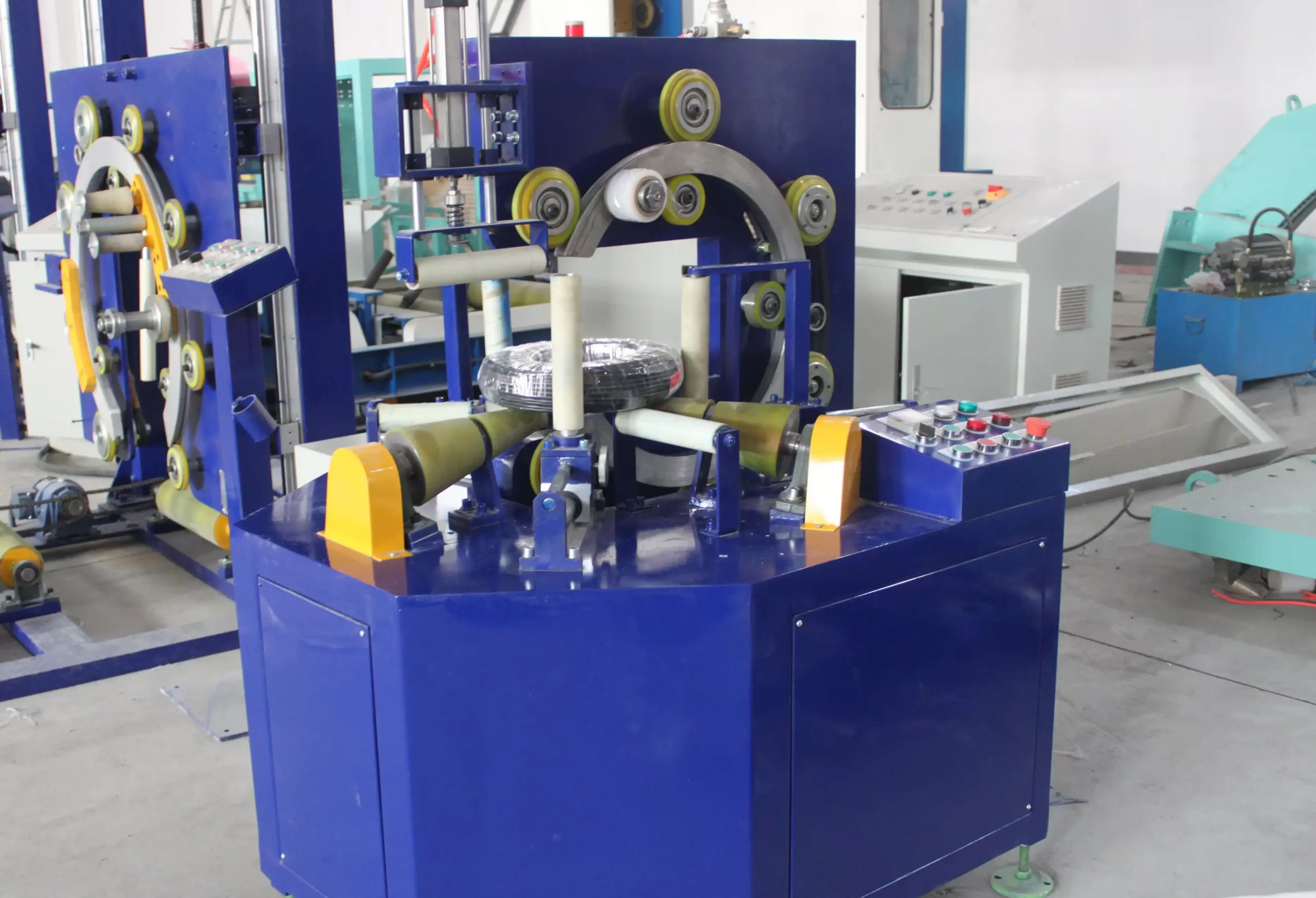
My journey, from a packing machine factory employee to building FHOPEPACK, has given me a unique perspective. I have seen countless businesses struggle with the very challenges Michael Chen faces: efficiency bottlenecks, safety risks, and the frustration of product damage. The solution often lies not just in buying a machine, but in investing in the right technology with the right partner.
For UK tire plants, the move to automated coil wrapping is not just an option; it is a strategic imperative. The pressures of high labor costs, strict safety regulations, and the constant demand for faster, more reliable output mean that manual processes are no longer sustainable. Coil wrapping machines offer a clear path to overcoming these hurdles. They transform a slow, dangerous, and error-prone process into a fast, safe, and efficient operation.
But here is my key insight: The real value comes when the machine is a seamless fit for your specific operation. It must be robust enough for heavy industrial use, precise enough to protect delicate materials, and supported by a team that understands your industry. This is why I built FHOPEPACK on the foundation of understanding client needs first. We do not just sell machines; we provide solutions. We aim to be that reliable partner, helping you achieve not just faster and safer wrapping, but also significant cost savings and a stronger bottom line. This level of partnership is what helped me achieve financial independence, and it is what I now strive to offer to every client, helping them grow their businesses just as mine has.
When you invest in a FHOPEPACK coil wrapping machine, you are not just getting equipment. You are getting a solution crafted from years of experience in the packing industry. You are gaining a partner dedicated to your success, helping you streamline your operations, protect your valuable materials, and, most importantly, ensure the safety of your workforce. This is about more than just wrapping; it is about mastering your packing process for a more prosperous future.
Conclusion
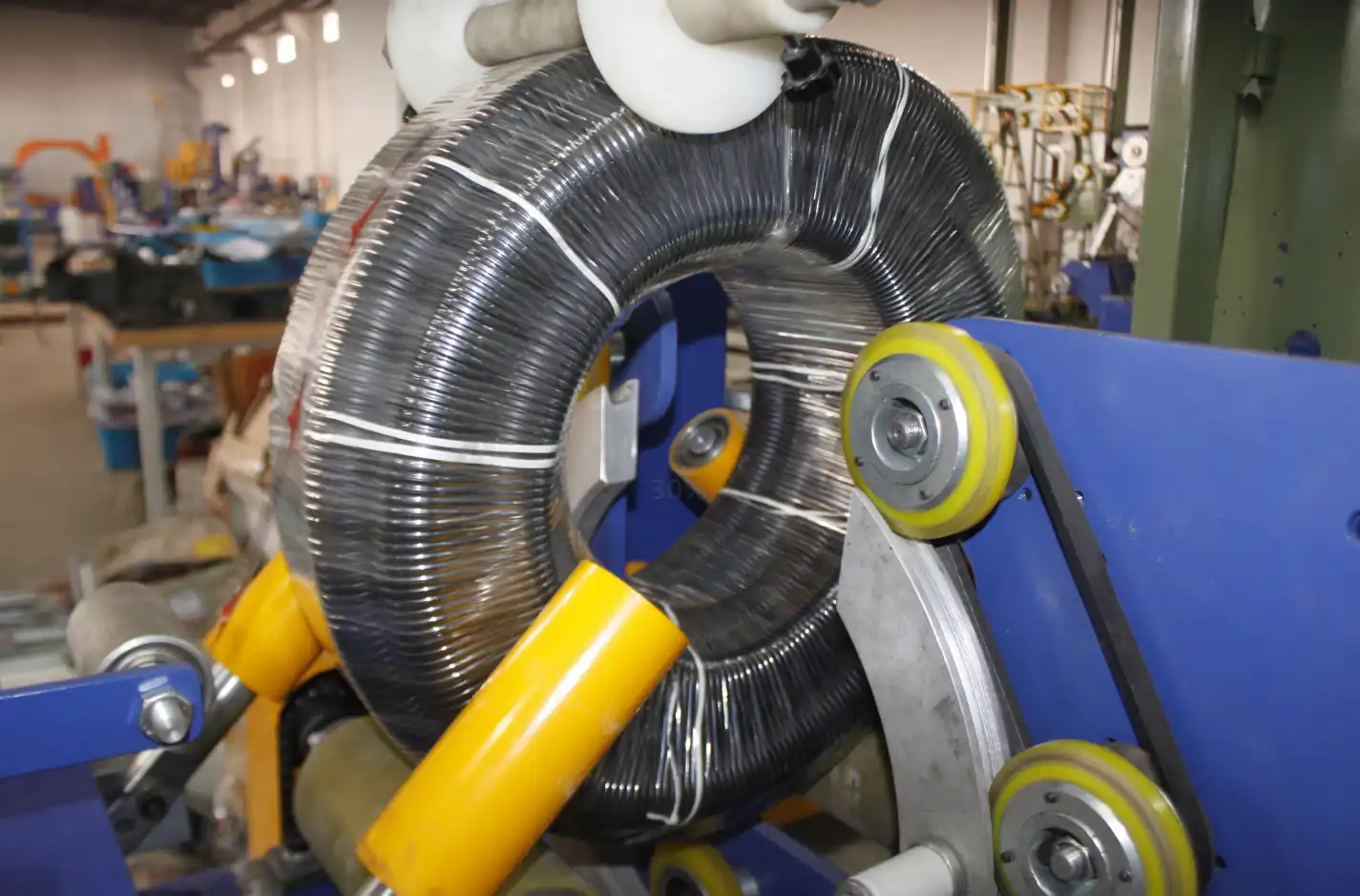
Coil wrapping machines help UK tire plants achieve faster, safer, and more efficient operations by automating packing, reducing injuries, and protecting valuable materials for a competitive edge.








