
Which Orbital Stretch Wrapper Suits Vietnam Factories Needing High-Speed Wrapping?
Are your Vietnam factory’s packing lines struggling to keep up with demand? Many manufacturers face slow, manual wrapping processes. This inefficiency does not just slow down your production. It also leads to higher labor costs and potential product damage. I have seen this problem many times, both when I was an employee and later as a factory owner myself.
For Vietnam factories needing high-speed wrapping, a robust, fully automatic orbital stretch wrapper with custom conveyor integration is often the best solution. These machines are built for continuous operation. They significantly reduce manual labor and boost output, especially for heavy and irregularly shaped products like steel coils or long profiles.

Choosing the right packing machine is a big decision. It impacts your whole operation. Do not just look at the machine itself. Think about how it fits into your entire production flow. Let us explore what makes a packing solution truly suitable for Vietnam’s dynamic manufacturing environment. We will look at common problems, machine types, and what really matters for success.
What Challenges Do Vietnam Factories Face with High-Speed Wrapping?
Many factory managers in Vietnam tell me about their struggles. They see their packing process as a bottleneck. Their current methods cannot keep pace with the rest of the production line. This creates delays and missed deadlines. It is a common pain point for growing businesses.
Vietnam factories often grapple with high labor costs, significant safety risks from manual handling, and product damage during slow, inefficient wrapping. These challenges slow down production, increase operational expenses, and can lead to customer complaints.
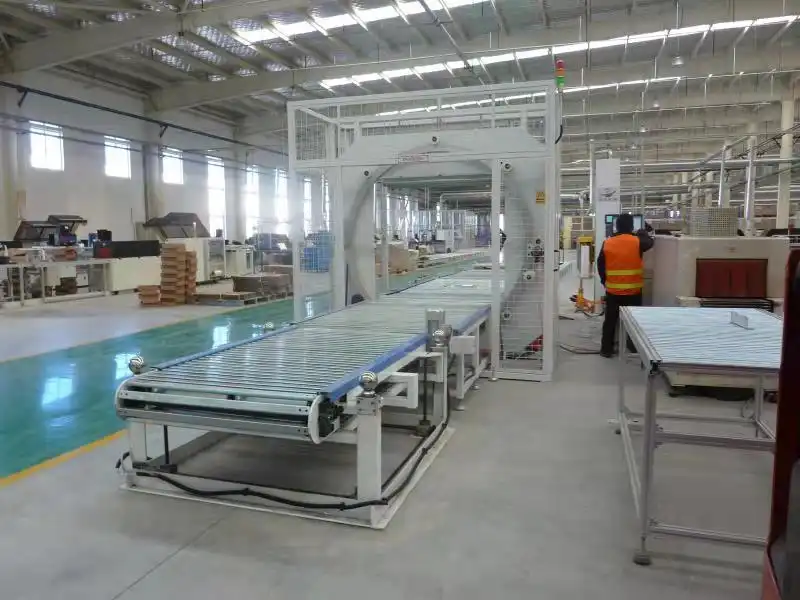
When I started my own packing machine factory, I saw these exact problems firsthand. I remember one client, much like Michael Chen, who managed a busy metal processing plant. He told me his coil and wire packing relied too much on people. This made everything slow. It stopped his whole factory from reaching its full potential. Manual handling of heavy items like steel coils or long pipes is not just slow. It is very dangerous. Workers can get hurt easily. This leads to higher insurance costs and workers leaving the company. Michael also shared how his products often got damaged during internal moving and packing. Things like the edges of steel coils would get scraped. This meant his customers were not happy and he lost money. He was tired of suppliers who only cared about selling a machine, not about helping him solve real problems. Michael’s experience is not unique. Many factories in Vietnam deal with similar issues every day. They need solutions that do more than just wrap. They need solutions that protect their workers, their products, and their bottom line.
Common Pain Points in Vietnam’s Manufacturing Sector
- Labor-Intensive Processes: Many factories still use too many people for heavy and repetitive packing tasks. This is costly and slow.
- Safety Hazards: Moving big, heavy products by hand is risky. Workers face injury from lifting and handling awkward items. This impacts morale and costs.
- Product Quality Issues: Products get scratched or dented during manual handling and packing. This leads to rejects and unhappy customers.
- Low Throughput: Slow packing means fewer products leave the factory each day. This limits how much a factory can grow and earn.
- High Operational Costs: A combination of wages, insurance for injuries, and product loss adds up. It makes it harder to compete.
My journey in the packing machine industry taught me that these problems are intertwined. Solving one often helps with the others. For example, automating heavy lifting not only speeds things up. It also makes the workplace much safer. This is why I always look at the bigger picture when I help clients. I want to give them tools that solve their current problems and help them grow into the future. It is about building a strong foundation for their business.
How Do Different Types of Orbital Stretch Wrappers Compare for High Speed?
When you look for an orbital stretch wrapper, you will see many types. Each one has its own way of working. It is important to know the differences, especially if high speed is your main goal for your Vietnam factory. Not all wrappers are created equal when it comes to quick, efficient packing.
For high-speed needs in Vietnam, fully automatic orbital stretch wrappers are generally superior to semi-automatic or manual options. They offer faster cycle times, require less human intervention, and can integrate seamlessly into existing production lines, handling a wider range of product sizes and weights efficiently.
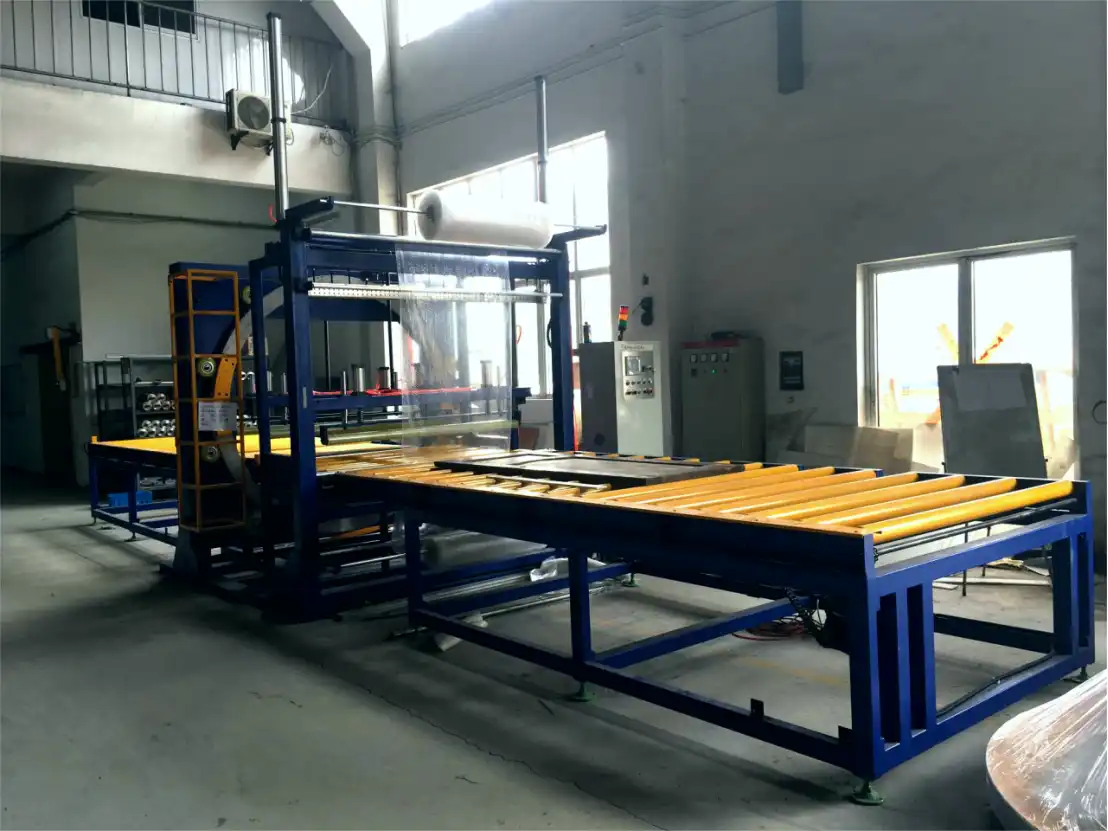
From my years designing and building packing machines, I have learned that the “best” machine depends on your specific needs. But for high speed, the choice becomes clearer. Think about a factory like Michael Chen’s. They deal with large, heavy metal products. A manual wrapper would never keep up. A semi-automatic one would still need an operator loading and unloading, which adds time and labor. This is why I often recommend fully automatic machines for places like Vietnam that aim for high output. These machines can wrap continuously, often without stopping for product changeovers. They have advanced controls and robust construction. This allows them to handle the tough demands of a metal processing plant. I remember designing a system for a client who produced steel pipes. Their old method took minutes per pipe. After we put in a fully automatic orbital wrapper, it took seconds. The difference was huge. It freed up their workers for other tasks and boosted their daily output massively. This is not just about a machine working faster. It is about transforming how a factory operates. It is about creating a more streamlined, profitable process.
Comparing Orbital Stretch Wrapper Types for Speed
| Feature | Manual Orbital Wrapper | Semi-Automatic Orbital Wrapper | Fully Automatic Orbital Wrapper |
|---|---|---|---|
| Speed | Very Slow | Moderate | Very High |
| Labor Needed | High (loading, wrapping, unloading) | Moderate (loading, monitoring, unloading) | Low (monitoring, maintenance) |
| Consistency | Low (depends on operator) | Moderate | High (consistent wrap) |
| Product Range | Limited by manual handling | Wider, but still needs human input | Broad (from small to very large) |
| Integration | Difficult | Possible, but limited | Seamless (conveyors, sensors) |
| Safety | Low (high risk of injury) | Improved, but still some risk | High (minimal human interaction) |
| Initial Cost | Lowest | Medium | Highest |
| ROI for High Speed | Very Low (due to labor) | Medium | Very High (due to efficiency) |
When I started FHOPEPACK, my goal was to share knowledge that helps businesses make smart choices. This comparison shows why for a fast-paced environment, investing in a fully automatic system pays off in the long run. It reduces human errors. It ensures a consistent, secure wrap every time. It can run for long hours without getting tired. This means your factory can keep running smoothly, even during peak production times. It is about moving from basic wrapping to a strategic part of your production line.
What Features Are Critical for High-Speed Orbital Wrapping in Vietnam?
Just getting an “automatic” wrapper is not enough. You need to look at specific features. These features make sure the machine really performs at high speed. They also ensure it works well in the conditions found in many Vietnam factories. Missing these details can mean buying a machine that does not meet your needs.
Critical features for high-speed orbital wrapping in Vietnam include a robust heavy-duty design, advanced tension control for consistent film application, intelligent PLC control for automation, and easy integration with existing conveyor systems. Durability for hot and humid climates is also key.
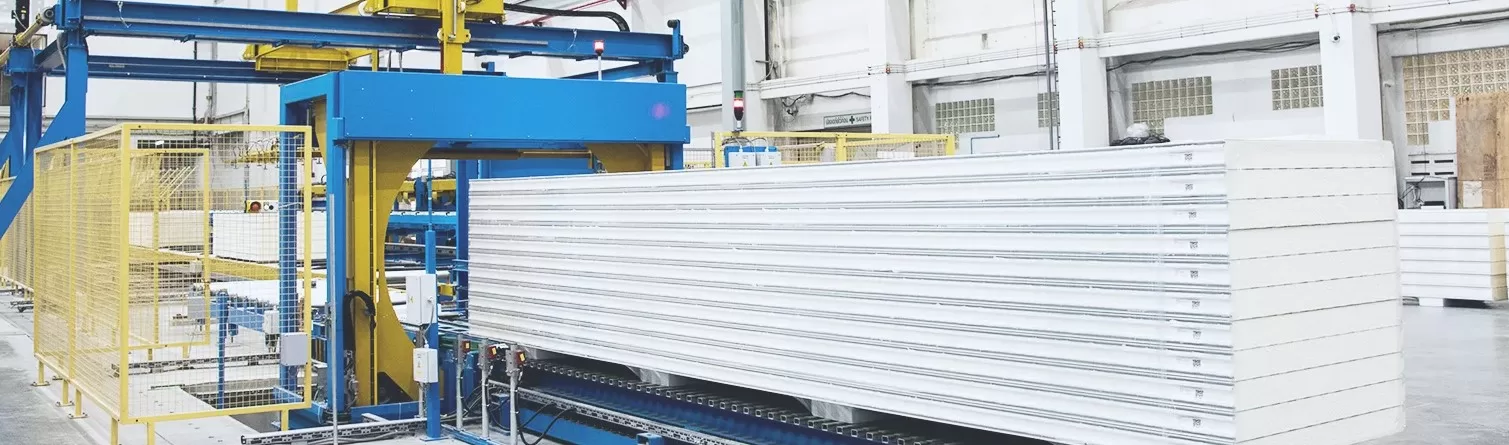
When I was helping clients build their packing lines, I always emphasized looking beyond the basic specifications. For instance, Vietnam often has hot and humid weather. This affects machinery. Metal parts can corrode faster. Electronics can wear out. So, a machine with good rust protection and sealed electrical components is a must. A factory manager like Michael Chen, overseeing heavy manufacturing, needs equipment that can withstand constant use. He needs something that does not break down easily. A machine’s uptime is critical. Any stoppage means lost money. So, a heavy-duty frame and high-quality components are not luxuries. They are necessities. I remember a time when a client bought a cheaper machine. It broke down often because its parts were not strong enough for their heavy steel coils. We later replaced it with a more robust FHOPEPACK machine. That machine had features like thicker steel, better bearings, and a more powerful motor. It ran day and night with minimal issues. The client saw a huge jump in production and much less downtime. This taught me that upfront investment in quality features always pays off. It saves you money and headaches later.
Key Features for Peak Performance
- Heavy-Duty Construction:
- Why it matters: Supports heavy products (like steel coils up to 5 tons) and withstands continuous operation in demanding environments.
- Example: Thicker steel frames, industrial-grade components.
- Advanced Film Tension Control:
- Why it matters: Applies film consistently and tightly. This prevents product damage during transit and ensures a secure package.
- Example: Motorized pre-stretch unit, automatic tension adjustment.
- PLC Control System:
- Why it matters: Allows precise programming for different product types and wrapping patterns. It makes the machine smart and easy to operate.
- Example: Touchscreen interface, fault diagnosis, customizable settings.
- Variable Speed Ring and Conveyors:
- Why it matters: Adjusts wrapping speed to match upstream production flow. This avoids bottlenecks and ensures smooth operation.
- Example: Inverter-driven motors, sensor-based speed adjustments.
- Automatic Film Clamp and Cut:
- Why it matters: Automates the start and end of the wrapping cycle. This eliminates manual tasks and speeds up the process.
- Example: Pneumatic or electric cutting and clamping mechanism.
- Integrated Conveyor System:
- Why it matters: Connects the wrapper seamlessly to your existing production line. It allows for continuous product flow without manual handling.
- Example: Powered roller conveyors, chain conveyors, custom heights.
- Safety Features:
- Why it matters: Protects workers. This includes emergency stops, safety light curtains, and guarded areas.
- Example: E-stop buttons, perimeter fencing, safety interlocks.








