
How Coil Wrapping Machines Help Poland Factories Cut Pallet Stacking Accidents?
When I first started in the packing machine industry, I saw many factories, even in places like Poland, struggling with old ways of doing things. I saw the problem, the constant worry about workers, and the hidden costs that piled up. Are your factory floors in Poland still relying on manual labor for heavy coil and pallet handling? If so, you are likely facing unseen risks and efficiency roadblocks that can stop your growth.
Coil wrapping machines help Poland factories cut pallet stacking accidents by automating the secure bundling of heavy coils and products onto pallets, removing the need for hazardous manual lifting and stacking, and ensuring stability during transport and storage.
This is not just about moving metal. This is about protecting your people, your products, and your profits. Let me share what I have learned and how these machines can change your factory’s future.
1. Manual Handling: Why It’s Still a Major Hazard in Poland Factories?
Think about the daily routine in many metal processing plants, especially in regions like Poland. Heavy steel coils or wire bundles move from production lines to storage or shipping. This often means people lifting, pushing, and stacking these heavy items onto pallets by hand. This is not just slow work; it is dangerous.
Manual handling of heavy coils and pallets in Poland factories directly causes numerous workplace accidents, including muscle strains, crushed limbs, and fall injuries, increasing insurance costs and leading to high employee turnover.
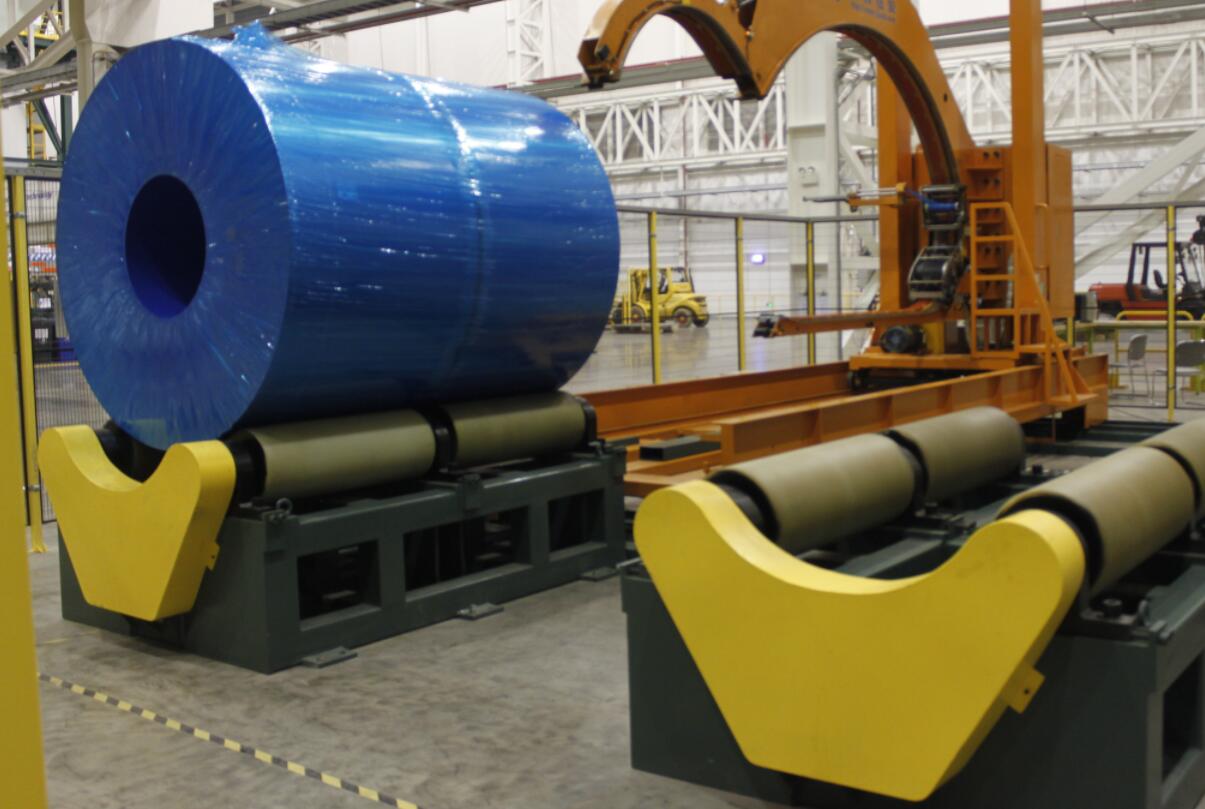
I have seen the toll this takes. It is not just the immediate injury. It is the long-term impact on worker morale and your factory’s bottom line. When workers are constantly at risk, they work slower. They fear getting hurt. This creates a cycle of inefficiency and high costs that many factory managers, like Michael Chen I know in Mexico, struggle with every day. The challenges he faces are common in Poland too.
1.1 The Hidden Costs of Manual Labor
Manual handling brings more than just visible accidents. It creates a web of hidden costs that slowly eat away at your factory’s profits. These costs often go unnoticed until it is too late.
- Increased Insurance Premiums: Each workplace injury claim directly affects your insurance rates. A factory with a history of accidents pays more. This can be a huge drain on resources over time.
- Worker compensation claims
- Liability insurance increases
- Safety regulation fines
- High Employee Turnover: When jobs are dangerous and physically demanding, workers leave. Finding and training new staff is expensive and time-consuming. This cycle disrupts production and reduces overall productivity.
- Recruitment costs
- Training expenses
- Loss of experienced workers
- Reduced Productivity and Efficiency: Manual processes are slower by nature. Workers tire. They need breaks. They make mistakes. This slows down your entire production line, especially at the end where products are prepared for shipping.
- Slower packing times
- Longer lead times
- Production bottlenecks
- Product Damage Risks: Heavy items moved manually are more likely to be dropped or mishandled. This can cause dents, scratches, or other damage to valuable coils. Damaged products lead to customer complaints and financial losses.
- Scratched coil surfaces
- Bent edges
- Rejected shipments








