
How Coil Wrapping Machines in New Zealand Help Reduce Damage to Wire Reels?
Have you ever seen perfectly good wire reels arrive at a customer’s site with nicks, scratches, or even worse, deformed edges? It is a frustrating problem for any factory manager, especially in a busy environment like New Zealand’s growing manufacturing sector. These damages do not just look bad. They lead to costly reworks, unhappy customers, and a direct hit to your bottom line. I know this pain firsthand. I spent years on the factory floor and then built my own successful packing machine business. I understand that every damaged product represents lost effort and wasted resources.
A coil wrapping machine directly addresses these issues by creating a robust, all-around protective layer for wire reels. It securely wraps the entire coil, including edges and surfaces, preventing physical damage from impacts, abrasions, and environmental factors during handling, storage, and transport. This consistent and tight wrap significantly reduces the risk of product deformation and surface imperfections, ensuring wire reels arrive in pristine condition.
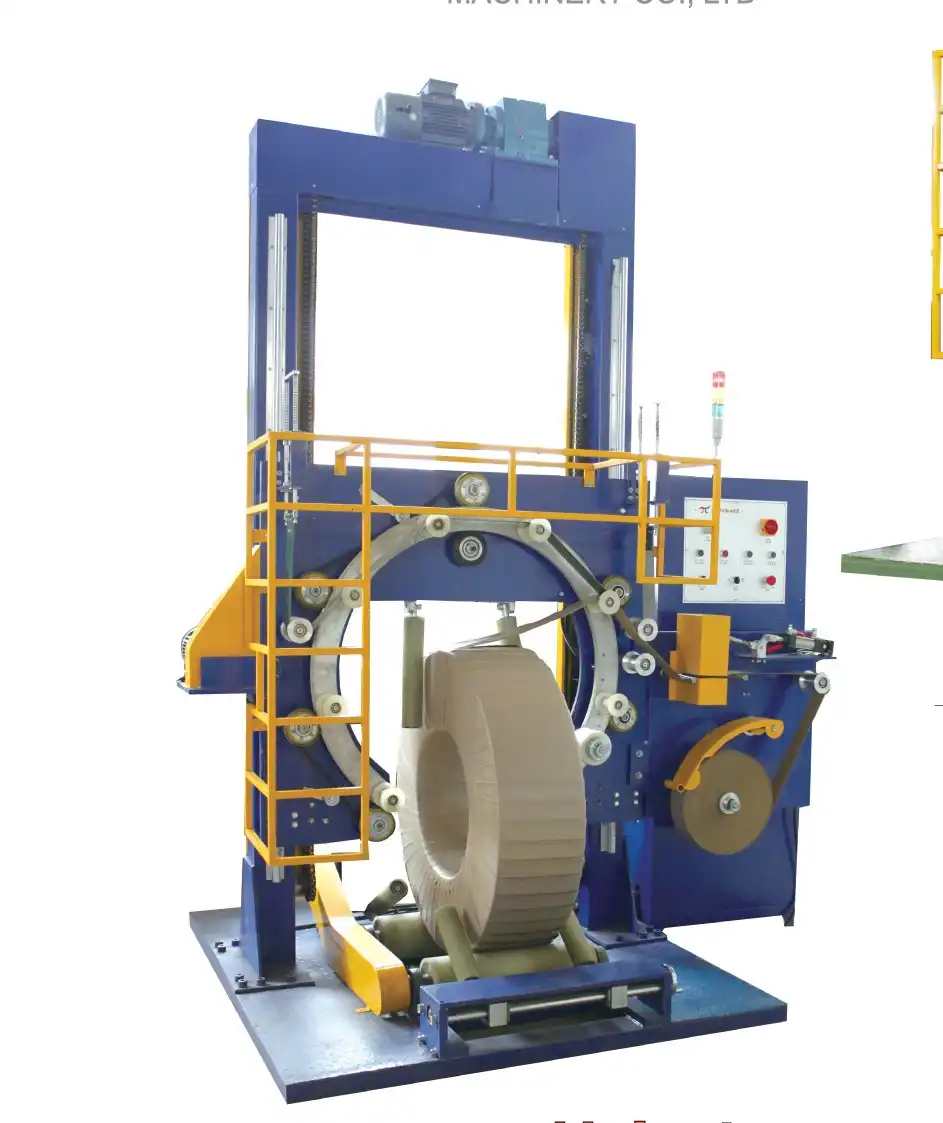
So, how does this specialized machine achieve such vital protection? And what other benefits can it bring to your operation in New Zealand? Let us dive deeper into the specifics. I want to share my insights with you, just as I have helped many clients grow their businesses by optimizing their packing processes.
1. How Does a Coil Wrapping Machine Protect Wire Reels from Damage?
Imagine your factory’s valuable wire reels traveling through various stages. They move from production to storage, then onto trucks, and finally to your customers. Each step presents a risk. Manual handling can lead to drops. Stacking can cause crushing. Road vibrations can lead to shifting and rubbing. The question is, how do you shield them effectively from all these potential harms?
A coil wrapping machine creates a custom, multi-layered protective barrier around wire reels. It does this by applying stretch film or other robust materials tightly and evenly across the entire surface. This barrier absorbs shocks, resists punctures, and holds the coil shape. It is a vital step to prevent damage caused by impacts, abrasion, and environmental exposure during all stages of logistics.
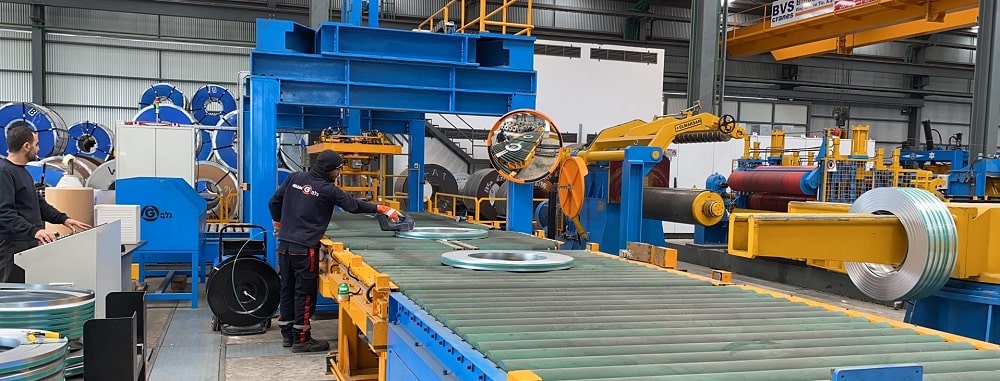
Understanding the Protection Mechanisms of Coil Wrappers
From my own experience running a packing machine factory, I know that protection is not just about covering something up. It is about creating a resilient shield that can withstand real-world conditions. For wire reels, especially those used in demanding industries, this protection must be comprehensive.
-
Physical Cushioning and Shock Absorption:
- The stretch film or other wrapping materials act like a shock absorber. When a wire reel is bumped or jostled, the flexible layers of film absorb the impact. This stops the force from directly hitting the metal or wire itself. Think of it as a soft armor. It prevents dents, scrapes, and deformation that can happen from accidental contact.
- Without this cushioning, even a small impact can lead to significant damage. This is especially true for the edges of wire coils, which are often the most vulnerable. These damages can make the product unusable or at least reduce its value.
-
Abrasion Resistance:
- Wire reels often rub against other surfaces during transport or storage. This can be the floor of a truck, other coils, or even pallet edges. This constant rubbing, known as abrasion, wears down the surface of the coil. It can remove protective coatings or directly damage the wire.
- The wrapping material provides a sacrificial layer. It is the wrapping that takes the wear and tear, not your product. This means the wire reel remains clean and intact. This is critical for customer satisfaction.
-
Securing and Stabilizing the Coil:
- A tightly wrapped coil is a stable coil. The machine applies tension to the film. This tension compresses the layers of the wire reel slightly and holds them firmly together. This stops the individual strands or layers from shifting.
- Shifting can lead to “telescoping” or unraveling, which is a major headache. It also helps maintain the coil’s overall shape. This prevents distortion during handling or stacking. A stable coil is less likely to be damaged because it is less likely to move unexpectedly.
-
Environmental Protection:
- Beyond physical harm, wire reels also face environmental threats. Humidity can cause rust. Dust and dirt can contaminate surfaces. UV light can degrade certain materials.
- A good coil wrap provides a barrier against these elements. It keeps moisture out, reduces dust accumulation, and can offer some UV protection depending on the film type. This comprehensive protection ensures the quality of the wire reel is preserved from the moment it leaves your factory until it reaches the end-user. For manufacturers in New Zealand, where diverse weather conditions can impact logistics, this aspect of protection is particularly valuable. Ensuring products are protected from the elements means less waste and happier clients.
2. Can Automation from Coil Wrappers Truly Boost Production Efficiency?
Many factories in New Zealand still rely on manual processes for wrapping. I have seen it countless times. Workers struggle with heavy wire reels, trying to apply protective layers by hand. This method is slow, inconsistent, and takes up valuable time. It often creates a bottleneck right at the end of the production line. This bottleneck then slows down everything else. Is there a better way? Can a machine really make that much of a difference?
Yes, automation from coil wrapping machines significantly boosts production efficiency by replacing slow, labor-intensive manual wrapping with fast, consistent, and continuous operation. These machines can process many more coils per hour than human workers, operate without breaks, and seamlessly integrate into existing production lines. This leads to higher throughput, reduced labor costs, and a smoother overall workflow in the factory.
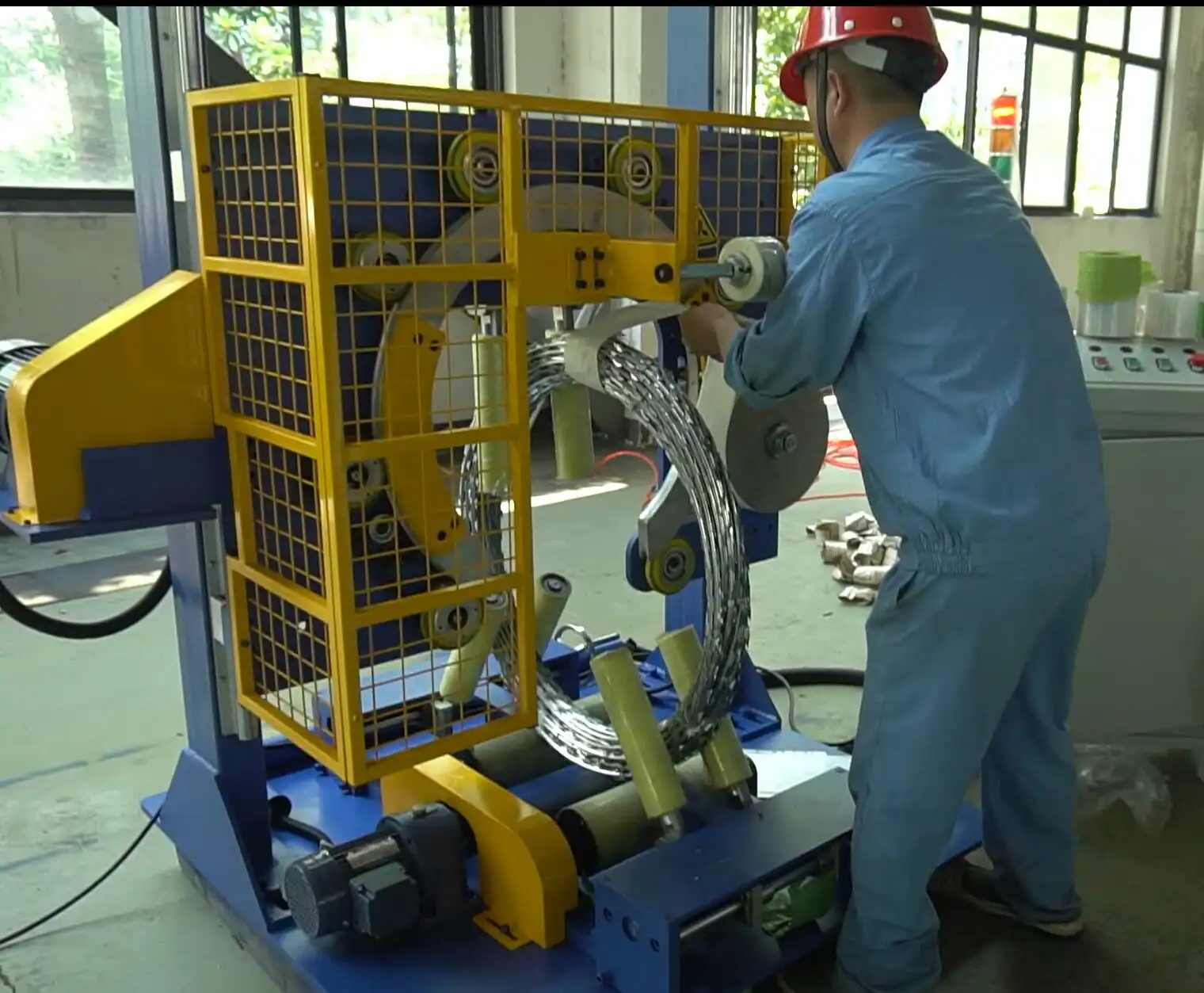
How Automation Transforms Packing Efficiency
When I started my factory, I quickly learned that efficiency is key to profitability. Every second saved, every error avoided, adds up. Automated coil wrapping machines are designed to deliver these savings by optimizing several aspects of the packing process.
-
Increased Throughput and Speed:
- Manual wrapping is inherently slow. A worker must position the coil, unroll the film, walk around the coil repeatedly, and then secure the end. This is time-consuming.
- Automated machines, in contrast, perform these actions much faster. They can wrap a coil in minutes, or even seconds, depending on the coil size and desired wrap layers. This high speed means more coils get packed per shift. This directly increases your factory’s output capacity. This is vital for meeting tight deadlines and large orders, which are common for New Zealand’s export-oriented industries.
-
Consistent and Reproducible Quality:
- Human wrapping quality can vary. Some workers might wrap tighter than others. Some might miss spots. Consistency is hard to maintain across a team or over a long shift.
- Automated machines apply the same tension and overlap every single time. This ensures every wire reel receives the exact same high level of protection. This consistency not only protects your product better but also builds trust with your customers. They know they will always receive a reliably packed product. This predictability is a huge advantage.
-
Reduced Labor Dependency and Costs:
- Manual wrapping requires several workers, especially for heavy or large coils. These workers’ wages, benefits, and potential overtime costs add up.
- An automated coil wrapper often only needs one operator to load and monitor. In some fully integrated lines, it might need even less direct human interaction. This frees up your valuable workforce. You can then assign them to more skilled tasks elsewhere in the factory. This directly lowers your operational expenses. It also helps address labor shortages, a concern for many businesses globally, including those in New Zealand.
-
Seamless Integration into Production Lines:
- Modern coil wrapping machines are designed for integration. They can be placed directly at the end of a production line, after forming or slitting. They can receive coils directly from conveyors or cranes.
- This eliminates the need for extra handling steps or temporary storage. It creates a smooth, continuous flow from production to dispatch. This streamlined process reduces the overall cycle time. It also minimizes potential bottlenecks. This holistic approach to efficiency is what truly transforms a packing operation.
3. What Role Do Coil Wrapping Machines Play in Enhancing Workplace Safety?
In factories, especially those dealing with heavy materials like wire reels, safety is not just a policy. It is a daily concern. Michael, our example factory manager, knows this well. Manual handling of heavy coils, repetitive tasks, and the risk of loads shifting are constant threats to worker safety. Injuries lead to lost workdays, higher insurance premiums, and a demoralized workforce. Can a machine truly make a difference in this critical area?
Coil wrapping machines play a crucial role in enhancing workplace safety by significantly reducing or eliminating the need for manual handling of heavy wire reels during the packing process. They automate hazardous tasks, minimize repetitive motions, and provide a stable wrapping environment, thereby preventing common industrial accidents, strains, and injuries related to lifting, twisting, and operating near heavy moving loads.

Key Safety Benefits of Automated Coil Wrapping
As someone who has spent years in the packing machine industry, I have seen the dangers first-hand. Protecting workers is just as important as protecting the product. Automated coil wrapping machines contribute to a safer environment in several ways.
-
Elimination of Manual Lifting and Handling Risks:
- Wire reels are heavy. Attempting to manually lift, rotate, or move them for wrapping is extremely dangerous. It leads to back injuries, sprains, and crushed limbs.
- Coil wrapping machines automate these movements. Coils are loaded onto a turntable or through a wrapping ring by a forklift, crane, or conveyor system. The machine then does all the heavy work. Workers simply monitor the process. This takes the physical strain and direct danger away from the employees. It is a fundamental shift that prevents many common workplace injuries.
-
Reduced Repetitive Strain Injuries (RSIs):
- Manual wrapping involves repetitive bending, stretching, and applying force. Over time, these actions can lead to chronic musculoskeletal disorders. These are known as RSIs.
- Automation removes these repetitive, high-stress tasks from human workers. The machine performs the wrapping motions. This allows workers to focus on supervision or other tasks. This reduction in repetitive strain directly improves the long-term health and well-being of your staff. It also cuts down on lost workdays due to injury.
-
Improved Stability of Loads:
- Before wrapping, wire reels can be unstable. They can roll or shift unexpectedly. This creates a risk for anyone working nearby.
- Coil wrapping machines typically secure the coil on a stable platform or within a ring during the wrapping process. This minimizes unexpected movement. Once wrapped, the coil is much more stable. This secure packaging prevents shifting during subsequent handling and transport. This helps to prevent accidents down the line, both inside and outside the factory.
-
Controlled and Predictable Operations:
- Manual processes always carry an element of human error. A momentary lapse in concentration can lead to an accident.
- Automated machines operate under controlled parameters. They follow pre-set programs. This means their movements are predictable and consistent. They often come with safety features like emergency stops, safety light curtains, and protective guarding. These features are designed to keep workers safe. They create a much more controlled environment compared to manual operations. For factories in New Zealand, upholding high safety standards is not just good practice but also a legal requirement, and automation significantly helps in achieving this.
4. Is Investing in a Coil Wrapping Machine a Smart Move for Long-Term Value and ROI?
Investing in new machinery is a big decision for any factory. You need to be sure it will deliver real value, not just an immediate fix. Michael, as a factory manager, understands that every dollar spent must show a clear return on investment (ROI). He has faced “supplier trust crises” before. He needs to know if a coil wrapping machine is a sustainable solution that supports long-term business growth. So, beyond immediate damage reduction and efficiency, does it truly provide lasting value?
Investing in a coil wrapping machine is a smart long-term move. It delivers clear ROI by significantly reducing product damage, decreasing labor costs, and optimizing material use. Over time, this investment enhances customer satisfaction, improves operational efficiency, and positions the factory for sustainable growth. It moves a business from reactive problem-solving to proactive, strategic improvement.
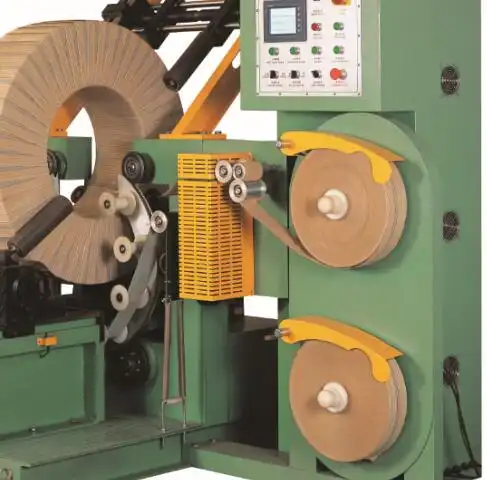
The Long-Term Value and ROI of Coil Wrapping Machines
From my journey establishing a successful packing machine factory, I learned that true success comes from making smart, forward-thinking investments. A coil wrapping machine is not just an expense; it is an asset that contributes to multiple areas of your business, leading to substantial long-term benefits.
-
Tangible Cost Savings:
- Reduced Product Loss: This is perhaps the most direct saving. Fewer damaged wire reels mean less scrap, fewer reworks, and fewer customer returns. Each undamaged product directly contributes to your profit margin.
- Lower Labor Costs: As discussed, automation reduces the need for manual labor in packing. The savings from wages, benefits, and reduced overtime can be significant over years.
- Optimized Material Usage: Automated machines use film more efficiently. They apply consistent tension and overlap, reducing waste from inconsistent manual application. This means you buy less film over time.
- Lower Insurance Premiums: A safer workplace, with fewer injuries, can lead to lower workers’ compensation insurance costs.
-
Enhanced Customer Satisfaction and Brand Reputation:
- When customers consistently receive products that are perfectly packed and undamaged, their satisfaction increases. This leads to repeat business and positive referrals.
- A reputation for quality packing reflects well on your entire operation and product quality. This helps you stand out in competitive markets, including those in New Zealand. It builds a stronger brand. This intangible value is hard to quantify but critical for long-term success.
-
Increased Production Capacity and Flexibility:
- By streamlining the packing process, your overall factory throughput increases. This allows you to take on more orders without needing to expand your physical space or add a lot of extra staff.
- Many machines offer flexibility for different coil sizes and wrapping requirements. This adaptability means your investment remains valuable even if your product mix changes in the future.
-
Strategic Growth and Competitive Advantage:
- Investing in automation is a strategic move. It positions your factory as modern and efficient. This can attract new clients and partners.
- It gives you a competitive edge over rivals who still use less efficient, more damage-prone manual methods. In a dynamic market like New Zealand’s manufacturing sector, staying ahead means embracing smart technology. This allows you to focus on innovation and market expansion rather than constant problem-solving. It is about building a foundation for sustainable growth.
Conclusion
Investing in a coil wrapping machine in New Zealand is a strategic move. It reduces damage, boosts efficiency, improves safety, and offers a strong ROI for sustainable business growth.








