
How Coil Wrapping Machine Improves Warehouse Stacking Safety in Kazakhstan?
Imagine this: your warehouse in Kazakhstan is bustling. Large steel coils are moving, stacking, and getting ready for shipment. But a nagging fear hangs in the air. You worry about an accident, a falling coil, or a worker injury. This constant stress is a reality for many factory managers. They see the risks that come with heavy, unwieldy materials.
A coil wrapping machine significantly improves warehouse stacking safety in Kazakhstan by creating tightly secured, uniformly packaged coils. These well-wrapped coils have a stable form, reduce the risk of unraveling during handling, and prevent shifting or collapse when stacked. This ensures safer storage and movement in busy industrial environments.
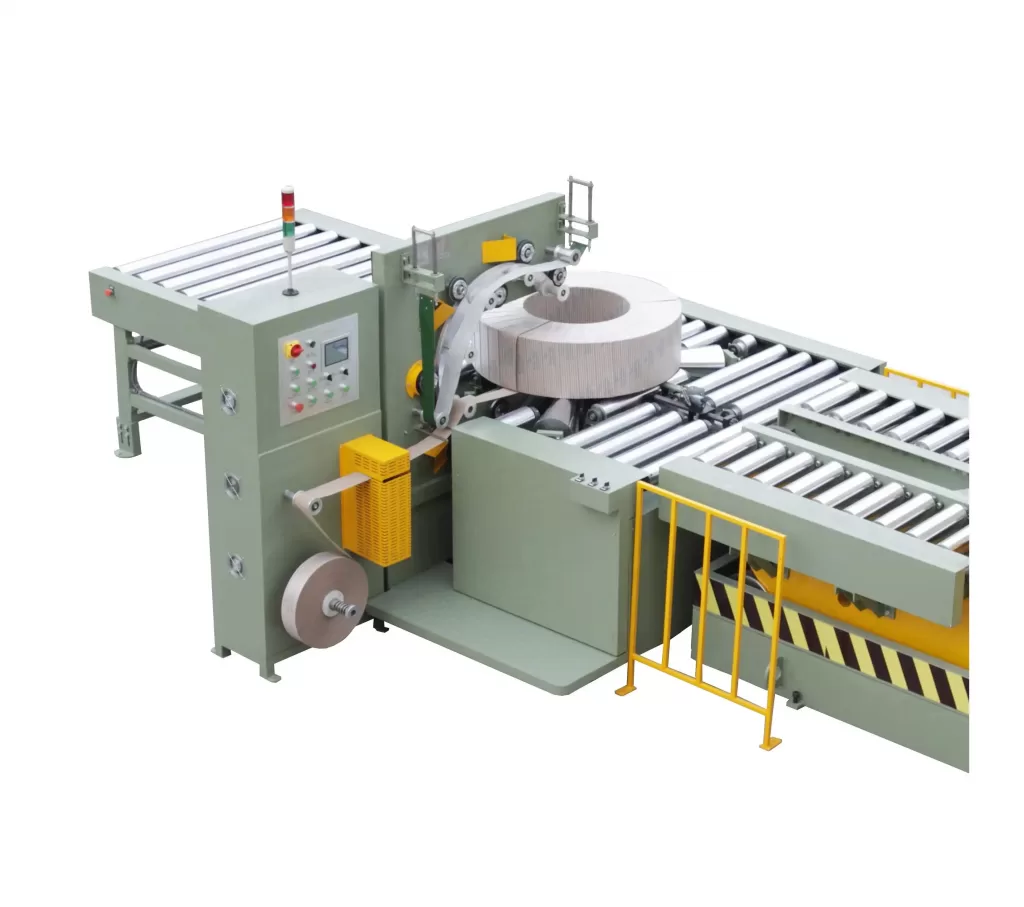
I have spent many years in the packing machine industry. I started on the factory floor and then built my own successful business. I have seen firsthand the challenges and the solutions. In this article, I want to share my insights. We will look at how modern packing technology can make your operations safer and more efficient. Let us explore the real impact coil wrapping machines can have in your Kazakhstani factory.
1. What Safety Risks Do Manual Coil Handling Methods Pose in Kazakhstan’s Warehouses?
Have you ever watched workers struggle with heavy steel coils? It is a common sight in many factories, including those in Kazakhstan. This manual process is slow and often dangerous. It puts your team at risk every single day.
Manual coil handling methods in Kazakhstan’s warehouses create significant safety risks. These include severe injuries from falling or shifting coils, strain-related incidents from heavy lifting, and an increased chance of stacking instability. Workers face hazards like crushing, cuts, and musculoskeletal disorders due to the sheer weight and awkward shape of coils.
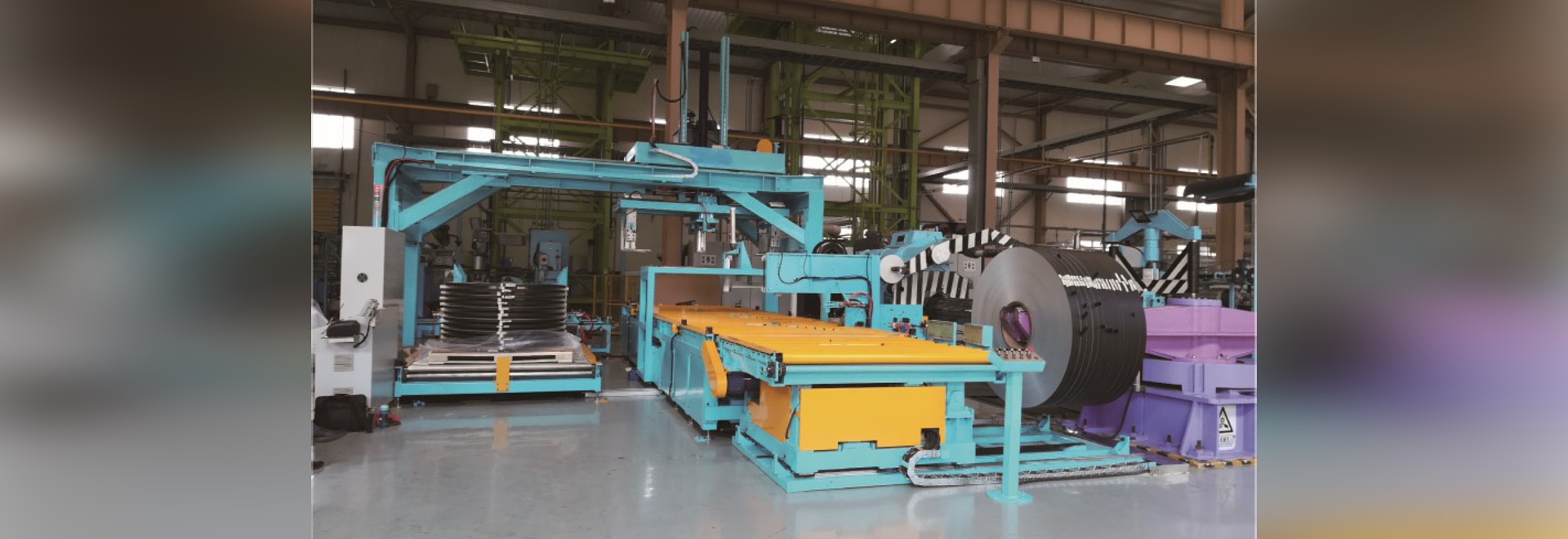
When I first started in the packing machine industry, I saw many such scenes. Workers would use chains or basic slings. They would try to maneuver these massive coils. The risk was always clear. A small slip or a loose strap could cause a major accident. In Kazakhstan, heavy industries like mining, oil, and steel production are very important. They rely on moving these large, heavy materials. This makes proper and safe handling even more critical. Managers in these factories often face the pressure to keep production high. At the same time, they must keep their workers safe. This balance is hard to achieve with old, manual methods. The cost of an accident is not just about the injured worker. It also includes lost production time, equipment damage, and legal issues.
The Hidden Costs of Manual Handling
Manual methods appear cheaper at first. However, they carry many hidden costs. These costs can quickly add up and impact your factory’s bottom line.
- Worker Injuries: This is the most serious risk.
- 🤕 Crushing Injuries: Heavy coils can easily crush limbs or even entire bodies if they fall or shift unexpectedly.
- 🔪 Lacerations & Punctures: Sharp coil edges can cause deep cuts during handling or if workers slip.
- 💪 Musculoskeletal Disorders (MSDs): Repeated heavy lifting and awkward postures lead to chronic back pain, sprains, and other long-term injuries.
- 🏥 High Medical Costs: Treatment, rehabilitation, and lost wages for injured workers are very expensive.
- Product Damage: Coils often get damaged during manual transport.
- 📉 Edge Dents: Dropping or dragging coils can dent edges, making them unusable for clients.
- 💧 Corrosion: Inadequate manual wrapping leaves coils exposed to moisture and rust.
- 💰 Financial Loss: Damaged products mean rework, customer complaints, and reduced profits.
- Operational Inefficiencies: Manual processes slow down your entire operation.
- 🐌 Slow Throughput: Each coil takes a long time to handle and prepare for stacking.
- 📉 Bottlenecks: The packing area becomes a choke point, slowing down upstream production.
- 🚧 Limited Stacking Options: Manual handling makes it hard to create stable, high stacks, wasting valuable warehouse space.
- High Labor Turnover: Dangerous work environments lead to unhappy employees.
- 😔 Low Morale: Workers are stressed and anxious about their safety.
- 🔄 Increased Turnover: Employees leave for safer jobs, leading to constant retraining costs.
- 🚫 Skill Gap: Losing experienced workers means less skilled labor on the factory floor.








