
How Coil Wrapping Machine in Brazil Improves Dust and Moisture Protection for Copper Coils?
Brazilian copper coil manufacturers face tough challenges. Dust and moisture hurt product quality. This leads to customer complaints and lost money. Manual packing cannot keep coils safe from the harsh environment. You worry about damaged goods reaching your clients. This affects your reputation and profits. What if a new solution could solve these problems? I have seen these problems myself. Modern coil wrapping machines offer a real answer.
Coil wrapping machines in Brazil protect copper coils by creating a tightly sealed, multi-layered barrier. This barrier keeps out harmful dust, dirt, and moisture. It ensures products arrive at their destination in perfect condition. These machines use stretch film or other materials. They wrap coils quickly and evenly. This offers superior protection compared to manual methods.
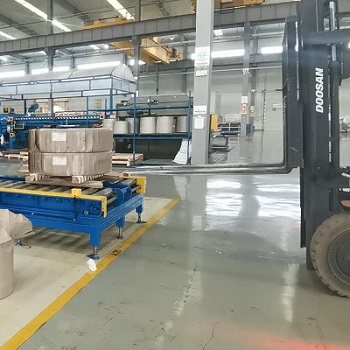
This is not just about a machine. It is about a complete solution. It helps you keep your products safe. It also makes your operations run smoother. We will explore how these machines transform packing in Brazil. We will look at how they solve key industry challenges.
1. Why is Dust and Moisture a Big Problem for Copper Coils in Brazil?
Copper coils are sensitive. Brazil’s climate can be humid. Dust is common in industrial areas. These elements threaten your product quality. Damaged coils mean unhappy customers and financial losses. You are losing money. You are losing trust.
Dust and moisture are major problems for copper coils because they cause corrosion, oxidation, and contamination. This lowers product conductivity and appearance. In Brazil’s industrial settings, high humidity combined with airborne particles creates a corrosive environment. This leads to surface degradation if coils are not properly protected.

The Silent Threats: How Dust and Moisture Attack Copper
Copper is a valuable metal. It has many uses. But it is also vulnerable to its environment. In places like Brazil, conditions can be tough. High humidity and industrial dust are common. These two things work together. They cause big problems for copper coils. This affects their quality and value.
Moisture Damage: When moisture touches copper, it can cause oxidation. This is like rusting for copper. The surface changes color. It loses its shiny look. This can also affect how well the copper conducts electricity. For many uses, good conductivity is key. If the coil gets too wet, water stains can appear. This makes the product look bad. Customers might reject it. My own factory used to face these issues. We saw a lot of surface damage. This happened during transit, even for short distances. We had to work hard to find solutions. We learned how important proper packing is.
- Corrosion: Water and oxygen react with copper. This forms copper oxides. This layer can be non-conductive. It reduces the quality of the coil. This directly impacts its performance.
- Staining: Water marks can leave permanent spots. These spots degrade the visual appeal. This makes coils look low quality. This also hurts your brand’s image.
- Reduced Conductivity: The presence of moisture can create a thin, resistive layer. This layer hinders the flow of electricity. For electrical applications, this is a serious flaw.
Dust Contamination: Dust is more than just dirt. It can be abrasive. It can scratch the coil surface. It can also carry chemicals. These chemicals can react with copper. In many factories, dust from metal cutting or grinding is common. This dust can stick to coils. It creates a dirty layer. This layer is hard to remove. It also shows a lack of care in handling. I always tell my team: “Cleanliness is part of quality.” Dust can also trap moisture. This makes the corrosion problem even worse.
- Abrasive Damage: Hard dust particles can scratch the copper surface. These scratches weaken the material. They also look bad. This makes the coil less durable.
- Chemical Reactions: Some dust contains reactive compounds. These compounds can cause chemical corrosion. They make the copper surface degrade faster. This speeds up product deterioration.
- Impaired Aesthetics: A dusty coil simply looks unprofessional. It suggests poor quality control. This can lead to customer dissatisfaction.
These problems are not small. They lead to financial losses. They also hurt your company’s good name. Preventing them is a top priority for any serious manufacturer. Protecting your product from the moment it leaves the production line is essential. It guards your investment.
| Damage Type | Cause | Impact on Copper Coil |
|---|---|---|
| Oxidation | Moisture, Oxygen | Reduced conductivity, Surface discoloration, Performance degradation |
| Stains | Water contact | Poor appearance, Customer rejection, Decreased market value |
| Scratches | Abrasive dust | Surface damage, Potential material weakness, Aesthetic flaws |
| Contamination | Industrial dust | Dirty appearance, Reduced perceived quality, Trapped moisture |
| Reduced Purity | Airborne particles | Impaired electrical properties, Substandard performance |
2. How Does a Coil Wrapping Machine Actively Protect Against Environmental Threats?
You know the risks. You have seen the damage. But how can a machine truly stop dust and moisture? Many manual methods fail. They leave gaps. They let dirt in. This creates an ongoing headache for your factory. You need a reliable solution.
A coil wrapping machine actively protects coils by applying multiple layers of stretch film or other materials under tension. This creates a hermetic seal around the coil. It forms a physical barrier that dust cannot penetrate. It also repels moisture, preventing condensation and direct water contact. This automated process ensures consistent, reliable coverage.
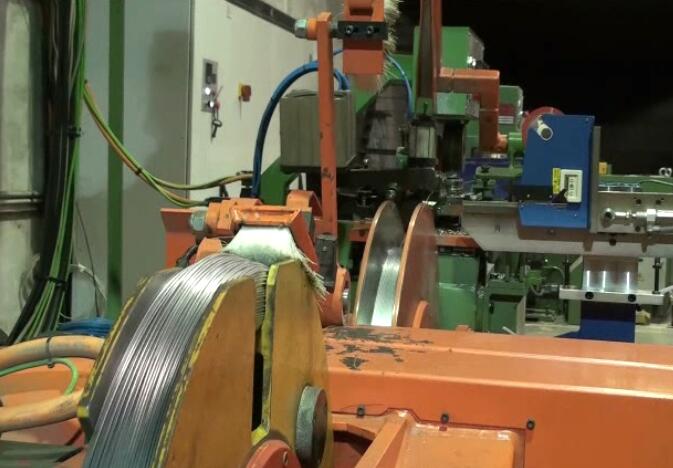
The Science of Protection: How the Wrapper Works
A coil wrapping machine is not just a simple device. It is an engineered system. It creates a strong protective layer. This layer keeps your copper coils safe. It works much better than hand wrapping. Let me explain how it achieves this.
Precision Film Application: The machine uses special stretch film. This film is strong. It is also very flexible. The machine wraps the coil in a specific way. It rotates the coil. It moves the film dispenser around it. This creates an even overlap. Each layer of film sticks to the one before it. This forms a continuous, seamless cover. There are no gaps for dust or water to sneak through. When I started my first factory, we relied on manual methods. We often saw uneven wraps. This left parts of the coil exposed. This was a constant worry. That experience taught me the value of precise, automated wrapping. The machine applies film with consistent tension. This makes the wrap tight. A tight wrap is more resistant to tears. It also keeps the film from sagging. This maintains its protective shape. It also controls how much each new layer overlaps the last one. This overlap is crucial. It ensures a complete seal. It eliminates weak points.
- Consistent Tension: The machine applies film with constant tension. This makes the wrap tight. A tight wrap is more resistant to tears. It also keeps the film from sagging. This maintains its protective shape. It gives the coil a firm, secure package.
- Optimal Overlap: The machine controls how much each new layer overlaps the last one. This overlap is crucial. It ensures a complete seal. It eliminates weak points. This prevents environmental elements from reaching the coil.
- Material Selection: Modern machines can use various types of film. Some films have added UV protection. Others are extra resistant to punctures. Choosing the right film enhances the overall protection for copper coils. This is especially important for long-term storage or harsh shipping conditions.
Creating a Hermetic Barrier: The multiple layers of film create a strong barrier. This barrier is almost air-tight. It stops dust particles from settling on the copper. It also prevents moisture from reaching the surface. The film itself is often moisture-resistant. It keeps water out. This is very important in humid environments, like parts of Brazil. The film acts like a second skin. It shields the delicate copper inside. The continuous wrapping motion compacts the film. This further strengthens the barrier. It minimizes any chance of exposure. This level of protection cannot be achieved by hand. Manual wrapping always leaves small openings.
- Physical Barrier: The film layers form a solid wall. Dust simply cannot pass through this wall. This keeps the copper surface clean and pure.
- Moisture Repellent: The film material resists water. It makes water beads roll off. This prevents moisture from soaking into the packaging. This protects against rust and oxidation.
- Condensation Control: The tightly sealed package helps to minimize internal condensation. It creates a stable micro-environment around the coil. This prevents moisture from forming inside the wrap, even with temperature changes.
This automated process ensures every coil gets the same high level of protection. It removes human error. It gives you peace of mind. Your coils will arrive at their destination looking perfect. It truly masters the packing process.
3. Beyond Protection: How Do Coil Wrapping Machines Boost Efficiency and Safety in Factories like Brazil’s?
Protecting coils is vital. But what about your production line? Are your workers safe? Is your packing process slowing everything down? Many factory managers, like Michael Chen in Mexico, struggle with this. Manual packing is slow. It also puts workers at risk. These problems affect the whole factory.
Coil wrapping machines boost efficiency by automating the packing process, significantly reducing the time spent on each coil. They enhance safety by eliminating the need for manual heavy lifting and awkward handling. This frees up labor, speeds up throughput, and drastically lowers the risk of workplace injuries.
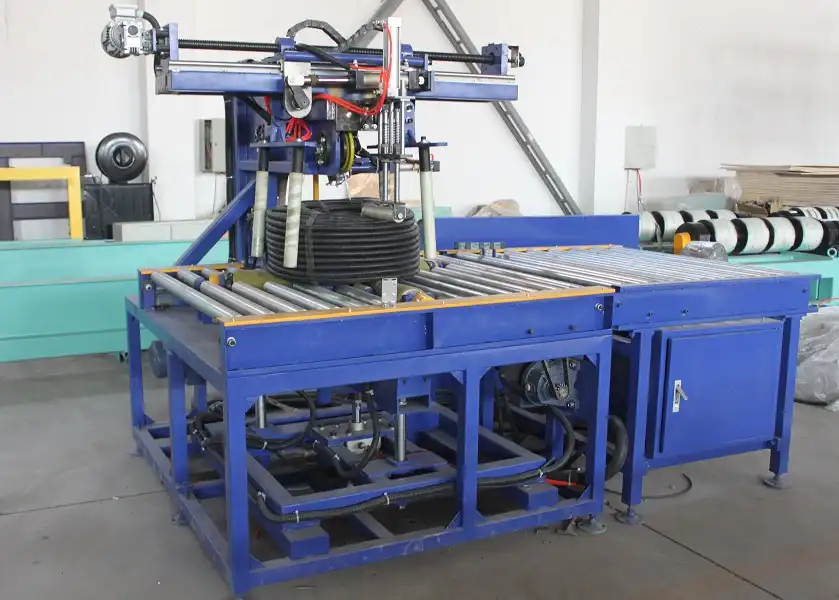
Operational Transformation: Speed and Safety
My journey in the packing machine industry taught me a lot. It is not just about keeping products safe. It is also about how you make them. Efficiency and safety are key. They directly impact your bottom line. Michael Chen, a factory manager, often talks about these exact points. He wants to boost output. He wants to protect his team. Coil wrapping machines offer solutions for both.
Achieving Greater Efficiency: Manual coil packing is slow. It requires many steps. It ties up valuable labor. An automatic coil wrapping machine changes this completely. It works much faster. It applies film in seconds, not minutes. This means more coils get packed each hour. Your production line flows without bottlenecks. This directly translates to higher output. It means faster delivery times for your customers. This also means you can take on more orders. The machine works non-stop. It does not get tired. It does not make mistakes. This consistency is a huge advantage for any high-volume factory. I witnessed this shift firsthand when I started my own factory. We moved from slow, manual processes to high-speed automation. The difference in output was incredible. This was a game-changer for our business growth.
- Increased Throughput: Machines wrap coils at speeds impossible for humans. This dramatically increases daily packing volume. It allows factories to meet higher demand without expanding their workforce.
- Consistent Quality: Every coil is wrapped with the same quality. This reduces reworks or complaints about poor packing. The machine ensures uniform tension and overlap. This leads to reliable and appealing packages every time.
- Reduced Labor Dependency: Fewer workers are needed for the packing task. These workers can move to other value-adding jobs. This optimizes your workforce utilization. It reduces overall labor costs. It addresses labor shortage challenges in some regions.
- Minimized Material Waste: Automatic systems are precise. They use film efficiently. They cut down on wasted material. This saves money on consumables in the long run.
Enhancing Workplace Safety: Handling heavy copper coils is dangerous. Workers can strain their backs. They can drop coils. This leads to serious injuries. I have seen too many accidents caused by manual handling. It costs companies a lot. It also causes pain for the workers and their families. Coil wrapping machines take away this risk. They handle the coils automatically. Workers only need to load and unload. Even this can be automated with conveyors. This protects your team. It lowers insurance costs. It creates a better, safer work environment. A safe factory is a productive factory. My factory always prioritized safety. This allowed us to keep our best people. We created a workplace where employees felt valued and protected. This reduced turnover and improved morale.
- Eliminates Manual Lifting: Machines do all the heavy lifting. This removes strain from workers. This drastically lowers the risk of back injuries and muscle strains. Workers perform lighter, safer tasks.
- Reduces Accident Risk: Fewer human touches on heavy, moving parts means fewer chances for accidents. The machine operates within guarded areas. This separates workers from potential hazards.
- Improves Ergonomics: Workers operate machines from a safe distance. This prevents awkward postures and repetitive stress injuries. The overall work environment becomes less physically demanding.
- Compliance with Regulations: Implementing automated solutions helps factories meet increasingly strict safety regulations. This ensures a compliant and responsible operation. It avoids costly fines and legal issues.
By investing in these machines, you are not just buying equipment. You are buying a better, safer, and more productive future for your factory. This is a choice that pays back many times over.
4. What Key Factors Should Brazilian Manufacturers Consider When Choosing a Coil Wrapping Machine?
You are ready to upgrade. You want these benefits. But which machine is right? The market has many choices. Making the wrong choice can be costly. You need a partner who understands your specific needs, like Michael Chen hopes for. You need to ensure your investment truly serves your factory.
Brazilian manufacturers should consider coil size and weight, production volume, available floor space, the level of automation desired, and after-sales support when choosing a coil wrapping machine. These factors ensure the chosen machine integrates seamlessly into existing operations, meets specific output demands, and provides long-term reliability.
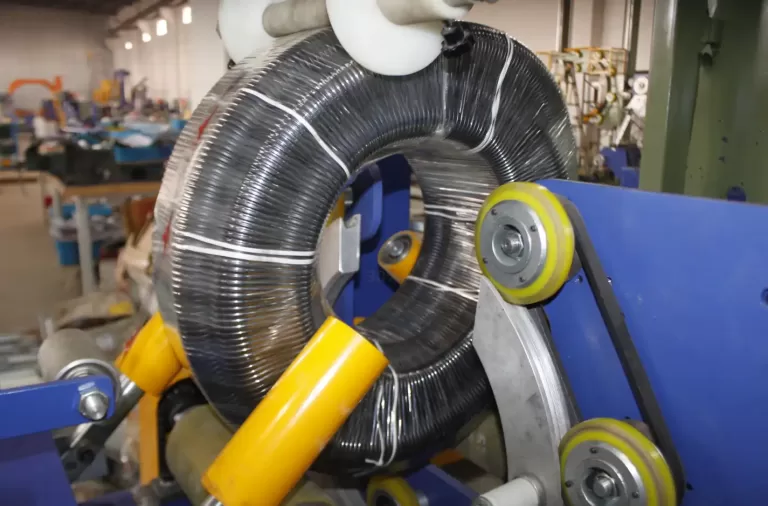
Making the Right Choice: A Checklist for Your Investment
Choosing the right machine is a big decision. It is an investment in your future. You need to pick a solution that fits your factory perfectly. Here are the key things I always tell my clients to consider. These are based on years of experience, both as a buyer and a seller of these machines. This advice comes from seeing what works and what does not.
1. Coil Specifications: You must know the exact size and weight of your coils. This includes their outer diameter, inner diameter, and width. Copper coils can vary a lot. A machine must be able to handle your largest and heaviest coils. It also needs to be flexible enough for smaller ones. Do you produce different sizes? The machine needs to adapt. This is the first and most critical step. My team and I always start here. We ensure the machine can physically handle your product. Without this basic match, no other feature matters.
- Outer Diameter (OD): The maximum outside size of your coils. This determines the machine’s ring size.
- Inner Diameter (ID): The minimum inside hole size of your coils. This affects how the coil is loaded onto the machine.
- Coil Width: How thick your coils are. This influences the machine’s carriage travel and film application.
- Weight Capacity: The heaviest coil the machine can safely wrap. Overloading can damage the machine and create safety risks.
2. Production Volume and Speed: How many coils do you need to pack per hour or per shift? Your target production rate will guide the machine’s speed requirements. Some machines are much faster than others. Do you need a fully automatic line with conveyors? Or is a semi-automatic machine enough for now? Matching the machine’s speed to your production needs prevents new bottlenecks. Investing in a machine too slow will not solve your efficiency problems. Investing in one too fast might be an unnecessary cost. It is about finding the right balance.
- Coils Per Hour (CPH): The machine’s output capacity. This should align with your factory’s production targets.
- Automation Level: Manual, semi-automatic, or fully automatic integration. This depends on your budget, labor availability, and desired operational flow.
- Integration Needs: How well the machine can integrate with existing conveyors, cranes, or other material handling systems.
3. Factory Layout and Space: Packing machines need space. Consider the footprint of the machine itself. Also, think about the space needed for loading, unloading, and maintenance. Do you have enough room? Can it fit into your existing production line? Sometimes, a vertical wrapper is better for tight spaces. Other times, a horizontal wrapper is best. We help clients design the layout to make sure everything fits well. I learned early on that good planning prevents future headaches. Poor planning can lead to operational inefficiencies and safety concerns.
- Machine Footprint: The floor space the machine takes up. Measure your available area carefully.
- Clearance: Space around the machine for operators, maintenance, and material movement.
- Coil Orientation: Decide if a horizontal or vertical wrapping machine best suits your coil handling process and available space.
4. After-Sales Support and Service: This is very important. What happens if the machine breaks down? How fast can you get parts? Is there local technical support in Brazil? A machine is only as good as its uptime. A reliable supplier offers strong after-sales service. They provide spare parts, maintenance guides, and quick technical help. This ensures your investment keeps working for you. This is where many suppliers fail, but FHOPEPACK builds partnerships. Michael Chen’s past bad experiences highlight why this is so critical. I made a promise to myself early in my career to always support my clients.
- Spare Parts Availability: Easy access to replacement parts. Ask about lead times for critical components.
- Technical Support: Help from skilled technicians, possibly locally or remotely. Ensure they speak your language or have clear communication channels.
- Warranty: The coverage period and terms for repairs. Understand what is included and what is not.
- Training: Does the supplier offer training for your operators and maintenance staff? Proper training ensures efficient and safe operation.
By carefully evaluating these points, you can make an informed decision. You can select a coil wrapping machine that truly enhances your operations. It will help you achieve your goals.
Conclusion
Coil wrapping machines are vital for Brazil’s copper industry. They ensure product quality. They boost efficiency. They keep workers safe. Choosing the right partner like FHOPEPACK secures your investment and drives business growth.








